




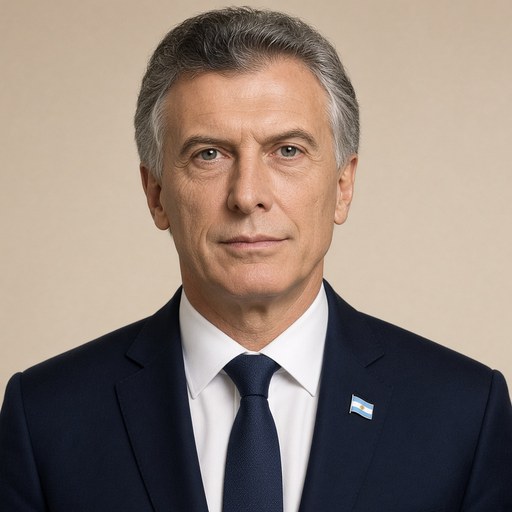
Words of the President of the Nation Mauricio Macri at the opening ceremony of the National Agriculture Day.
 Mauricio Macri · President of Argentina
- Context
- Macri addressed farmers and agricultural leaders at the JONAGRO National Agriculture Day opening ceremony in Argentina on August 24, 2016.
- Main themes
- Agricultural development, international trade agreements, value chain integration, regional economies, logistics and infrastructure, market access, poverty reduction through production, public works investment, Argentina's global reintegration, food production growth
- Duration
- ~14 min
- Words
- 1,721
- Sentences
- 60
- Readability
- 49
- Grade
- 13.5
- Syntax
- 3.48
- Vocabulary
- 1.97
Translated from Spanish
The broad sphere of national life a sentence belongs to. Every sentence has an Arena, so it is the denominator the other indices are read against.
Other60 sentences in 26 paragraphs
Good morning everyone. Thank you to the people of CRA for this invitation to JONAGRO, to be able to share a few minutes on this day of work and reflection.
I feel among friends and I believe that, as you said, Dardo, friendship is based on telling each other the truth. If not, trust, admiration, and respect cannot be built. And that means we must be willing to work together, but always with a deep commitment to self-criticism, to see where we might be making mistakes, and to correct them. That is the back and forth that I hope exists between you and the Government, which today has ceased to be “you against the Government,” but rather “you alongside the Government.” A Government that wants to make life easier for those who can undertake, who can produce.
From that production, growth and employment opportunities for all will be generated, which is, as we all know, the true solution to eliminate poverty in our country.
Today I also want to refer to the four axes you have chosen for this call.
International insertion: you presented, I remember, a year and something ago, in a hotel nearby, a plan presented by “Ricky” Negri, which outlined how to grow Argentina from the countryside - in which I exaggerated a bit because I have more faith in you than you say - and which concluded that we would double, in five years, the production of what we do today.
That means we need new markets. That means that in this reopening of Argentina to the world, in this desire to once again be part of the global stage, we must materialize it in specific agreements - as many of our brother countries have - to be able to access our products under the best conditions, without having to compete under unfavorable conditions.
And in that direction goes the exchange of offers with the European Union, which on both sides, we all know, has been poor. But it is a starting point. And we believe that in a few years, this should crystallize into the opening of many markets to everything that we know and can produce. The same goes for the United States, where we have started off very well, recovering specific markets, such as beef and lemons. We hope that in the coming months this continues to consolidate. We are also talking with Japan. In a few days, I will be going to China, to the G-20, and I have a bilateral meeting again with the President, my colleague from the People's Republic of China. I hope that in this growing exchange we are having, there will also be a greater opening to products with higher added value than what we are currently exporting. And we will continue to do so on every occasion.
But we are also clear, and this relates to the second point, the value chain. Here Argentina has a problem: it has been trapped for decades among those middle-income countries, from which we have not been able to escape. And I believe that the way to achieve that we get out of that situation and generate more quality jobs is to add value to those raw materials that we produce with high efficiency, which in most cases are what you do.
I would say that we not only need to visualize ourselves from granary to supermarket, but perhaps we need to take on a greater challenge, which is to move towards highly sophisticated products, which also enhance something that CRA has always defended, regional economies. And around those regional economies and their products, and their regional cuisine, generate a diversity of opportunities that we are not currently taking advantage of: I believe that only the wine cluster that has developed in Mendoza has begun to penetrate in that direction. We all know that with the success that has been achieved, it is only the beginning.
Now, with stable, reliable, credible rules of the game, without having to ask for ROEs or understand what the exchange rate is, nor the limitations on exporting, or distorting taxes on regional economies. Now we can discuss every cost in the value chain, we can discuss the path of training, of incorporating technology.
Also in that direction you have rightly raised the issue of logistics. Today it is a problem, but if we work together and intelligently it is an opportunity, because we must have one of the worst logistics systems in the world. That means there is much to recover outside your fields, outside your plants, so that those products can reach the port. There I believe that within the framework of roads, ports, trains, waterways that we are proposing, of irrigation works, the Belgrano Plan has a fundamental axis, and again CRA has defended regional economies. Being able to bring the northern producer to the port under competitive conditions will be a turning point for all those economies.
The good thing is that the works have already started, we are truly committed, with professional, serious teams, who want to reclaim the value of public works, which should be synonymous with the future, with prosperity, and never again with corruption and the degradation of the role of the State.
And finally, it is also very important, and I congratulate you for putting it on the agenda, the issue of the environment. We have committed our country, in line with what the rest of the countries that make up the global stage are committing to, to very ambitious goals at the last Climate Change Summit in Paris, which we are going to Morocco to reconfirm. And there you also have a very important role, just in these days in which we are in full debate around the central element for growth, and at the same time, for pollution if misused, which is energy.
I understand that coming out of so many years of populism is not easy. But there is no doubt that we exit populism with less populism. If we truly have a commitment to grow, to develop, to defeat poverty, that is achieved by telling each other the truth, it is achieved - as we are doing - by having an Institute that provides clear statistics on what unemployment is, what poverty is, what the real data of the economy is.
And that real data has a number that should concern us, which is the population that actually has employment. Argentina barely exceeds 40 percent. Most countries in the region are above 50 percent and additionally, in our 40 percent, there have been in the last decade the creation of more than 750,000 public jobs, which in most cases were to disguise the inability to grow, the inability to generate jobs that challenge us. That is what we need as human beings, that is what we need to centralize ourselves as individuals, to have a job that stimulates us, that excites us, that we don’t even need an alarm clock to start every day, because there is a role that demands me, there is a task that I have to fulfill that the rest of society needs.
With all the conditions we have, with all the natural resources we have, how can we not be able to embark on a path of progress through the generation of genuine employment, through the restoration of truth, of trust, of sharing information, technology, training.
On that path there is a future, but we need to take care of the environment, which is why it is good that we are returning to crop rotation, as we all know the damage that was being done by an Argentina oriented almost to monoculture.
It is good that we will continue to promote renewable energies, where the Argentine countryside, with ethanol, biodiesel, has a truly important role to play, and which also helps to balance productions, as is happening today in Tucumán.
There are many things we have to do together, there are many challenges and we are far from having resolved them all. Yesterday we saw a regional economy like fruit, with a sector of producers who still cannot find the path to that growth, where we need to understand intelligently how to use state resources to get it out of that place, which is not achieved by continuing to support what does not work, but perhaps - as we discussed with the Minister - using those resources for training, for technification, to improve the quality of what we are producing, to add value in the region, and to transport something that has truly greater added value.
And as also happens to us with important members of CRA, who are the dairy farmers, who after years of misguided policies, when we had all the opportunities to enhance ourselves, to consolidate, because there was a spectacular international price, and again the myopia of the person mentioned here by the President interrupted that export cycle.
Today the world surprises us with extremely low prices. We are sitting around a table studying how to help preserve, to care for that very important work that Argentine dairy farmers do, but not just with words. We have already distributed, at this point, compensations for more than 9,000 dairy farmers for 1.1 billion pesos, and subsidized loans for 1.5 billion pesos.
But again: we want to find coherent, sustainable, long-term solutions, and it is in that path where we need to continue working together.
That is the secret, there is no other, that we understand that the sum of the public sector plus the private sector, seeking markets, the best technology, seeking to enhance and care for the environment, and being protagonists in the world in terms of the environment.
That is the path of progress, that is the path of employment, that is the path of happiness for all Argentines.
So thank you to the people of CRA for the struggle, with your 15 confederations throughout the territory. Thank you for believing in a federal Argentina, generating employment in each regional economy, in every area of the country, true roots, because that is the challenge, to have a fully developed Argentina, and I am convinced that we have begun to walk in the right direction.
Good morning and may this Day be a success.
The original Spanish. The tags above are read on the English translation's sentences.
Buen día a todos. Gracias a la gente de CRA por esta invitación a JONAGRO, poder compartir unos minutos en este día de trabajo y reflexión.
Me siento entre amigos y creo que, como decías, Dardo, la amistad se basa en decirse la verdad. Si no, no se construye confianza, admiración, respeto. Y eso significa que tenemos que estar dispuestos a trabajar juntos, pero siempre con un profundo compromiso con la autocrítica, para ver en qué cosas podemos estar equivocándonos, y corregir. Ese es el ida y vuelta que espero que exista entre ustedes y el Gobierno, que hoy ha dejado de ser “ustedes contra el Gobierno”, sino “ustedes junto al Gobierno”. Un Gobierno que quiere facilitarle la vida a aquellos que pueden emprender, que pueden producir.
A partir de esa producción, se va a generar crecimiento y oportunidades de empleo para todos, que es, todos sabemos, la verdadera solución para eliminar la pobreza en nuestro país.
Hoy quiero también referirme a los cuatro ejes que han elegido para esta convocatoria.
Inserción internacional: ustedes presentaron, me acuerdo, hace un año y algo, en un hotel acá cerca, un plan que presentó “Ricky” Negri, que decía cómo hacer crecer la Argentina a partir del campo -en el cual yo exageré un poquito porque les tengo más fe de lo que ustedes dicen-, y que redondeaba que íbamos a duplicar, en cinco años, la producción de lo que hacemos hoy.
Eso significa que necesitamos nuevos mercados. Eso significa que en esta reapertura de la Argentina al mundo, en esto de querer volver a ser parte del escenario global, tenemos que materializarlo en acuerdos específicos -como tienen muchos de nuestros países hermanos- para poder acceder con nuestros productos en las mejores condiciones, sin tener que competir en condiciones desfavorables.
Y en esa dirección va el intercambio de ofertas con la Unión Europea, que de su parte y de la nuestra, todos sabemos que ha sido pobre. Pero es un punto de partida. Y creemos que en unos años, eso debería cristalizarse en la apertura de muchísimos mercados a todo aquello que nosotros sabemos y podemos producir. Lo mismo con Estados Unidos, que hemos arrancado muy bien, recuperando mercados específicos, como la carne y el limón. Esperamos que en los próximos meses esto se siga consolidando. También estamos hablando con Japón. En algunos días me estoy yendo a China, al G-20, y tengo nuevamente una bilateral con el Presidente, mi colega de la República Popular China. Espero que en este intercambio creciente que estamos teniendo, también haya una mayor apertura a productos con mayor valor agregado de lo que le estamos exportando. Y así lo seguiremos haciendo en cada ocasión.
Pero también tenemos claro, y tiene que ver con el segundo punto, la cadena de valor. Acá la Argentina tiene un problema: está atrapada hace décadas entre aquellos países de ingresos medios, de donde no hemos podido salir. Y creo que el camino para lograr que salgamos de esa situación y generemos más empleo de calidad, es agregarle valor a aquellas materias primas que producimos con alta eficiencia, que en la mayoría de los casos, son las que ustedes hacen.
Yo diría que no sólo tenemos que visualizarnos de granero a supermercado, sino tal vez tenemos que asumir un mayor desafío, que es ir hacia productos de alta sofisticación, que además potencien algo que siempre ha defendido CRA, las economías regionales. Y alrededor de esas economías regionales y sus productos, y su cocina regional, generar una diversidad de oportunidades que hoy no estamos aprovechando: solamente creo que el cluster del vino que se desarrolló en Mendoza, ha empezado a penetrar en esa dirección. Todos sabemos que con el éxito que se ha tenido, es solamente el principio.
Ahora, con reglas de juego estables, confiables, creíbles, sin tener que andar pidiendo ROEs ni entender cuál es el tipo de cambio, ni las limitaciones a poder exportar, o impuestos distorsivos a las economías regionales. Ahora sí podemos discutir cada costo en la cadena de valor, podemos discutir cuál es el camino de la capacitación, de la incorporación de tecnología.
También en esa dirección ustedes han planteado, con mucha razón, el tema de la logística. Hoy es un problema, pero si trabajamos juntos e inteligentemente es una oportunidad, porque debemos tener de los peores sistemas logísticos del mundo. Eso significa que hay mucho para recuperar puertas afuera de sus campos, de sus plantas, para que aquellos productos puedan llegar a puerto. Ahí creo que dentro del marco de rutas, de puertos, de trenes, de hidrovías que estamos planteando, de obras de riego, el Plan Belgrano tiene un eje fundamental, y nuevamente CRA ha hecho una defensa de las economías regionales. El poder acercarle al productor del norte el puerto en condiciones competitivas, va a ser un antes y un después para todas esas economías.
Lo bueno es que las obras ya han arrancado, estamos realmente comprometidos, con equipos profesionales, serios, que quieren volver a reivindicar el valor de la obra pública, que sea sinónimo de futuro, de prosperidad, y nunca más de corrupción y bastardeo del rol del Estado.
Y por último también es muy importante, y los felicito que lo hayan puesto en la agenda, el tema del medioambiente. Hemos comprometido a nuestro país, en línea con lo que se están comprometiendo el resto de los países que integran el escenario global, a metas muy ambiciosas en la última Cumbre de Cambio Climático en París, que estamos yendo a Marruecos a reconfirmar. Y ahí ustedes también tienen un rol muy importante, justo en estos días en los cuales estamos en pleno debate alrededor del elemento central para crecer, y a la vez, para contaminar si se mal utiliza, que es la energía.
Yo entiendo que salir de tantos años de populismo no es fácil. Pero no hay duda de que del populismo se sale con menos populismo. Si realmente nosotros tenemos un compromiso con crecer, con desarrollarnos, con derrotar la pobreza, eso se logra diciéndonos la verdad, se logra -como estamos haciendo- teniendo un Instituto que da estadísticas claras de cuál es el desempleo, cuál es la pobreza, cuáles son los datos reales de la economía.
Y esos datos reales tienen un número que nos tiene que preocupar, que es la población que efectivamente tiene empleo. La Argentina apenas supera el 40 por ciento. La mayoría de los países de la región está arriba del 50 por ciento y además, en nuestro 40 por ciento, existen en la última década la creación de más de 750.000 empleos públicos, que en la mayoría de los casos fueron para disimular la incapacidad de crecer, la incapacidad de generar empleos que nos desafíen. Eso es lo que necesitamos como seres humanos, eso es lo que necesitamos para centralizarnos como personas, tener un trabajo que nos estimule, que nos apasione, que ni siquiera necesitemos el despertador para arrancar todos los días, porque hay un rol que me demanda, hay una tarea que yo tengo que cumplir que el resto de la sociedad necesita.
Con todas las condiciones que tenemos, con todos los recursos naturales que tenemos, cómo nosotros no vamos a poder emprender un camino de progreso a partir de la generación de empleo genuino, a partir del restablecimiento de la verdad, de la confianza, del compartir la información, la tecnología, la capacitación.
En ese camino hay futuro, pero necesitamos cuidar el medio ambiente, por eso en buena hora volvemos a tener rotación en los cultivos, que todos sabemos el daño que estaba haciendo una Argentina orientada casi a un monocultivo.
En buena hora vamos a seguir impulsando las energías renovables, donde también el campo argentino, con el etanol, el biodiesel, tiene realmente un rol muy importante para llevar adelante, y que además ayuda a equilibrar las producciones, como está pasando hoy en Tucumán.
Son muchas las cosas que tenemos para hacer juntos, son muchos los desafíos y estamos lejos de haber resuelto todos. Ayer vimos una economía regional como la fruta, con un sector de productores que no encuentra todavía el camino hacia ese crecimiento, donde nos demanda entender con inteligencia cómo usar los recursos del Estado para sacarlo de ese lugar, que se sale no con seguir acompañando lo que no funciona, sino tal vez -lo hablábamos con el Ministro- utilizando esos recursos para capacitar, para tecnificar, para mejorar la calidad de lo que estamos produciendo, para agregarle valor en la región, y transportar algo que tenga realmente mayor valor agregado.
Y como también nos pasa con miembros importantes de CRA, que son los tamberos, que después de años de políticas equivocadas, cuando teníamos todas las oportunidades de potenciarnos, de consolidarnos, porque había un precio internacional espectacular, y de vuelta la miopía de la persona que mencionó acá el Presidente, nos interrumpió ese ciclo exportador.
Hoy el mundo nos sorprende con precios sumamente bajos. Estamos sentados alrededor de una mesa estudiando cómo ayudar a conservar, a cuidar ese trabajo tan importante que hacen los tamberos argentinos, pero no solamente con palabras. Ya hemos repartido, a esta altura, compensaciones para más de 9.000 mil tamberos por 1.100 millones de pesos, y créditos a tasas subsidiadas por 1.500 millones de pesos.
Pero de vuelta: queremos encontrar soluciones coherentes, sustentables, de largo plazo, y en ese camino es donde necesitamos seguir trabajando juntos.
Ese es el secreto, no hay otro, que entendamos que la suma del sector público más el sector privado, buscando los mercados, la mejor tecnología, buscando potenciar y cuidar el medio ambiente, y ser protagonistas en el mundo en términos del medio ambiente.
Ese es el camino del progreso, ese es el camino del empleo, ese es el camino de la felicidad para todos los argentinos.
Así que gracias a la gente de CRA por la lucha, con sus 15 confederaciones en todo el territorio. Gracias por creer en una Argentina federal, generando empleo en cada economía regional, en cada zona del país, verdadero arraigo, porque ese es el desafío, tener una Argentina desarrollada integralmente, y estoy convencido de que hemos comenzado a caminar en la dirección correcta.
Buenos días y que sea un éxito esta Jornada