




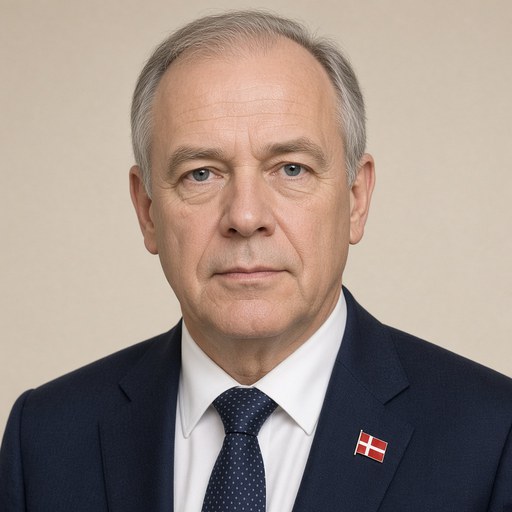
Prime Minister Poul Nyrup Rasmussen's opening statement in the Folketing on Tuesday, October 5, 1999, at 12:00 PM.
 Poul Nyrup Rasmussen · Prime Minister of Denmark
- Context
- Rasmussen addressed the Danish Folketing on October 5, 1999, delivering the government's opening statement for the parliamentary session outlining priorities for the 21st century.
- Main themes
- Danish welfare state renewal, globalization and international community, national cohesion and solidarity, Denmark's role in world politics, knowledge society, post-Cold War international order, Kosovo and humanitarian intervention, social responsibility, European integration, immigration and xenophobia, economic foundation for welfare
- Duration
- ~63 min
- Words
- 7,551
- Sentences
- 541
- Readability
- 53
- Grade
- 8.8
- Syntax
- 2.53
- Vocabulary
- 2.05
Translated from Danish
The broad sphere of national life a sentence belongs to. Every sentence has an Arena, so it is the denominator the other indices are read against.
Other541 sentences in 279 paragraphs
We decide for ourselves
Today, we in the Folketing begin this session, which will not conclude until the next century – the 21st century. The start of the next millennium.
A new era that holds fantastic opportunities – but also a great risk for the future of the Danish welfare state. If we do not continue to act wisely and responsibly.
We are now part of the global community. The world community meets the welfare state. The economic market forces are changing.
We are on our way to an international knowledge society, which has an enormous centrifugal force within it.
We are, in fact, facing a challenge as great as that which our political ancestors faced at the beginning of this century!
Our project in the 21st century is still to secure and renew the welfare state. If we fail to do so, our welfare state will become a victim of the centrifugal force, where more and more are cast aside. Where only the strong – the best educated and well-off – those who speak many languages – will be able to cope.
Such a society is not what we want!
There is a better way. A way that must spring from the value foundation upon which we have built the welfare state in this century.
But, on that path, we must tackle two major tasks.
First: How can we ensure that the cohesion of the Danish welfare state is maintained in a globalized world?
Second: We must ensure that Danish welfare internally reaches a point where, in the coming years, there will be fewer young people and more elderly – and in such a way that we do not fail the weakest.
Today, we have – after nearly 7 years of work – a very strong economic foundation for the future of the welfare state: Denmark in the year 2000. We must build upon that.
* * *
What poses the greatest threat today is not the changes that come from outside and inside – but in reality ourselves: Can we continue to unite to renew our society on the basis of community? Can we ensure cohesion and responsibility for one another in the new world? Or are we no longer thinking of anyone but ourselves?
There are too many who are putting Denmark down these days. This is wrong and that is wrong. They blame Denmark and the welfare state for all evils, and we must listen to completely distorted images of Denmark: Some speculate in xenophobia and fear – and some refer to Denmark as a second-class society.
But that is not how our country Denmark looks. We like the Denmark that actually exists. The government will develop and improve Denmark in a changing world.
For the government, Denmark is also a symbol of something international. For a country that takes a stand and contributes – even outside its borders. For the government, Denmark is a welfare state built on unity, justice, cooperation, and humanity.
* * *
We can essentially choose for ourselves in Denmark:
Either we can become an even stronger leading country that places decisive emphasis on human values.
Or we can choose self-sufficiency, to be enough unto ourselves. Choose not to be disturbed – like another tribe with inward-looking rituals that goes into a panic if a person from another tribe comes to visit!
The choice is ours!
The government chooses the leading country!
Only by being strong in cohesion – with a good national community – can we succeed internationally – and only by being active internationally and making an impact can we secure the future of our own society.
That is what we in the government have decided!
* * *
The government therefore presents today its proposal for the main lines:
For the welfare state Denmark in the year 2000, and
For Denmark's position in the world and in Europe.
* * *
The 21st century - Political will on the international stage
What role should Denmark take on in world politics?
There are still political parties that ask: Should Denmark even play a role? We do not want to be disturbed! The easiest thing would seemingly be to turn our backs! But that is not in Denmark's and the Danish people's interest. The government is not inclined to that.
We will shape the political responses to the changes we see ahead of us.
During the Cold War, foreign policy was framed very rigidly. Everything was known territory. There was development aid, there was the UN, there was the EC, there was Nordic cooperation, NATO, and the USA. One knew where one stood with each other. Foreign policy was on autopilot.
Today, after the Cold War, after the total change, we have gained a warm peace, where everything is open. We live today in a far more unpredictable world than the one most of us were born into.
For the new freedom also has a shadow side: Conflicts that were suppressed during the Cold War have broken out. Crime, refugee flows, and in many places increasing poverty.
* * *
A new chapter in International Law?
The message from Kosovo is clear. Europe has a special responsibility to solve problems on its own continent. We stood firm – together with the USA in NATO, when it really mattered. And Milosevic was stopped. Now peace must be won.
Perhaps we see the outlines of a new international cooperation with stronger values ahead of us.
UN Secretary-General Kofi Annan said in a speech in the spring to the UN Human Rights Commission that 'the UN Charter must never be a cloak for dictators to oppress their own people or for internal ethnic cleansing.' The occasion was clear: The Kosovo conflict.
No democratic person can disagree with the UN Secretary-General. We are in the process of writing a new chapter in International Law.
I believe that this century has delivered a message to us: That the sovereignty of states must yield to humanitarianism and the observance of human rights.
Global inequality: There is a need for Denmark
The 20th century was strongly marked by liberal market forces. It has brought wealth to some. But it has also created a divide between rich and poor – and enormous differences between industrialized countries and developing countries.
The list of challenges is almost endless:
The world's population could grow from 6 billion today to 10 billion people by the year 2050.
25 percent of the world's population is expected to lack water by the year 2050.
1.5 billion people – a quarter of the world's population – currently live on less than 1 dollar a day.
33,000 children under 5 years old die every day in developing countries – half due to malnutrition or similar causes. 3,000 children under 5 years old die every day from malaria.
The world's poor countries still talk about the social summit in 1995 in Copenhagen – in Denmark. Back then, we took the lead on debt relief. Not many followed up.
Right now, 182 member countries in the IMF and the World Bank have unanimously decided on a new initiative for debt relief for the poorest countries at the annual meeting in September. And importantly, in a way that is meant to benefit the poor people.
In the spring of this year, Denmark received top marks for our development work. But a prerequisite for maintaining that high level is also that we renew ourselves and ensure that the quality remains intact. Therefore, the government will conduct a review of the so-called Strategy 2000 from 1994 in the coming parliamentary year.
Denmark and Europe
The government sees Europe as the region that must take on global leadership in relation to development aid. No one else is doing it – even though the need is enormous. Here too, it is an extra plus that a highly qualified and experienced Danish commissioner is responsible in this area.
EU Enlargement
One of the most important foreign policy issues for Denmark is that we have the opportunity in the early years of the new century to take decisive steps towards healing a Europe that has been through so many wars.
Denmark will actively work for the strongest and fastest possible enlargement at the summit in Helsinki in December. We should preferably have the two other Baltic countries – Latvia and Lithuania – included in the negotiating groups. And also the other applicant countries, Slovakia, Romania, and Bulgaria.
Denmark and the Euro
The Euro is a reality today. The currencies are locked in. It is also a fact that we are deeply connected to those countries – half of our exports go to the Euro area and half of our imports come from there.
What should
we
do now that they have introduced the common currency? That is what the population will have to decide in due course.
The debate we are now going to engage in is not just a debate about the economy and the technicalities of the common currency, the Euro. It is very much also about politics.
* * *
I have three reasons why Denmark, in my opinion, is best served by joining the Euro.
First:
It is about security and safety.
It is about protecting ourselves in a harsh international speculative world.
The Danish economy is today very strong. But in the long term, we cannot just close our eyes to the international problems – which we can hardly solve ourselves when it comes down to it. We know well who will be affected if a crisis comes.
It was not long ago that we experienced how it is to fall victim to speculators. Just as recently as last year, in 1998. Countries like Portugal, Italy, Spain, and Finland were spared. They undoubtedly were because it was clear that they would become members of the Euro. We felt the brush of international speculation.
Therefore, it is about security and safety, so that there can be no speculation against our currency and thus against our welfare – that is my first argument.
* * *
Second:
It is about employment and Danish jobs.
After many years of work, we succeeded in putting employment on the EU agenda. It has been a struggle, but it bore fruit in Amsterdam.
The major oil crises of the 1970s taught us that national selfish countermeasures and devaluations harm us all. Close cooperation based on mutual employment policy is the way forward.
All of this we can fight for. We have plenty of proposals and ideas for it. But it requires that we are at the table, making our mark – and that takes place in the Euro area!
It is about Denmark also being attractive as an investment country precisely because it is a member of the Euro area as a creative political force and not placed on the periphery!
That is my second argument:
Employment and the economic competitiveness of businesses. Denmark as an attractive investment country.
* * *
The third argument: It is about Denmark's and Europe's future.
We must set demands on the world market and world trade at the upcoming WTO negotiations. Denmark is preparing intensively for this. It starts on November 30 of this year.
It is important for Denmark to get respect for workers' rights on the agenda for the upcoming negotiations. It was successful to gain the European Council's agreement to work towards this during the summit in Cologne in the summer.
Thus, we can take the first important steps for Europe to now take the lead with a regional leadership that genuinely entails much stronger support behind the demands that workers' rights, environmental regulations, and prohibitions against child labor be included in the negotiation round.
* * *
It is about politics, it is about people before money – not after. It is about setting the framework for market forces – as we have done in Denmark, as we are in the process of doing in Europe, as we can spread to the world.
All of this Denmark must help shape. We have never felt comfortable with others just deciding. It is about what it is we really want as a nation. In our part of the world. In our Europe. Where should Europe and Denmark move? We will have the most control over that if we are involved in making the decisions ourselves.
* * *
It is a big decision we must make. It is a decision that concerns not only our generation but also those to come. Therefore, we must take the necessary time for reflection and for proper illumination of the matter.
The government will actively participate in the debate on the economic and political consequences of Denmark's participation in the common currency.
When it comes to other reservations, the government will assess developments in the EU regarding refugees and asylum as well as crisis management. When results emerge, we must make a comprehensive assessment of how we should then relate to further cooperation in the EU in these areas.
* * *
Denmark's neighborhood: The Baltic Sea
In April 2000, Denmark will host the 3rd summit of the Baltic Sea countries' heads of government as well as the President of the Commission. The fact that the countries around the Baltic Sea meet regularly is in itself proof that the old Warsaw Pact countries are now sitting at the negotiating table with us to discuss common visions for a future where sustainable development is paramount: Environmentally, economically, security-wise, and socially.
One thing is certain. Denmark has a new, flourishing region in Northern Europe right outside its door: The countries around the Baltic Sea. The opportunities are countless.
* * *
Denmark in the new century
As we say goodbye to this century, it can be seen that we have been here.
Denmark is now a leading country: In the economy, in employment, in the environment, in welfare, and in a more just distribution.
There is something fundamental I want to highlight in the government's way of working: The results came because we set clear goals. Because we wanted to. Because people made a fantastic effort.
It is precisely the making of decisions that reach years ahead and ensure the cohesion of society that is crucial.
It is not an end in itself to have order in the economy. But, it is a fantastically crucial prerequisite for us to achieve everything we set out to do.
Public debt must be reduced. It is one of the government's declared goals. As we reduce the debt, we can save on interest expenses. We must understand how to utilize the savings wisely. For with the future burden of an aging population, there are plenty of tasks to spend the money on.
We need everyone in the labor market. That is one of the main themes in the government's employment policy. For people's own sake and for society's sake, we cannot afford to let hands remain unemployed.
The renewal of the public sector must ensure that we consistently utilize taxpayers' money most effectively. It is not about public employees running faster. No, it is about ensuring that they run in the same direction.
We should not resist the new changes that come from both outside and inside – but we must create security for the weak and vulnerable – while also taking advantage of the exciting and inevitable renewals in our society.
Denmark is not for the few but for all.
* * *
Information technology – for all
Nothing would be easier than to let the international knowledge community divide the population in Denmark. By refraining from intervening – allowing development to shape a random Danish path. Those who could keep up did so, and others were left behind.
E-commerce will – if we approach it correctly – provide both existing and new Danish companies with unprecedented opportunities for easy access to the global market. And thus a share in the growth that secures our welfare society.
Therefore, the government has high expectations for the results of the work initiated under the title 'Digital Denmark'. It will form the basis for the development of a comprehensive plan for transforming Denmark into the global network society. We look forward to the results of these considerations at the beginning of the new year.
* * *
Business in the new era
Danish businesses are making a fantastic effort. Small and medium-sized enterprises are thriving in the fierce international competition. This gives great confidence that we can also succeed in the information society.
But we need to approach it correctly. We will continue to be able to measure ourselves against the best in the world – and the interaction we are proposing between the public and private sectors has precisely that aim. It concerns research, product development, marketing, and skill enhancement.
The government has been aware of the conditions of the business sector since it came to power in 1993. We know that when the business sector is doing well, Denmark is doing well. And no number of campaigns in various business magazines will prevent the government from stating that the business sector today has better fundamental conditions than it did in 1993.
This has resulted in over 200 business policy initiatives.
But the world is evolving. We still have much to do.
In the coming period, the government will develop a completely new comprehensive strategy for business policy. So we are geared up for the challenges of the future in Denmark. Led by the Minister of Business, a committee consisting of all relevant ministers will thoroughly examine and design a new cross-cutting holistic strategy for Danish business policy.
The government is introducing a new competition law. We want competition to be top-notch in Denmark. It keeps our companies sharp and creates the best prices for consumers. So Danes will benefit directly from this initiative. And we also want to ensure that we are on par with the rest of the EU in this area.
We are finalizing a proposal that ensures our export promotion activities are consolidated into one powerful structure.
The business sector is a high-priority area for the government. It is about employment, and it is about welfare. A competitive and dynamic business sector is a crucial prerequisite for us to renew and thus improve our welfare society.
Adult and further education
The youth cohorts will be smaller in the future. Fewer young people will therefore enter the labor market. A large part of the need for new qualifications must therefore be met through further education and upskilling of adults. The effort should especially target the low-skilled.
In close dialogue with the parties in the labor market, the government has initiated a process where, over the years, we will make adult and further education more targeted and coherent.
Our goals are clear:
We must increasingly target the system towards the low-skilled and the education programs that provide widely recognized competencies. This especially applies to the very basic skills in Danish and arithmetic/mathematics.
We will create an effort where work experience and completion of educational programs and courses are much more credited as formal competence and merit in the regular education system.
We will make a stricter and more targeted prioritization of resources with a better balance between the financing responsibilities of businesses and the public sector.
Our task is to ensure that we also have the workforce necessary to maintain welfare in the future.
The inclusive labor market
During the high unemployment of the late 80s and early 90s, far too many were passive for years. The time is long gone when a person was left with a check once a month. We have replaced a passive and hopeless welfare policy with an effective effort to get people who are available for the labor market into regular jobs.
Now we can focus on those at the back – those who have not yet started.
We are talking here about a group of people who are not only unemployed but also have special problems. These are people in very different situations, and therefore the offers must be different.
The government will therefore now take a number of initiatives:
We will negotiate with the labor market parties, municipalities, and parliamentary parties to soften the rigid rules on activation. We will eliminate wildcards, and we will improve the quality of the offers to the unemployed.
This afternoon, the government will discuss an action plan for improving social activation with the municipalities. We believe we can draw a lot of good inspiration from the ambitious 'Project Workplace' in Horsens municipality. Just think, here there has been a handshake between the municipality and local businesses and trade unions to create space for those who have been long-term sick or unemployed.
I am confident that we can do better if all efforts are combined.
Thirdly, we must recognize that many of the people we are talking about have been away from the labor market for a long time, have fragile health, or other problems that make it difficult for them to hold a regular full-time job. Therefore, it is an important part of the joint initiatives with municipalities and counties that there is a massive push to create more flexible and sheltered jobs – both in private and public workplaces.
With the proposal for senior jobs, the government will pave the way for older unemployed individuals to obtain permanent work under normal pay and working conditions in municipalities – alongside a new workforce that can, for example, strengthen practical assistance to pensioners.
We will carefully consider and assess how the effort can be even more concretely tailored to the needs of the individual groups. There is a need for special attention to securing jobs for people of foreign descent.
I have therefore informed the labor market parties in advance that we must have this issue on the agenda at the upcoming tripartite discussions in November.
Foreigners in Denmark
The Danes know well that we must help when people are in need – including refugees who come here, persecuted from their own country. The Danes are not a xenophobic people.
* * *
The Danish population emphasizes that things must be done fairly. That when one comes to Denmark, one contributes and enjoys in the same way as others. When there is equal treatment, when there are rights and obligations for all, I believe that the foundation for a minority of foreigners to live well in this country is present.
The government led the way in 1997-98 to implement a new immigration law. It has been called the world's strictest immigration law.
I repeat: the world's strictest immigration legislation. It came about as a compromise supported by the governing parties and the conservative parties in the Folketing.
There are still problems – big problems – especially related to the refugees and immigrants who came here before the new integration law came into force.
Therefore, the government today proposes a number of concrete initiatives to ensure that foreigners in Denmark can better integrate into Danish society and make a contribution. To combat violence. To combat illegal labor.
* * *
Violence
Fear of physical violence is one of the worst things a society can experience.
Recently, we have seen examples of severe violence. Where a few almost terrorize a local area.
We must stand against dehumanization. We will not accept violence.
We must prevent and create security for citizens. But the police must also be able to apprehend perpetrators of violence if they commit crimes.
Therefore, what I say is: We will not tolerate the conditions we have seen in some of our cities. But it is equally important that we also recognize that the enhanced police effort is a necessary measure, but it does not suffice on its own.
The cornerstones are consequence, prevention, and accountability.
We have prioritized early preventive efforts. We have established treatment places and introduced new treatment methods. We have supported outreach efforts on the streets and introduced fixed contact persons.
Quick processing times for both police, prosecution, and correctional services. Here too, we can do more; we must do more. It is the swift judgment and the quick serving of sentences that are crucial.
Over the years, we have tightened the penalties for repeated and severe violence.
In connection with an upcoming police agreement, we will negotiate a new multi-year agreement.
It is important that we resolve the question of how to intervene more quickly against violence in the upcoming negotiations. The police must be visible on the streets to create security. They must be present where violence occurs so that it can be stopped immediately.
A long-term effort is necessary
The police are necessary, but the effort must be expanded.
There is a need for a practical, well-thought-out, and long-term effort. It will take time. It will take several years – many years. I can just as well say that from the start. It is a big task. But, the more urgent it is to get started.
And let us face it: There are indeed problems for many foreigners and their integration into Danish society.
It is often almost impossible for foreigners with foreign-sounding names to get work here in the country.
When things go wrong between foreigners and Danes, it primarily affects the youth. They are the ones who end up paying the price. It is this group that falls into violence, crime, and vandalism because they never find their footing.
This is what we must address – in a completely different and comprehensive way than before.
The government has now decided to launch a comprehensive long-term action plan that will address the problems faced by the young immigrant groups I am talking about. There is a need for stronger coordination. There is a need for stronger collaboration. There are far too many caseworkers who do not communicate about the same foreign family. There are far too many resources being used in an uncoordinated manner. Now there must be coherence in things. Now a sensible, multi-year plan must be laid out that will work.
We will not see the results visible and significant immediately. But better to get started today than tomorrow.
The work on the action plan I am referring to will commence immediately. A cross-ministerial effort has been initiated. I expect that we will have the first part report around the turn of the year.
Immediate action
In a number of cases, we have also seen that there was a need for quick and effective intervention – but also that there was uncertainty in the local community about how to solve the problems at all.
The government intends to address this as well:
When problems arise, the police must have the necessary resources to intervene. Our laws must be enforced. Individuals who commit crimes must be apprehended, judged, and punished.
In the future, we must be prepared to send police reinforcements to areas where problems arise. We will be.
The government has decided to establish a rapid response team. We must be able to intervene quickly and effectively with police when violence occurs – and we must be able to intervene so that we can quickly begin the preventive effort. The new rapid response team, which builds on the resources of the police and social authorities and the experience that has been built up here, will be tasked with advising local public authorities on solving problems related to violence and crime.
Establishing a sufficient number of places in social institutions – also secured – where young people can be retained in long-term treatment programs if they pose a danger to the population.
The affected families, the fathers, must be held accountable. If there are no other options, an early, consistent intervention in the form of forced removal must be used. There must be a basis for social contracts with the family and counseling for the family so that the children can enter a proper process.
The necessary learning and job placements must be secured for the young people. Work is, after all, one of the best ways to avoid crime.
It all concerns both rights and obligations. A quick effort and a long-term effort. Disaffected youth must be met with demands and challenges – but also with activities in work and leisure.
That is the only sure path to self-esteem, to respect, and to peace and harmony in our country.
Only in this way can we, in the longer term, create conditions that the Danish society thrives on – conditions that are not based on hatred and fear.
Forced marriages
There is another aspect that is also unacceptable: The many young women who are forced into marriage by their parents.
Often forced marriages with cousins or other relatives. This is unacceptable in Denmark. It is a truly serious problem that has shattered the lives and fates of many young girls. It is unacceptable in modern Danish society.
We simply must strengthen our efforts to prevent forced marriages in our country. Otherwise, we contribute to a self-reinforcing development that is humanly destructive.
Illegal labor
Unfortunately, we still see too many examples of employers in Denmark using illegal, underpaid labor. This is completely unacceptable – it is in stark contradiction to what the Danish labor market is based on. The Danish model simply presupposes orderly conditions in the Danish labor market.
Unfortunately, we have recently seen too many examples of foreign labor being employed under unreasonable conditions. We simply cannot accept that.
Therefore, the government is presenting a bill to increase the fine for employing illegal labor. It should not be profitable to speculate in the exploitation of labor.
Regardless of where one comes from, one must of course work under orderly conditions here in the country – on par with everyone else. One must have a work permit and a proper salary for it. That is how it is.
Economic crime
Crime also has an economic side. We have seen many cases of corporate stripping in recent years. There is a need for tightening the legislation in this area, so that the consequences are also visible and tangible here.
It often affects many workplaces and hundreds of innocent people. It is unacceptable and unsolidary in every sense and foreign to our society.
The government will also continue its efforts in this area. The government has, among other things, today reintroduced a proposal to amend the penal code regarding serious VAT fraud, EU fraud, and bribery.
Welfare 2000
Families with children
Can we not do a little better? Those words from my New Year's speech a couple of years ago, I hear from time to time.
But who is 'we' really? In my speech back then, I made no secret of the fact that we are not just the state. It is also the employers. It is also the employees. It is the individual workplace. It is the individual family. It is father and mother. We must ask ourselves how we can improve the conditions for being together with the children.
Some of the answers are: That the municipalities' services and day care institutions should have flexible opening hours. The labor market parties and union representatives must take into account the needs of families with children. Companies must also consider families with children in their holiday planning and scheduling of meetings. All of this must be agreed upon sensibly in the local community.
We also know that we cannot implement everything at once in the economy. There must be choices made. This is also the case with our possibilities for financing a change in parental leave. Now the government is taking the initiative to implement a softening this autumn – so that it fits better into the modern family pattern.
For the sake of families with children, we will create greater flexibility between leave and work. The government therefore proposes an adjustment of parental leave that softens the current rigid requirement of one continuous leave period of at least 13 weeks. There should be access to reducing the leave period to 8 weeks.
In the last 14 days of the leave period, parents should in the future have the opportunity to gradually introduce their children to a day care institution.
At the same time, the government will recommend in the holiday law that employers take into account requests from employees to take vacation during their children's school holidays. At the same time, we will increase flexibility in the maternity leave period, so that parents who wish to do so can contribute to the labor market without losing the right to continued leave and unemployment benefits. It is about the well-being of the individual family.
The government's contribution works best if it is followed up by efforts from all the other groups in society. It is all of us who must lift. Then we can together do a little better.
Our elderly
Elderly care is the other core area of our welfare society. Without elderly care, we do not have a welfare society worth talking about.
But that does not mean we cannot do better. We know that we are seeing more elderly people in our society and fewer younger ones. This is not a problem – it is a challenge. And our elderly are not a burden – they have contributed to the building of our welfare society. They deserve and have the right to a good third age.
And I am sure that many of our elderly understand us well when I now say: It does not matter in a society that some get a lot. But if everyone is to have everything, they all get less. And that can affect the group of our elderly who really need help and care – which one often needs later in life. Therefore, the government proposes – to ensure that there is care and help for those who truly need it – that for all others with a high total pension and other income – and large assets – a user fee for practical assistance will now be introduced.
Mentally ill
We must ensure social security for the most vulnerable groups in society. Mind you, a security that for the individual person entails respect and dignity.
Since 1993, the government has ensured a significant improvement in the conditions for the mentally ill. Many single rooms have been established in our psychiatric departments, more district psychiatric centers, and more psychiatric emergency rooms. The municipalities' housing offers have grown by about 75% since 1993.
But we must acknowledge that there is still a need for improvements. The physical conditions for patients in psychiatric departments are still not good enough. Children and young people are on waiting lists or are admitted to adult departments because the capacity in child and adolescent psychiatry is insufficient.
There are still discharged patients waiting for a housing offer.
Therefore, the government will allocate a total of 750 million kroner over the next three years from the so-called rate adjustment fund for further improvements for the mentally ill – both physical improvements and better quality in the offerings. The educational efforts within psychiatry must also be strengthened.
Counties and municipalities support the government's proposal and have committed to continuing the positive development in the area.
Homelessness in Denmark
Denmark is a country that has a tradition of being good at preventing social problems and helping those who are struggling. Therefore, we do not have nearly as many homeless people as in many other countries.
Homeless people are not just weak individuals who need massive help throughout their lives. Many can manage more of life themselves if they just get a helping hand when needed.
We can do more now with the experiences we have gradually gained. The government has now begun to formulate a comprehensive effort for the entire country – which is also supported by the Parliament, counties, and municipalities.
Hospitals
Year after year, since 1993, the government has allocated more funds to hospitals in Denmark. This was also urgently needed. In 1992, 1 billion kroner less was spent than in 1988! It was worn out. There was much to be corrected.
In the year 2000, we are adding another 1.6 billion kroner from the state, on top of the 4-5 billion kroner that we added extra in 1993.
Based on the massive allocation of funds, the results are now beginning to show.
More people are being treated in a more qualified manner than ever before.
The vast majority of patients are seen immediately. There are still patients who must wait, but never if there is an acute need, and the waiting time is shorter now than it was before.
It is going in the right direction.
A number of special initiatives have now been launched:
For life-threatening diseases, a guarantee for treatment within medically defensible maximum waiting times will gradually be introduced. For cancer patients specifically, 850 million kroner has been allocated for investment in new equipment that can improve treatment efforts. It is going in the right direction. It is about security.
The ambulance service is now being significantly improved.
All parts of the emergency response must be strengthened to provide faster and safer assistance. Better trained ambulance personnel, modern equipment, more doctor ambulances. Enhanced efforts by doctors and nurses at accident sites.
* * *
With the resources allocated, both this year and next year – with the results we can already feel – with the plans that have been laid, I believe that we will reach our goals.
The Realm
The Faroe Islands
The question of the Faroe Islands' relationship with Denmark will clearly mark the political agenda in this parliamentary year.
The government stated in its coalition agreement the goal of establishing the Faroe Islands as a sovereign state. Now the government’s White Paper has been published. It sheds light on a number of issues that must be included in the decision that will be made in the Faroe Islands.
The government holds the view that we – in respect for the Faroese decision – have not wanted to enter into the debate during the entire initial and clarifying phase in the Faroe Islands. On the other hand, we are now approaching the negotiation phase. Before we get there, I find it most appropriate that the government from this podium and on this day presents some more principled considerations about our basis for entering into the discussions that lie ahead.
There should be no doubt that the government prefers that the Faroe Islands remain in the realm.
We currently have a spacious home rule arrangement. We are prepared to change it to a self-government arrangement. A self-government arrangement that gives the Faroe Islands a clearly defined right to self-determination within the realm. We will also look favorably upon the Faroe Islands taking over even more areas and on the Faroe Islands having a more visible position in those parts of foreign policy that particularly concern the Faroe Islands.
If the path the Faroe Islands choose to take is a renewal, a modernization of the relations with Denmark within the realm, the opportunities are there.
We believe that we have something to give each other in the realm; a diversity that springs from the uniqueness of our societies. But at the same time, a unity with a common history as well as strong cultural and familial ties between Denmark and the Faroe Islands. That diversity and that unity make us stronger.
Both Denmark and the Faroe Islands are small countries. Denmark is a small country in relation to the rest of the world. And the Faroe Islands are a small country in relation to Denmark. The pressure on small nations in the global community is today much harder than just a few decades ago. It requires an extra effort today to be heard, to have impact, and to gain influence.
That said, let me make it clear that the government will respect a Faroese wish to withdraw from the realm. There should be no doubt about that. I am sure that the parties here in the Parliament will also respect such a wish. The decision must be made in the Faroe Islands and by the Faroese themselves.
But I also owe it to say that every choice has its consequences. Consequences on the economic level, on the administrative area, and on areas of cooperation. That is just how it must be. The bonds will not be broken, of course, and new ones will be formed. But the relationship will change.
I have said before, and I would like to repeat it today: I hope that the Faroese decision will be based on a broad majority. I know that the Lagmand is also working for that. I find it very positive in that context that the government’s negotiation proposal will be prepared in cooperation with the Lagting's Foreign Affairs Committee, where all parties in the Lagting are represented.
The Faroese must have their debate and find their position among the options available for the future relationship with Denmark. It is in the Faroe Islands that daily life will be affected by this choice.
But the question of the future relationship between the countries is also a matter that concerns Denmark. And it is important that we also have a thorough debate here in the Parliament. The government will therefore initiate a parliamentary debate where the parties can express their views. The government will also continuously contact the parties in the Parliament during the upcoming negotiation process.
Finally, I would like to express the wish: Regardless of which path the Faroese people choose to take, we will, with joint efforts, get through this process in a dignified and proper manner, and without creating rifts either in the Faroese population or between Denmark and the Faroe Islands.
Greenland
The government and Greenland's Landsstyre agreed on June 2 this year on state participation in addressing an extraordinary renovation need in the self-government-owned buildings.
A preliminary review of the building stock showed that there was a significant renovation need. In light of the large financial demands this will entail, the government has pledged to co-finance projects where the renovation will also contribute to environmental and energy improvements.
Improved housing conditions for the Greenlandic population go hand in hand with a positive consideration for the Arctic environment.
During my meeting with the Landsstyre chairman at the beginning of September, we discussed the Eastern High Court's ruling in the case of the Thule population's relocation in 1953. The court found that the Danish authorities acted unlawfully at that time, and that the relocation was decided and carried out in a manner and under circumstances that constituted a serious violation of the population's rights.
The government has taken note of the ruling. However, we must acknowledge that the court's ruling on compensation and restitution to the Thule population has apparently not been sufficient for the plaintiffs in Thule, who have stated that they will appeal the case to the Supreme Court.
The government wishes to look forward in our cooperation with Greenland. The actions and worldview of previous generations were determined by their starting point. We cannot change that, but we can learn from history.
The government is currently working in dialogue with Greenland's Home Rule to give the home rule a stronger and more visible profile in our joint foreign policy work.
Greenland's Home Rule will now, based on the joint exploratory work, come up with proposals for areas where the Greenlandic profile – in cooperation with the Ministry of Foreign Affairs – can be further strengthened.
Conclusion
87 days. That is what we have left until the turn of the millennium.
Denmark is entering the new millennium with strength. Not with fear and trembling, but with faith in the future. With faith in ourselves. With optimism.
We have achieved a lot. As Danes, we can be satisfied with the welfare society that we have created in this century.
So what is it that we want for our society in the coming years?
We need to start developing a sustainable society, of which we are all a part, and for which we all have a shared responsibility.
Sustainable, yes – not only the environmental aspect and the economic aspect of the matter, but in a broader perspective.
For what good does it do if we decide that our generation of politicians will hand over a society to our descendants with less debt, with less environmental debt – if it is a society that is more at odds with itself.
If it is a society where those at the back have fallen off in the tremendous centrifugal force of the global society. If it is a society where new Danes and second-generation immigrants cannot find their place, cannot find employment.
Not one of the three goals, but all three at once – and within the same timeframe.
In my speech, I have outlined what the government will change. I hereby invite the parties of the Folketing to participate in the work. To help shape the Denmark of the future.
May I suggest that we begin the work of the Folketing by raising a toast to Denmark.
LONG LIVE DENMARK!
The original Danish. The tags above are read on the English translation's sentences.
Vi bestemmer selv
I dag indleder vi i Folketinget denne samling, som først afsluttes i det næste århundrede – det 21. århundrede. Starten på det næste årtusinde.
En ny tid som rummer fantastiske muligheder – men også en stor risiko for det danske velfærdssamfunds fremtid. Hvis vi ikke fortsat bærer os klogt og ansvarligt ad.
Vi er nu en del af det globale samfund. Verdenssamfundet møder velfærdssamfundet. De økonomiske markedskræfter forandrer sig.
Vi er på vej mod et internationalt videnssamfund, som har en enorm centrifugalkraft i sig.
Vi står i virkeligheden over for en lige så stor udfordring som vore politiske forfædre stod over for i starten af dette århundrede!
Vores projekt i det 21. århundrede er fortsat at sikre og forny velfærdssamfundet. Hvis vi ikke formår det, bliver vort velfærdssamfund et offer for centrifugalkraften, hvor flere og flere smides af. Hvor kun de stærke – de bedst uddannede og velbjergede – dem der taler de mange sprog – vil kunne klare sig.
Sådan et samfund vil vi ikke have!
Der findes en bedre vej. En vej, der skal udspringe af det værdigrundlag, som vi i dette århundrede har opbygget velfærdssamfundet med.
Men, på den vej må vi løfte to store opgaver.
For det første: Skal sikres, at det danske velfærdssamfunds sammenhængskraft er i behold i den globaliserede verden?
For det andet: Vi skal sikre, at dansk velfærd indadtil når der i de kommende år bliver færre yngre og flere ældre – vel at mærke på en sådan måde, at vi ikke svigter de svageste.
Vi har i dag – efter snart 7 års arbejde - et meget stærkt økonomiske fundament for velfærdssamfundets fremtid: Danmark anno 2000. Det skal vi bygge videre på.
* * *
Dét, der er den største trussel i dag, er ikke de forandringer som kommer udefra og indefra – men i virkeligheden os selv: Kan vi fortsat samles om at forny vort samfund på fællesskabets grundlag? Kan vi sikre samhørigheden og ansvaret for hinanden i den ny verden? Eller
er
vi holdt op med at tænke på andre end os selv?
Der er for mange, der rakker ned på Danmark for tiden. Så er der dét galt og så er dét galt. De giver Danmark og velfærdssamfundet skylden for alle onder og vi må høre på helt fortegnede billeder af Danmark: Nogle spekulerer i fremmedfjendskhed og frygt – og nogle omtaler Danmark som et 2. klasses samfund.
Men sådan ser vores land Danmark jo ikke ud. Vi kan godt lide det Danmark som faktisk findes. Regeringen vil udvikle og forbedre Danmark i en omskiftelig verden.
For regeringen er Danmark også et symbol for noget internationalt. For et land der tager stilling og yder noget – også uden for landets grænser. For regeringen er Danmark et velfærdssamfund, der bygger på sammenhold, retfærdighed, samarbejde og medmenneskelighed.
* * *
Vi kan sådan set selv vælge i Danmark:
Enten kan vi blive et endnu stærkere foregangsland, der lægger afgørende vægt på de menneskelige værdier.
Eller vi kan vælge selvtilstrækkeligheden, være os sig selv nok. Vælge, at vi ikke vil forstyrres - som en anden stamme med indadvendte ritualer, der går i panik, hvis et menneske fra en anden stamme kommer på besøg!
Valget er vores eget!
Regeringen vælger foregangslandet!
Kun ved at være stærke i samhørighed - med et godt fællesskab nationalt - klarer vi os internationalt – og kun ved at være aktive internationalt og sætte præg, sikrer vi vort eget samfunds fremtid.
Det er det, vi i regeringen har besluttet os for!
* * *
Regeringen fremlægger derfor i dag sit forslag til hovedlinier:
For velfærdssamfundet Danmark anno 2000, og
For Danmarks placering i verden og i Europa.
* * *
Det 21. århundrede - Politisk vilje på den internationale scene
Hvilken rolle skal Danmark påtage sig i verdenspolitikken?
Der er stadig politiske partier som spørger: Skal Danmark overhovedet spille en rolle? Vi vil ikke forstyrres! Det nemmeste ville tilsyneladende også være at vende ryggen til! Men, det er ikke i Danmarks og den danske befolknings interesse. Det er regeringen ikke indstillet på.
Vi vil forme de politiske svar på de forandringer, vi kan se foran os.
Under den kolde krig lå udenrigspolitikken i meget faste ramme. Alt var kendt stof. Der var ulandsbistand, der var FN, der var EF, der var nordisk samarbejde, NATO og USA. Man vidste, hvor man havde hinanden. Udenrigspolitikken var sat på automatpilot.
I dag efter den kolde krig, efter den totale forandring har vi fået en varm fred, hvor alt er åbent. Vi lever i dag i en langt mere uforudsigelig verden end den, de fleste af os, er født ind i.
For den nye frihed har også en skyggeside: Konflikter, som var undertrykt under den kolde krig, er brudt ud. Kriminalitet, flygtningestrømme og mange steder stigende fattigdom.
* * *
Et nyt kapitel i Folkeretten?
Budskabet fra Kosovo er entydigt. Europa har et særligt ansvar for at løse problemer på sit eget kontinent. Vi stod fast - sammen med USA i NATO, da det virkeligt gjaldt. Og Milosevic blev standset. Nu skal freden vindes.
Måske ser vi konturerne af et nyt internationalt samarbejde med stærkere værdier foran os.
FN’s generalsekretær Kofi Annan sagde i en tale i foråret til FN’s menneskerettighedskommission, at 'FN-pagten aldrig må blive et skalkeskjul for diktatorers undertrykkelse af et eget folk eller interne etniske udrensninger'. Anledningen var klar: Kosovokonflikten.
Intet demokratisk menneske kan være uenig med FN’s generalsekretær. Vi er i gang med at skrive et nyt kapitel i Folkeretten.
Jeg synes, at dette århundrede har leveret et budskab til os: At staternes suverænitet må vige for humanismen og overholdelse af menneskerettighederne.
Den globale ulighed: Der er brug for Danmark
Det 20. århundrede blev stærkt præget af de liberalistiske markedskræfter. Det har givet rigdom til nogle. Men det har også skabt forskel mellem rig og fattig - og enorme forskelle mellem de industrialiserede lande og udviklingslandene.
Listen over udfordringerne er nærmest uendelig:
Verdens befolkning kan vokse fra 6 mia. i dag til 10 mia. mennesker i år 2050.
25 pct. af verdens befolkning forventes at mangle vand i år 2050.
1 1/2 mia. mennesker – en fjerdedel af jordens befolkning - lever i dag for under 1 dollar om dagen.
33.000 børn under 5 år dør hver dag i udviklingslandene – halvdelen pga. fejlernæring eller lignende. 3000 børn under 5 år dør hver dag af malaria.
Verdens fattige lande taler stadig om det sociale topmøde i 1995 i København - i Danmark. Dengang satte vi os i spidsen for gældseftergivelse. Ikke mange fulgte op.
Netop nu har 182 medlemslande i valutafonden og verdensbanken på årsmødet i september i enighed besluttet et nyt initiativ til gældslettelse for de fattigste lande. Og vel at mærke på en måde, som skal komme de fattige folk til gode.
I foråret i år modtog Danmark topkarakter for vores udviklingsarbejde. Men en forudsætning for at bevare det høje niveau er også at vi fornyr os og sikrer, at kvaliteten fortsat er i orden. Derfor vil regeringen i det kommende folketingsår gennemføre en revision af den såkaldte Strategi 2000 fra 1994.
Danmark og Europa
Regeringen ser i øvrigt Europa som den region, der må påtage sig et globalt lederskab i forhold til ulandsbistand. Der er ikke andre der gør det – selv om behovet er enormt. Også her er det et ekstra plus, at en yderst kvalificeret og erfaren dansk kommissær har ansvaret på dette område.
EU’s udvidelse
Et af de allervigtigste udenrigspolitiske spørgsmål for Danmark er, at vi de første år i det nye århundrede har mulighed for at tage de afgørende skridt til en heling af et Europa som har været igennem så mange krige.
Danmark vil arbejde aktivt for den stærkest og hurtigst mulige udvidelse på topmødet i Helsingfors i december. Vi skal helst have de to andre baltiske lande – Letland og Litauen – med i forhandlingsgrupper. Og gerne også de øvrige ansøgerlande, Slovakiet, Rumænien og Bulgarien.
Danmark og euroen
Euroen er en kendsgerning idag. Valutaerne er låst fast. Det er også en kendsgerning, at vi er dybt forbundet med de lande – halvdelen af vores eksport går til Euro-området og halvdelen af vores import kommer derfra.
Hvad skal
vi
gøre, nu efter at de har indført den fælles mønt? Det er dét, befolkningen til sin tid, skal tage stilling til.
Den debat, vi nu skal tage fat på, er ikke kun en debat om økonomi og teknik om den fælles mønt euroen. Den handler i allerhøjeste grad også om politik.
* * *
Jeg har tre grunde til, at Danmark efter min opfattelse er bedst tjent med at tilslutte sig euroen.
For det første:
Det handler om tryghed og sikkerhed.
Det handler om at beskytte os i en barsk international spekulationsverden.
Dansk økonomi er i dag bomstærk. Men i det lange perspektiv kan vi ikke bare lukke øjnene for de internationale problemer – som vi næppe, når det kommer til stykket, selv kan løse. Vi ved jo godt, hvem der bliver ramt, hvis krisen kommer.
Det er ikke ret lang tid siden, vi selv oplevede, hvordan det er at komme i spekulanternes vold. Bare så sent som sidste år, i 1998. Lande som Portugal, Italien, Spanien og Finland gik fri. Det gjorde de utvivlsomt, fordi det stod klart, at de ville blive medlem af euroen. Vi mærkede strejfet fra den internationale spekulation.
Derfor handler det om tryghed og sikkerhed, så der ikke kan spekuleres mod vores valuta og dermed mod vores velfærd – det er min
første
begrundelse.
* * *
For det andet:
Det handler om beskæftigelse og danske arbejdspladser.
Efter mange års arbejde lykkedes det os at få sat beskæftigelses på EUs dagsorden. Det har været et slæb, men det gav resultat i Amsterdam.
De store oliekriser i 70’erne har lært os, at nationale egoistiske modtræk og devalueringer skader os alle sammen. Et tæt samarbejde, der bygger på gensidig beskæftigelsespolitik er vejen frem.
Alt det kan vi kæmpe for. Alt det har vi masser af forslag og ideer til. Men det forudsætter, at vi er med ved bordet, sætter vort præg - og det foregår i euro-landekredsen!
Det handler om, at Danmark også er attraktivt som investeringsland i kraft af netop at være medlem af Euro-området som kreativ politisk kraft og ikke placeret i udkanten!
Det er mit andet argument:
Beskæftigelsen og virksomhedernes økonomiske konkurrencemuligheder. Danmark som attraktivt investeringsland.
* * *
Det tredje argument: Det handler om Danmarks og Europas fremtid.
Vi skal stille krav til verdensmarkedet og verdenshandlen ved de kommende WTO-forhandlinger. Det forbereder Danmark sig indgående til. Det starter den 30. november i år.
Det er vigtigt for Danmark at få respekt for lønmodtagerrettigheder med ind på dagsordenen til den kommende forhandling. Det lykkedes at få Det europæiske Råds tilslutning til at arbejde herfor under topmødet i Köln i forsommeren.
Dermed kan vi tage de første vigtige skridt til at Europa nu lægger sig i spidsen med et regionalt lederskab, der reelt indebærer en langt stærkere opbakning bag kravene om, at arbejdstagerrettigheder, miljøbestemmelser, forbud mod børnearbejde tages med ind i forhandlingsrunden.
* * *
Det handler om politik, det handler om mennesker foran penge – ikke efter. Det handler om at sætte rammer for markedskræfterne – som vi har gjort det i Danmark, som vi er i sving med at gøre det i Europa, som vi kan udbrede til verden.
Alt dette skal Danmark være med til at præge. Vi har aldrig befundet os godt med, at andre bare bestemmer. Det handler om, hvad det egentlig er, vi vil som nation. I vores del af verden. I vores Europa. Hvor skal Europa og Danmark bevæge sig hen? Det får vi nu engang mest styr på, hvis vi selv er med til at bestemme.
* * *
Det er en stor beslutning, vi skal tage. Det er beslutning, der gælder ikke alene for vores generation, men også for de kommende. Derfor skal vi tage os den fornødne tid til eftertanke og til ordentlig belysning af sagen.
Regeringen vil tage aktivt del i debatten om de økonomiske og politiske konsekvenser af danske deltagelse i den fælles valuta.
Når det gælder andre forbehold, vil regeringen vurdere udviklingen i EU vedrørende flygtninge og asyl samt krisestyring. Når der tegner sig resultater må vi foretage en samlet vurdering af hvordan vi derefter skal forholde os til det videre samarbejde i EU på disse områder.
* * *
Danmarks nærområde: Østersøen
I april 2000 er Danmark vært for det 3. topmøde for Østersølandenes regeringschefer samt Kommissionsformanden. At landene rundt om Østersøen mødes regelmæssigt er i sig selv et bevis på, at gamle Warszawa-pagt lande nu sidder med ved forhandlingsbordet sammen med os for at drøfte fælles visioner for en fremtid, hvor bæredygtig udvikling er i højsædet: Miljømæssigt, økonomisk, sikkerhedspolitisk og socialt.
Eet er sikkert. Danmark har en nordeuropæisk ny, blomstrende region lige uden for døren: Landene omkring Østersøen. Mulighederne er utallige.
* * *
Danmark i det ny århundrede
Når vi siger farvel til dette århundrede kan det ses, at vi har været her.
Danmark er nu et foregangsland: I økonomi, i beskæftigelse, i miljø, i velfærd og i en mere retfærdig fordeling.
Der er noget fundamentalt jeg vil fremhæve i regeringens måde at arbejde på: Resultaterne kom fordi vi satte os klare mål. Fordi vi ville. Fordi folk gjorde en fantastisk indsats.
Netop det at træffe beslutninger der rækker år frem og sikre samfundets sammenhængskraft, er afgørende.
Det er ikke et mål i sig selv at have orden i økonomien. Men, der er en fantastisk afgørende forudsætning for, at vi kan nå alt det, vi sætter os for.
Den offentlige gæld skal nedbringes. Det er et af regeringens erklærede mål. I takt med at vi får reduceret gælden, kan vi spare på renteudgifterne. Besparelsen skal vi forstå at udnytte på en klog måde. For med fremtidens ældrebyrde er der opgaver nok at bruge pengene på.
Vi har brug for alle på arbejdsmarkedet. Det er et af hovedtemaerne i regeringens beskæftigelsespolitik. For menneskers egen skyld og for samfundets skyld, så kan vi ikke tillade os, at lade hænder være ubeskæftiget.
Fornyelsen af den offentlige sektor skal sikre, at vi bestandigt udnytter skatteborgernes penge mest effektivt. Det handler ikke om, at de offentlige ansatte skal til løbe hurtigere. Nej det handler om, at vi skal sikre, at de løber i den samme retning.
Vi skal ikke bekæmpe de nye forandringer, der kommer, udefra og indefra – men vi skal skabe tryghed for de svage og de sårbare – samtidig med, at vi udnytter de spændende og uundgåelige fornyelser i vort samfund.
Danmark er ikke for de få men for alle.
* * *
Informationsteknologien – for alle
Intet ville være lettere end at lade det internationale videnssamfund dele befolkningen op i Danmark. Ved at vi lod være at blande os – lod udviklingen forme en tilfældig dansk vej. Dem der kunne hænge på gjorde det, og andre blev tabt.
Internet-handelen vil – hvis vi griber det rigtigt an – give både eksisterende og nye danske virksomheder hidtil uanede muligheder for en nem adgang til verdensmarkedet. Og dermed andel i den vækst, som forsikrer vores velfærdssamfund
Derfor har regeringen store forventninger til resultatet af det arbejde, der er sat i gang under betegnelsen 'Det Digitale Danmark'. Det vil være basis for udformningen af en samlet plan for omstilling af Danmark til det globale netværkssamfund. Vi ser frem til resultatet af de overvejelser i starten af det nye år.
* * *
Erhvervslivet i den ny tid
Danske erhvervsvirksomheder gør en fantastisk indsats. De små og mellemstore virksomheder boltrer sig i den benhårde internationale konkurrence. Det giver stor tiltro til, at vi også kan klare os i informationssamfundet.
Men der er brug for, at vi griber det rigtigt an. Vi vil fortsat kunne måle os med de bedste i verden – og det samspil vi lægger op til mellem den offentlige og den private sektor, har netop det sigte. Det drejer sig om forskning, produktudvikling, markedsføring og dygtiggørelse.
Regeringen har været opmærksom på erhvervslivets vilkår, siden den kom til i 1993. Vi ved, at når erhvervslivet har det godt, så har Danmark det godt. Og ikke nok så mange kampagner i diverse erhvervsblade skal forhindre regeringen i at konstatere, at erhvervslivet i dag har bedre grundbetingelser, end det havde i 1993.
Det er blevet til over 200 erhvervspolitiske initiativer.
Men verden udvikler sig. Vi har stadig meget at gøre.
Regeringen vil i den kommende periode udarbejde en helt ny samlet strategi for erhvervspolitikken. Så vi er gearet til fremtidens udfordringer i Danmark. Med erhvervsministeren i spidsen vil et udvalg bestående af alle relevante ministre kulegrave og designe en ny tværgående helhedsstrategi for dansk erhvervspolitik.
Regeringen spiller ud med en ny konkurrencelov. Vi ønsker, at konkurrencen er i top i Danmark. Det holder vore virksomheder skarpe, og det skaber de bedste priser for forbrugerne. Så danskerne vil få kontant glæde af dette initiativ. Og vi ønsker naturligvis også, at vi er på omdrejningshøjde med resten af EU på dette felt.
Vi er ved at lægge sidste hånd på et forslag som sikrer, at vore eksportfremmeaktiviteter bliver samlet i én slagkraftig struktur.
Erhvervslivet er et højstatusområde for regeringen. Det handler om beskæftigelse, og det handler om velfærd. Et konkurrencedygtigt og driftigt erhvervsliv er en afgørende forudsætning for, at vi kan forny og dermed forbedre vores velfærdssamfund.
Voksen- og efteruddannelse
Ungdomsårgangene bliver mindre i fremtiden. Færre unge vil derfor komme ud på arbejdsmarkedet. En stor del af behovet for nye kvalifikationer skal derfor skabes ved efteruddannelse og opkvalificering af de voksne. Indsatsen skal især rettes mod de kortuddannede.
I tæt dialog med parterne på arbejdsmarkedet har regeringen indledt en proces, hvor vi over en årrække vil gøre voksen- og efteruddannelserne mere målrettet og sammenhængende.
Vore mål er klare:
Vi skal i højere grad målrette systemet mod de kortuddannede samt de uddannelser, der giver bredt anerkendte kompetencer. Det gælder ikke mindst de helt basale kundskaber i dansk og regning/matematik.
Vi vil skabe en indsats, hvor erhvervserfaring og gennemførelse af uddannelsesforløb og kurser i langt højere grad godskrives som formel kompetence og merit i de ordinære uddannelser.
Vi vil foretage en strammere og mere målrettet prioritering af ressourcerne med en bedre balance mellem virksomhedernes og det offentliges finansieringsansvar.
Vores opgave er at sikre, at vi også i fremtiden har den arbejdskraft, der er nødvendig for at fastholde velfærden.
Det rummelige arbejdsmarked
Under den høje arbejdsløshed i slutningen af 80’erne og i starten af 90’erne gik alt for mange passive i årevis. Den tid er for længst forbi, hvor et menneske blev spist af med en check en gang om måneden. Vi har afløst en passiv og udsigtsløs forsørgelsespolitik med en effektiv indsats for at skaffe mennesker, der står til rådighed for arbejdsmarkedet, ind i ordinære job.
Nu kan vi tage fat på de bageste – dem, der ikke er kommet i gang.
Vi taler her om en gruppe mennesker, der ikke alene er arbejdsløse, men oveni har særlige problemer. Det er mennesker i vidt forskellige situationer og derfor skal tilbuddene være forskellige.
Regeringen vil derfor nu tage en række initiativer:
Vi vil sammen med arbejdsmarkedets parter, kommunerne og folketingspartierne forhandle en opblødning af de stive regler om aktivering. Vi vil fjerne vildskud, og vi vil forbedre kvaliteten i tilbuddene til de ledige.
Regeringen vil allerede i eftermiddag med kommunerne drøfte en handlingsplan for forbedring af den sociale aktivering. Vi synes, vi kan hente meget god inspiration fra det ambitiøse 'Projekt arbejdsplads' i Horsens kommune. Tænk engang, her er der givet håndslag mellem kommune og de lokale virksomheder og fagforeninger om at skaffe plads til de mennesker, der har været langvarigt syge eller arbejdsløse.
Jeg er sikker på, at vi kan gøre det bedre, hvis alle kræfter lægges sammen.
For det tredje skal vi gøre os klart, at mange af de mennesker, vi her taler om, har været længe væk fra arbejdsmarkedet, har et skrøbeligt helbred eller andre problemer, der gør det vanskeligt for dem at bestride et ordinært fuldtidsjob. Det er derfor en vigtig del af de fælles initiativer med kommuner og amter, at der gøres et massivt fremstød for at oprette flere fleks- og skånejob – både på private og offentlige arbejdspladser.
Regeringen vil med forslaget om seniorjob bane vejen for, at ældre ledige kan få fast arbejde på almindelige løn- og arbejdsvilkår i kommunerne – på linie med en ny arbejdskraft, der f.eks. kan styrke den praktiske bistand til pensionisterne.
Vi vil nøje overveje og vurdere, hvordan indsatsen kan blive endnu mere konkret tilpasset de enkelte gruppers behov. Der er brug for en ganske særlig opmærksomhed på at skaffe job for mennesker af udenlandsk afstamning.
Jeg har derfor overfor arbejdsmarkedets parter på forhånd varslet, at vi ved de kommende trepartsdrøftelser i november måned skal have dette spørgsmål på dagsordenen.
Udlændinge i Danmark
Danskerne ved godt, at vi skal hjælpe, når mennesker er i nød – også flygtninge der kommer hertil, forfulgte fra deres eget land. Danskerne er ikke et fremmedfjendsk folk.
* * *
Den danske befolkning lægger vægt på, at tingene foregår retfærdigt. At man, når man kommer til Danmark yder og nyder på samme måde som andre. Når der er ligebehandling, når der er rettigheder og pligter for alle, så tror jeg, at grundlaget for, at et mindretal af udlændinge kan leve her i landet på en god måde er tilstede.
Regeringen stod i 1997-98 i spidsen for at gennemføre en ny udlændingelovgivning. Den er blevet kaldt verdens strammeste udlændingelov.
Jeg gentager: Verdens strammeste udlændingelovgivning. Den kom til som et kompromis, der blev båret af regeringspartierne og de borgerlige partier i Folketinget.
Der er stadig problemer – store problemer – især knyttet til de flygtninge og indvandrere, som kom hertil før den nye integrationslov trådte i kraft.
Derfor foreslår regeringen i dag en række konkrete initiativer for at sikre, at udlændinge i Danmark på en bedre måde kan komme ind i det danske samfund og gøre en indsats. For at komme volden til livs. For at komme den illegale arbejdskraft til livs.
* * *
Volden
Angst for fysisk vold er noget af det værste et samfund kan komme ud for.
Vi har i den senere tid oplevet eksempler på den grove vold. Hvor nogle få nærmest tyranniserer et lokalområde.
Vi skal gå imod forråelsen. Vi vil ikke acceptere volden.
Vi skal forebygge og skabe tryghed for borgerne. Men politiet skal samtidig kunne pågribe voldsmændene, hvis de begår kriminalitet.
Derfor er det, jeg siger: Vi vil ikke tolerere de tilstande, vi har set i nogle af vore byer. Men, det er lige så vigtigt, at vi samtidig gør os klart, at den forstærkede politiindsats er en nødvendig indsats, men den gør det ikke alene.
Hjørnestenene er konsekvens, forebyggelse og ansvarlighed.
Vi har sat den forebyggende tidlige indsats højt. Vi har oprettet behandlingspladser og indført nye behandlingsmetoder. Vi har støttet den opsøgende indsats på gadeplanet og indført faste kontaktpersoner.
Hurtig sagsbehandlingstid for både politi, anklagemyndighed og kriminalforsorg. Også her kan vi gøre mere også her skal der gøres mere. Det er den hurtige dom og den hurtige afsoning, der er helt afgørende.
Vi har gennem årene skærpet straffen for den gentagne og helt grove vold.
I forbindelse med et kommende politiforlig skal vi forhandle en ny flerårig aftale.
Det er vigtigt, at vi i de kommende forhandlinger får løst spørgsmålet om, hvordan man hurtigere kan få grebet ind over for vold. Politiet skal være synlige på gaderne for at skabe tryghed. De skal være til stede dér, hvor volden opstår, så det kan blive standset med det samme.
En langsigtet indsats er nødvendig
Politiet er nødvendigt, men indsatsen skal udbygges.
Der er et behov for en praktisk, gennemarbejdet og mangeårig indsats. Det kommer til at tage tid. Det kommer til at tage flere år – mange år. Det kan jeg lige så godt sige fra starten. Det er en stor opgave. Men, så meget desto mere haster det med at komme i gang.
Og lad os se det i øjnene: Der er jo problemer for mange udlændinge og deres indpasning i det danske samfund.
Det er ofte næsten umuligt for udlændinge, der har et fremmedklingende navn at få arbejde her i landet.
Når det går galt mellem udlændinge og danskere, så går det først og fremmest ud over de unge. Det er dem, der kommer til at betale prisen. Det er den gruppe, der ryger ud i vold, kriminalitet og hærværk, fordi de aldrig finder fodfæste.
Det er det, vi skal tage fat på - på en helt anderledes og omfattende måde end før.
Regeringen har nu besluttet at igangsætte en omfattende langsigtet handlingsplan, som skal tage fat om problemerne for de unge indvandrergrupper, jeg her taler om. Der er behov for en stærkere koordination. Der er behov for et stærkere samarbejde. Der er alt for mange sagsbehandlere som ikke får talt sammen om den samme udlændingefamilie. Der er alt for mange ressourcer, der anvendes ukoordineret. Nu skal der være sammenhæng i tingene. Nu skal der lægges en fornuftig, flerårig plan, som skal virke.
Vi vil ikke se resultaterne synlige og markante med det samme. Men hellere i gang i dag end i morgen.
Arbejdet med den handlingsplan, jeg her omtaler, bliver sat i gang omgående. Et tværministerielt arbejde er igangsat. Jeg regner med, at vi omkring årsskiftet har den første delrapport.
Indsats her og nu
I en række tilfælde har vi også set, at der skulle gribes ind hurtigt og effektivt – men også at der var tvivl i lokalsamfundet om, hvordan man overhovedet skulle løse problemerne.
Det agter regeringen også at tage hånd om:
Når problemerne opstår skal politiet have de nødvendige ressourcer til at skride ind. Vores love skal håndhæves. Personer der begår kriminalitet skal pågribes, dømmes og straffes.
Vi skal i fremtiden være parat til at sende politimæssig forstærkning til de områder, hvor der opstår problemer. Det vil vi være.
Regeringen har besluttet at oprette et udrykningshold. Vi skal både kunne skride ind hurtigt og effektivt med politi, når volden opstår – og vi skal kunne skride ind, så vi hurtigt kan tage fat på den forebyggende indsats. Det nye udrykningshold, som bygger på politiets og de sociale myndigheders ressourcer og den erfaring, der er bygget op her, vil få til opgave at rådgive de lokale offentlige myndigheder med at løse problemerne med vold og kriminalitet.
Etablering af et tilstrækkeligt antal pladser i de sociale institutioner – også sikrede – hvor de unge kan fastholdes i længerevarende behandlingsforløb, hvis de er til fare for befolkningen.
De berørte familier, fædrene, skal ansvarliggøres. Hvis der ikke er andre veje må en tidlig, konsekvent indsats i form af tvangsfjernelse tages i brug. Der må skabes grundlag for sociale kontrakter med familien og rådgivning til familien, så børnene kan komme ind i et ordentligt forløb.
Der må skaffes de fornødne lære- og arbejdspladser til de unge. Arbejde er nu en gang en af de allerbedste veje til at undgå kriminalitet.
Det hele gælder både rettigheder og pligter. En hurtig indsats og en mangeårig indsats. Utilpassede unge må mødes med krav og udfordringer – men også med aktiviteter i arbejde og i fritid.
Det er den eneste sikre vej til selvværd, til respekt og til fred og fordragelighed i vores land.
Kun således kan vi på lidt længere sigt få skabt tilstande, som det danske samfund har det bedst med – tilstande, der ikke bygger på had og frygt.
Tvangsægteskaber
Der er et andet aspekt, der heller ikke er i orden: Det er de mange unge kvinder, som pålægges tvangsægteskab af deres forældre.
Ofte tvangsægteskaber med fætre eller andre slægtninge. Det er uacceptabelt i Danmark. Det er et virkelig alvorligt problem, som har knust mange unge pigers liv og skæbne. Det er uacceptabelt i det moderne danske samfund.
Vi må simpelthen forstærke vores indsats for at forhindre tvangsægteskaber i vort land. Ellers medvirker vi til en selvforstærkende udvikling, som er menneskeligt nedbrydende.
Illegal arbejdskraft
Desværre ser vi stadig for mange eksempler på, at arbejdsgivere i Danmark benytter sig af illegal, underbetalt arbejdskraft. Det er helt uacceptabelt – det er i stik modstrid med, hvad det danske arbejdsmarked bygger på. Den danske model forudsætter ganske enkelt ordnede forhold på det danske arbejdsmarked.
Vi har desværre på det seneste set for mange eksempler på, at udenlandsk arbejdskraft er ansat under urimelige vilkår. Det kan vi simpelthen ikke være bekendt.
Derfor fremsætter regeringen lovforslag om, at bøden for at ansætte ulovlig arbejdskraft sættes op. Det skal ikke kunne betales sig at spekulere i udnyttelse af arbejdskraft.
Uanset hvor man kommer fra, skal man naturligvis arbejde efter ordnede forhold her i landet – på linie med alle andre. Man skal have arbejdstilladelse og en ordentlig løn for det. Sådan er det.
Økonomisk kriminalitet
Kriminalitet har også en økonomisk side. Vi har set mange sager om selskabstømning i de senere år. Der er brug for en opstramning af lovgivningen på dette område, så konsekvenserne også her er synlige og mærkbare.
Det rammer ofte mange arbejdspladser og hundredevis af uskyldige mennesker. Det er i enhver forstand uacceptabelt og usolidarisk og fremmed i vores samfund.
Regeringen vil også fortsætte sin indsats på området. Regeringen har bl.a. i dag genfremsat et forslag til ændring af straffeloven og om grov momssvig, EU-svig og bestikkelse.
Velfærd 2000
Børnefamilierne
Kan vi ikke gøre det lidt bedre? De ord fra min nytårstale for et par år siden, hører jeg med jævne mellemrum.
Men hvem er 'vi' egentlig? I min tale dengang lagde jeg ikke skjul på, at vi ikke kun er staten. Det er også arbejdsgiverne. Det er også lønmodtagerne. Det er den enkelte arbejdsplads. Det er den enkelte familie. Det er far og mor. Vi må stille os selv det spørgsmål, hvordan vi kan forbedrede rammerne for at være sammen med børnene.
Nogle af svarene er: At kommunernes service og dagsinstitutioner skal have fleksible åbningstider. Arbejdsmarkedets parter og tillidsfolk skal tage hensyn til børnefamilierne. Virksomheder skal også i deres ferieplanlægning og tilrettelæggelse af møder også tage hensyn til børnefamilier. Alt det må aftales fornuftigt i lokalsamfundet.
Vi ved også godt, at vi i samfundsøkonomien ikke kan gennemføre det hele på en gang. Der må vælges fra og til. Sådan er det selvfølgelig også med vore muligheder for at finansiere en ændring i børnepasningsorloven. Nu tager regeringen initiativ til her i efteråret at gennemføre en opblødning – så den passer bedre ind i det moderne familiemønster.
Af hensyn til børnefamilierne vil vi skabe større fleksibilitet mellem orlov og arbejde. Regeringen foreslår derfor en justering af børnepasningsorloven, som opbløder det nuværende stive krav om én sammenhængende orlovsperiode på mindst 13 uger. Der skal gives adgang til nedsættelse af orlovsperioden til 8 uger.
I de sidste 14 dage af orlovsperioden skal forældrene fremover have mulighed for at køre børnene gradvist ind i en daginstitution.
Regeringen vil samtidig i ferieloven henstille til arbejdsgiverne, at de skal tage hensyn til ønsker fra lønmodtageren om at afholde ferie i børnenes skoleferie. Samtidig vil vi øge fleksibiliteten i barselsperioden, så de forældre, der ønsker det, kan yde en indsats på arbejdsmarkedet, uden at de mister retten til fortsat orlov og dagpenge. Det handler om den enkelte families trivsel.
Regeringens bidrag fungerer bedst, hvis det følges op af en indsats fra alle de andre grupper i samfundet. Det er os alle, der skal løfte. Så kan vi sammen gøre det lidt bedre.
Vore ældre
Ældreomsorgen er den anden af vor velfærdssamfunds kerneområder. Uden en ældreomsorg har vi ikke et velfærdssamfund, der er værd at tale om.
Men derfor kan vi godt gøre det bedre. Vi ved, at vi bliver flere ældre i vores samfund og færre yngre. Det er ikke et problem - det er en udfordring. Og vore ældre er ingen belastning – de har ydet deres til opbygningen af vores velfærdssamfund. De fortjener og har krav på en god tredje alder.
Og jeg er sikker på, at mange af vore ældre godt forstår os, når jeg nu siger: Det gør ikke noget i et samfund, at nogen får meget. Men hvis alle skal have alt, får de alle sammen mindre. Og det kan gå ud over den gruppe af vore ældre, som virkelig har behov for hjælp og pleje – det får man jo sent i livet. Derfor lægger regeringen op til – for at sikre, at der er en pleje og hjælp til dem, der har virkelig behov – at der for alle andre med en høj samlet pensions- og anden indkomst – og stor formue – nu indføres en brugerbetaling for den praktiske bistand.
Sindslidende
Vi skal sikre social tryghed for samfundets mest udsatte grupper. Vel at mærke en tryghed, der for det enkelte menneske indebærer respekt og værdighed.
Regeringen har siden 1993 sikret en kraftig forbedring af de sindslidende vilkår. Der er etableret mange enestuer på vore psykiatriske afdelinger, flere distriktspsykiatriske centre og flere psykiatriske skadestuer. Kommunernes botilbud er vokset med ca. 75% siden 1993.
Men vi må erkende, at der stadig er behov for forbedringer. De fysiske forhold for patienter på psykiatriske afdelinger er endnu ikke gode nok. Børn og unge står på venteliste eller bliver indlagt i voksenafdelinger, fordi kapaciteten i børne- og ungdomspsykiatrien er utilstrækkelig.
Der er stadig færdigbehandlede patienter, som venter på et botilbud.
Regeringen vil derfor i de kommende tre år afsætte i alt 750 mill. kr. fra den såkaldte satsreguleringspulje til yderligere forbedringer for de sindslidende – både fysiske forbedringer og bedre kvalitet i tilbuddene. Også uddannelsesindsatsen inden for psykiatrien skal styrkes.
Amter og kommuner støtter regeringens udspil og har givet tilsagn om at videreføre den positive udvikling på området.
Hjemløse i Danmark
Danmark er et land, der har tradition for at være god til at forebygge sociale problemer og til at hjælpe dem, det går galt for. Derfor har vi heller ikke nær så mange hjemløse som i mange andre lande.
Hjemløse er ikke bare svage mennesker, der skal have massiv hjælp hele vejen igennem livet. Mange kan sagtens klare mere af tilværelsen selv, hvis de bare får en hjælpende hånd med, når der er brug derfor.
Vi kan gøre mere nu med de erfaringer, vi efterhånden har. Nu er regeringen gået i gang med at udforme en samlet indsats for hele landet – som også folketing, amter og kommuner står bag.
Sygehusene
År for år har regeringen siden 1993 tilført sygehusene i Danmark flere midler. Det var også hårdt tiltrængt. I 1992 blev der brugt 1 mia. kroner mindre end i 1988! Det var nedslidt. Der var meget at rette op på.
I år 2000 tilfører vi yderligere 1,6 mia. kroner fra staten, oven i de 4-5 mia. kroner, som vi tilførte ekstra i 1993.
På baggrund af den massive tilførsel af penge begynder resultaterne nu at vise sig.
Flere mennesker bliver behandlet på en mere kvalificeret måde end nogensinde før.
Langt de fleste patienter kommer til med det samme. Der er stadig patienter, som må vente, men aldrig hvis der er et akut behov, og ventetiden er kortere nu, end den var før.
Det går den rigtige vej.
En række særlige initiativer er nu igangsat:
For livstruende sygdomme indføres gradvist en garanti for behandling inden for sundhedsfagligt forsvarlige maksimale ventetider. For kræftpatienter specielt er der afsat 850 mill. kr. til investering i nyt apparatur, der kan forbedre behandlingsindsatsen. Det går den rigtige vej. Det handler om tryghed.
Ambulancetjenesten bliver nu forbedret markant.
Alle dele af beredskabet skal styrkes for at yde hurtigere og mere sikker hjælp. Bedre uddannet ambulancepersonale, moderne udstyr, flere lægeambulancer. Forstærket indsats af læger og sygeplejersker på ulykkesstedet.
* * *
Med de ressourcer der er afsat, både i år og til næste år – med de resultater, vi allerede nu kan mærke – med de planer, der er lagt, så tror jeg, at vi når vore mål.
Rigsfællesskabet
Færøerne
Spørgsmålet om Færøernes forhold til Danmark vil komme til at sætte sit tydelige præg på den politiske dagsorden i dette folketingsår.
Landsstyret fastslog i sit koalitionsgrundlag målet om oprettelsen af Færøerne som suveræn stat. Nu er Landsstyrets Hvidbog kommet. Den belyser en række af de problemstillinger, som skal indgå i den beslutning, der skal træffes på Færøerne.
Regeringen har det synspunkt, at vi – i respekt for den færøske beslutning – ikke har villet gå ind i debatten i hele den indledende og afklarende fase på Færøerne. På den anden side nærmer vi os nu forhandlingsfasen. Inden vi kommer dertil, så finder jeg det rigtigst, at regeringen fra denne talerstol og på denne dag kommer med nogle mere principielle overvejelser om vort grundlag for at gå ind i de drøftelser, som ligger foran os.
Der skal ikke være nogen som helst tvivl om, at regeringen helst ser, at Færøerne bliver i rigsfællesskabet.
Vi har i dag en rummelig hjemmestyreordning. Den er vi parate til at ændre til en selvstyreordning. En selvstyreordning, der giver Færøerne en klart defineret selvbestemmelsesret i rigsfællesskabet. Vi vil også se velvilligt på Færøernes overtagelse af endnu flere områder og på, at Færørene får en mere synlig placering i de dele af udenrigspolitikken, der særligt vedrører Færøerne.
Hvis den vej, Færøerne vælger at gå, er en fornyelse, en modernisering af relationerne til Danmark inden for rigsfællesskabet, er mulighederne der.
Vi mener, at vi har noget at give hinanden i rigsfællesskabet; en forskellighed, der udspringer af vore samfunds egenart. Men samtidig en samhørighed med en fælles historie samt stærke kulturelle og familiære bånd mellem Danmark og Færøerne. Den forskellighed og den samhørighed gør os stærkere.
Både Danmark og Færøerne er små lande. Danmark er et lille land i forhold til resten af verden. Og Færøerne er et lille land i forhold til Danmark. Presset på de små nationer i verdenssamfundet er i dag langt hårdere end for blot få årtier siden. Det kræver en ekstra stor indsats i dag at blive hørt, at have gennemslagskraft og få indflydelse.
Når det så er sagt, så lad mig slå helt fast, at regeringen vil respektere et færøsk ønske om at udtræde af rigsfællesskabet. Derom skal der overhovedet ikke være tvivl. Jeg er sikker på, at partierne her i Folketinget også vil respektere et sådant ønske. Beslutningen må træffes på Færøerne og af færingene selv.
Men jeg skylder også at sige, at ethvert valg har sine konsekvenser. Konsekvenser på det økonomiske plan, på det administrative område og på samarbejdsområderne. Sådan må det nu engang være. Båndene brydes selvfølgelig ikke over, og nye vil blive knyttet. Men forholdet ændrer sig.
Jeg har tidligere sagt, og vil gerne gentage det i dag: Jeg håber, at den færøske beslutning vil basere sig på et bredt flertal. Det ved jeg, at også lagmanden arbejder for. Jeg finder det i den sammenhæng meget positivt, at landsstyrets forhandlingsoplæg vil blive udarbejdet i samarbejde med Lagtingets Udlandsnævn, hvor alle Lagtingets partier er repræsenterede.
Færingene skal have deres debat og finde deres stillingtagen blandt de muligheder, der er for det fremtidige tilknytningsforhold til Danmark. Det er på Færøerne, at dagligdagen vil blive påvirket af dette valg.
Men spørgsmålet om det fremtidige forhold landene imellem er også et anliggende, der berører Danmark. Og det er vigtigt, at vi også her i Folketinget får en grundig debat. Regeringen vil derfor tage initiativ til en folketingsdebat, hvor partierne kan give deres synspunkter tilkende. Regeringen vil herudover løbende tage kontakt til Folketinget partier under det forestående forhandlingsforløb.
Til slut vil jeg udtrykke det ønske: Uanset hvilken vej, den færøske befolkning vælger at gå, så vil vi ved fælles hjælp komme igennem denne proces på en værdig og ordentlig måde, og uden at der skabes kløfter hverken i den færøske befolkning eller mellem Danmark og Færøerne.
Grønland
Regeringen og Grønlands landsstyre blev den 2. juni i år enige om en statslig medvirken til løsningen af et ekstraordinært renoveringsbehov i de hjemmestyreejede bygninger.
En forudgående gennemgang af bygningsmassen viste, at der var tale om et betydeligt renoveringsbehov. I lyset af de store økonomiske krav, som dette vil stille, gav regeringen tilsagn om at medfinansiere projekter, hvor renoveringen samtidig ville bidrage til miljø- og energiforbedringer.
Forbedrede boligvilkår for den grønlandske befolkning går her hånd i hånd med et positivt hensyn til det arktiske miljø.
Under mit møde med landsstyreformanden i begyndelse af september drøftede vi Østre Landsrets dom i sagen om thulebefolkningens flytning i 1953. Landsretten fandt, at de danske myndigheder dengang handlede retsstridigt, og at flytningen blev besluttet og gennemført på en måde og under omstændigheder, som indebar et alvorligt overgreb over for befolkningen.
Regeringen har taget dommen til efterretning. Vi må imidlertid konstatere, at landsrettens dom om erstatning og godtgørelse til thulebefolkningen øjensynlig ikke har vist sig tilstrækkelig for sagsøgerne i Thule, som har oplyst, at de vil anke sagen til Højesteret.
Regeringen ønsker at se fremad i vort samarbejde med Grønland. Tidligere generationers fremfærd og livssyn var bestemt af deres udgangspunkt. Det kan vi ikke lave om på, men vi kan tage ved lære af historien.
Regeringen arbejder i dag i dialog med Grønlands Hjemmestyre på at give hjemmestyret en stærkere og mere synlig profil i vores fælles udenrigspolitiske arbejde.
Grønlands Hjemmestyre vil nu på baggrund af det fælles udredningsarbejde komme med forslag til områder, hvor den grønlandske profil – i samarbejde med Udenrigsministeriet – kan styrkes yderligere.
Afslutning
87 dage. Det er hvad vi har tilbage til årtusindskiftet.
Danmark går stærkt ind i det nye årtusinde. Ikke med angst og bæven, men med tro på fremtiden. Med tro på os selv. Med optimisme.
Vi har nået meget. Som danskere kan vi være tilfredse med det velfærdssamfund, som vi har skabt i dette århundrede.
Hvad er det så, vi vil med vort samfund i de kommende år?
Vi skal i gang med at udvikle et bæredygtigt samfund, som vi alle er en del af, og alle har et medansvar for.
Bæredygtigt, ja – ikke alene den miljømæssige side og den økonomiske side af sagen, men i videre perspektiv.
For hvad hjælper det, at vi beslutter os for, at vor generation af politikere afleverer et samfund til vore efterkommere, med mindre pengegæld, med mindre miljøgæld – hvis det er et samfund, der er mere i splid med sig selv.
Hvis det er et samfund, hvor de bageste er faldet af i det globale samfunds vældige centrifugalkraft. Hvis det er et samfund, hvor nye danske og 2. generations indvandrere ikke kan finde sig til rette, ikke kan få beskæftigelse.
Ikke ét af de 3 mål, men dem alle tre på en gang – og i samme tidsrum.
Jeg har i min tale skitseret, hvad regeringen vil forandre. Jeg indbyder hermed Folketingets partier til at deltage i arbejdet. Til at være med til at forme fremtidens Danmark.
Må jeg foreslå, at vi indleder Folketingets arbejde med at udbringe et leve for Danmark.
DANMARK LEVE!