




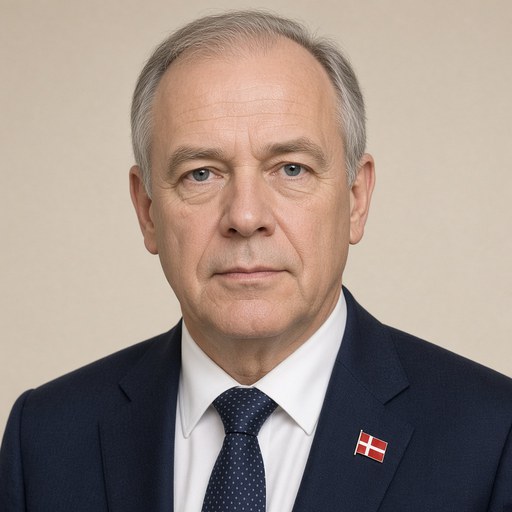
The special session of the UN General Assembly to follow up on the Social Summit in Geneva, June 26, 2000.
 Poul Nyrup Rasmussen · Prime Minister of Denmark
- Context
- Rasmussen addressed the UN General Assembly special session in Geneva on June 26, 2000, reviewing progress since the 1995 Copenhagen Social Summit.
- Main themes
- Poverty eradication, social development, accountability for 1995 Copenhagen commitments, good governance, global inequality, employment and social integration, Africa's development, arms spending vs. development aid, rule of law and democracy, international cooperation, sustainable economic growth
- Duration
- ~12 min
- Words
- 1,490
- Sentences
- 126
- Readability
- 50
- Grade
- 8.9
- Syntax
- 2.45
- Vocabulary
- 1.97
Translated from Danish
The broad sphere of national life a sentence belongs to. Every sentence has an Arena, so it is the denominator the other indices are read against.
Other126 sentences in 50 paragraphs
"We Can Do More"
Mr. President, Mr. Secretary-General, Excellencies, Ladies and Gentlemen,
Today we meet again five years after the UN Social Summit in Copenhagen. We gathered in 1995 to promote social development and social justice. To place human needs, rights, and hopes at the center of our decisions and collective actions. The main themes back then were poverty, employment, and social integration. We met for a summit of hope, commitment, and action. We met because we wanted to turn hope into action.
Denmark hosted the summit in 1995 because we were – and are – deeply committed to the fight against poverty and social injustice. Committed to the UN Charter and the UN's role in combating injustice.
We succeeded in Copenhagen. We committed ourselves to taking a giant step forward to eradicate poverty.
But did we really pave the way for a new and better future for the many? Did we live up to our commitments from 1995?
Today we take stock of the progress made. We have made some progress, but we must admit that it has been too little. We have not fulfilled our commitments – and certainly not at the agreed pace. It is a sad fact. We could have done better. Much better. Billions of poor, marginalized men, women, and children around the world rightly expect us to do better. They expect us to show global leadership. Social leadership.
* * *
During this week, we will hear many explanations for the slow progress: globalization, trade conditions, natural disasters, political instability, and the failure of international organizations.
And yes, it is true that we stand at the beginning of the 21st century facing enormous challenges. But these were challenges we could anticipate. We saw them coming five years ago. We have the means to meet and address them – if we are willing to commit.
Amid these challenges, we have the ultimate goal – to create a better and more peaceful, more positive everyday life for people around the world.
Did we ensure that this goal was not lost from sight? I am afraid the answer is no. I am afraid that we – as governments – did not achieve what we set out to do. We did not fully live up to our commitments, either individually or collectively.
Mr. President,
We – governments and peoples – have the responsibility to make the right choices. We must ensure a better future for this and for future generations. It is vital that all parties involved uphold their commitments from 1995. Vital that the necessary steps are taken to reverse the continued marginalization of large parts of the world's population. It is vital to eradicate poverty. It cannot be said often enough. It cannot be said loudly enough.
* * *
It is a fact that peace, stability, the rule of law, and social solidarity are fundamental conditions for sustainable economic growth and social development. Choices must be made. Difficult, painful choices.
If our promises to combat poverty were sincere, then we must ask ourselves the following:
Why are conflicts in Africa not resolved peacefully?
Why are scarce resources spent on military rather than on national development?
Why are countries in Asia engaging in arms races instead of joining the non-proliferation treaty and banning nuclear tests?
Why is macroeconomic stability in Latin America not aligned with combating the world's most unequal income distribution?
And why has the wealthy part of the world not yet lived up to their total commitments for development aid?
These are fundamental questions.
The answer lies in taking full account of the knowledge we possess, in democracy, the rule of law, freedom of expression, and good governance – all necessary prerequisites for sustainable social development. There is no contradiction between good governance and development. The difficult dilemmas lie in making the choices for the direction we want development to take. But it should be easy to choose good governance over bad.
I stated five years ago that true – and lasting – security is based on people's security. On social security. That is still true today.
Mr. President,
We need a new form of trust and accountability. And we need nuanced, realistic descriptions and information about what is happening around us. Let me point to Africa. 52 independent states – not all are at war! Not everywhere is the continent dominated by negative development. In most of Africa, we see a new form of trust and accountability emerging. We see great economic potential. While Africa continues to develop towards democracy and economic stability, the continent still calls for extraordinary and sustained intervention. Not just among Africans – but also in partnership with the international community.
The five Nordic prime ministers and the President of South Africa recently expressed their support for a comprehensive strategy for rapid economic growth and sustainable development on the African continent. This was affirmed in the Skagen Declaration of June 8, 2000.
A few weeks later in Feira, Portugal, the EU heads of state and government confirmed our commitments and cooperation with Africa, as also expressed at the EU-Africa Summit in Cairo on April 3-4, 2000.
* * *
We know that only the countries themselves can create sustainable development and social progress. But we also know that countries need assistance in their struggle for development. That assistance is a responsibility we, the wealthy part of the world, have to provide.
Mr. President,
In Copenhagen, we promised to do more. And we could have done so. Not least because the developed part of the world – over the last five years – has experienced unprecedented economic growth. Let me mention the impressive effect we have seen from the increased prosperity in parts of Asia.
We, in the wealthy part of the world, must take our share of the common global responsibility. We must take our share of the responsibility for the common visions we formulated in Copenhagen in 1995.
We must work for a favorable integration of developing countries into the global trading system. We must further ease the debt burden for poor countries. We must live up to our commitments to provide official development assistance. We must ensure health and education for all. And we must ensure that developing countries receive their share of information technology in order to avoid further widening the digital divide.
We do not want the world divided into an A or B team – into first and second division.
Mr. President,
I have spoken plainly. You may ask: What about Denmark? Yes, we have made our choices. We stand by our commitments for a fair international trading system. And we stand by our continued commitment to maintain our official development assistance at 1 percent of GDP. We have chosen social security, human security. But in my country – as in others – we can do better. We all need better global and regional cooperation.
Globalization presents us with enormous challenges and opportunities. Close international cooperation requires solidarity and a strong, functioning multilateral system – here the UN occupies a prominent place.
The fight for a safer – and better – world takes place amid a technological revolution of enormous dimensions. At the Social Summit, we declared that poverty on earth should be eradicated and that everyone could share in social development. That also now seems to be within reach.
One thing is certain: The global forces that lead to economic growth and higher living standards are not alone sufficient to create a harmonious world community.
Unless the global forces are controlled by the right authorities and directed for the benefit of all, their contribution to improving people's conditions will be limited to the few – to individuals, social classes, and countries.
Mr. President,
Five years ago, we made important promises to improve social progress and development – 'The Copenhagen Consensus'.
We have not fulfilled the goals we set. Fundamentally, it is a question of political will and determination. Of making consistent decisions based on knowledge and experiences. It is not easy to make the right choices. But we can make them together. Make a difference.
We are once again gathered under the wings of the UN. Let us at this follow-up summit recommit ourselves to the goals we set in Copenhagen. Let us intensify our efforts to implement the goals. Together we have the capacity. Let us show that we also have the will.
Around the world, the poor – women, men, and children – are waiting for us. We owe it to this and future generations to make a difference. We still have an obligation to show social leadership and direction.
It is vital that all parties involved uphold their commitments. That the necessary steps are taken to reverse the continued marginalization of large parts of the world's population and to eradicate poverty. We must commit to doing better at this follow-up summit.
Let words be followed by concrete action.
Thank you.
The original Danish. The tags above are read on the English translation's sentences.
’Vi kan gøre mere’
Hr. Præsident, Hr. Generalsekretær, Excellencer, Damer og Herrer
I dag mødes vi igen 5 år efter FN’s Sociale Topmøde i København. Vi mødtes i 1995 for at fremme social udvikling og social retfærdighed. For at sætte de menneskelige behov, rettigheder og forhåbninger i centrum for vores beslutninger og fælles aktioner. Hovedemnerne dengang var fattigdom, beskæftigelse og social integration. Vi mødtes til et topmøde af håb, forpligtelse og handling. Vi mødtes, fordi vi ville gøre håb til handling.
Danmark var vært for topmødet i 1995 fordi vi var – og er – stærkt engageret i kampen mod fattigdom og social uretfærdighed. Engageret i FN charteret og FN’s rolle i at bekæmpe uretfærdighed.
Det lykkedes for os i København. Vi forpligtede os til at tage et kæmpe skridt fremad for at udrydde fattigdom.
Men banede vi virkelig vejen for en ny og bedre fremtid for de mange? Levede vi op til vores forpligtigelser fra 1995?
I dag gør vi status over de opnåede fremskridt. Vi
har
gjort nogle fremskridt, men vi bliver nødt til at indrømme, at de har været for få. Vi har ikke indfriet vores forpligtelser - og bestemt ikke i det aftalte tempo. Det er et trist faktum. Vi kunne have gjort det bedre. Meget bedre. Milliarder af fattige, udstødte mænd, kvinder og børn verden over forventer, med god ret, at vi kan gøre det bedre. De forventer, at vi viser globalt lederskab. Socialt lederskab.
* * *
I løbet af denne uge vil vi høre mange forklaringer på det langsomme fremskridt: Globaliseringen, handelsbetingelser, naturkatastrofer, politisk ustabilitet, og de internationale organisationers manglende succes.
Og ja, det er sandt, at vi her ved begyndelsen af det 21. århundrede står overfor enorme udfordringer. Men det var udfordringer, som vi kunne forvente. Vi så dem komme for 5 år siden. Vi har forudsætningerne for at møde og håndtere dem – hvis vi er villige til at forpligte os.
Midt i disse udfordringer har vi det ultimative mål – at skabe en bedre og mere fredelig, mere positiv hverdag for mennesker verden over.
Sikrede vi os, at dette mål ikke blev tabt af syne? Jeg er bange for at svaret er nej. Jeg er bange for at vi – som regeringer – ikke opnåede, hvad vi satte os for. Vi levede ikke fuldt op til vores forpligtelser, hverken individuelt eller kollektivt.
Hr. Præsident,
Vi - regeringer og befolkninger – har ansvaret for at træffe de rette valg. Vi må sikre en bedre fremtid for denne og for fremtidige generationer. Det er vitalt, at alle involverede parter står ved deres forpligtelser fra 1995. Vitalt, at de nødvendige skridt bliver taget for at vende den fortsatte marginalisering af store dele af verdens befolkning. Det er vitalt at udrydde fattigdom. Det kan ikke siges ofte nok. Det kan ikke siges højt nok.
* * *
Det er et faktum, at fred, stabilitet, 'rule of law' og social solidaritet er fundamentale betingelser for bæredygtig økonomisk vækst og social udvikling. Valg skal træffes. Svære, smertefulde valg.
Hvis vore løfter om at bekæmpe fattigdom var oprigtige, så er vi nødt til at spørge os selv om følgende:
Hvorfor løses konflikter i Afrika ikke på en fredelig måde?
Hvorfor anvendes knappe ressourcer på militær og ikke på national udvikling?
Hvorfor igangsætter lande i Asien våbenkapløb i stedet for at tilslutte sig traktaten om ikke-spredning samt forbud mod atomprøvesprængninger?
Hvorfor forenes makroøkonomisk stabilitet i Latinamerika ikke med bekæmpelse af verdens mest ulige indkomstfordeling?
Og hvorfor har den rige del af verden endnu ikke levet op til deres totale forpligtelser for udviklingsbistand?
Det er fundamentale spørgsmål.
Svaret ligger i at tage den fulde konsekvens af den viden vi besidder, i demokrati, 'rule of law', i ytringsfrihed og god regeringsførelse - alle nødvendige forudsætninger for bæredygtig social udvikling. Der er ingen modsætning mellem god regeringsførelse og udvikling. De svære dilemmaer ligger i at træffe valgene for den retning, man ønsker udviklingen skal gå. Men det burde være et let at vælge god regeringsførelse fremfor dårlig.
Jeg fastslog for 5 år siden, at den ægte - og varige – tryghed, er baseret på menneskers tryghed. På social tryghed. Det er stadig sandt i dag.
Hr. Præsident,
Vi har brug for en ny form for tillid og ansvarlighed. Og vi har brug for nuancerede, realistiske beskrivelser og informationer om, hvad der sker omkring os. Lad mig pege på Afrika. 52 uafhængige stater - ikke alle er i krig! Ikke alle vegne er kontinentet domineret af negativ udvikling. I størstedelen af Afrika ser vi den nye form for tillid og ansvarlighed spire frem. Vi ser et stort økonomisk potentiale. Om end Afrika fortsat udvikles mod demokrati og økonomisk stabilitet, kalder kontinentet fortsat på ekstraordinær og vedvarende intervention. Ikke blot blandt afrikanere - men også i partnerskab med det internationale samfund.
De 5 nordiske statsministre og Sydafrikas præsident udtalte for nylig deres støtte til en omfattende strategi for hurtig økonomisk vækst og bæredygtig udvikling på det afrikanske kontinent. Dette blev fastslået i Skagen Deklarationen af 8. juni 2000.
Nogle få uger senere i Feira, Portugal, bekræftede EU’s stats- og regeringschefer vores forpligtelser og samarbejde med Afrika, som det også blev udtrykt ved EU-Afrika Topmødet i Cairo den 3. – 4. april 2000
* * *
Vi ved, at det kun er landene selv, der kan skabe bæredygtig udvikling og social fremgang. Men vi ved også, at landene har brug for bistand i deres kamp for udvikling. Den bistand har vi, den rige del af verden, en forpligtelse til at yde.
Hr. Præsident,
I København lovede vi at gøre mere. Og det kunne vi også have gjort. Ikke mindst fordi den udviklede del af verden - i løbet af de sidste 5 år - har oplevet en økonomisk fremgang uden fortilfælde. Lad mig nævne den imponerende effekt, vi har set af den øgede velstand i dele af Asien.
Vi, i den rige del af verden, er nødt til at tage vores del af det fælles globale ansvar. Vi bliver nødt til at tage vores del af ansvaret for de fælles visioner, som vi formulerede i København i 1995.
Vi må arbejde for en gunstig integration af udviklingslandene i verdenshandelssystemet. Vi må lette gældsbyrden yderligere for de fattige lande. Vi må leve op til vores forpligtelser om at yde officiel udviklingsbistand. Vi må sikre sundhed og uddannelse for alle. Og vi bliver nødt til at sikre, at udviklingslandene får deres andel af informationsteknologien med henblik på at undgå en yderligere udvidelse af den digitale kløft.
Vi ønsker ikke verden delt op i et A eller B hold - i første og anden division.
Hr. Præsident,
Jeg har brugt klar tale. I spørger måske: Hvad med Danmark? Ja, vi har truffet vores valg. Vi står ved vores forpligtelser for et retfærdigt internationalt handelssystem. Og vi står ved vores fortsatte forpligtelse til at opretholde vores officielle udviklingsbistand på 1 procent af BNP. Vi har valgt social tryghed, menneskelig tryghed. Men i mit land – som i andre lande - kan vi gøre det bedre. Vi har alle brug for bedre globalt og regionalt samarbejde.
Globaliseringen stiller os overfor enorme udfordringer og muligheder. Et tæt internationalt samarbejde kræver solidaritet og et stærkt velfungerende, multilateralt system – her indtager FN en prominent plads.
Kampen for en mere sikker – og bedre – verden, finder sted midt i en teknologisk revolution af enorme dimensioner. På Det Sociale Topmøde erklærede vi, at fattigdom på jorden skulle udryddes og at alle kunne få del i social udvikling. Det synes også nu at være indenfor rækkevidde.
En ting er sikker: De globale kræfter, som leder til økonomisk vækst og højere levestandard, er ikke alene tilstrækkelige til at skabe et harmonisk verdenssamfund.
Med mindre de globale kræfter kontrolleres af de rette myndigheder og målrettes til gavn for alle, så vil deres bidrag til forbedring af menneskers vilkår være begrænsede til de få – til enkeltindivider, socialklasser og lande.
Hr. Præsident,
For 5 år siden gav vi vigtige løfter om at forbedre sociale fremskridt og udvikling – 'The Copenhagen Consensus'.
Vi har ikke indfriet de mål, som vi satte os. Fundamentalt set er det et spørgsmål om politisk vilje og beslutsomhed. Om at træffe konsekvente beslutninger baseret på viden og erfaringer. Det er ikke let at træffe de rette valg. Men vi kan træffe dem i fællesskab. Gøre en forskel.
Vi er på ny samlet under FN’s vinger. Lad os på dette opfølgende topmøde genforpligte os til de mål, vi opstillede i København. Lad os intensivere vores anstrengelser for at implementere målene. I fællesskab har vi kapaciteten. Lad os vise, at vi også har viljen.
Verden over venter de fattige – kvinder, mænd og børn – på os. Vi skylder denne og kommende generationer at gøre en forskel. Vi har fortsat en forpligtelse til at vise socialt lederskab og retning.
Det er vitalt, at alle involverede parter står ved deres forpligtelser. At de nødvendige skridt bliver taget for at vende den forsatte marginalisering af store dele af verdens befolkning og for at udrydde fattigdom. Vi skal forpligte os til at gøre det bedre på dette opfølgningstopmøde.
Lad ord blive fulgt af konkret handling.
Tak.