




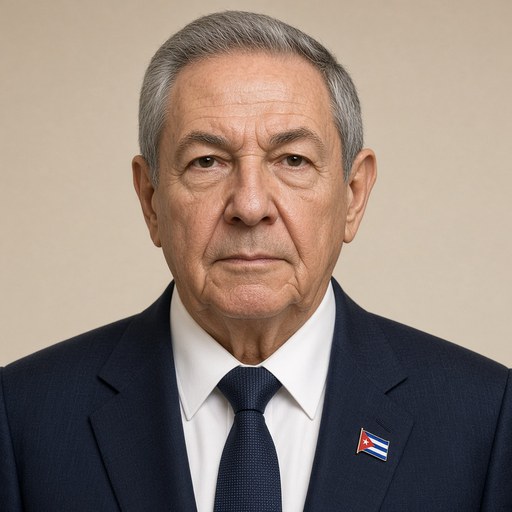
Central Report to the VI Congress of the Communist Party of Cuba, at the Palace of Conventions, 16
 Raúl Castro · President of Cuba
- Context
- Castro delivered the central report to the VI Congress of the Communist Party of Cuba on April 16, 2011, coinciding with the 50th anniversary of Cuba's socialist proclamation.
- Main themes
- Economic and social policy guidelines, Cuban Communist Party congress, socialist revolution anniversary, national unity and consensus, economic model reform, Playa Girón victory commemoration, popular debate and democratic participation, party leadership and governance, Cuban sovereignty and independence, generational continuity of revolution
- Duration
- ~79 min
- Words
- 9,507
- Sentences
- 246
- Readability
- 21
- Grade
- 19.7
- Syntax
- 3.64
- Vocabulary
- 2.35
Translated from Spanish
The broad sphere of national life a sentence belongs to. Every sentence has an Arena, so it is the denominator the other indices are read against.
Other246 sentences in 167 paragraphs
We begin this afternoon the sessions of the VI Congress of the Communist Party of Cuba on a momentous date in our history, the 50th anniversary of the proclamation of the socialist character of the Revolution by its Commander in Chief, Fidel Castro Ruz, on April 16, 1961, when he bid farewell to those who fell in the bombings of the air bases the day before, as a prelude to the mercenary invasion at Playa Girón, organized and financed by the government of the United States, which was part of its plans to destroy the Revolution and restore, with the concert of the Organization of American States (OAS), dominance over Cuba.
Fidel then told the armed and fervent people: "That is what they cannot forgive us [...] that we made a socialist Revolution right under the noses of the United States [...] Comrades workers and peasants, this is the socialist and democratic Revolution of the humble, with the humble and for the humble. And for this Revolution of the humble, by the humble and for the humble, we are willing to give our lives." End of quote.
The response to that call was immediate, and in the confrontation against the aggression several hours later, the fighters of the Rebel Army, police, and militiamen shed, for the first time, their blood in defense of socialism and achieved victory in less than 72 hours, under the leadership of Comrade Fidel himself.
The Military Review that we witnessed this morning, dedicated to the young generations and particularly the vibrant march of the people that followed, is an eloquent proof of the forces that the Revolution has to continue the example of the heroic fighters of Playa Girón.
In the same way, we will do so on the occasion of International Workers' Day, next May 1, throughout the country, to demonstrate the unity of Cubans in defense of their independence and national sovereignty, concepts that history has proven can only be conquered with socialism.
This Congress, as the supreme body of the party organization, as established in Article 20 of its Statutes, which today brings together a thousand delegates representing nearly 800,000 members grouped in more than 61,000 nuclei, practically began on November 9 of last year, when the Project of Guidelines for the Economic and Social Policy of the Party and the Revolution was presented, a matter that, as has already been indicated, constitutes the main theme of the event, in which great expectations of the people are vested.
Since then, numerous seminars have been held to clarify and deepen the content of the Guidelines and thus adequately prepare the cadres and officials, who in turn would lead the discussion process with the membership, mass organizations, and the population in general.
For three months, from December 1, 2010, to February 28 of this year, the debate took place, in which 8,913,838 people participated in more than 163,000 meetings held within the different organizations, recording a figure of over three million interventions. It should be clarified that among the participants are included, without having been precisely defined, tens of thousands of members of the Party and the UJC, who attended both the meetings of their nuclei or base committees and those held in workplaces or study centers and also in the communities where they reside. This is also the case for those who do not belong to the Party and participated in their work collectives and later in their respective neighborhoods.
The National Assembly of People's Power itself dedicated almost two full days in its last ordinary session, last December, to analyze among the deputies the project of Guidelines.
This process demonstrated the Party's capacity to conduct a serious and transparent dialogue with the population on any issue, no matter how sensitive it may be, especially when it comes to forging a national consensus about the features that should characterize the Economic and Social Model of the country.
At the same time, the results of the debate, based on the data collected, constitute a formidable working instrument for the leadership of the Government and the Party at all levels, as well as a kind of popular referendum regarding the depth, scope, and pace of the changes we must introduce.
In a true and broad democratic exercise, the people freely expressed their opinions, clarified doubts, proposed modifications, expressed their dissatisfaction and disagreements, and also suggested addressing the solution of other problems not contained in the document.
Once again, the trust and majority unity of Cubans around the Party and the Revolution were put to the test, a unity that does not deny differences of opinion but is strengthened and consolidated by them. All proposals, without any exclusion, were incorporated into the analysis, which allowed enriching the project that is submitted for the consideration of the delegates to the Congress.
It would not be unfounded to express that, in essence, the Congress has already been held amid that magnificent debate with the population. For the delegates, what remains in these sessions is to conduct the final discussion of the project and the election of the higher party leadership bodies.
The Economic Policy Commission of the VI Congress of the Party, initially responsible for the preparation of the project of Guidelines, was later tasked with organizing the process of its debate and worked in the following five main directions:
1. The reformulation of the Guidelines taking into account the opinions collected.
2. Organization, orientation, and control of its implementation.
3. The meticulous preparation of the cadres and other participants for the implementation of some of the measures already in execution at this time.
4. Systematic supervision of the agencies and entities responsible for putting into practice the decisions derived from the Guidelines and evaluation of their results.
5. Conducting the dissemination to the population.
In compliance with the above, the project of Guidelines was reformulated, which was submitted for analysis on March 19 and 20, in separate sessions of the Political Bureau and the Executive Committee of the Council of Ministers, with the participation of the Secretariat of the Central Committee of the Party, the central cadres of the Central Workers' Union of Cuba (CTC), and other mass organizations and the Union of Young Communists (UJC), resulting in its approval in that instance, also as a project, which was distributed to you for your examination during three days within each of the provincial delegations to the Congress, with the active participation of the guests and which will be debated in the five commissions of this party event for its approval.
Next, I will provide some data to illustrate to the people the results of the discussion of the Guidelines, although detailed information will be published later.
The original document contained 291 guidelines, of which 16 were integrated into others, 94 maintained their wording, 181 had their content modified, and 36 new ones were incorporated, resulting in a total of 311 in the current project.
These numbers, in simple arithmetic, confirm the quality of the consultation, where, to a greater or lesser extent, just over two-thirds of the guidelines, exactly 68%, were reformulated.
This process was governed by the principle of not making the validity of a proposal dependent on the number of opinions expressed. Evidence of this is that several of the guidelines were modified or eliminated based on the proposal of a single person or a small number of them.
It is also necessary to explain that some pronouncements are not reflected at this stage, either because it is necessary to delve deeper into the subject, as the required conditions are not available, or in other cases, because they contradict the essence of socialism, such as, for example, 45 proposals that advocated allowing the concentration of property.
I want to express with this that, although there was generally understanding and support for the content of the guidelines, there was no unanimity, far from it, and that was precisely what we needed if we truly intended a democratic and serious consultation with the people.
For the above reasons, we can confidently qualify the guidelines as the expression of the will of the people contained in the policy of the Party, the Government, and the State, to update the Economic and Social Model with the aim of ensuring the continuity and irreversibility of socialism, as well as the economic development of the country and the improvement of the standard of living, combined with the necessary formation of ethical and political values of our citizens.
As expected, in the discussion of the Guidelines, the largest number of proposals concentrated in Chapter SIX "Social Policy" and Chapter TWO "Macroeconomic Policies," together accounting for 50.9% of the total. They were followed, in descending order, by Chapter ELEVEN "Policies for Construction, Housing, and Hydraulic Resources," Chapter TEN "Transport Policy," and Chapter ONE "Economic Management Model." In these five chapters, out of a total of 12, 75% of the opinions are grouped.
On the other hand, in 33 guidelines, 11% of the total, 67% of the proposals were clustered, with the guidelines: 162, which addresses the elimination of the rationing booklet, 61 and 62 on price policy, 262 regarding passenger transportation, 133 concerning education, 54 related to monetary unification, and 143 associated with the quality of health services, which motivated the largest number of proposals.
The rationing booklet and its elimination was, without a doubt, the issue that provoked the most interventions from participants in the debate, and it is logical that it would be so; two generations of Cubans have spent their lives under this rationing system which, despite its harmful egalitarian nature, provided all citizens access to basic food at ridiculous prices, highly subsidized, for decades.
This distribution instrument, although introduced in the 1960s with an egalitarian vocation in times of scarcity, to protect our people from speculation and hoarding for profit by a few, has become, over the years, an unbearable burden for the economy and a disincentive to work, in addition to generating various illegalities in society.
As the rationing booklet is designed to cover more than 11 million Cubans equally, there are absurd examples such as the fact that the rationed coffee is supplied even to newborns. The same happened with cigarettes until September 2010, which were supplied without distinguishing between smokers and non-smokers, encouraging the growth of this harmful habit in the population.
In this sensitive issue, the range of opinions is very broad, from those who suggest eliminating it immediately to those who vehemently oppose its elimination and propose regulating everything, including industrial goods. Others believe that to combat hoarding and ensure access for all to basic food, the rationed quota should, in a first stage, be maintained, although prices should no longer be subsidized. Many recommend depriving those who do not study or work of the rationing booklet, or advise that citizens with higher incomes voluntarily forgo this system.
Certainly, the regulated family basket, justified in specific historical circumstances, having been maintained for so long, contradicts in its essence the principle of distribution that should characterize socialism, that is, "From each according to their ability, to each according to their work," and this situation must be overcome.
In this regard, I consider it appropriate to recall what Comrade Fidel stated in the Central Report to the First Congress of the Party on December 17, 1975, I quote: "In the management of our economy, we have undoubtedly suffered from errors of idealism and at times we have disregarded the reality that there are objective economic laws to which we must adhere." End of quote.
The problem we face is not one of concept; it lies in how, when, and with what gradualness we will do it. The elimination of the rationing booklet does not constitute an end in itself, nor can it be seen as an isolated decision, but rather as one of the main measures that will be essential to apply to eradicate the deep distortions existing in the functioning of the economy and society as a whole.
No one in their right mind in the leadership of this country could think of suddenly decreeing the elimination of that system without first creating the conditions for it, which translates into carrying out other transformations of the Economic Model in order to increase the efficiency and productivity of labor, so that stable levels of production and supply of basic products and services can be guaranteed at non-subsidized prices and at the same time accessible to all citizens.
This issue, logically, is closely related to prices and monetary unification, wages, and the phenomenon of the "inverted pyramid," which, as clarified in Parliament on December 18, expressed itself in the lack of correspondence between salary remuneration and the hierarchy and importance of the work performed, problems that were reflected in a high proportion in the proposals made.
In Cuba, under socialism, there will never be space for "shock therapies" against the most needy, who are traditionally the ones that support the Revolution most firmly, unlike the packages of measures that are frequently employed by mandate of the International Monetary Fund and other international economic organizations to the detriment of the peoples of the Third World and even, in recent times, in the more developed nations, where popular and student demonstrations are violently repressed.
The Revolution will not leave any Cuban unprotected, and the social care system is being reorganized to ensure differentiated and rational support for those who truly need it. Instead of massively subsidizing products, as we do now, we will gradually shift to supporting individuals without other means of support.
This principle remains fully valid in the ongoing reorganization of the labor force, aimed at reducing inflated staffing in the state sector, under strict observance of demonstrated suitability, a process that will continue moving forward, without haste but without pause, and its pace will be determined by our capacity to create the necessary conditions for its full deployment.
Among other factors, the expansion and flexibility of work in the non-state sector must contribute to this. This form of employment, which has been embraced by just over 200,000 Cubans from October of last year to date, doubling the number of self-employed workers, constitutes a labor alternative supported by current legislation and therefore must have the support, backing, and protection of the authorities at all levels, while also demanding, with the rigor that the law requires, strict compliance with their obligations, including tax obligations.
The increase of the non-state sector of the economy, far from signifying a supposed privatization of social property, as some theorists claim, is destined to become a facilitating factor for the construction of socialism in Cuba, as it will allow the State to concentrate on raising the efficiency of the fundamental means of production, owned by all the people, and to detach itself from the administration of non-strategic activities for the country.
This, on the other hand, will favor the State's continued assurance of equal and free access to health and education services for the entire population, adequately protecting them through social security and assistance systems, promoting physical culture and sports in all its manifestations, and defending the identity and preservation of the cultural heritage and the artistic, scientific, and historical wealth of the nation.
The Socialist State will then have greater possibilities of realizing the Martian thought that presides over our Constitution: "I want the first law of our Republic to be the worship of Cubans to the full dignity of man."
It is the State's responsibility to defend national sovereignty and independence, values that make Cubans proud, and to continue guaranteeing public order and citizen security that distinguish Cuba as one of the safest and most peaceful countries in the world, without drug trafficking or organized crime, without begging children or adults, without child labor, without cavalry charges against workers, students, or other sectors of the population, without extrajudicial executions, clandestine prisons, or torture, despite the campaigns that are constantly orchestrated against us without any evidence, intentionally ignoring that all these realities are, first and foremost, fundamental human rights, which the majority of the planet's inhabitants cannot even aspire to.
Now, to guarantee all these conquests of socialism without regressing in their quality and scope, social programs must be characterized by greater rationality, so that with lower expenses, superior and sustainable results are obtained in the future, and that they also maintain an adequate correlation with the general economic situation of the nation.
As noted in the Guidelines, these ideas are not at odds with the importance we attach to the precise separation of the roles that state bodies and enterprises should play in the economy, a matter that has been plagued by confusion and improvisation for decades and that we are obliged to resolve in the medium term within the framework of the perfection and strengthening of institutionalism.
A full understanding of these concepts will allow us to advance solidly and without setbacks in the gradual decentralization of powers, from the Central Government to local administrations and from ministries and other national entities in favor of the growing autonomy of the socialist state enterprise.
The excessively centralized model that currently characterizes our economy must transition, in an orderly and disciplined manner and with the participation of workers, towards a decentralized system, in which planning will prevail as a socialist feature of direction, but will not ignore the trends present in the market, which will contribute to the flexibility and permanent updating of the plan.
Practical experience has taught us that excessive centralization conspires against the development of initiative in society and throughout the production chain, where managers became accustomed to having everything decided "from above" and consequently ceased to feel responsible for the results of the organization they directed.
Our entrepreneurs, with few exceptions, became accustomed to the tranquility and security of "waiting" and developed an aversion to the risks involved in making decisions, or in other words: getting it right or getting it wrong.
This inertia mentality must be definitively eradicated to untie the knots that hinder the development of productive forces. It is a task of strategic importance, and it is no coincidence that it is reflected, in one way or another, in the 24 guidelines of Chapter ONE, "Economic Management Model."
In this matter, we cannot accept improvisations or hastiness. To decentralize and change the mentality, it is a mandatory requirement to develop the regulatory framework that clearly defines the powers and functions of each link, from the nation to the base, invariably accompanied by accounting, financial, and administrative control procedures.
We are already making progress in this direction. For almost two years, studies have been initiated to perfect the functioning, as well as the structure and composition of the governing bodies at different levels of direction, resulting in the enactment of the Council of Ministers Regulation, the reorganization of the work system with state and government managers, the introduction of planning procedures for the main activities, the establishment of organizational bases to have an effective and timely government information system, with its infocommunications infrastructure, and the creation, on an experimental basis, under a new functional and structural conception, of the provinces of Mayabeque and Artemisa.
To begin decentralizing powers, the notable role that the contract must play in the economy must be reclaimed by state and business managers, as expressed in guideline number 10. This will also help restore discipline and order in collections and payments, a subject with unsatisfactory grades in a good part of our economy.
As a no less important byproduct, the proper use of the contract as a regulatory tool for the interrelations between different economic actors will become an effective antidote against the widespread habit of "meetingism," or in other words, the excess of meetings, check-ups, and other collective activities, frequently presided over by a higher level and with the unproductive attendance of numerous participants, to enforce what the two parties of a contract have signed as duties and rights and that, due to lack of demand, have never claimed their compliance before the instances that the contractual document itself established.
In this regard, it is worth highlighting the 19 opinions, in 9 provinces, that called for the need to reduce the number of meetings and their duration to the essential. I will return to this topic later when I address the functioning of the Party.
We are convinced that the task ahead of us in this and other matters related to the updating of the Economic Model is full of complexities and interrelations that touch, to a greater or lesser extent, all facets of society as a whole, and therefore we know that it is not a matter to be resolved in a day, not even in a year, and that it will require at least five years to deploy its implementation with the required harmony and comprehensiveness, and when this is achieved, it is necessary to never stop and to work on its permanent improvement to be in a position to overcome the new challenges that development will dictate to us.
It could be said, by way of analogy, that every so often, as the scenario changes, the country must tailor a suit to its measure.
We do not delude ourselves into thinking that the Guidelines and the measures for the implementation of the Economic Model, by themselves, will constitute the universal remedy for all our ills. It will also be necessary to elevate to higher planes political sensitivity, common sense, intolerance for violations, and discipline from everyone, first and foremost from the leadership cadres.
The above has been clearly evidenced in the deficiencies presented in the implementation, in recent months, of some specific measures, not complex or of great magnitude, due to bureaucratic obstacles and the lack of foresight of local government bodies, manifested in the expansion of self-employment.
It is not idle to reiterate that our cadres must get used to working with the guiding documents issued by the authorized bodies and abandon the irresponsible vice of shelving them. Life has taught us that it is not enough to promulgate a good legal norm, regardless of whether it is a law or a simple resolution. It is also necessary to prepare those responsible for executing them, supervise them, and verify their practical mastery of what is established. Remember that there is no worse law than one that is not complied with or enforced.
The Party's school system at the provincial and national level, in parallel with the necessary reorientation of its own programs, will play a leading role in the continuous training and retraining in these matters of party, administrative, and business cadres with the collaboration of specialized institutions in the education sector and the valuable contribution of members of the National Association of Economists and Accountants, as has been demonstrated during the debate on the Guidelines.
At the same time, in order to appropriately prioritize the introduction of the required changes, the Political Bureau agreed to propose to the Congress the establishment of a Permanent Government Commission for Implementation and Development, subordinate to the President of the Councils of State and Ministers, which, without detracting from the functions that correspond to the respective Central State Administration Bodies, will be responsible for controlling, verifying, and coordinating the actions of all those involved in this activity, as well as proposing the incorporation of new guidelines, which will be essential in the future.
In this sense, we have considered it appropriate to recall the guidance that Comrade Fidel included in his Central Report to the First Congress of the Party, almost 36 years ago, regarding the Economic Management System that we then proposed to implement and that, due to our lack of systematicity, control, and demand, failed, I quote: "That the leaders of the Party and especially those of the State make its implementation their own and a matter of honor, become aware of its vital importance and the need to fight with all their effort to apply it consistently, always under the direction of the National Commission created for that purpose [...], and concluded: "[...] widely disseminate the system, its principles and mechanisms through literature accessible to the masses, so that it is a matter that workers master. The success of the system will depend decisively on the mastery of it that workers have." End of quote.
I will not tire of repeating that in this Revolution everything has been said, and the best proof of this is the ideas of Fidel that the newspaper Granma, the Official Organ of the Party, has been publishing over the past few years.
What we approve in this Congress cannot suffer the same fate as the agreements of previous ones, almost all forgotten without being fulfilled. What we agree upon in this and future occasions must constitute a guide for the conduct and action of the militants and leaders of the Party, and to guarantee its materialization, it must be ratified in the legal instruments that the National Assembly of People's Power, the Council of State, or the Government correspondingly dictate, according to their legislative powers, in accordance with the Constitution.
It is healthy to clarify, to avoid misinterpretations, that the agreements of the congresses and other party direction bodies do not become laws by themselves, but are political and moral guidelines, which the Government, which is the one that administers, is responsible for regulating their application.
For this reason, the Permanent Commission for Implementation and Development will include a Legal Subgroup composed of highly qualified specialists, which will coordinate with the corresponding bodies, in strict adherence to institutionalism, the modifications required in the legal framework to accompany the updating of the Economic and Social Model, simplifying and harmonizing the content of hundreds of ministerial resolutions, government agreements, decree-laws, and laws, and consequently propose, in due time, the introduction of the relevant adjustments in the Constitution of the Republic itself.
Without waiting to have everything elaborated, the legal regulations associated with the buying and selling of homes and automobiles, the modification of Decree-Law 259 to expand the limits of idle land to be granted in usufruct to those agricultural producers with outstanding results, as well as the granting of credits to self-employed workers and the population in general, are already in advanced stages.
Likewise, we consider it appropriate to propose to the Congress that the future Central Committee include, as the first item, in all its plenary sessions, which must be held no less than twice a year, a report on the status of the implementation of the agreements adopted at this event regarding the updating of the Economic Model and as a second item, the analysis of compliance with the economic plan, whether for the first semester or the year in question.
We will also recommend to the National Assembly of People's Power to employ a similar approach in its ordinary sessions, with the purpose of enhancing the inherent protagonism of its condition as the supreme organ of state power.
Starting from the deep conviction that nothing we do is perfect and that what may seem perfect today will not be tomorrow in the face of new circumstances, the higher bodies of the Party and State and Government must maintain systematic and close vigilance over this process and be able to timely introduce the appropriate adjustments to correct negative effects.
It is about, comrades, being alert, keeping our feet and ears on the ground, and when a practical problem arises, in any sphere or place, the cadres at different levels act promptly and intentionally and not leave the solution to time, for from our own experience we know that the only thing that happens is that it complicates even more.
In the same way, we must cultivate and preserve the incessant interrelation with the masses, stripped of all formalism, to effectively feed back from their concerns and dissatisfactions and for them to indicate the pace of the changes that need to be introduced.
Attention to recent misunderstandings associated with the reorganization of some basic services demonstrates that when the Party and the Government, each fulfilling its role, with different methods and styles, act quickly and harmoniously addressing the concerns of the population and reason with them clearly and simply, support for the measure is achieved and the trust of the people in their leaders is fostered.
In the pursuit of this endeavor, the Cuban press, in its different formats, is called to play a decisive role with the clarification and objective, constant, and critical dissemination of the progress of the updating of the Economic Model, so that with clever and concrete articles and works, in a language accessible to all, a culture on these issues is fostered in the country.
In this regard, it is also necessary to definitively leave behind the habit of triumphalism, stridency, and formalism when addressing national reality and generate written materials and television and radio programs that, due to their content and style, capture attention and stimulate debate in public opinion, which implies raising the professionalism and knowledge of our journalists; although it is true that, despite the agreements adopted by the Party on the information policy, most of the time they do not have timely access to information or frequent contact with the cadres and specialists responsible for the issues in question. The sum of these factors explains the dissemination, on not a few occasions, of boring, improvised, and superficial materials.
No less important will be the contribution that our mass media must promote in favor of national culture and the recovery of civic values in society.
Moving on to another vital issue, which is closely related to the updating of the Economic and Social Model of the country and should help its realization; we propose to hold a National Conference of the Party, to reach conclusions regarding the modifications of its methods and style of work, with the aim of concretizing in its actions, for today and always, the content of Article 5 of the Constitution of the Republic, which establishes that the party organization is the organized vanguard of the Cuban nation and the superior leading force of society and the State.
Initially, we had conceived to convene this Conference for December 2011; however, taking into account the complications inherent in the last month of the year and the convenience of having a prudent reserve of time to clarify details, we project to hold that event at the end of January 2012.
On December 18, I already explained before the Parliament that due to the deficiencies presented by the administrative bodies of the Government in fulfilling their functions, the Party for years became involved in tasks that do not correspond to it, limiting and compromising its role.
We are convinced that the only thing that can make the Revolution and socialism in Cuba fail, putting the future of the nation at risk, is our inability to overcome the mistakes we have made over more than 50 years and the new ones we might incur.
The first thing we must do to correct a mistake is to consciously recognize it in all its dimensions, and the real fact is that, despite the fact that from the early years of the Revolution Fidel clearly differentiated the roles of the Party and the State, we were not consistent in complying with his instructions and let ourselves be carried away by urgencies and improvisation.
What better example than what was expressed by the leader of the Revolution on as early a date as March 26, 1962, in an appearance before the radio and television to explain to the people the methods and functioning of the Integrated Revolutionary Organizations (ORI), which preceded the Party, when he said:
“[...] the Party directs, directs through the whole Party and directs through public administration. A functionary must have authority. A minister must have authority, an administrator must have authority, discuss everything that is necessary with the Technical Advisory Council (today the Management Council), discuss with the working masses, discuss with the nucleus, but the administrator decides, because the responsibility is his [...]”. End of quote. That guidance was given 49 years ago.
There are very well-defined concepts that essentially retain full validity to achieve success in this direction, regardless of the time that has passed since Lenin formulated them, almost 100 years ago, which must be taken up again, according to the characteristics and experience of our country.
In 1973, in the context of the preparatory process for the First Congress, it was defined that the Party directs and controls through its own means and methods that differ from the means, methods, and resources that the State has to exercise its authority. The directives, resolutions, and provisions of the Party do not have directly binding legal character for all citizens, and must be complied with only by its members in good faith, for it does not have any apparatus of force and coercion for that purpose. This is an important difference between the role and methods of the Party and the State.
The power of the Party rests fundamentally on its moral authority, on the influence it exerts over the masses, and on the trust that the people place in it. The action of the Party is based, above all, on the conviction that emanates from its acts and the justice of its political line.
The power of the State derives from its material authority, which consists of the force of the institutions responsible for demanding that everyone comply with the legal norms it issues.
The damage caused by the confusion in these concepts is expressed, first of all, in the weakening of the political work that the Party must carry out, and secondly, in the deterioration of the authority of the State and the Government, as officials cease to feel responsible for their decisions.
It is about, comrades, stripping the Party forever of all activities not inherent to its character as a political organization, in short, freeing ourselves from administrative functions and dedicating ourselves to what is our responsibility.
Closely linked to these erroneous conceptions are the deficiencies in the Party's Cadre policy, which will also be the subject of analysis by the aforementioned National Conference. Not a few bitter lessons have been left to us by the mistakes suffered in this area due to the lack of rigor and vision that opened gaps for the accelerated promotion of inexperienced and immature cadres through simulation and opportunism, attitudes also fueled by the erroneous concept that to hold a leadership position, it was a tacit requirement to be a member of the Party or the Communist Youth.
This practice must be resolutely abandoned, and except for the responsibilities inherent to political organizations, membership should not mean a binding condition for holding any leadership position in the Government or the State, but rather the preparation to exercise them and the willingness to recognize the Party's policy and Program as their own.
Leaders do not emerge from schools or from favoritism; they are made at the grassroots level, performing the profession they studied, in contact with the workers, and must gradually rise through the leadership that only comes from being an example in sacrifice and results.
In this sense, I believe that the leadership of the Party, at all levels, must engage in a severe self-criticism and adopt the necessary measures to prevent the reappearance of such tendencies. This, in turn, applies to the insufficient systematicity and political will to ensure the promotion to decision-making positions of women, blacks, mestizos, and youth, based on merit and personal conditions.
Not having resolved this last problem in more than half a century is a true shame, which we will carry in our consciences for many years, because we simply have not been consistent with the countless orientations that from the first days of the revolutionary triumph and throughout the years were imparted to us by Comrade Fidel, because moreover, the solution to this disproportion was part of the agreements adopted by the momentous First Congress of the Party and the four that followed, and we did not ensure their compliance.
Issues like these, which define the future, should never again be guided by spontaneity, but by foresight and the firmest political intention to preserve and perfect socialism in Cuba.
Although we have not ceased to make several attempts to promote young people to key positions, life has shown that the selections were not always correct. Today we face the consequences of not having a properly prepared reserve of substitutes, with sufficient experience and maturity to assume the new and complex leadership tasks in the Party, the State, and the Government, a matter that we must gradually solve over the five-year period, without haste or improvisation, but starting as soon as the Congress concludes.
This will also contribute to the strengthening of the democratic spirit and the collective nature of the functioning of the leadership bodies of the Party and state and governmental power, while ensuring systematic rejuvenation throughout the chain of administrative and party positions, from the grassroots to the comrades who hold the main responsibilities, without excluding the current President of the Councils of State and Ministers or the First Secretary of the Central Committee who is elected in this Congress.
In this regard, we have come to the conclusion that it is advisable to limit, to a maximum of two consecutive five-year terms, the performance of fundamental political and state positions. This is possible and necessary under the current circumstances, which are very different from those of the first decades of the Revolution, which was not yet consolidated and was moreover subjected to constant threats and aggressions.
The systematic reinforcement of our institutionalism will also be a condition and an essential guarantee that this policy of cadre renewal will never put the continuity of socialism in Cuba at risk.
In this sphere, we are starting with a first step, by substantially reducing the nomenclature of leadership positions, which corresponded to be approved by the municipal, provincial, and national instances of the Party, and delegating to ministerial and business leaders the powers for the appointment, replacement, and application of disciplinary measures to a large part of the subordinate chiefs, assisted by the respective cadre commissions, in which the Party is represented and gives its opinion, but which are presided over by the administrative leader, who is the one who decides. The opinion of the party organization is valuable, but the determining factor is the chief, as we must preserve and enhance their authority, in harmony with the Party.
Regarding internal life, a topic that we likewise refer to the analysis of the Conference, we believe that we must reflect on the counterproductive effects of old habits that have nothing to do with the vanguard role of the organization in society, among them the superficiality and formalism with which political-ideological work is carried out, the use of outdated methods and terms that do not take into account the level of education of the militants, the holding of excessively lengthy meetings often within the workday, which should be sacred, first and foremost for communists; with agendas often inflexible indicated by the superior body, without differentiating the scenario in which the life of the militants unfolds, the frequent calls to formal commemorative activities, with even more formal speeches, and the organization of voluntary work on rest days without real content or the necessary coordination, generating expenses and spreading discontent and apathy among our comrades.
These criteria are also applicable to emulation, a movement that over the years has lost its mobilizing essence of the working collectives, transforming into an alternative mechanism for the distribution of moral and material incentives, not always justified by concrete results and which on many occasions generated fraud in the information.
The Conference must also consider the Party's relations with the Union of Young Communists and mass organizations to strip them of schematism and routines so that all can reclaim their reason for being, appropriate to current conditions.
In summary, comrades, the National Conference will focus on enhancing the role of the Party as the highest exponent of the defense of the interests of the Cuban people.
To achieve this goal, it is essential to change the mentality, to set aside formalism and fanfare in ideas and actions, or in other words, to banish the immobility based on dogmas and empty slogans to reach the deeper essences of things, as brilliantly demonstrated in the play "Abracadabra" by the children of the "La Colmenita" company.
Only in this way can the Communist Party of Cuba be in a position to be, for all times, the worthy heir of the authority and unlimited trust of the people in the Revolution and in its only Commander in Chief, Comrade Fidel Castro Ruz, whose moral contribution and undisputed leadership do not depend on any position and who, from his condition as a soldier of ideas, has not ceased to fight and contribute, with his enlightening reflections and other actions, to the revolutionary cause and to the defense of Humanity against the dangers that threaten it.
Regarding the international situation, we will dedicate a few minutes to assess the existing conjuncture on the planet.
The exit from the global economic crisis that affects all nations is not in sight due to its systemic nature. The remedies applied by the powerful have been aimed at protecting the institutions and practices that gave rise to it and offloading the terrible weight of the consequences onto workers in their own territories and particularly in underdeveloped countries. The spiral of food and oil prices is pushing hundreds of millions of people into extreme poverty.
The effects of climate change are already devastating, and the lack of political will from industrialized nations prevents the adoption of urgent and essential actions to prevent catastrophe.
We live in a tumultuous world where natural disasters such as the earthquakes in Haiti, Chile, and Japan occur, while the United States wages wars of conquest in Iraq and Afghanistan, which have cost more than a million civilian lives.
Popular movements in Arab countries are rebelling against corrupt and oppressive governments, allies of the United States and the European Union. The unfortunate conflict in Libya, a nation subjected to a brutal military intervention by NATO, has once again served as a pretext for that organization to exceed its original defensive limits and expand global threats and military actions in defense of geostrategic interests and access to oil. Imperialism and internal reactionary forces conspire to destabilize other countries, while Israel oppresses and massacres the Palestinian people with total impunity.
The United States and NATO include in their doctrines aggressive interventionism against Third World countries to plunder their resources, impose a double standard on the United Nations, and increasingly concertedly use powerful media consortia to conceal or distort facts, as suits the centers of global power, in a hypocritical farce intended to deceive public opinion.
In the midst of its complex economic situation, our country maintains cooperation with 101 nations of the Third World. In Haiti, Cuban medical personnel, after 12 years of intense work saving lives, have faced since January 2010, alongside collaborators from other countries, the aftermath of the earthquake and the subsequent cholera epidemic with admirable dedication.
To the Bolivarian Revolution and to Comrade Hugo Chávez Frías, we express our most resolute solidarity and commitment, aware of the importance of the process that the brotherly Venezuelan people are experiencing for Our America, in the Bicentennial of their independence.
We also share the aspirations of transformative movements in several Latin American countries, led by prestigious leaders who represent the interests of the oppressed majorities.
We will continue contributing to the integration processes of the Bolivarian Alliance for the Peoples of Our America (ALBA), the Union of South American Nations (UNASUR), and the Community of Latin American and Caribbean States (CELAC), which is preparing to celebrate its initial summit in Caracas in July of this year, the most significant institutional event in our hemisphere in the last century, as for the first time we are grouping together all the countries south of the Rio Grande by ourselves.
We are encouraged by this Latin America and the Caribbean, increasingly united and independent, whose solidarity we appreciate.
We will continue advocating for International Law and support the principle of sovereign equality of states and the right to self-determination of peoples. We reject the use of force, aggression, wars of conquest, the plundering of natural resources, and the exploitation of man.
We condemn terrorism in all its forms, particularly state terrorism. We will defend peace and development for all peoples and will fight for the future of Humanity.
The U.S. government has not changed its traditional policy aimed at discrediting and overthrowing the Revolution; on the contrary, it has continued funding projects to directly promote subversion, provoke destabilization, and interfere in our internal affairs. The current administration has decided on some positive measures, but they are extremely limited.
The economic, commercial, and financial blockade of the United States against Cuba persists and even intensifies under the current presidency, particularly in banking transactions, ignoring the almost unanimous condemnation of the international community that has increasingly called for its elimination for 19 consecutive years.
Although apparently, as evidenced in the recent visit to the Palacio de La Moneda in Santiago, the U.S. rulers do not like to refer to history when dealing with the present and the future; it is necessary to emphasize that the blockade against Cuba is not a matter of the past, which is why we feel obliged to recall the content of a secret memorandum, declassified in 1991, from the Deputy Assistant Secretary of State for Inter-American Affairs, Lester D. Mallory, on April 6, 1960, I quote: "The majority of Cubans support Castro [...] There is no effective political opposition [...] The only possible means to make him lose internal support [for the government] is to provoke disillusionment and discouragement through economic dissatisfaction and hardship [...] All possible means must be quickly implemented to weaken the economic life [...] by denying Cuba money and supplies in order to reduce nominal and real wages, with the aim of provoking hunger, desperation, and the overthrow of the government." End of quote.
Note the date of the memorandum, April 6, 1960, almost exactly one year before the invasion at Playa Girón.
The memorandum in question did not arise from the initiative of that official, but was framed within the policy of overthrowing the Revolution, just like the "Covert Action Program against the Castro regime," approved by President Eisenhower on March 17, 1960, 20 days before the cited memorandum, using all available means, from creating a unified opposition, psychological warfare, clandestine intelligence actions, and the preparation in third countries of paramilitary forces capable of invading the island.
The United States stimulated terrorism in the cities, and that same year, before Playa Girón, fostered the creation of armed counter-revolutionary bands, supplied by air and sea, that committed looting and murders of peasants, workers, and young literacy teachers until their definitive annihilation in 1965.
Cubans will never forget the 3,478 dead and 2,099 incapacitated who have been victims of the state terrorism policy.
Half a century of deprivation and suffering has passed for our people, who have known how to resist and defend their Revolution and who are not willing to surrender or tarnish the memory of the fallen, in the last 150 years, since the beginning of our struggles for independence.
The U.S. government has not ceased to shelter or protect notorious terrorists while prolonging the suffering and unjust imprisonment of the Five heroic Cuban anti-terrorist fighters.
Its policy towards Cuba has no credibility or moral support. To try to justify it, incredible pretexts are put forward that, as they become obsolete, change according to the convenience of Washington.
The U.S. government should have no doubt that the Cuban Revolution will emerge strengthened from this Congress. If they wish to continue clinging to their policy of hostility, blockade, and subversion, we are prepared to continue confronting it.
We reiterate our willingness to dialogue and will take on the challenge of maintaining a normal relationship with the United States, in which we can coexist in a civilized manner with our differences, based on mutual respect and non-interference in internal affairs.
At the same time, we will permanently maintain priority on defense, following the instructions of Comrade Fidel, in his Central Report to the First Congress when he stated, I quote: "As long as imperialism exists, the Party, the State, and the people will give maximum attention to defense services. The revolutionary guard will never be neglected. History teaches too eloquently that those who forget this principle do not survive the error."
In the current and foreseeable scenario, the strategic conception of the "War of All the People" remains fully valid, which is constantly enriched and perfected. Its command and direction system has been strengthened, increasing the capacities to react to the different exceptional situations foreseen.
The defensive scope of the country has acquired a superior dimension, both qualitatively and quantitatively. Based on the available resources, the technical and maintenance state, as well as the conservation of the armament, has been elevated, and efforts have continued in production and especially in the modernization of military technology, taking into account its prohibitive prices in the world market. In this sphere, it is fair to recognize the contribution of dozens of civil and military institutions that have demonstrated the enormous scientific, technological, and productive potential that the Revolution has created.
The degree of preparation of the national territory, as a theater of military operations, has significantly increased, the fundamental armament is protected as well as a significant part of the troops, the directing bodies, and the population.
The communication infrastructure has been established to ensure the stable functioning of command at different levels. Material reserves of all kinds have been increased, with greater scaling and protection.
The Revolutionary Armed Forces, or in other words, the uniformed people, must continue their ongoing improvement and preserve before society the authority and prestige earned through their discipline and order in the defense of the people and socialism.
We will now address another matter of current relevance, no less significant.
The Party must be convinced that beyond material and even cultural requirements, there exists in our people a diversity of concepts and ideas about their own spiritual needs.
There are many thoughts on this theme from the National Hero José Martí, a man who synthesized that conjunction of spirituality and revolutionary feeling.
On this subject, Fidel expressed himself early, in 1954 from prison, evoking the martyr of Moncada, Renato Guitart, I quote: "Physical life is ephemeral, it passes inexorably, as have the lives of so many generations of men, as each of us will soon pass. That truth should teach all human beings that above them are the immortal values of the spirit. What sense does that have without these? What is then to live? How can those who, understanding it this way, generously sacrifice it for the good and justice, die!"
These values have always been present in his thought, and he reiterated this in 1971 when meeting with a group of Catholic priests in Santiago de Chile: I quote: "I tell you that there are ten thousand times more coincidences between Christianity and communism than there can be with capitalism."
He would return to this idea when addressing members of Christian churches in Jamaica in 1977, when he said: "We must work together so that when the political idea triumphs, the religious idea is not set apart, does not appear as an enemy of change. There are no contradictions between the purposes of religion and the purposes of socialism." End of quote.
The unity between doctrine and revolutionary thought in relation to faith and believers has its roots in the very foundations of the nation, which, affirming its secular character, advocated as an inalienable principle the union of spirituality with the Homeland that was bequeathed to us by Father Félix Varela and the pedagogical statements of José de la Luz y Caballero, who was categorical in stating: "I would rather, I do not say that the institutions of men - kings and emperors - collapse, the very stars of the firmament, than to see the feeling of justice fall from the human breast, that sun of the moral world."
In 1991, the IV Congress of the Party agreed to modify the interpretation of the statutes that limited the admission to the organization of revolutionary believers.
The justice of this decision was confirmed by the role played by leaders and representatives of various religious institutions in the different facets of national activity, including the struggle for the return of the child Elián to the Homeland, in which the Council of Churches of Cuba particularly stood out.
However, it is necessary to continue eliminating any prejudice that prevents uniting in virtue and in the defense of our Revolution all Cubans, believers or not, who are part of Christian churches, including the Catholic, Russian and Greek Orthodox, evangelical and Protestant; as well as the Cuban religions of African origin, spiritualist communities, Jewish, Islamic, Buddhist, and fraternal associations, among others. For each of them, the Revolution has had gestures of appreciation and concord.
The unforgettable Cintio Vitier, that extraordinary poet and writer, who was a deputy in our National Assembly, with the strength of the pen and his Martí, Christian, and profoundly revolutionary ethics, left us warnings for the present and posterity that we must remember.
Cintio wrote: "What is in danger, we know, is the nation itself. The nation is already inseparable from the Revolution that has constituted it since October 10, 1868, and it has no other alternative: it is either independent or it ceases to be at all."
"If the Revolution were defeated, we would fall into the historical void that the enemy desires and prepares for us, which even the most elemental of the people senses as an abyss."
Cintio continues: "Defeat can be reached, we know, through the intervention of the blockade, internal wear, and the temptations imposed by the new hegemonic situation in the world."
After stating that: "we are in the most difficult moment of our history," he concluded: "forced to fight against the madness of the world to which it fatally belongs, always threatened by the aftermath of dark secular blemishes, relentlessly harassed by the most powerful nation on the planet, also a victim of imported or indigenous clumsiness that has never been committed with impunity in history, our small island contracts and expands, systole and diastole, like a flash of hope for itself and for all." End of quote.
We must refer to the recently concluded process of releasing counter-revolutionary prisoners, those who in difficult and distressing times for the Homeland have conspired against it in the service of a foreign power.
By sovereign decision of our Government, they were released, without having fully served their sentences. We were able to do so directly and take the certain merit that we decided this considering the strength of the Revolution; however, we carried it out within the framework of a dialogue of mutual respect, loyalty, and transparency with the high hierarchy of the Catholic Church, which contributed with its humanitarian work to ensure that this action concluded in harmony, and whose laurels, in any case, belong to that religious institution.
The representatives of this Church expressed their views, not always coinciding with ours, but constructive nonetheless. That is at least our appreciation, after long conversations with Cardinal Jaime Ortega and the President of the Episcopal Conference, Monsignor Dionisio García.
With this action, we have favored the consolidation of the most precious legacy of our history and the revolutionary process: the unity of the nation.
We must also remember the contribution of the former Minister of Foreign Affairs and Cooperation of Spain, Miguel Ángel Moratinos, who facilitated the humanitarian work of the Church, so that those who expressed that desire or accepted the idea could travel abroad with their families. Others decided to remain in Cuba.
We have patiently endured the relentless campaigns of discredit regarding human rights, concerted from the United States and several countries of the European Union, which demand nothing less than unconditional surrender and the immediate dismantling of our socialist regime and encourage, direct, and assist internal mercenaries to defy the law.
In this regard, it is necessary to clarify that what we will never do is deny the people the right to defend their Revolution, since the defense of independence, of the conquests of socialism, and of our squares and streets will continue to be the first duty of all Cuban patriots.
Intense days and years of enormous responsibility await us to preserve and develop, on firm and sustainable bases, the socialist and independent future of the Homeland.
Thus concludes the Central Report to the VI Congress.
Thank you very much.
The original Spanish. The tags above are read on the English translation's sentences.
Iniciamos esta tarde las sesiones del VI Congreso del Partido Comunista de Cuba en una fecha trascendental de nuestra historia, el 50 aniversario de la proclamación del carácter socialista de la Revolución por parte de su Comandante en Jefe, Fidel Castro Ruz, el 16 de abril de 1961 al despedir a los caídos en los bombardeos a las bases aéreas el día anterior, como preludio de la invasión mercenaria por Playa Girón, organizada y financiada por el gobierno de Estados Unidos, que formaba parte de sus planes para destruir la Revolución y restablecer, con el concierto de la Organización de Estados Americanos (OEA), el dominio sobre Cuba.
Fidel decía entonces al pueblo armado y enardecido: Eso es lo que no pueden perdonarnos [...] que hayamos hecho una Revolución socialista en las propias narices de Estados Unidos [...] Compañeros obreros y campesinos, esta es la Revolución socialista y democrática de los humildes, con los humildes y para los humildes. Y por esta Revolución de los humildes, por los humildes y para los humildes, estamos dispuestos a dar la vida. Fin de la cita.
La respuesta a ese llamado no se hizo esperar y en el enfrentamiento a la agresión varias horas después, los combatientes del Ejército Rebelde, policías y milicianos derramaron, por vez primera, su sangre en defensa del socialismo y alcanzaron la victoria antes de 72 horas, bajo la conducción del propio compañero Fidel.
La Revista Militar que presenciamos en la mañana de hoy, dedicada a las jóvenes generaciones y particularmente la vibrante marcha del pueblo a continuación, son una prueba elocuente de las fuerzas de que dispone la Revolución para seguir el ejemplo de los heroicos combatientes de Playa Girón.
De la misma forma haremos en ocasión del Día Internacional de los Trabajadores, el próximo primero de mayo, a lo largo y ancho del país, para patentizar la unidad de los cubanos en defensa de su independencia y soberanía nacional, conceptos que la historia ha probado que sólo es posible conquistar con el socialismo.
Este Congreso, como órgano supremo de la organización partidista, según se establece en el artículo 20 de sus Estatutos, que reúne hoy a mil delegados en representación de cerca de 800 mil militantes agrupados en más de 61 mil núcleos, en la práctica comenzó el 9 de noviembre del pasado año, cuando fue presentado el Proyecto de Lineamientos de la Política Económica y Social del Partido y la Revolución, cuestión que, como ya se ha indicado, constituye el tema principal del evento, en el cual están cifradas grandes expectativas del pueblo.
A partir de entonces se celebraron numerosos seminarios que sirvieron al propósito de esclarecer y profundizar en el contenido de los Lineamientos y de ese modo preparar adecuadamente a los cuadros y funcionarios, que a su vez encabezarían el proceso de discusión con la militancia, las organizaciones de masas y la población en general.
Durante tres meses, del primero de diciembre del 2010 al 28 de febrero del presente año, se desarrolló el debate, en el cual participaron 8 millones 913 mil 838 personas en más de 163 mil reuniones efectuadas en el seno de las diferentes organizaciones, registrándose una cifra superior a tres millones de intervenciones. Cabe aclarar que en el conjunto de participantes se incluyen, sin haber se definido con exactitud, decenas de miles de militantes del Partido y la UJC, que asistieron tanto a las reuniones de sus núcleos o comités de base como a las celebradas en los centros de trabajo o estudio y además en las comunidades donde residen. Es también el caso de quienes no militan y participaron en sus colectivos de trabajo y posteriormente en los respectivos barrios.
La propia Asamblea Nacional del Poder Popular dedicó casi dos jornadas completas en su última sesión ordinaria, el pasado diciembre, a analizar entre los diputados el proyecto de Lineamientos.
Este proceso puso de manifiesto la capacidad del Partido para conducir un diálogo serio y transparente con la población sobre
cualquier asunto, por sensible que éste fuera, máxime cuando se trata de ir forjando un consenso nacional acerca de los rasgos que deberán caracterizar al Modelo Económico y Social del país.
Al propio tiempo, los resultados del debate, por los datos recopilados, constituyen un formidable instrumento de trabajo, para la dirección del Gobierno y el Partido a todos los niveles, así como una suerte de referéndum popular respecto a la profundidad, alcance y ritmo de los cambios que debemos introducir.
En un verdadero y amplio ejercicio democrático, el pueblo manifestó libremente sus opiniones, esclareció dudas, propuso modificaciones, expresó sus insatisfacciones y discrepancias y también sugirió abordar la solución de otros problemas no contenidos en el documento.
Una vez más se pusieron a prueba la confianza y unidad mayoritaria de los cubanos en torno al Partido y la Revolución, unidad que no niega diferencias de opiniones, sino que se fortalece y consolida con ellas. Todos los planteamientos, sin exclusión alguna, fueron incorporados al análisis, lo que permitió enriquecer el proyecto que se somete a la consideración de los delegados al Congreso.
No sería infundado expresar que, en su esencia, el Congreso ya se celebró en medio de ese magnífico debate con la población. A los delegados nos quedaría en estas sesiones realizar la discusión final del proyecto y la elección de los órganos superiores de dirección partidista.
La Comisión de Política Económica del VI Congreso del Partido, encargada primero de la elaboración del proyecto de Lineamientos, fue responsabilizada después con la organización del proceso de su debate y trabajó en las cinco direcciones principales siguientes:
1. La reformulación de los Lineamientos teniendo en cuenta las opiniones recogidas.
2. Organización, orientación y control de su instrumentación.
3. La preparación minuciosa de los cuadros y otros participantes para la implementación de algunas de las medidas ya en ejecución en estos momentos.
4. Supervisión sistemática a los organismos y entidades encargados de poner en práctica las decisiones derivadas de los Lineamientos y evaluación de sus resultados.
5. Conducción de la divulgación a la población.
En cumplimiento de lo anterior, se reformuló el proyecto de Lineamientos, el cual fue sometido a análisis, los días 19 y 20 de marzo, en sendas sesiones del Buró Político y el Comité Ejecutivo del Consejo de Ministros, con la participación del Secretariado del Comité Central del Partido, los cuadros centro de la Central de Trabajadores de Cuba (CTC) y demás organizaciones de masas y de la Unión de Jóvenes Comunistas (UJC), resultando aprobado en esa instancia, también en calidad de proyecto, que se distribuyó a ustedes para su examen durante tres días en el seno de cada una de las delegaciones provinciales al Congreso, con la intervención activa de los invitados y que será debatido en las cinco comisiones de este evento partidista para su aprobación.
A continuación brindaré algunos datos para ilustrar al pueblo sobre los resultados de la discusión de los Lineamientos, aunque posteriormente se publicará una información detallada.
El documento original contenía 291 lineamientos, de los cuales 16 fueron integrados en otros, 94 mantuvieron su redacción, en 181 se modificó su contenido y se incorporaron 36 nuevos, resultando un total de 311 en el actual proyecto.
Estos números, en simple aritmética, constatan la calidad de la consulta, donde en mayor o menor medida, algo más de dos tercios de los lineamientos, exactamente el 68%, fueron reformulados.
Este proceso se rigió por el principio de no hacer depender la validez de una propuesta de la cantidad de opiniones vertidas. Muestra de ello es que varios de los lineamientos fueron modificados o suprimidos, partiendo del planteamiento de una sola persona o un número reducido de ellas.
Asimismo, es necesario explicar que algunos pronunciamientos no se ven reflejados en esta etapa, ya sea porque se requiere profundizar en la temática, al no disponerse de las condiciones requeridas o en otros casos, por entrar en abierta contradicción con la esencia del socialismo, como por ejemplo, 45 proposiciones que abogaron por permitir la concentración de la propiedad.
Quiero con esto exponer que, aunque como tendencia existió en general comprensión y apoyo al contenido de los lineamientos, no hubo unanimidad ni mucho menos y eso era precisamente lo que necesitábamos, si de verdad pretendíamos una consulta democrática y seria con el pueblo.
Por lo anterior, podemos calificar con total seguridad a los lineamientos como la expresión de la voluntad del pueblo contenida en la política del Partido, el Gobierno y el Estado, de actualizar el Modelo Económico y Social con el objetivo de garantizar la continuidad e irreversibilidad del socialismo, así como el desarrollo económico del país y la elevación del nivel de vida, conjugados con la necesaria formación de valores éticos y políticos de nuestros ciudadanos.
Como era de esperar, en la discusión de los Lineamientos, la mayor cantidad de proposiciones se concentró en el capítulo SEXTO Política Social y el capítulo SEGUNDO Políticas macroeconómicas, sumando ambos el 50.9% del total. Les siguieron, en orden descendente, los capítulos ONCENO Políticas para las Construcciones, Viviendas y Recursos Hidráulicos, el DÉCIMO Política para el Transporte y el capítulo PRIMERO Modelo de Gestión Económica. En estos cinco capítulos, del total de 12, se agrupa el 75% de las opiniones.
Por otra parte, en 33 lineamientos, el 11% del total, se aglutinó el 67% de las propuestas, siendo los lineamientos: 162, que trata la eliminación de la libreta de abastecimientos, el 61 y 62 sobre la política de precios, el 262 acerca de la transportación de pasajeros, el 133 referente a la educación, el 54 relativo a la unificación monetaria y el 143 asociado a la calidad de los servicios de salud, los que motivaron una mayor cantidad de proposiciones.
La libreta de abastecimientos y su eliminación fue, sin dudas, el asunto que provocó más intervenciones de los participantes en el debate y es lógico que así fuese; dos generaciones de cubanos han pasado su vida bajo este sistema de racionamiento que, a pesar de su nocivo carácter igualitarista, brindó durante décadas a todos los ciudadanos el acceso a alimentos básicos a precios irrisorios, altamente subsidiados.
Este instrumento de distribución, si bien fue introducido en los años 60 con una vocación igualitaria en momentos de escasez, para proteger a nuestro pueblo de la especulación y el acaparamiento con fines de lucro por parte de unos pocos, se ha venido convirtiendo, con el decursar de los años, en una carga insoportable para la economía y en un desestímulo al trabajo, además de generar ilegalidades diversas en la sociedad.
Como la libreta está diseñada para cubrir a los más de 11 millones de cubanos por igual, no faltan ejemplos absurdos como que el café normado se abastece hasta a los recién nacidos. Lo mismo pasaba con los cigarros hasta septiembre del 2010 que se surtía sin distinguir a fumadores y no fumadores, propiciando el crecimiento de este dañino hábito en la población.
En este sensible tema el abanico de opiniones es muy amplio, desde quienes sugieren suprimirla de inmediato hasta aquellos que se oponen enfáticamente a su eliminación y proponen normarlo todo, incluyendo los artículos industriales. Otros opinan que para combatir el acaparamiento y garantizar el acceso de todos a los alimentos básicos, debería, en una primera etapa, mantenerse la cuota normada, aunque los precios dejen de subsidiarse. No pocos recomiendan privar de la libreta a los que no estudien o trabajen, o aconsejan que los ciudadanos con mayor ingreso voluntariamente prescindan de este sistema.
Ciertamente la canasta familiar normada, justificada en circunstancias históricas concretas, al haberse mantenido durante tanto tiempo, contradice en su esencia el principio de la distribución que debe caracterizar al socialismo, o sea, De cada cual según su capacidad, a cada cual según su trabajo y esta situación debe ser superada.
Al respecto, considero propicio recordar lo planteado por el compañero Fidel en el Informe Central al Primer Congreso del Partido el 17 de diciembre de 1975, cito : En la conducción de nuestra economía hemos adolecido indudablemente de errores de idealismo y en ocasiones hemos desconocido la realidad de que existen leyes económicas objetivas a las cuales debemos atenernos. Fin de la cita.
El problema que enfrentamos no es de concepto, radica en cómo, cuándo y con qué gradualidad lo haremos. La supresión de la libreta no constituye un fin en sí mismo, ni puede verse como una decisión aislada, sino como una de las principales medidas que será imprescindible aplicar para erradicar las profundas distorsiones existen tes en el funcionamiento de la economía y la sociedad en su conjunto.
A nadie en su sano juicio en la dirección de este país se le puede ocurrir decretar de golpe la eliminación de ese sistema, sin previamente crear las condiciones para ello, lo que se traduce en realizar otras transformaciones del Modelo Económico en aras de incrementar la eficiencia y la productividad del trabajo, de modo que se puedan garantizar con estabilidad niveles de producción y oferta de los productos y servicios básicos a precios no subsidiados y a la vez accesibles a todos los ciudadanos.
Este asunto, lógicamente, guarda estrecha relación con los precios y la unificación monetaria, los salarios y el fenómeno de la pirámide invertida, que como se aclaró en el Parlamento el pasado 18 de diciembre, se expresa en la no correspondencia de la retribución salarial con la jerarquía e importancia de la labor desempeñada, problemáticas que se reflejaron en alta proporción en los planteamientos realizados.
En Cuba, bajo el socialismo, jamás habrá espacio para las terapias de choque en contra de los más necesitados y que son, tradicionalmente, los que apoyan a la Revolución con mayor firmeza, a diferencia de los paquetes de medidas que se emplean con frecuencia por mandato del Fondo Monetario Internacional y otras organizaciones económicas internacionales en detrimento de los pueblos del Tercer Mundo e incluso, en los últimos tiempos, en las naciones más desarrolladas, donde se reprimen con violencia las manifestaciones populares y estudiantiles.
La Revolución no dejará a ningún cubano desamparado y el sistema de atención social se está reorganizando para asegurar el sostenimiento diferenciado y racional de aquellos que realmente lo requieran. En lugar de subsidiar masivamente productos, como hacemos ahora, se pasará progresivamente al apoyo de personas sin otro sostén.
Este principio conserva total vigencia en el reordenamiento de la fuerza laboral, ya en marcha, para reducir las plantillas infladas en el sector estatal, bajo estricta observancia de la idoneidad demostrada, proceso que continuará adelante, sin prisas, pero sin pausa y su ritmo estará determinado por nuestra capacidad de ir creando las condiciones requeridas para su total despliegue.
A ello deberá contribuir, entre otros factores, la ampliación y flexibilización del trabajo en el sector no estatal. Esta forma de empleo, a la que se han acogido algo más de 200 mil cubanos de octubre del pasado año a la fecha, duplicándose la cantidad de trabajadores por cuenta propia, constituye una alternativa laboral amparada en la legislación vigente y por tanto, debe contar con el apoyo, respaldo y protección de las autoridades, a todos los niveles, al tiempo que se exija, con el rigor que demanda la ley, el estricto cumplimiento de sus obligaciones, incluyendo las tributarias.
El incremento del sector no estatal de la economía, lejos de significar una supuesta privatización de la propiedad social, como afirman algunos teóricos, está llamado a convertirse en un factor facilitador para la construcción del socialismo en Cuba, ya que permitirá al Estado concentrarse en la elevación de la eficiencia de los medios fundamentales de producción, propiedad de todo el pueblo y desprenderse de la administración de actividades no estratégicas para el país.
Ello, por otra parte, favorecerá que el Estado continúe asegurando a toda la población por igual y de manera gratuita, los servicios de Salud y Educación, protegerlos de forma adecuada mediante los sistemas de Seguridad y Asistencia Social, promover la cultura física y el deporte en todas sus manifestaciones y defender la identidad y la conservación del patrimonio cultural y la riqueza artística, científica e histórica de la nación.
El Estado Socialista tendrá entonces mayores posibilidades de hacer realidad el pensamiento martiano que preside a nuestra Constitución: Yo quiero que la Ley primera de nuestra República sea el culto de los cubanos a la dignidad plena del hombre.
Corresponde al Estado defender la soberanía e independencia nacional, valores que enorgullecen a los cubanos y continuar garantizando el orden público y la seguridad ciudadana que distinguen a Cuba por ser uno de los países más seguros y tranquilos del mundo, sin narcotráfico ni crimen organizado, sin niños o adultos mendigos, sin trabajo infantil, sin cargas de caballería contra los trabajadores, estudiantes u otros sectores de la población, sin ejecuciones extrajudiciales, cárceles clandestinas ni torturas, a pesar de las campañas que sin prueba alguna constantemente se orquestan contra nosotros, ignorando con marcada intención que todas esas realidades son, en primer lugar, derechos humanos fundamentales, a los que ni siquiera se puede aspirar por la mayoría de los habitantes del planeta.
Ahora bien, para poder garantizar todas esas conquistas del socialismo sin retroceder en su calidad y alcance, los programas sociales deben caracterizarse por una mayor racionalidad, de manera que con gastos menores se obtengan resultados superiores y sostenibles en el futuro y que además guarden una adecuada correlación con la situación económica general de la nación.
Como se aprecia en los Lineamientos, estas ideas tampoco están reñidas con la importancia que otorgamos a la separación precisa del papel que corresponde jugar en la economía a los organismos estatales, por una parte, y a las empresas por la otra, asunto que por décadas se ha visto plagado de confusiones e improvisaciones y que estamos obligados a solucionar a mediano plazo en el marco del perfeccionamiento y fortalecimiento de la institucionalidad.
La comprensión plena de estos conceptos nos permitirá avanzar con solidez y sin retrocesos en la paulatina descentralización de facultades, desde el Gobierno Central hacia las administraciones locales y desde los minis terios y otras entidades nacionales en favor de la autono mía creciente de la empresa estatal socialista.
El modelo excesivamente centralizado que caracteriza actualmente nuestra economía deberá transitar, con orden y disciplina y con la participación de los trabajadores, hacia un sistema descentralizado, en el que primará la planificación, como rasgo socialista de dirección, pero no ignorará las tendencias presentes en el mercado, lo que contribuirá a la flexibilidad y permanente actualización del plan.
La experiencia práctica nos ha enseñado que el exceso de centralización conspira contra el desarrollo de la iniciativa en la sociedad y en toda la cadena productiva, donde los cuadros se acostumbraron a que todo se decidiera arriba y en consecuencia, dejaban de sentirse responsabilizados con los resultados de la organización que dirigían.
Nuestros empresarios, salvo excepciones, se acomodaron a la tranquilidad y seguridad de la espera y desarrollaron alergia por el riesgo que entraña la acción de adoptar decisiones, o lo que es lo mismo: acertar o equivocarse.
Esta mentalidad de la inercia debe ser desterrada de finitivamente para desatar los nudos que atenazan al desarrollo de las fuerzas productivas. Es una tarea de importancia estratégica y no es casual que esté recogida, de una u otra manera, en los 24 lineamientos del capítulo PRIMERO, Modelo de Gestión Económica.
En esta materia no podemos admitir improvisaciones o apresuramientos. Para descentralizar y cambiar la men talidad, es requisito obligado elaborar el marco regulatorio que defina con claridad las facultades y funciones de cada eslabón, desde la nación a la base, acompañadas invariablemente por los procedimientos de control contable, financiero y administrativo.
Ya se viene avanzando en esta dirección. Desde hace casi dos años se iniciaron los estudios para perfeccionar el funcionamiento, así como la estructura y composición de los órganos de Gobierno en los diferentes niveles de dirección, obteniéndose como resultado la puesta en vigor del Reglamento del Consejo de Ministros, la reorganización del sistema de trabajo con los cuadros del Estado y el Gobierno, la introducción de procedimientos de planificación de las actividades principales, el establecimiento de las bases organizativas para disponer de un sistema de información del Gobierno, efectivo y oportuno, con su infraestructura de infocomunicaciones y la creación, con carácter experimental, bajo una nueva concepción funcional y estructural, de las provincias Mayabeque y Artemisa.
Para comenzar a descentralizar facultades, deberá rescatarse por parte de los cuadros estatales y empresariales, el notorio papel que corresponde jugar al contrato en la economía, tal y como se expresa en el lineamiento número 10. Ello también contribuirá a restablecer la disciplina y el orden en los cobros y pagos, asignatura con calificaciones insatisfactorias en buena parte de nuestra economía.
Como subproducto no menos importante, el uso adecuado del contrato como herramienta reguladora de las interrelaciones entre los diferentes actores económicos, devendrá un efectivo antídoto contra el extendido hábito del reunionismo, o lo que es lo mismo, el exceso de re uniones, chequeos y otras actividades colectivas, frecuente mente presididas por un nivel superior y con la asistencia improductiva de numerosos participantes, para hacer cumplir lo que las dos partes de un contrato han firmado como deberes y derechos y que por falta de exigencia nunca han reclamado su cumplimiento ante las instancias que el propio documento contractual estableció.
Al respecto cabe destacar las 19 opiniones, en 9 provincias, que reclamaron la necesidad de disminuir a lo imprescindible el número de reuniones y su duración. Este tema lo retomaré más adelante, cuando aborde el funcionamiento del Partido.
Estamos convencidos de que la tarea que tenemos por delante en este y en los demás asuntos vinculados a la actualización del Modelo Económico, está llena de complejidades e interrelaciones que tocan, en mayor o menor medida, todas las facetas de la sociedad en su conjunto y por ello sabemos que no es una cuestión a resolver en un día, ni siquiera en un año y que demandará por lo menos un quinquenio desplegar su implementación con la armonía e integralidad requeridas y cuando esto se logre, es necesario no detenernos jamás y trabajar en su perfeccionamiento de manera permanente para estar en condiciones de superar los nuevos retos que el desarrollo nos vaya dictando.
Se podría afirmar, haciendo un símil, que cada cierto tiempo, en la medida que se modifique el escenario, el país debe confeccionarse un traje a su medida.
No nos hacemos ilusiones de que los Lineamientos y las medidas para la implementación del Modelo Económico, por sí solas constituirán el remedio universal para todos nuestros males. Se requerirá a la par elevar a planos superiores la sensibilidad política, el sentido común, la intransigencia ante las violaciones y la disciplina de todos, en primer lugar de los cuadros de dirección.
Lo anterior ha quedado evidenciado fehacientemente en las deficiencias presentadas en la instrumentación, en meses recientes, de algunas medidas puntuales, no complejas ni de gran envergadura, a causa de los obstáculos burocráticos y la falta de previsión de los órganos locales de gobierno, manifestados en la ampliación del trabajo por cuenta propia.
No es ocioso reiterar que nuestros cuadros tienen que habituarse a trabajar con los documentos rectores que emiten los órganos facultados y abandonar el irresponsable vicio de engavetarlos. La vida nos ha aleccionado que no basta con promulgar una buena norma jurídica, con independencia de que se trate de una ley o una sencilla resolución. Es preciso además, preparar a los encargados de ejecutarlas, supervisarlos y comprobar el dominio práctico de lo establecido. Recuérdese que no hay peor ley que aquella que no se cumple o no se hace cumplir.
El sistema de escuelas del Partido a nivel de provincia y nación, en paralelo a la obligada reorientación de sus propios programas, jugará un papel protagónico en la preparación y recalificación continua en estas materias de los cuadros partidistas, administrativos y empresariales con el concurso de las instituciones especializadas del sector de la educación y la valiosa contribución de los afiliados a la Asociación Nacional de Economistas y Contadores, tal y como ha quedado demostrado durante el debate de los Lineamientos.
Al propio tiempo, con el propósito de jerarquizar apropiadamente la introducción de los cambios requeridos, el Buró Político acordó proponer al Congreso la constitución de una Comisión Permanente del Gobierno para la Implementación y Desarrollo, subordinada al Presidente de los Consejos de Estado y de Ministros, la cual, sin menoscabo de las funciones que corresponden a los respectivos Organismos de la Administración Central del Estado, tendrá la responsabilidad de controlar, verificar y coordinar las acciones de todos los involucrados en esta actividad, así como proponer la incorporación de nuevos lineamientos, lo que será imprescindible en el futuro.
En este sentido hemos considerado conveniente recordar la orientación que el compañero Fidel incluyó en su Informe Central al Primer Congreso del Partido, hace ya casi 36 años, acerca del Sistema de Dirección de la Economía, que entonces nos proponíamos implantar y que por nuestra falta de sistematicidad, control y exigencia se malogró, cito: Que los dirigentes del Partido y sobre todo los del Estado hagan cosa propia y asunto de honor su implantación, tomen conciencia de su importancia vital y de la necesidad de luchar con todo su esfuerzo por aplicarlo consecuentemente, siempre bajo la dirección de la Comisión Nacional creada al efecto [...], y concluía: [...] divulgar ampliamente el sistema, sus principios y sus mecanismos a través de una literatura al alcance de las masas, para que sea un asunto que dominen los trabaja dores. El éxito del sistema dependerá en medida decisiva del dominio del mismo que tengan los trabajadores . Fin de la cita.
No me cansaré de repetir que en esta Revolución todo está dicho y la mejor muestra de ello son las ideas de Fidel que ha venido publicando el periódico Granma , Órgano Oficial del Partido, a lo largo de estos últimos años.
Lo que aprobemos en este Congreso no puede sufrir la misma suerte que los acuerdos de los anteriores, casi todos olvidados sin haberse cumplido. Lo que acordemos en esta y en futuras ocasiones debe constituir una guía para la conducta y la acción de los militantes y dirigentes del Partido y, para garantizar su materialización, refrendarse en los instrumentos jurídicos que corresponda dictar a la Asamblea Nacional del Poder Popular, el Consejo de Estado o el Gobierno, según sean sus facultades legislativas, de acuerdo con la Constitución.
Es saludable aclarar, para evitar interpretaciones erró neas, que los acuerdos de los congresos y de otros órga nos de dirección partidista no se convierten por sí mismos en leyes, sino que son orientaciones de carácter político y moral, que compete al Gobierno, que es quien administra, regular su aplicación.
Por esta razón, la Comisión Permanente de Implementación y Desarrollo incluirá un Subgrupo Jurídico compuesto por especialistas de alta calificación, el cual coordinará con los organismos correspondientes, en estricto apego a la institucionalidad, las modificaciones requeridas en el plano legal para acompañar la actualización del Modelo Económico y Social, simplificando y armonizando el contenido de cientos de resoluciones ministeriales, acuerdos del Gobierno, decretos-leyes y leyes y consecuentemente proponer, en su debido momento, la introducción de los ajustes pertinentes en la propia Constitución de la República.
Sin esperar a tenerlo todo elaborado, se encuentran en fase avanzada las normativas jurídicas asociadas a la compraventa de viviendas y de automóviles, la modificación del Decreto-Ley 259 para ampliar los límites de tierra ociosa a entregar en usufructo a aquellos productores agropecuarios con resultados destacados, así como el otorgamiento de créditos a los trabajadores por cuenta propia y a la población en general.
Igualmente, consideramos conveniente proponer al Congreso que el futuro Comité Central incluya, como primer punto, en todos sus plenos, que deberán celebrarse no menos de dos veces al año, un informe del estado de la implementación de los acuerdos adoptados en este evento acerca de la actualización del Modelo Económico y como segundo, el análisis sobre el cumplimiento del plan de la economía, ya sea del primer semestre o del año en cuestión.
Asimismo recomendaremos a la Asamblea Nacional del Poder Popular, emplear un proceder semejante en sus sesiones ordinarias, con el propósito de potenciar el protagonismo inherente a su condición de órgano supremo del poder del Estado.
Partiendo de la profunda convicción de que nada de lo que hacemos es perfecto y que lo que pareciera serlo hoy, no lo será mañana frente a nuevas circunstancias, los órganos superiores del Partido y del Poder Estatal y Gubernamental deben mantener una sistemática y estrecha vigilancia sobre este proceso y ser capaces de introducir oportunamente los ajustes apropiados para corregir efectos negativos.
Se trata, compañeras y compañeros, de estar alertas, poner los pies y los oídos sobre la tierra y cuando surja un problema práctico, en cualquier esfera o lugar, los cuadros en los distintos niveles actúen con prontitud e intencionalidad y no volvamos a dejarle al tiempo su solución, pues por experiencia propia conocemos, que lo único que sucede es que se complica todavía más.
Del mismo modo, debemos cultivar y preservar la interrelación incesante con las masas, despojada de todo formalismo, para retroalimentarnos eficazmente de sus preocupaciones e insatisfacciones y que sean precisamente ellas quienes indiquen el ritmo de los cambios que deban introducirse.
La atención a incomprensiones recientes, asociadas a la reorganización de algunos servicios básicos, demuestra que cuando el Partido y el Gobierno, cada uno cumpliendo su rol, con métodos y estilos distintos, actúan con rapidez y armonía atendiendo las preocupaciones de la población y le razonan a ésta con claridad y sencillez, se logra el respaldo a la medida y se fomenta la confianza del pueblo en sus dirigentes.
En la consecución de este empeño la prensa cubana, en sus diferentes formatos, está llamada a jugar un papel decisivo con el esclarecimiento y difusión objetiva, cons tante y crítica de la marcha de la actualización del Modelo Económico, de modo que con artículos y trabajos sagaces y concretos, en un lenguaje accesible para todos, se vaya fomentando en el país una cultura sobre estos temas.
En este frente se requiere también dejar atrás, definitivamente, el hábito del triunfalismo, la estridencia y el formalismo al abordar la actualidad nacional y generar materiales escritos y programas de televisión y radio, que por su contenido y estilo capturen la atención y estimulen el debate en la opinión pública, lo que supone elevar la profesionalidad y los conocimientos de nuestros periodistas; si bien es cierto que, a pesar de los acuerdos adoptados por el Partido sobre la política informativa, en la mayoría de las veces ellos no cuentan con el acceso oportuno a la información ni el contacto frecuente con los cuadros y especialistas responsabilizados de las temáticas en cuestión. La suma de estos factores explica la difusión, en no pocas ocasiones, de materiales aburridos, improvisados y superficiales.
No menos importante será el aporte que nuestros medios de difusión masiva deben propiciar a favor de la cultura nacional y de la recuperación de valores cívicos en la sociedad.
Pasando a otro asunto vital, que guarda una relación muy estrecha con la actualización del Modelo Económico y Social del país y que debe ayudar a su materialización; nos proponemos celebrar una Conferencia Nacional del Partido, para llegar a conclusiones respecto a las modificaciones de sus métodos y estilo de trabajo, con el objetivo de concretar en su actuar, para hoy y siempre, el contenido del artículo 5 de la Constitución de la Repúbli ca donde se establece que la organización partidista es la vanguardia organizada de la nación cubana y fuerza dirigente superior de la sociedad y del Estado.
Inicialmente habíamos concebido convocar esta Conferencia para diciembre de 2011, sin embargo, teniendo en cuenta las complicaciones propias del último mes del año y la conveniencia de contar con una prudente reserva de tiempo para puntualizar detalles, proyectamos realizar ese evento a finales de enero de 2012.
Ya el pasado 18 de diciembre expliqué ante el Parlamento, que debido a las deficiencias presentadas por los órganos administrativos del Gobierno en el cumplimiento de sus funciones, el Partido durante años se vio involucrado en tareas que no le corresponden, limitando y comprometiendo su papel.
Estamos convencidos de que lo único que puede hacer fracasar a la Revolución y el socialismo en Cuba, poniendo en riesgo el futuro de la nación, es nuestra incapacidad para superar los errores que hemos cometido durante más de 50 años y los nuevos en que pudiéramos incurrir.
Lo primero que debemos hacer para enmendar un error es reconocerlo conscientemente en toda su dimensión y el hecho real es que, a pesar de que desde los primeros años de la Revolución Fidel diferenció con claridad los papeles del Partido y el Estado, no fuimos consecuentes en el cumplimiento de sus instrucciones y nos dejamos llevar por las urgencias y la improvisación.
Qué mejor ejemplo que lo expresado por el líder de la Revolución en fecha tan temprana como el 26 de marzo de 1962, en comparecencia ante la radio y la televisión para explicar al pueblo los métodos y el funcionamiento de las Organizaciones Revolucionarias Integradas (ORI), que antecedieron al Partido, cuando dijo:
[...] el Partido dirige, dirige a través de todo el Partido y dirige a través de la administración pública. Un funcionario tiene que tener autoridad. Un ministro tiene que tener autoridad, un administrador tiene que tener autoridad, discutir todo lo que sea necesario con el Consejo Técnico Asesor (hoy Consejo de Dirección), discutir con las masas obreras, discutir con el núcleo, pero decide el administrador, porque la responsabilidad es suya [...]. Fin de la cita. Esa orientación se impartió hace 49 años.
Existen conceptos muy bien definidos y que en esen cia conservan plena validez para alcanzar el éxito en esta dirección, con independencia del tiempo transcurrido desde que Lenin los formulara, hace ya casi 100 años, los cuales deben ser nuevamente retomados, de acuerdo con las características y experiencia de nuestro país.
En 1973, en el marco del proceso preparatorio del Primer Congreso, quedó definido que el Partido dirige y controla a través de vías y métodos que le son propios y que se diferencian de las vías, métodos y recursos de que dispone el Estado para ejercer su autoridad. Las directivas, resoluciones y disposiciones del Partido no poseen directamente carácter jurídico obligatorio para todos los ciudadanos, debiendo ser cumplidas tan solo por sus militantes a conciencia, pues para ello no dispone de ningún aparato de fuerza y coerción. Esta es una diferencia importante del papel y los métodos del Partido y del Estado.
El poder del Partido descansa básicamente en su autoridad moral, en la influencia que ejerce sobre las masas y en la confianza que el pueblo deposita en él. La acción del Partido se fundamenta, ante todo, en el convencimiento que emana de sus actos y de la justeza de su línea política.
El poder del Estado parte de su autoridad material, que consiste en la fuerza de las instituciones encargadas de exigir a todos cumplir las normas jurídicas que emite.
El daño que provoca la confusión en estos conceptos, se expresa, en primer lugar, en el debilitamiento del trabajo político que debe realizar el Partido, y en segundo lugar, en el deterioro de la autoridad del Estado y el Go bierno, pues los funcionarios dejan de sentirse responsa bles de sus decisiones.
Se trata, compañeras y compañeros, de despojar para siempre al Partido de todas las actividades no propias de su carácter de organización política, en pocas palabras, liberarse de funciones administrativas y dedicarnos cada quien a lo que nos toca.
Muy vinculadas con estas concepciones erróneas es tán las deficiencias en la política de Cuadros del Partido, la cual también deberá ser objeto de análisis por la citada Conferencia Nacional. No pocas lecciones amargas nos han legado los desaciertos sufridos en este ámbito a cau sa de la falta de rigor y visión que abrieron brechas a la promoción acelerada de cuadros inexpertos e inmaduros a golpe de simulación y oportunismo, actitudes alimentadas también por el erróneo concepto de que para ocupar un cargo de dirección se exigía, como requisito tácito, militar en el Partido o la Juventud Comunista.
Esta práctica hay que abandonarla resueltamente y, salvo para las responsabilidades propias de las organizaciones políticas, la militancia no debe significar una condición vinculante al desempeño de puesto de dirección alguno en el Gobierno o el Estado, sino la preparación para ejercerlos y la disposición de reconocer como suyos la política y el Programa del Partido.
Los dirigentes no surgen de escuelas ni del amiguis mo favorecedor, se hacen en la base, desempeñando la profesión que estudiaron, en contacto con los trabaja dores y deben ascender gradualmente a fuerza del liderazgo que sólo otorga ser ejemplo en el sacrificio y los resultados.
En este sentido, considero que la dirección del Parti do, a todos los niveles, debe hacerse una severa autocrítica y adoptar las medidas necesarias para evitar la reaparición de tales tendencias. Ello, a su vez, es aplicable a la insuficiente sistematicidad y voluntad política para asegu rar la promoción a cargos decisorios de mujeres, negros, mestizos y jóvenes, sobre la base del mérito y las condiciones personales.
No haber resuelto este último problema en más de medio siglo es una verdadera vergüenza, que cargaremos en nuestras conciencias durante muchos años, porque sencillamente no hemos sido consecuentes con las incontables orientaciones que desde los primeros días del triunfo revolucionario y a lo largo de los años nos impartió el compañero Fidel, porque además la solución de esta desproporción formó parte de los acuerdos adoptados por el trascendental Primer Congreso del Partido y los cuatro que le sucedieron y no aseguramos su cumplimiento.
Asuntos como estos, que definen el futuro, jamás deberán volverse a guiar por la espontaneidad, sino por la previsión y la más firme intencionalidad política de preservar y perfeccionar el socialismo en Cuba.
A pesar de que no dejamos de hacer varios intentos para promover jóvenes a cargos principales, la vida demostró que no siempre las selecciones fueron acertadas. Hoy afrontamos las consecuencias de no contar con una reserva de sustitutos debidamente preparados, con suficiente experiencia y madurez para asumir las nuevas y complejas tareas de dirección en el Partido, el Estado y el Gobierno, cuestión que debemos solucionar paulatinamente, a lo largo del quinquenio, sin precipitaciones ni improvisaciones, pero empezar tan pronto como concluya el Congreso.
A esto contribuirá, además, el fortalecimiento del espíritu democrático y el carácter colectivo del funcionamiento de los órganos de dirección del Partido y del poder estatal y gubernamental, al tiempo que se garantice el rejuvenecimiento sistemático en toda la cadena de cargos administrativos y partidistas, desde la base hasta los compañeros que ocupan las principales responsabilidades, sin excluir al actual Presidente de los Consejos de Estado y de Ministros ni al Primer Secretario del Comité Central que resulte electo en este Congreso.
Al respecto, hemos arribado a la conclusión de que resulta recomendable limitar, a un máximo de dos períodos consecutivos de cinco años, el desempeño de los cargos políticos y estatales fundamentales. Ello es posible y necesario en las actuales circunstancias, bien distintas a las de las primeras décadas de la Revolución, aún no consolidada y por demás sometida a constantes amenazas y agresiones.
El reforzamiento sistemático de nuestra institucionalidad, será a la vez condición y garantía imprescindible para que esta política de renovación de los cuadros jamás ponga en riesgo la continuidad del socialismo en Cuba.
En esta esfera estamos empezando con un primer paso, al reducir sustancialmente la nomenclatura de los cargos de dirección, que correspondía aprobar a las instancias municipales, provinciales y nacionales del Partido y delegar a los dirigentes ministeriales y empresariales facultades para el nombramiento, sustitución y aplicación de medidas disciplinarias a gran parte de los jefes subor dinados, asistidos por las respectivas comisiones de cuadros, en las cuales el Partido está representado y opina, pero las preside el dirigente administrativo, que es quien decide. La opinión de la organización partidista es valio sa, pero el factor que determina es el jefe, ya que debemos preservar y potenciar su autoridad, en armonía con el Partido.
En cuanto a la vida interna, tema que del mismo modo remitimos al análisis de la Conferencia, pensamos que debemos meditar en los efectos contraproducentes de viejos hábitos que nada tienen que ver con el pape l de vanguardia de la organización en la sociedad, entre ellos la superficialidad y formalismo con que se desarrolla el trabajo político-ideológico, la utilización de métodos y términos anticuados que no toman en cuenta el nivel de instrucción de los militantes, la realización de reuniones excesivamente extensas y con frecuencia dentro de la jornada laboral, que debe ser sagrada, en primer lugar para los comunistas; con agendas muchas veces inflexibles indicadas por el organismo superior, sin diferenciar el escenario en que se desarrolla la vida de los militantes, las frecuentes convocatorias a actividades conmemorativas formales, con discursos más formales todavía, y la organización de trabajos voluntarios en los días de descanso sin contenido real ni la debida coordinación, generando gastos y difundiendo el disgusto y la apatía entre nuestros compañeros.
Estos criterios son aplicables también a la emulación, movimiento que con los años fue perdiendo su esencia movilizadora de los colectivos obreros, al transformarse en un mecanismo alternativo de distribución de estímulos morales y materiales, no siempre justificados con resultados concretos y que en no pocas ocasiones generó fraudes en la información.
La Conferencia deberá además, considerar las relaciones del Partido con la Unión de Jóvenes Comunistas y las organizaciones de masas para despojarlas de esquematismos y rutinas y que todas rescaten su razón de ser, adecuada a las condiciones actuales.
En síntesis, compañeras y compañeros, la Conferencia Nacional se centrará en potenciar el papel del Partido, como máximo exponente de la defensa de los intereses del pueblo cubano.
Para alcanzar esta meta se hace imprescindible cambiar la mentalidad, dejar de lado el formalismo y la fanfarria en las ideas y las acciones, o lo que es lo mismo, desterrar el inmovilismo fundamentado en dogmas y consignas vacías para llegar a las esencias más profundas de las cosas, como brillantemente demuestran en la obra de teatro Abracadabra los niños de la compañía La Colmenita.
Sólo así el Partido Comunista de Cuba podrá estar en condiciones de ser, para todos los tiempos, el digno heredero de la autoridad y la confianza ilimitada del pueblo en la Revolución y en su único Comandante en Jefe, el compañero Fidel Castro Ruz, cuyo aporte moral y liderazgo indiscutible no dependen de cargo alguno y que desde su condición de soldado de las ideas no ha cesado de luchar y contribuir, con sus esclarecedoras reflexiones y otras acciones, a la causa revolucionaria y a la defensa de la Humanidad frente a los peligros que la amenazan.
A propósito de la situación internacional, dedicaremos algunos minutos a valorar la coyuntura existente en el planeta.
La salida de la crisis económica global que afecta a todas las naciones no se vislumbra por su carácter sistémico. Los remedios aplicados por los poderosos se han dirigido a proteger a las instituciones y prácticas que le dieron origen y a descargar el terrible peso de las consecuencias sobre los trabajadores en sus propios territorios y en particular en los países subdesarrollados. La espi ral de precios de los alimentos y del petróleo empuja a cientos de millones de personas a la pobreza extrema.
Los efectos del cambio climático son ya devastadores y la falta de voluntad política de las naciones industrializadas impide adoptar las acciones urgentes e imprescindibles para prevenir la catástrofe.
Vivimos en un mundo convulso en el que se suceden desastres naturales como los terremotos de Haití, Chile y Japón, al tiempo que Estados Unidos libra guerras de conquista en Iraq y Afganistán, que han costado más de un millón de civiles muertos.
Movimientos populares en países árabes se rebelan contra gobiernos corruptos y opresores, aliados de los Estados Unidos y la Unión Europea. El lamentable conflicto en Libia, nación sometida a una brutal intervención militar de la OTAN, ha servido otra vez de pretexto a esa organización para exceder sus límites defensivos originales y expandir a escala global las amenazas y acciones bélicas en resguardo de intereses geoestratégicos y el acceso al petróleo. El imperialismo y las fuerzas reaccionarias internas conspiran para desestabilizar otros países, mientras Israel oprime y masacra al pueblo palestino con total impunidad.
Los Estados Unidos y la OTAN incluyen en sus doctrinas el intervencionismo agresivo contra los países del Tercer Mundo para saquear sus recursos, imponen a las Naciones Unidas el doble rasero y utilizan de forma cada vez más concertada los poderosos consorcios mediáticos para ocultar o tergiversar los hechos, según convenga a los centros de poder mundial, en una farsa hipócrita destinada a engañar a la opinión pública.
En medio de su compleja situación económica, nuestro país mantiene la cooperación con 101 naciones del Tercer Mundo. En Haití, el personal médico cubano, tras cumplir 12 años de intenso trabajo salvando vidas, enfrenta desde enero del 2010, junto a colaboradores de otros países, las secuelas del sismo y la posterior epidemia de cólera con entrega admirable.
A la Revolución Bolivariana y al compañero Hugo Chávez Frías le expresamos la más resuelta solidaridad y compromiso, conscientes de la importancia del proceso que vive el hermano pueblo venezolano para Nuestra América, en el Bicentenario de su independencia.
Igualmente compartimos los anhelos de los movimientos transformadores en varios países latinoamericanos, encabezados por prestigiosos líderes que representan los intereses de las mayorías oprimidas.
Proseguiremos contribuyendo a los procesos integracionistas de la Alianza Bolivariana para los pueblos de nuestra América (ALBA), la Unión del Sur (UNASUR) y la Comunidad de Estados Latinoamericanos y Caribeños (CELAC), que prepara la celebración en Caracas de su cumbre inicial en julio del presente año, el hecho institucional de mayor trascendencia en nuestro hemisferio durante el último siglo, pues por vez primera nos agrupamos por nosotros mismos todos los países al sur del Río Bravo.
Nos alientan esta América Latina y el Caribe, cada vez más unidos e independientes, cuya solidaridad agradecemos.
Continuaremos abogando por el Derecho Internacional y respaldamos el principio de igualdad soberana de los Estados y el derecho a la libre determinación de los pueblos. Rechazamos el uso de la fuerza, la agresión, las guerras de conquista, el despojo de los recursos naturales y la explotación del hombre.
Condenamos el terrorismo en todas sus formas, en particular el terrorismo de Estado. Defenderemos la paz y el desarrollo para todos los pueblos y lucharemos por el futuro de la Humanidad.
El gobierno norteamericano no ha cambiado su política tradicional dirigida a desacreditar y derrocar a la Revolución, por el contrario, ha continuado el financiamiento de proyectos para promover directamente la subversión, provocar la desestabilización e interferir en nuestros asuntos internos. La actual administración ha decidido algunas medidas positivas, pero sumamente limitadas.
El bloqueo económico, comercial y financiero de los Estados Unidos contra Cuba persiste e incluso se inten sifica bajo la actual presidencia, en particular en las tran sacciones bancarias, ignorando la condena casi unánime de la comunidad internacional que se ha venido pronuncian do crecientemente por su eliminación durante 19 años consecutivos.
Aunque al parecer, como quedó evidenciado en la re ciente visita al Palacio de La Moneda en Santiago de Chi le, a los gobernantes de Estados Unidos no les agrada remitirse a la historia al tratar el presente y el futuro; es preciso significar que el bloqueo contra Cuba no es una cuestión del pasado, por lo que nos vemos en la obliga ción de recordar el contenido de un memorando secreto, desclasificado en 1991, del Subsecretario Adjunto de Estado para los asuntos interamericanos, Lester D. Mallory, el 6 de abril de 1960, cito : La mayoría de los cubanos apoyan a Castro [...] No existe una oposición política efectiva [ ] El único medio posible para hacerle perder el apoyo interno [al gobierno] es provocar el desengaño y el des aliento mediante la insatisfacción económica y la penuria [ ] Hay que poner en práctica rápidamente to dos los medios posibles para debilitar la vida económica [ ] negándole a Cuba dinero y suministros con el fin de reducir los salarios nominales y reales, con el objetivo de provocar hambre, desesperación y el derrocamiento del gobierno. Fin de la cita .
Observen la fecha del memorando, 6 de abril de 1960, casi un año exacto antes de la invasión por Playa Girón.
El memorando en cuestión no surgió por iniciativa de ese funcionario, sino que se enmarcaba en la política de derrocar a la Revolución, al igual que el Programa de Acción Encubierta contra el régimen de Castro, aproba do por el presidente Eisenhower el 17 de marzo de 1960, 20 días antes que el memorando citado, utilizando todos los medios disponibles, desde la creación de una oposición unificada, la guerra sicológica, acciones clandestinas de inteligencia y la preparación en terceros países de fuerzas paramilitares capaces de invadir a la isla.
Los Estados Unidos estimularon el terrorismo en las ciudades y ese mismo año, antes de Playa Girón, fomentaron la creación de bandas contrarrevolucionarias armadas, abastecidas por aire y mar, que cometieron saqueos y asesinatos de campesinos, obreros y jóvenes alfabetizadores hasta su aniquilación definitiva en 1965.
Los cubanos nunca olvidaremos los 3 mil 478 muertos y 2 mil 99 incapacitados que han sido víctimas de la política de terrorismo de Estado.
Ha pasado medio siglo de privaciones y sufrimientos para nuestro pueblo, que ha sabido resistir y defender su Revolución y que no está dispuesto a rendirse ni a mancillar la memoria de los caídos, en los últimos 150 años, desde el comienzo de nuestras luchas por la independencia.
El gobierno norteamericano no ha cesado de amparar o proteger a connotados terroristas, mientras prolonga el sufrimiento y la injusta prisión de los Cinco heroicos luchadores antiterroristas cubanos.
Su política hacia Cuba no tiene credibilidad ni sustento moral alguno. Para tratar de justificarla, se esgrimen pretextos increíbles que, al volverse obsoletos, van cambiando según la conveniencia de Washington.
Al gobierno de Estados Unidos no debería quedarle ninguna duda de que la Revolución Cubana saldrá fortalecida de este Congreso. Si desean seguir aferrados a su política de hostilidad, bloqueo y subversión, estamos preparados para continuar enfrentándola.
Reiteramos la disposición al diálogo y asumiremos el desafío de sostener una relación normal con Estados Uni dos, en la que podamos convivir de manera civilizada con nuestras diferencias, sobre la base del respeto mu tuo y la no injerencia en los asuntos internos.
Al mismo tiempo, mantendremos de manera perma nente la prioridad a la defensa, siguiendo las instruccio nes del compañero Fidel, en su Informe Central al Primer Congreso cuando manifestó, cito : Mientras exista el imperialismo, el Partido, el Estado y el pueblo, les prestarán a los servicios de la defensa la máxima atención. La guardia revolucionaria no se descuidará jamás. La historia enseña con demasiada elocuencia que los que olvidan este principio no sobreviven al error.
En el escenario actual y previsible, conserva total vigencia la concepción estratégica de la Guerra de Todo el Pueblo, la cual se enriquece y perfecciona de modo constante. Su sistema de mando y dirección se ha visto fortalecido, incrementando las capacidades para reaccionar ante las diferentes situaciones excepcionales previstas.
La envergadura defensiva del país adquirió una dimensión superior, tanto en el plano cualitativo como cuantitativo. Partiendo de los recursos propios disponibles, se elevó el estado técnico y de mantenimiento, así como de conservación del armamento y se prosiguió el esfuerzo en la producción y especialmente la modernización de la técnica militar, teniendo en cuenta sus prohibitivos precios en el mercado mundial. En esta esfera es justo reconocer el aporte de decenas de instituciones, civiles y militares, que demostraron las enormes potencialidades científicas, tecnológicas y productivas que ha creado la Revolución.
El grado de preparación del territorio nacional, como teatro de operaciones militares, se ha acrecentado significativamente, el armamento fundamental se encuentra protegido al igual que una parte importante de las tropas, de los órganos de dirección, así como la población.
Se ha establecido la infraestructura de comunicacio nes que asegura el funcionamiento estable del mando a los diferentes niveles. Se elevaron las reservas materiales de todo tipo, con mayor escalonamiento y protección.
Las Fuerzas Armadas Revolucionarias, o lo que es lo mismo, el pueblo uniformado, deberán continuar su permanente perfeccionamiento y preservar ante la sociedad la autoridad y prestigio conquistados por su disciplina y orden en la defensa del pueblo y el socialismo.
Abordaremos ahora otro asunto de la actualidad, no menos significativo.
El Partido debe estar convencido de que más allá de los requerimientos materiales y aun de los culturales, existe en nuestro pueblo diversidad de conceptos e ideas sobre sus propias necesidades espirituales.
Múltiples son los pensamientos en esta temática del Héroe Nacional José Martí, hombre que sintetizaba esa conjunción de espiritualidad y sentimiento revolucionario.
Sobre este tema Fidel se expresaba tempranamente, en 1954 desde el presidio, evocando al mártir del Moncada Renato Guitart, cito : La vida física es efímera, pasa inexorablemente, como han pasado las de tantas y tantas generaciones de hombres, como pasará en breve la de cada uno de nosotros. Esa verdad debiera enseñar a to dos los seres humanos que por encima de ellos están los valores inmortales del espíritu.¿Qué sentido tiene aquélla sin éstos? ¿Qué es entonces vivir? ¡Cómo podrán morir los que por comprenderlo así, la sacrifican generosamen te al bien y a la justicia!.
Estos valores han estado siempre presentes en su pensamiento, y así lo reiteró en 1971 al reunirse con un grupo de sacerdotes católicos en Santiago de Chile: cito : Yo les digo que hay diez mil veces más coincidencias del cristianismo con el comunismo que las que puede haber con el capitalismo.
A esta idea regresará al dirigirse a los miembros de las iglesias cristianas en Jamaica en 1977; cuando dijo: Hay que trabajar juntos para que cuando la idea política triunfe, la idea religiosa no esté apartada, no aparezca como enemiga de los cambios. No existen contradicciones entre los propósitos de la religión y los propósitos del socialismo. Fin de la cita .
La unidad entre la doctrina y el pensamiento revolucionario con relación a la fe y a los creyentes tiene su raíz en los fundamentos mismos de la nación, que afirmando su carácter laico propugnaba como principio irrenunciable la unión de la espiritualidad con la Patria que nos legara el Padre Félix Varela y los enunciados pedagógicos de José de la Luz y Caballero, quien fue categórico al señalar: Antes quisiera, no digo yo que se desplomaran las instituciones de los hombres reyes y emperadores, los astros mismos del firmamento, que ver caer del pecho humano el sentimiento de justicia, ese sol del mundo moral.
En 1991, el IV Congreso del Partido acordó modificar la interpretación de los estatutos que limitaba el ingreso a la organización de los revolucionarios creyentes.
La justeza de esta decisión fue confirmada por el papel que desempeñaron los líderes y representantes de las di versas instituciones religiosas en las distintas facetas del quehacer nacional, incluyendo la lucha por el regreso del niño Elián a la Patria, en la que se destacó en especial el Consejo de Iglesias de Cuba.
No obstante, se hace necesario continuar eliminando cualquier prejuicio que impida hermanar en la virtud y en la defensa de nuestra Revolución a todas y a todos los cubanos, creyentes o no, a los que forman parte de las iglesias cristianas, entre las que se incluyen la católica, las ortodoxas rusa y griega, las evangélicas y protestantes; al igual que de las religiones cubanas de origen africano, las comunidades espiritistas, judías, islámica, budista y las asociaciones fraternales, entre otras. Para cada una de ellas la Revolución ha tenido gestos de aprecio y concordia.
El inolvidable Cintio Vitier, ese extraordinario poeta y escritor, quien fuera diputado de nuestra Asamblea Nacional, con las fuerzas de la pluma y su ética martiana, cristiana y profundamente revolucionaria, nos legó advertencias para el presente y la posteridad que debemos recordar.
Escribió Cintio: Lo que está en peligro, lo sabemos, es la nación misma. La nación ya es inseparable de la Revolución que desde el 10 de octubre de 1868 la constituye, y no tiene otra alternativa: o es independiente o deja de ser en absoluto.
Si la Revolución fuera derrotada, caeríamos en el vacío histórico que el enemigo nos desea y nos prepara, que hasta lo más elemental del pueblo olfatea como abismo.
Continúa Cintio:
A la derrota puede llegarse, lo sabemos, por la inter vención del bloqueo, el desgaste interno, y las tentaciones impuestas por la nueva situación hegemónica del mundo.
Después de afirmar que: estamos en el momento más difícil de nuestra historia sentenció: obligada a batirse con la insensatez del mundo al que fatalmente pertenece, amenazada siempre por las secuelas de oscuras lacras seculares, implacablemente hostilizada por la nación más poderosa del planeta, víctima también de torpezas importadas o autóctonas que nunca en la historia se cometen impunemente, nuestra pequeña isla se aprieta y se dilata, sístole y diástole, como un destello de esperanza para sí y para todos. Fin de la cita.
Debemos referirnos al proceso recientemente concluido de excarcelación de presos contrarrevolucionarios, de aquellos que en tiempos difíciles y angustiosos para la Patria han conspirado contra ella al servicio de una potencia extranjera.
Por decisión soberana de nuestro Gobierno fueron liberados, sin haber cumplido totalmente sus sanciones. Pudimos hacerlo de manera directa y atribuirnos el mérito cierto de que lo decidíamos considerando la fortaleza de la Revolución, sin embargo lo efectuamos en el marco de un diálogo de respeto mutuo, lealtad y transparencia con la alta jerarquía de la iglesia católica, que contribuyó con su labor humanitaria a que esta acción concluyera en armonía y cuyos laureles, en todo caso, corresponden a esa institución religiosa.
Los representantes de esta Iglesia manifestaron sus puntos de vista, no siempre coincidentes con los nuestros, pero sí constructivos. Esa es al menos nuestra apreciación, luego de largas conversaciones con el Cardenal Jaime Ortega y el Presidente de la Conferencia Episcopal Monseñor Dionisio García.
Con esta acción hemos favorecido la consolidación del más precioso legado de nuestra historia y del proceso revolucionario: la unidad de la nación.
Asimismo, debemos recordar la contribución del anterior Ministro de Asuntos Exteriores y Cooperación de España, Miguel Ángel Moratinos, quien brindó facilidades a la labor humanitaria de la iglesia, de manera que aquellos que manifestaron ese deseo o aceptaron la idea, viajaran al exterior en unión de sus familiares. Otros decidieron permanecer en Cuba.
Hemos soportado pacientemente las implacables campañas de desprestigio en materia de derechos humanos, concertadas desde Estados Unidos y varios países de la Unión Europea, que nos exigen nada menos que la rendición incondicional y el desmontaje inmediato de nuestro régimen socialista y alientan, orientan y ayudan a los mercenarios internos a desacatar la ley.
Al respecto, es necesario aclarar que lo que nunca haremos es negarle al pueblo el derecho a defender a su Revolución, puesto que la defensa de la independencia, de las conquistas del socialismo y de nuestras plazas y calles, seguirá siendo el primer deber de todos los patriotas cubanos.
Nos esperan días y años de intenso trabajo y de enorme responsabilidad para preservar y desarrollar, sobre bases firmes y sustentables, el futuro socialista e independiente de la Patria.
Hasta aquí el Informe Central al VI Congreso.
Muchas Gracias.