




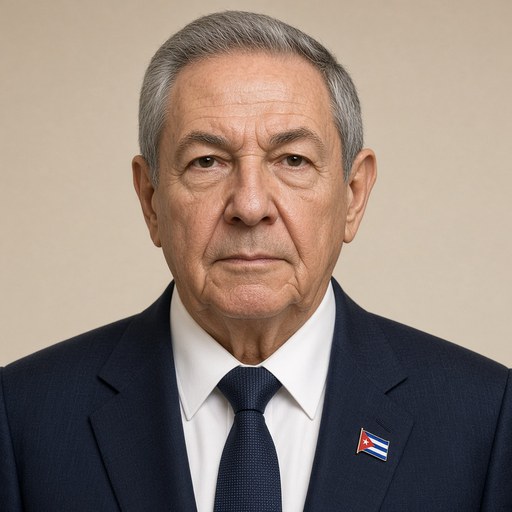
Speech delivered at the Sixth Ordinary Session of the VII Legislature of the Assembly
 Raúl Castro · President of Cuba
- Context
- Castro addressed the Sixth Ordinary Session of Cuba's National Assembly on December 18, 2010, reviewing economic performance and presenting the 2011 plan and reform guidelines.
- Main themes
- Cuban economic reform, GDP growth targets, Draft Guidelines of Economic and Social Policy, budget discipline, export growth, debt renegotiation, social programs efficiency, labor productivity, revolutionary history, national assembly session
- Duration
- ~98 min
- Words
- 11,790
- Sentences
- 334
- Readability
- 39
- Grade
- 16.3
- Syntax
- 3.55
- Vocabulary
- 2.29
Translated from Spanish
The broad sphere of national life a sentence belongs to. Every sentence has an Arena, so it is the denominator the other indices are read against.
Other334 sentences in 160 paragraphs
The speech on this occasion is slightly longer than the previous ones; but this has truly been an exceptional session of the Assembly, due to the topics discussed, your opinions, and the documents approved.
As I was heading to this Assembly, seeing the date in the newspaper, December 18, a simple historical detail immediately came to my mind: exactly 54 years ago, we did not think we would live this long then, given the circumstances we were in, the nascent Rebel Army, the current Revolutionary Armed Forces, and the Revolution itself, which after the disaster and the great setback suffered in a place known as Alegría de Pío, three days after the landing, on December 5 of that year, for 13 days, in small groups retracing our steps, trying to get past the two immediate encirclements that were set up against us, finally, helped by the peasants, I joined the small group that Fidel had.
The meeting was already at night. After the initial embrace, he separated me and the first question was: "How many rifles do you bring?" "Five," I answered; "And two that I have, seven. Now we will win the war!" And it seems, apparently, that I was right.
It is a happy coincidence, and I wanted to start the final words of this activity with such a pleasant memory.
Comrades:
We have been gathered for several days discussing issues of great importance for the future of the nation. On this occasion, in addition to the usual work in committees, the deputies have met in plenary session, with the purpose of analyzing the details of the current economic situation, as well as the proposals for the budget and the economic plan for the year 2011.
The deputies have also dedicated long hours to deeply evaluate and clarify doubts and concerns regarding the Draft Guidelines of the Economic and Social Policy of the Party and the Revolution.
Our media have widely published the development of these debates, to facilitate information to the population.
Despite the impact on the national economy of the effects of the global crisis, the irregular behavior of the rains for 19 months, from November 2008 to June of this year, and without excluding our own errors, I can affirm that the 2010 plan has performed acceptably for the times we live in. The growth target of 2.1 percent of the Gross Domestic Product, better known by its initials GDP, will be achieved; merchandise and service exports have increased, and without concluding the year, the expected number of foreign visitors has already been reached, although again revenues will not be met, internal financial balance is consolidating, and for the first time in several years, a favorable, albeit limited, dynamic in labor productivity compared to the average wage is beginning to be appreciated.
The restrictions on transfers abroad continue to decrease, or in other words, the limitations we were forced to impose at the end of 2008 on payments from Cuban banks to foreign suppliers, which will be completely lifted next year, and at the same time, significant progress has been made in renegotiating the debt with our main creditors.
I would like to thank again the trust and understanding of our commercial and financial partners, to whom I reaffirm the firmest intention to honor the commitments made on time. The Government has issued precise instructions not to assume new debts without the assurance of fulfilling their payment within the agreed deadlines.
As explained by the Vice President of the Government and Minister of Economy and Planning, Marino Murillo Jorge, the plan for next year foresees a GDP growth of 3.1%, which must be achieved in a scenario that is no less complex and tense.
The year 2011 is the first of the five included in the medium-term projection of our economy, a period in which, gradually and progressively, structural and conceptual changes will be introduced in the Cuban economic model.
During the next year, we will decisively continue to reduce unnecessary expenses, promoting the saving of all types of resources, which, as we have said several times, constitutes the fastest and most secure source of income available to us at this time.
We will also do this without neglecting in the slightest, but rather by raising the quality of social programs in the areas of health, education, culture, and sports, in which enormous reserves of efficiency in the more rational use of existing infrastructure have been identified. We will also increase exports of goods and services, while continuing to concentrate investments in those activities with the fastest recovery.
Regarding the plan and the budget, we have insisted that the repeated history of non-compliance and overruns must come to an end. The plan and the budget are sacred, I repeat, from now on the plan and the budget are sacred and are drawn up to be fulfilled, not to settle for justifications of any kind and even with inaccuracies and lies, intentional or not, when the set goals are not achieved.
Sometimes some comrades, without a fraudulent purpose, provide inaccurate information from their subordinates without having verified it and fall into unintentional lies, but that false data can lead us to erroneous decisions with greater or lesser repercussions on the nation. Whoever acts this way also lies, and whoever it may be, must be definitively and not temporarily removed from the position they occupy and, after analysis by the corresponding bodies, also separated from the ranks of the Party if they are a member.
Lies and their harmful effects have accompanied men since we learned to speak in remote times, motivating society's response. Let us remember that in the ten biblical commandments, the eighth states: "You shall not bear false witness or lie." Likewise, in the three fundamental ethical moral principles of Inca civilization, it was established: do not lie, do not steal, do not be lazy.
I will repeat these principles that the descendants of the Incas still use today: do not lie, do not steal, and do not be lazy or do not be idle. Those three principles are good, right? Let us try to keep them in mind.
We must fight to definitively eradicate lies and deception from the conduct of cadres, at any level. It is not for nothing that Comrade Fidel, in his brilliant definition of the concept of Revolution, among other criteria, pointed out: "Never lie or violate ethical principles." Concepts that are reflected on the first page of the guidelines we have been discussing, in the brochure that was printed.
Following the publication on November 9 of the Draft Guidelines of the Economic and Social Policy, the train of the VI Congress of the Party is underway, as the true congress will be the open discussion - as is already taking place - and frank with the militants and all the people of its statements, which in a genuine democratic exercise will allow us to enrich them, while, without excluding divergent opinions, we achieve the formation of a national consensus regarding the necessity and urgency of introducing strategic changes in the functioning of the economy, with the aim of making socialism in Cuba sustainable and irreversible.
There is no need to fear discrepancies in opinions, and this orientation, which is not new, should not be interpreted as limited to the debate on the Guidelines; differences of opinion, preferably expressed in the right place, at the right time, and in the right manner, will always be more desirable than false unanimity based on simulation and opportunism. It is, moreover, a right that should not be denied to anyone.
The more ideas we are able to provoke in analyzing a problem, the closer we will be to its appropriate solution.
The Party's Economic Policy Commission and the 11 groups that formed it worked for long months on the preparation of the aforementioned guidelines, which, as has been explained, will constitute the central theme of the Congress, based on the conviction that the economic situation is the main task of the Party and the Government and the basic subject for cadres at all levels.
In recent years, we have insisted that we could not allow ourselves to be carried away by improvisations and hastiness in this area, considering the magnitude, complexity, and interrelations of the decisions to be made. That is why I think we did well to postpone the Party Congress, although we had to resist, precisely, the honest demands and also the ill-intentioned ones both inside and outside Cuba to hasten the adoption of multiple measures. Our adversaries abroad, as expected, have challenged every step we took, first disqualifying them as cosmetic and insufficient, now they try to confuse public opinion by predicting certain failure and concentrate their campaigns on the exaltation of the supposed disillusionment and skepticism with which they say our people have received this project.
Sometimes it seems that their innermost desires prevent them from appreciating reality. Making their true intentions evident, they demand without hesitation that we dismantle the economic and social regime that we have conquered, as if this Revolution were willing to submit to the most humiliating surrender or, in other words, to govern its destiny by degrading conditions.
Over 500 years, from Hatuey to Fidel, much blood has been shed by our people to now accept the dismantling of what has been achieved at such a high price.
To those who harbor those unfounded illusions, it is worth reminding them, once again, of what was expressed in this Parliament on August 1, 2009: I quote: "I was not elected President to restore capitalism in Cuba nor to hand over the Revolution. I was elected to defend, maintain, and continue perfecting socialism, not to destroy it", end of quote.
Today I add that the measures we are applying and all the modifications that it is necessary to introduce in the updating of the economic model are aimed at preserving socialism, strengthening it, and making it truly irrevocable, as was incorporated into the Constitution of the Republic at the request of the vast majority of our population in 2002.
It is essential to put all the information and arguments that underpin each decision on the table and, in passing, to eliminate the excess secrecy to which we have become accustomed during more than 50 years of enemy siege. A state will always have to keep some matters logically secret, that is something no one disputes, but not the issues that define the political and economic course of the nation. It is vital to explain, substantiate, and convince the people of the justice, necessity, and urgency of a measure, no matter how harsh it may seem.
The Party and the Communist Youth, in addition to the Central Workers' Union of Cuba and its unions along with the rest of the mass and social organizations, have the capacity to mobilize the support and trust of the population through debate unbound by dogmas and unviable schemes, which constitute a colossal psychological barrier that must be gradually dismantled, and we will achieve this together.
That is precisely the fundamental content that we reserve for the National Conference of the Party to be held in 2011, after the Congress, on a date to be set later; in it, we will analyze, among other issues, the modifications to the methods and styles of work of the party organization, since, as a result of the deficiencies presented in the performance of the Government's administrative bodies, the Party over the years has had to get involved in exercising functions that do not correspond to it, which limited and compromised its condition as the organized vanguard of the Cuban nation and the leading force of society and the State, in accordance with Article Five of the Constitution of the Republic.
The Party must direct and control and not interfere in the activities of the Government, at any level, which is the one that corresponds to govern, each with its own norms and procedures, according to its missions in society.
It is necessary to change the mentality of the cadres and all compatriots when facing the new scenario that is beginning to take shape. It is simply a matter of transforming erroneous and unsustainable concepts about socialism, deeply rooted in broad sectors of the population for years, as a consequence of the excessive paternalistic, idealistic, and egalitarian approach that the Revolution instituted in the name of social justice.
Many Cubans confuse socialism with gratuities and subsidies, equality with egalitarianism, and not a few identify the ration book as a social achievement that should never be abolished.
In this regard, I am convinced that several of the problems we face today have their origin in this distribution measure, which, although it was motivated at the time by the healthy intention of ensuring the people a stable supply of food and other goods in contrast to the unscrupulous hoarding by some for profit, constitutes a manifest expression of egalitarianism, which benefits both those who work and those who do not or do not need it and generates practices of barter and resale in the underground market, etc., etc.
The solution to this complex and sensitive issue is not simple, as it is closely related to strengthening the role of wages in society, and this will only be possible if, alongside reducing gratuities and subsidies, we raise labor productivity and the supply of products to the population.
In this matter, as in the reduction of bloated payrolls, the Socialist State will not leave any citizen unprotected, and through the social assistance system, it will ensure that those unable to work receive the minimum required protection. In the future, there will be subsidies, but not for products, rather for Cubans who, for one reason or another, truly need them.
As is known, since September, the regulated distribution of cigars has been eliminated, an item that was received only by a part of the population and which, due to its harmful effects on health, is obviously not a basic necessity product.
Next year — and this has already been discussed here in the debates we held — we will not be able to afford to spend almost 50 million dollars — 47 exactly — on coffee imports to maintain the quota that is currently distributed to consumers, including newborns. It is anticipated, as it is an unavoidable necessity, that we will mix it with peas, which are much cheaper than coffee, which costs us almost three thousand dollars a ton, while peas have a price of 390 dollars.
Therefore, if we want to continue drinking pure coffee without rationing, the only solution is to produce it in Cuba, where it has been proven that all the conditions for its cultivation exist, in sufficient quantities to meet demand and even export it with the highest quality.
After the American aggression war against Vietnam, the heroic and undefeated Vietnamese people asked us to teach them how to grow coffee, and off we went; we taught them, we transferred our experience. Today, Vietnam is the second largest coffee exporter in the world. And a Vietnamese official said to his Cuban counterpart: "How is it possible that you, who taught us to grow coffee the other day, are now buying coffee from us?" I don’t know what the Cuban replied. I’m sure he said: "The blockade."
These decisions, and others that will need to be applied, although we know they are not popular, are necessary to maintain and even improve the free public health services, education, and social security for all citizens.
The very leader of the Cuban Revolution, Comrade Fidel, in his historic speech on November 17, 2005, expressed, and I quote: "A conclusion I have drawn after many years: among the many mistakes we have all made, the most important mistake was to believe that someone knew about socialism, or that someone knew how to build socialism," end of quote. Just a month ago, exactly five years later, Fidel, through his message on the International Student Day, in a meeting held with several of them, reaffirmed those concepts that remain completely valid.
For my part, I remember the statements of a renowned Soviet scientist who, about half a century ago — at the time when the first man went into space, which was Gagarin — considered that although the possibility of man flying into space had been theoretically documented, it was still a journey into the unknown.
While we have had the Marxist-Leninist theoretical legacy, where the feasibility of socialism is scientifically demonstrated and the practical experience of attempts to build it in other countries, the construction of the new society in the economic order is, in my humble opinion, also a journey into the unknown — into the unknown — for which every step must be deeply contemplated and planned before the next, where errors are corrected promptly and quickly so as not to leave the solution to time, which will only increase them and ultimately cost us even more.
We are fully aware of the mistakes we have made, and precisely, the Guidelines we are discussing mark the beginning of the path of rectification and the necessary updating of our socialist economic model.
No one should be deceived; the Guidelines point the way toward the socialist future, adjusted to the conditions of Cuba, not to the capitalist and neocolonial past overthrown by the Revolution. Planning, and not the free market, will be the distinctive feature of the economy, and the concentration of property will not be allowed, as stated in the third of the general guidelines. Clearer than water, although there is no worse blind man than the one who does not want to see.
The construction of socialism must be carried out in accordance with the peculiarities of each country. It is a historical lesson that we have learned very well. We do not intend to copy from anyone again; we have had enough problems from doing so, and because many times we copied poorly, as we said yesterday; although we do not ignore the experiences of others and learn from them, including the positive ones from capitalists.
Expanding on the necessary change of mentality, I will mention an example: if we have reached the conclusion that self-employment constitutes another employment alternative for citizens of working age, in order to increase the supply of goods and services to the population and free the State from those activities to concentrate on what is truly decisive, what the Party and the Government must do first is facilitate their management and not generate stigmas or prejudices against them, much less demonize them, and for that, it is essential to modify the negative perception that exists in not a few of us towards this form of private work. The classics of Marxism-Leninism, when projecting the traits that should characterize the construction of the new society, defined — especially Lenin — that the State, representing all the people, would maintain ownership over the fundamental means of production.
We absolutized that principle and transferred almost all economic activity in the country to state ownership. The steps we have been taking and will take in the expansion and flexibility of self-employment are the result of deep reflections and analyses, and we can assure you that this time there will be no regression.
For its part, the Central Workers' Union of Cuba and the respective national unions are studying the ways and methods to organize attention to this labor force, promote strict compliance with the law and taxes, and motivate these workers to reject illegalities. We must defend their interests — I repeat — we must defend the interests of self-employed workers, just as we do with any other citizen, as long as they act in compliance with the approved legal norms.
In this direction, it is of great importance to introduce the basic concepts of the tax system at different levels of education with the aim of permanently and concretely familiarizing new generations with the application of taxes as the most universal form of redistribution of national income, in the interest of sustaining social expenditures, including aid to the most needy.
On a societal scale, we must promote civic values of respect and compliance by taxpayers with their tax obligations, create in people that culture and discipline, reward those who comply, and sanction tax evasion.
Another task in which, despite the progress made, there is still much to be done is the attention to the different productive forms in agriculture, so that the various existing obstacles are eliminated to enhance the productive forces in our fields and that, in correspondence with the savings in food imports, farmers obtain fair and reasonable income for their hard work, which does not justify imposing abusive prices on the population.
More than two years after the start of the delivery of idle lands in usufruct, I believe we are in a position to evaluate the allocation of additional areas, beyond the limits regulated by Decree-Law 259 of July 2008, to those agricultural producers with outstanding results in the intensive use of the soils under their responsibility.
I consider it appropriate to clarify that the lands delivered in usufruct are the property of all the people, so if one day in the future they are required for other uses, due to a constructive need for a social work or a road or whatever, the State would compensate the usufructuaries for their investments and pay them the value of the improvements.
In due course, once we conclude the studies, based on the experiences we have been accumulating, we will present to the State Council the corresponding proposals for modification of the aforementioned Decree-Law, where the farmers have their representative, who is precisely Comrade Lugo Fonte, president of the National Association of Small Farmers.
One of the most difficult barriers to overcome in the effort to form a different vision, and we must publicly acknowledge this, is the absence of an economic culture in the population, including not a few management cadres, who, showing a profound ignorance in the matter, when facing everyday problems adopt or propose decisions without stopping for a moment to assess their effects and the expenses generated, nor whether there are resources allocated in the plan and budget for that purpose.
I do not discover anything when I affirm that improvisation, in general, and in the economy in particular, leads to certain failure, regardless of the good intentions that one may seek to achieve.
On December 2, on the occasion of the 54th anniversary of the Granma landing, the official organ of our Party reproduced a fragment of the speech that Fidel delivered in 1976, on the same date, when the 20th anniversary of the event was commemorated, and which, due to its relevance and currentness, I have considered appropriate to quote. Fidel said at that time, 34 years ago: "The strength of a people and a revolution consists precisely in their capacity to understand and face difficulties. Despite everything, we will advance in numerous fields and fight tirelessly to raise the efficiency of the economy, save resources, reduce non-essential expenses, increase exports, and create in each citizen an economic consciousness. I previously said that we are all politicians; now I add that we must all also be economists, and I repeat, economists, not economicists, which is not the same as a mentality of saving and efficiency as opposed to a mentality of consumption," end of quote.
Economists do not mean that we all now seek a title as economists; we have enough; it is about mastering the principles of economics, not about becoming a doctor in economics.
Comrade Fidel continued saying: "Now I add that we must all also be economists, and I repeat, economists, not economicists, which is not the same as a mentality of saving and efficiency as opposed to a mentality of consumption," end of quote.
The heart of these guidelines that you have and the precision of the orientation of economic development that at this moment is to produce what can be exported, save on imports, and invest in the works that recover faster, and, in addition, raise the efficiency of the economy. Save resources, reduce non-essential expenses — we have talked about all this in recent days — increase exports, and create in each citizen an economic consciousness "and, I repeat, economists, not economicists, which is not the same as a mentality of saving and efficiency as opposed to a mentality of consumption," end of quote. Said on December 2, 34 years ago.
Ten years later, on December 1, 1986, during the deferred session of the III Congress of the Party, Fidel expressed, I quote: "Many people do not understand that the Socialist State, no State, no system can give what it does not have, and much less will it have if it is not produced; if money is being given without productive backing. I am sure that inflated payrolls, the excess of money given to people, idle inventories, waste, have a lot to do with the large number of unprofitable enterprises in the country," end of quote.
At 34 and 24 years, respectively, from these two quotes I just made, and from these orientations of the Leader of the Revolution, those and many other problems remain present.
Well, what were we doing? Why were the instructions or orientations of the Leader of the Revolution not fulfilled? We applauded the speeches, shouted long live the Revolution, and then things remained the same.
He did what he had to do, and I try to find an explanation and express that Fidel, with his genius, was opening gaps and pointing the way, and the rest of us did not know how to secure and consolidate the progress towards those objectives.
What we really lacked was cohesion, despite the unity that this people has around its Party, its leaders, its government, our fundamental strategic weapon to survive more than five centuries in a besieged fortress, facing the most powerful empire that has ever existed in history. But we lacked cohesion, organization, and coordination between the Party and the Government; in the midst of the threats and daily urgencies, we neglected medium- and long-term planning, we were not sufficiently demanding in the face of violations and economic errors committed by some leaders, and we also delayed in rectifying decisions that did not have the expected effect but survived.
More than once, and right here in this Parliament, I have referred to the fact that in this Revolution almost everything has been said, and that we must review which orientations from the Chief of the Revolution we have fulfilled and which we have not, from his vibrant plea "History Will Absolve Me" in the trial of Moncada to today. We will recover the ideas of Fidel that remain valid and we will not allow the same thing to happen to us again. That is why the orientations and the line that have marked the Party and the government regarding errors, violations, etcetera, etcetera. If we want to save the Revolution, we must fulfill what we agree upon, and we cannot allow, after the Congress — as has been the case until now in many very eloquent cases — that the documents go to sleep the eternal sleep of the drawers, as has been explained in these days of discussions, fruitful, democratic, and truly profound. This is how we want the people to continue discussing those guidelines; there are about 100 days for that. Either we rectify or the time to continue skirting the precipice is over; we will sink, and we will sink, as we said before, the efforts of entire generations, from the Indian Hatuey, who came from what is now the Dominican Republic and Haiti — the first internationalist in our country — to Fidel, who has brilliantly guided us through these complicated situations since the triumph of the Revolution.
Let us never forget, the less young among us, or those of us who are older, but still young and in the fight, and the new generations as well — of which some spoke eloquently yesterday — the words of Fidel's initial speech upon arriving in the capital, from Batista's main barracks, the former Columbia, now the Ciudad Libertad school. He said from that place: "The Revolution has triumphed, the joy is immense, but there is still much to be done. Let us not be mistaken in thinking that from now on everything will be easy; perhaps now everything will be more difficult." And that precise and visionary orientation has been fulfilled over the course of fifty-some years.
It was not going to be a bed of roses; we knew the strength we were going to challenge, only counting on the people and the weapons, the ones taken from Batista; afterwards, we continued arming ourselves as much as we could, up to today, and fostered and educated by him as well, the great unity that our people have, which we must always care for as the apple of our eye, as life itself. But that unity cannot be by decree; we will have more unity because it will be the domain of all if absolutely democratic methods are applied in all political development of the nation, from a core of the Party to the supreme organ of state power, which is this Assembly that is gathered here, with patience.
We have an educated country, with a high level of education, and we have many positive things, gigantic advances that have been achieved, which do not correspond in this activity to be enumerating; you know them. Our press talks a lot about that, about the achievements of the Revolution, in speeches we also abound; but we must get to the heart of the problems, as has been done in this session of the Parliament assembly.
That is to say, the issues we have analyzed and the errors we have criticized cannot happen again; the life of the Revolution is at stake.
The same errors, if simply analyzed honestly, nothing more, we will analyze them with honesty and depth, of course, can transform into experiences and lessons to overcome them and not to incur them again. Haven't you heard that human beings are the only animals that stumble more than once over the same obstacle? I know some here who have crashed five, six, and ten times, and if we do not stop them, they will continue, and it is not that they just hit their ankle or the tip of their foot; it is that the errors that are committed cost millions. The enumeration made by the Vice President himself, the Minister of Economy and Planning, Murillo, or the one made by the President of the Economic Affairs Commission of the Parliament, who just spoke, Comrade Osvaldo Martínez: we stopped perceiving so many millions due to the price of sugar; all these years it has had a price through the floor, and now that it has risen, due to not fulfilling the sugar plans, for various reasons, we stopped perceiving so many millions of dollars; in such and such other activity, due to not fulfilling the plans, we stopped receiving so much.
I told Machado, commenting while we listened, commenting there by his side: if you calculate the millions we have lost by failing to fulfill the plans, see how many problems we could have solved. It is like that in everything.
And that is why I am a staunch defender of ending secrecy, although some secrets must be kept; yesterday we talked about some, which I do not intend to publish; notice that hardly anything from my interventions in the Assembly has been published in the press; I asked for it to be so, precisely to speak; the session was closed to be able to discuss here, as they say, without holding back; we did not have to take off so much clothing, but we discussed what needed to be discussed. That is how it should be.
And I am a defender of the fight against secrecy because behind that adorned carpet is where the flaws we have are hidden, and those interested in keeping it that way and continuing that way. And I remember some criticisms; "yes, publish such criticism in the newspaper," I myself directed many years ago, and, of course, it was not about an organization, but about a product, etcetera. Immediately the great bureaucracy began to move: "Those things do not help; they demoralize the workers." Which workers are they going to demoralize? As on one occasion, in the large state dairy enterprise, El Triángulo. It had been weeks because one of the trucks from that dairy was broken, and then all the milk produced in the dairies of that area, of that place — not of the entire company — was being thrown to some pigs they were raising.
It was then that I told a secretary of the Central Committee to attend to agriculture at that stage, put it in Granma, tell everything that is happening, make a criticism.
I stirred the hornet's nest; what they did not know was that I was the one who had directed it, and some came and even commented to me that: "Those things do not help because they demoralize the workers," etcetera.
Near the city, near the capital of the province, there they were throwing away milk, giving it to their pigs.
That is why, secrecy? No. Whoever wants to keep secrets about their own deficiencies should fight and dedicate that great effort to avoid them — I refer to the deficiencies.
That is to say, the errors, if simply analyzed — as we mentioned a moment ago — with honesty, can transform into experiences and lessons to overcome them and not to incur them again.
If we do not do it this way, we will continuously be repeating the same error. That is why I am one of those who say that in Cuba there are animals — I am talking about when it is said that man is the only animal that bumps into the same obstacle twice; but in Cuba, there are more.
Do not forget another Dominican, a great internationalist, chief of our Liberating Army, Generalísimo Máximo Gómez, who knew us well, was married to a Cuban, his children were born in the field of struggle, many died of need, and Manana with him, there behind, anywhere, and he said: "Cubans either do not arrive or they overshoot." Is that so? (They respond yes). Let's see if we overshoot, but in the strict fulfillment of duty.
That is precisely the great utility of the deep analysis of errors, and that must begin to be a permanent norm of conduct for all leaders, of all instances, at all levels. Whoever does not do it this way is violating the main duty as a leader.
The reality of the numbers, moreover, is above all our aspirations and desires. In the elementary arithmetic of the first grade of primary school, it is learned at an early age that two plus two equals four, not five or six — as we said on one occasion right here; one does not have to be an economist to understand it, that two and two are four, and that time I added: "...but sometimes due to our deficiencies, two and two results in three," that is to say, one does not have to be an economist to understand it; therefore, if at a given moment we have to do something in economic and social matters beyond the available resources, let us do it, or we can do it, but it must be with an awareness of the consequences and knowing in advance that in the end, the harshness of the facts and the numbers will impose itself inevitably, no matter how many good wishes we have.
Cuba has, on the other hand, tens of thousands of professionals graduated by the Revolution in the specialties of economics, accounting, and finance, just to mention a few of this profile, that we have not known how to use adequately for the benefit of the orderly development of the nation.
We have the most precious thing — which Comrade Fidel has referred to on different occasions — the human capital, which we must unite with the collaboration of the National Association of Economists and Accountants (ANEC) to undertake the task of educating in this matter, in a constant and systematic way, our educated people and their leaders at all levels. A large representation of the National Committee of the ANEC participated — with us and several of the leaders present, and the Council of Ministers too, or almost all — in the first seminars on the guidelines that we organized, and many of its members are immersed in the ongoing discussion process. The entire National Directorate came to these seminars and then incorporated themselves in the provinces or in the municipalities for this activity already, directly, with the Party militants and the population.
In this sense, it is worth highlighting the decisive contribution of thousands and thousands of accountants to recover the place that corresponds to accounting — you know what I am talking about and how accounting is going in this country, in almost all companies — in the direction of economic activity, which as we know is an indispensable condition to ensure success and order in everything we propose.
In these circumstances, no one should lose sight of the relevance of maintaining a differentiated approach towards youth — I am on another topic, of university graduates and middle-level technicians today, that is, a treatment, a different approach, as you saw in the first resolution of the Ministry of Labor — and in correspondence with this, I must highlight the decision to exclude newly graduated students from labor availability processes during the period of fulfilling Social Service. They should not be the first to be sacrificed.
Now, it is not about placing them in functions that are not aligned with their professional profile, as has happened in the past, when they have gone to fulfill their social service, regardless of the title or theoretical knowledge they carry, that they have even been placed as doormen of the work center, because precisely that period they have to go through is designed to train them at the base of production and services, to complete in practice the theoretical training from schools and universities and to cultivate in them the love for work. If we do not do that, we are sacrificing the immediate future, those who will continue.
No less important is the work that corresponds to the cadres and specialists involved in the preparation and review of legal documents, in line with the modifications that are being implemented; for example, just to provide legal coverage — that one should not take a step, apply a step that does not first take this into account, the legal coverage — to two guidelines (numbers 158 and 159), related to the exercise of self-employment, its tax regime, and labor availability processes, it has been necessary to issue almost 30 provisions, including decrees-laws — which were approved today, those that were promulgated in the period — government agreements, and resolutions from various ministries and national institutes.
Just a few days ago — look at this example — a resolution from the Ministry of Finance that modified the collection prices of a group of agricultural products had to nullify another 36 resolutions from that same organization, issued on different dates in previous years, but all still in effect. Who can dominate the activity like this of prices of agricultural products, to which prices are set and are not based on supply and demand, 36 documents? No matter how many computers exist or whatever, that is impossible. And there are many decisions of this type reflected in documents, one behind the other, one modifying another; the other to the one that comes behind, etcetera. One replaced 36, but all still in effect.
These facts give an idea of the work we have ahead in terms of legal regulation in order to strengthen the institutional framework — this is not because we like paperwork; every activity must be regulated in a document, officially approved — of the country, and to eliminate so many irrational prohibitions that have persisted for years, without taking into account the existing circumstances, creating a breeding ground for multiple actions outside the law, which frequently lead to corruption in various degrees. One can reach a conclusion proven by life: irrational prohibitions foster violations, which in turn leads to corruption and impunity, which is why I believe the population is right — and they have raised this since the discourse analysis of 2007, which was not a discourse that warranted discussion among the population, except that they were told: “Express your opinions on whatever you want,” and right here I informed on one occasion about the results of that survey. It was also to draw more experiences for what we are doing now, and great experiences were achieved, and many of the proposals made at that stage are being repeated now in these discussions of the Guidelines, that is, they had been years — in their concerns regarding the cumbersome procedures associated with housing and the buying and selling of vehicles among individuals, just to cite two examples, which are currently the subject of study for their solution, but in an orderly manner. That is why we recalled yesterday, as Marino said, the State regulates its relations with the individual, but the State should not interfere in anything that seeks to regulate the relations between two individuals, and that if I have a little car, a gadget or whatever, an almendrón, as they call it now, and it is mine, I have the right to sell it to whomever I want, also complying with the regulations of the ownership registry.
At the same time, it is necessary to simplify and group the existing legislation, which is generally quite dispersed. The guiding documents are drafted to be within the reach of those responsible for their compliance, not to be shelved. Consequently, it is essential to educate all cadres and require them to work with the legal provisions that govern their functions and to control that this is fulfilled as a requirement of suitability to hold a specific position. Yesterday or the day before, we took an example, which was like a common denominator for all provinces in a specific fact. It was normal for everyone that the paper arrived and ended up in a drawer, and that was the other day, and life went on.
It is worth remembering, once again, that ignorance of the law does not exempt anyone from its compliance and that, according to the Constitution, all citizens have equal rights and duties, which is why anyone who commits a crime in Cuba, regardless of the position they hold, whoever they may be, will have to face the consequences of their mistakes and the weight of justice.
Turning to another matter, also addressed in the Guidelines, regarding the plan for next year — as has already been reported here — 68 investments of importance to the country have been excluded for not meeting the established requirements, including the determination of financing, technical and project preparation, the definition of the construction forces capable of undertaking them within the set deadlines, and the evaluation of feasibility studies. We will not allow the waste of resources allocated for investments due to spontaneity, improvisation, and superficiality, which in many cases have characterized the investment process. And when it was discussed in the last Council of Ministers and many of you heard, that is over, and whoever violates it must face the consequences of any kind.
In addressing these issues, I must refer to the determining role that the cadres of the Party, the State, the Government, and mass and youth organizations must play in the coordinated and harmonious conduct of the process of updating the Cuban economic model.
We now have a special and well-prepared battlefield to demonstrate that all this can be done, and done well, and neither overdo it nor fall short, as the Generalissimo said.
In the course of the gradual decentralization that we are deploying, various measures have been adopted to elevate the authority of administrative and business leaders, to whom we will continue to delegate powers. In parallel, control procedures are being perfected, and the demands regarding manifestations of negligence, indifference, and other behaviors incompatible with the performance of public office are being raised to higher levels.
Here, sitting in the front row, is the Vice President of the Council of State, Gladys Bejerano, who — as you know — is an efficient Comptroller General of the Republic.
When that ministry existed one day — that now depends on the Council of State and in the name of this body, I handle it for daily operations, just like the Attorney General of the Republic, and I give them tasks — in the MAC, which was the Ministry of Audit and Control, although I could not do much because all justifications were accepted and they always had some godfather, etc., the comrade Gladys Bejerano was not well regarded by some. And whenever she controlled, someone would complain: “Well, this doesn’t help.” Some said: “That demoralizes” — what is that! — “that comrade Gladys is very tough, she says very tough things.” That is what we want, that is what I constantly demand of you.
So, on one occasion — I still did not have this responsibility — I said: “I think we should dissolve that ministry.” I saw happy faces, they looked at each other; except for Gladys’s sad face, because it seemed we despised her important work. I let almost a minute pass, a few seconds, and then I expressed: “Let’s dissolve that ministry because it has the same hierarchy as the other ministers, and we will make the Comptroller General of the Republic subordinate to the Council of State and we will propose her as Vice President.” The faces darkened again and she laughed happily again. I am not joking about what I am telling you, I am not joking about what I am recounting.
In other words, I was talking about how the authority of administrative leaders, ministers, etc., provincial and municipal governments will be increased and supported, and powers will be decentralized from above.
We have said that the municipal government must have powers and resources, and we also talked about how to obtain them, and that we will continue to delegate powers. In parallel, control procedures are being perfected, and the demands regarding manifestations of negligence, indifference, and other behaviors incompatible with the performance of public office are being raised to higher levels.
Likewise, we are fully aware of the damage that the phenomenon of the “inverted pyramid” has caused to the cadre policy over the years, that is, that salaries do not correspond to the importance and hierarchy of the positions held, nor is there adequate differentiation between one and the other, which discourages the promotion of the most capable to higher responsibilities in companies and in the ministries themselves. This is a fundamental issue that must be resolved according to what is indicated in Guidelines numbers 156 and 161, related to salary policy.
The VI Congress of the Party must be, by the law of life — and keep this in mind constantly — the last for the majority of us who are part of the Historical Generation; the time we have left is short, the task is gigantic, and, without the slightest hint of immodesty, personal vanity, or sentimentality, I believe we are obliged to take advantage of the weight of the moral authority we possess before the people to leave the course charted and some other important issues resolved.
We do not consider ourselves smarter or more capable than anyone, or anything like that, but we are convinced that we have the elementary duty to correct the mistakes we have made in these five decades of building Socialism in Cuba, and in that purpose, we will employ all the energies we have left, which fortunately are not few.
We will redouble our constancy and intransigence in the face of what is poorly done; the ministers of the government and other political and administrative leaders know that they will have our full support when, in the performance of their functions, they educate, above all educate, and in turn demand from their subordinates and do not fear getting into trouble, which usually no one wants to enter that terrain; do not fear getting into trouble for confronting what is poorly done, because getting into trouble is at this moment one of our main tasks to overcome all those deficiencies we have mentioned.
It is also clear to everyone that we are not in those initial years after the triumph in 1959 — in those first months — when some who held governmental positions, especially in that first government that Urrutia appointed, with the exception of Defense and Agriculture, were told: “Leave that alone,” thinking about agrarian reform and the weapons that were seized or that we were going to seize. I am talking about January 2; after Fidel spoke in the “Céspedes” park, he went to the main command post of the enemy to speak to those soldiers to join — because there was a coup d'état in Havana — and we did not know how to handle either the tanks or the artillery and other means they had there. He let Urrutia and other comrades from the 26th of July movement at the time, in the university of Santiago de Cuba, appoint the government.
I was the bearer of that message to Urrutia, at dawn on January 2, because the plaza event ended past midnight, and I communicated: “Do not touch, it is recommended not to touch the Ministry of Agriculture or the Ministry of Defense.” That was the only thing that was said. And when I informed him on behalf of Fidel to appoint Colonel Rego Rubido, who had just surrendered to Fidel at Alto del Escandel on January 1, Urrutia went there and started taking strolls around the garage of the house in Vista Alegre where I went to see him, a multitude surrounding the patio of the house greeting, and the discussion lasted a while: “I cannot appoint a helmet chief of the Rebel Army!” I told him: “Look, Mr. President, Fidel knows what he is doing. There is a coup d'état in Havana, he is going to Bayamo to speak to Batista's soldiers.” And those were the ones who joined them along the way, and during the week it took, they arrived here at Columbia already with some little beards that they let grow. Guillermo was coming there with Fidel and others who are present: Colomé, Ramiro came with Che, Polito came with Fidel. I don’t know what Álvaro did, he was 15 years old. Did you stay there or did you come too? (He says he stayed in Santiago.) You stayed in Santiago; you did well, because you are from Santiago.
So there was no way, 5,000 enemy soldiers in the city and I barely had two or three escorts; we created some columns because we prepared a good force for Fidel; Lussón, who was the head of a more powerful column, of which Colomé was part, left; Belarmino was there in the other column, we put Efigenio on some old planes that we seized from Batista, so that he could arrive and take over the police in Havana. Efigenio Ameijeiras was the head of Column 6, in front of Guantánamo, and I had made him the head of three columns that surrounded the city that we thought to take on January 2, upon verifying the betrayal of General Cantillo, and I had to start seeing what to do. I got into the same office of Chaviano, the same one where I was interrogated during the Moncada, I entered through the same door.
When I was imprisoned, fortunately, many days after the repression and the slaughter of comrades who assaulted the Moncada ceased, they did not hit me, I was not beaten, I did not go through that experience. Within that circumstance, I tried to behave as dignified as possible, without insolence, and they passed me through rows of soldiers who were insulting me and the captain and the officers who were taking me asked for it: “Give it to me, Captain, to do justice.”
Five years, five months, and five days later, on January First, we entered Santiago de Cuba, and I went to the Moncada barracks to speak to all those people, and now I entered amidst cheers through the same place, and I had only one escort, and I spoke to them. The mission was to gather all the officers and take them to El Escandel, next to Caney, so they could talk to Fidel. From there, I couldn't leave; a crowd of soldiers and sergeants carried me to their neighborhood, right next to the Moncada barracks, and there I stayed; I couldn't get out of there, they gave me coffee, etc. etc. (They say something to him), huh? The Gerolán? I'm talking to the troops, and they start: "Gerolán, Gerolán," and I ask Batista's officers, "What is this Gerolán?" They ignored me, "Gerolán!" and I was speaking at full volume from a balcony, and, no way! Nobody told me what Gerolán was, and they wouldn't let me speak. The one who was with me didn't know either; until an officer, I think he was an accountant, something there in logistics, a lieutenant or sub-lieutenant, approached me and said: "Listen, Commander, Gerolán is the little extra salary they get when they are on campaign," and I said: "And what, haven't they paid it?" They replied: "No, because here they didn't even report the dead to steal the money from the bosses." Then I said: "Tomorrow, when the fortress is in our hands, Gerolán for all of you." Eeehhh! The world ended. I said: "What a troop we have in front of us here!" We asked for a loan from a bank and paid them the Gerolán; those poor soldiers had nothing. That's what Guillermo wanted to remember.
Well, what was Gerolán? It was a bad little syrup around, which I think had special properties, that the charlatans take.
So, I said that it is also clear to everyone that we are not in those initial years after the triumph.
Ah, well, I didn't finish the story about Urrutia, did I? Witness Melba Hernández—who is not here today—whom I hadn't seen since Mexico; later she was able to come and was in the Third Front with Almeida, and since those houses in Vista Alegre have a garage from which you go down a little staircase to the kitchen, she was in the kitchen waiting for that ruckus to end; I signaled her to wait, and Urrutia was pacing back and forth with his hand on his back, and time passed, until he seemed to come out with the Galician thing, and I told him a few phrases that I can't repeat here. I said: "Listen, I have been fighting against Batista for seven years; I have been through everything, in battles, imprisoned, in exile, etc., do you think it doesn't bother me that a little helmet is now directing the army? He doesn't command anyone; he consults everything with me because I will have him in the office, in the very office of the regiment chief." And so it was; the first order I gave him was: "Let's start getting all these soldiers out of here." And since the bridges were blown up and I didn't want them to run into Fidel out there, even though they were unarmed, I used the three frigates of Batista's navy that were there, and in groups of 500, I sent them to the center and the west of the country, where they lived.
I told him a few things. When I spoke harshly to him, and I said: "Fidel knows what he is doing, and I obey Fidel!" then he continued pacing, and he said: "Well, Commander, let's see a solution; I think it's reasonable, don't you think?" I said: "Yes, that's what I think." "Well, that's fine." After that, I kissed Melba and went to fulfill my duty.
I was in Santiago; Fidel left me in charge of the eastern provinces at that moment. I didn't go to the inauguration; it was at the University of Santiago; I didn't go to that.
You have seen how we develop our meetings, right?
When I left, old Urrutia called me and said: "Commander, I need you to appoint me a chief of staff, a commander of chief of staff." I said: "I'll send you one, President." I said: "Who do I put in there, gentlemen?"—I already guessed the troubles we were going to have with this man; it hadn't been long, February, March, four or five months; you know the story—and I ran into Machado Ventura, he was already carrying a Thompson, Commander, and I said: "Hey, Machado"—I don't want to tell you this incident; I only told Fidel and no one else when I came in February to Havana—"Hey, Machado, the President has asked me for this and that; I think you are the most suitable." "Nooo! What I need to do is find a job as a doctor," Machado replied. I said: "Forget that job; now is when this mess starts." And finally, he accepted.
Urrutia went to Havana, and I stayed in the East. By the time I came to Havana in February, the problems with Urrutia were already starting, and the problems with Urrutia continued, which were not published, the steps Urrutia was taking, the complete irrationality of Urrutia, even as a person. The first thing he did was keep Batista's salary and the representation expenses, and of course, he bought a little shack just like Grau, which should still be around, although he left.
So, I said: "Well, I'm going to call my friend Machado to see what's up," and when I called the Palace and asked for Machado, they said: "No, Machado left here a long time ago." I said: "Where did Machado go?" And I found him working as a doctor in the municipality of Havana, was it like that? (He replies yes.) That is to say, I classified him as the first deserter of the modern Revolutionary Armed Forces. Luckily, with his work later, he cleaned up that affront.
After we laughed a bit at Machado's expense, my friend, let's continue.
It is also clear to everyone that we are not in those initial years after the triumph in 1959, when some who held government positions—and that is where the anecdote of that government arises—resigned to manifest their opposition to the first radical steps taken by the Revolution, especially the Agrarian Reform, the first one, on May 17, 1959, and for that reason, that attitude was then classified as counter-revolutionary. In other words, they resigned to demonstrate their opposition to the radical measures, and we classified it: "That is counter-revolution," but the resignation was accepted. Today, what is truly revolutionary and honest is the opposite; when a cadre of any level feels tired or unable to perform their duties fully or to comply with the new orientations we are giving, the correct thing is to request, in that case, their resignation, with dignity and without any fear, which will always be preferable to being dismissed.
Regarding this matter, I must refer to three comrades who held important responsibilities in the leadership of the Party and the Government, and who, due to the mistakes they made, the Political Bureau requested their resignation from their status as members of this directing body, of the Central Committee and as deputies to the National Assembly of People's Power. These are Jorge Luis Sierra Cruz, Yadira García Vera, and Pedro Sáez Montejo. The first two were also relieved of their responsibilities as ministers of Transportation and vice president of the government and Basic Industry, respectively, that is, Sierra and Yadira García; Sierra for taking on powers that did not belong to him, which led him to serious errors in leadership, which we are paying for today; and Yadira García for a poor job at the head of such an important ministry as Basic Industry, which includes oil, mining, etc., particularly reflected in the weak control over the resources allocated to the investment process, leading to waste, as was proven in the expansion project of the nickel company Pedro Soto Alba, in Moa, Holguín province. Both comrades were severely criticized in joint meetings of the Political Bureau Commission and the Executive Committee of the Council of Ministers.
For his part, Pedro Sáez Montejo, showing signs of superficiality incompatible with the position of First Secretary of the Party in Havana, violated norms of party work, which was discussed with him by a commission of the Political Bureau, chaired by me and composed of comrades Machado Ventura and Esteban Lazo.
It is fair to state that all three recognized the errors pointed out to each of them and assumed a correct attitude, which is why the Political Bureau Commission decided to maintain their status as Party militants. Likewise, it was deemed appropriate to place them all in jobs related to their respective specialties, some at the base, others, like Sierra, who is a mechanical engineer, in a little workshop of a general tank repair base, a workshop of 11 or 14 comrades who make parts, and he is in charge of them.
On a personal level, the three will continue to be my friends, but I only have commitments to the people and especially to those who have fallen in these 58 years of uninterrupted struggle since the coup d'état of 1952. If we have acted this way with three high-ranking party and government leaders, let it be known that this is the line that the Party and the Government will follow with all cadres. Greater demands, while we will alert and adopt the relevant disciplinary measures when transgressions of what is established are detected.
As stipulated by the amending Law of the Political Administrative Division, next January, the new provinces of Artemisa and Mayabeque will be established, whose governing bodies will begin functioning under new organizational and structural conceptions, much more rational than those existing in the current province of Havana.
The functions, structures, and templates have been defined. Work is underway to define their powers, as well as their relationships with the Central State Administration bodies, national companies, and political and mass organizations. We will closely monitor this experience for its gradual generalization to the rest of the local government bodies, that is, throughout the country, over the next five years. We defend the usefulness of gradually increasing the authority of provincial and municipal governments and endowing them with greater powers for managing local budgets, to which part of the taxes generated in economic activity will be allocated to contribute to their development.
In the midst of the tumultuous international situation, relations with the peoples and governments of almost all nations are advancing.
The world has been astonished by the scandalous revelations of hundreds of thousands of classified documents from the United States government, some of them very recent, about the wars in Iraq and Afghanistan and, later, about the most varied topics of their relations with dozens of states.
Although everyone is wondering what is really happening and how this could relate to the twists and turns of North American politics, what has been disseminated so far demonstrates that this country, although it disguises itself with a friendly rhetoric, essentially continues the same policies and acts as a global gendarme.
In relations with the United States, there is no sign of a willingness to rectify the policy against Cuba, not even to eliminate its most irrational aspects. It is evident that in this matter, a powerful and reactionary minority that supports the anti-Cuban mafia continues to prevail.
The United States not only disregards the overwhelming demand of 187 countries to end the economic, commercial, and financial blockade against our country, but in 2010, it tightened its application and again included Cuba in its spurious lists, through which it claims the right to qualify and defame sovereign states to justify punitive actions or even acts of aggression.
The United States' policy against Cuba has no credibility whatsoever. They have no choice but to resort to lies to reiterate accusations, among which stand out, for their scandalous falsehood, that we are a country that sponsors international terrorism, tolerant of the internal trafficking of children and women for sexual exploitation, a flagrant violator of human rights, and responsible for significantly restricting religious freedoms.
The North American government tries to hide its own sins and evade its responsibility in the fact that notorious international terrorists, wanted by the justice of several countries, remain unpunished in that country, while our Five brothers remain unjustly imprisoned for fighting against terrorism.
In their slanderous campaigns on the issue of Human Rights in Cuba, the United States has found the connivance of European countries, characterized by their double standards and submission to North American imperialism, known for their complicity with the CIA's secret flights, the establishment of detention and torture centers, for offloading the effects of the economic crisis onto low-income workers and students, the violent repression against demonstrators, and the application of discriminatory policies towards immigrants and minorities.
Together with the sister nations of Latin America, we will continue to fight for emancipatory integration, and within the framework of the Bolivarian Alliance for the Peoples of Our America, we will work to strengthen the solidarity and unity that will empower us all, more and more.
Thus, we will continue to support the fraternal nation of Haiti, where our health personnel, along with Latin American and Haitian doctors graduated in Cuba, face with selflessness and humanitarian spirit the cholera epidemic, the damage from the earthquake, and the aftermath of centuries of exploitation and plundering of that noble people, who need resources from the international community for reconstruction and, especially, for sustainable development.
This is also an opportune moment for this Parliament to send, on behalf of all Cubans, a message of encouragement and solidarity to the brotherly people of Venezuela, who are suffering the impacts of torrential rains with significant loss of human life and material damage. The tens of thousands of Cuban collaborators providing services in that country received early instructions to make themselves available to the Venezuelans and to President Hugo Chávez for whatever is necessary.
Next April will mark the 50th anniversary of the proclamation of the socialist character of our Revolution. On the sands of Playa Girón, our forces fought for the first time in defense of socialism and in just 72 hours, under the personal leadership of the Commander in Chief, defeated the mercenary invasion sponsored by the U.S. government.
On the occasion of such a significant event, on April 16 we will hold a Military Review, with the participation of troops and combat equipment, which will be attended by the delegates to the VI Congress of the Party who will gather that very afternoon to begin their work, right here, which we hope to conclude on April 19, the Day of the Victory of Playa Girón. We will start by celebrating the proclamation of the socialist character, Fidel's speech at the burial of the victims of the bombings, delivered the day before the attack on Girón, and we will conclude on the day of victory. The closing of the Review will be led by several tens of thousands of young people, representing the new generations, who are the guarantee of the continuity of the Revolution.
This commemoration will be dedicated to our youth, who have never failed the Revolution. Young people were those who fell in the assault on the Moncada and Bayamo barracks;
young people were those who rose up in Santiago de Cuba under the leadership of Frank País;
young people were the expeditionaries of the Granma, who after the debacle of Alegría de Pío formed the Rebel Army, strengthened by waves of young people from the countryside and the cities, first and foremost the Santiago reinforcement personally organized and sent by Frank himself;
young people were the members of the powerful clandestine movement of all organizations;
young people were the brave assailants of the Presidential Palace and the Radio Reloj station on March 13, 1957, led by José Antonio Echeverría;
young people were those who fought heroically in Girón;
young people and adolescents joined the literacy campaign during that same year, also 50 years ago;
young people were the majority of the fighters in the struggle against the mercenary bands organized by the CIA, until well into 1965;
young people were those who wrote beautiful pages of courage and stoicism in internationalist missions in various nations, particularly in support of liberation movements in Africa;
young people are our Five Heroes who risked their lives fighting against terrorism and have already suffered more than twelve years of cruel imprisonment;
young people are many of the thousands and thousands of Cuban collaborators who defend human life by curing diseases eradicated in Cuba, support literacy programs, and spread culture and sports practice to children and adults in many countries around the world.
This Revolution is the work of the sacrifice of Cuban youth: workers, peasants, students, intellectuals, military; of all the young people in all the times they have lived and fought. That is why we dedicate this celebration of the 50th anniversary to our youth.
This Revolution will be carried forward by young people full of optimism and unwavering faith in victory.
Great have been the challenges and also the dangers since the triumph of the Revolution and the proclamation of its socialist character, and especially since the victory of Girón, but no difficulty has been able to bend us. We are here and we will be here for the dignity, integrity, courage, ideological firmness, and the spirit of sacrifice and revolutionary commitment of the people of Cuba, who long ago embraced the concept that socialism is the only guarantee for remaining free and independent.
Thank you very much.
The original Spanish. The tags above are read on the English translation's sentences.
El discurso en esta ocasión es ligeramente mayor que los anteriores; pero esta, realmente, ha sido una sesión de la Asamblea excepcional, por los temas discutidos, las opiniones de ustedes y los documentos aprobados.
Cuando me dirigía para esta Asamblea, al ver en el periódico la fecha, 18 de diciembre, inmediatamente vino a mi mente un simple detalle histórico, hace exactamente 54 años, no pensábamos vivir tanto entonces, en las circunstancias en que nos encontrábamos, el naciente Ejército Rebelde, las actuales Fuerzas Armadas Revolucionarias y la Revolución en sí misma, que después del desastre y el gran revés sufrido, en un lugar conocido como Alegría de Pío, tres días después del desembarco, el 5 de diciembre de ese año, durante 13 días, en pequeños grupos desandando, tratando de pasar los dos cercos inmediatos que nos pusieron, por fin, ayudados por los campesinos, me uní al pequeño grupo que tenía Fidel.
El encuentro fue ya por la noche. Después del abrazo inicial me separó y la primera pregunta fue : ¿Cuántos fusiles traes? Cinco, contesté; Y dos que tengo yo, siete. ¡Ahora sí ganamos la guerra! (Aplausos.) Y parece, por lo visto, que tenía razón.
Es una feliz coincidencia, y quise empezar las palabras finales de esta actividad con tan grato recuerdo.
Compañeras y compañeros:
Llevamos varios días reunidos debatiendo asuntos trascendentales para el futuro de la nación. En esta oportunidad, además del habitual trabajo en comisiones, los diputados han sesionado en plenaria, con el propósito de analizar los detalles de la situación económica actual, así como las propuestas del presupuesto y el plan de la economía para el año 2011.
También los diputados han dedicado largas horas a valorar a profundidad y esclarecer dudas e inquietudes acerca del Proyecto de Lineamientos de la Política Económica y Social del Partido y la Revolución.
Nuestros medios de difusión han publicado con amplitud el desarrollo de estos debates, para facilitar la información de la población.
A pesar de la incidencia en la economía nacional de los efectos de la crisis mundial, el irregular comportamiento de las lluvias durante 19 meses, desde noviembre de 2008 hasta junio del actual año, y sin excluir errores propios, puedo afirmar que el plan del 2010 ha tenido un desempeño aceptable para los tiempos que vivimos. Se alcanzará la meta de crecimiento de 2.1 por ciento del Producto Interno Bruto, más conocido por sus siglas P.I.B ; se elevaron las exportaciones de mercancías y servicios, sin concluir el año ya se alcanzó la cifra prevista de visitantes extranjeros, aunque nuevamente se incumplirán los ingresos, se consolida el equilibrio financiero interno y, por vez primera en varios años, comienza a apreciarse una dinámica favorable, todavía limitada, en la productividad del trabajo en comparación con el salario medio.
Continúan disminuyendo las retenciones de transferencias al exterior, o lo que es lo mismo, las limitaciones que nos vimos obligados a imponer a finales del año 2008 en los pagos desde los bancos cubanos a los suministradores extranjeros, las cuales serán suprimidas totalmente el próximo año y, al propio tiempo, se han logrado significativos avances en la renegociación de la deuda con nuestros principales acreedores.
Nuevamente deseo agradecer la confianza y comprensión de nuestros socios comerciales y financieros, a quienes ratifico el más firme propósito de honrar puntualmente los compromisos contraídos. El Gobierno ha impartido instrucciones precisas de no asumir nuevas deudas sin la seguridad de cumplimentar su pago en los plazos pactados.
Como fue explicado por el Vicepresidente del Gobierno y Ministro de Economía y Planificación, Marino Murillo Jorge, el plan del próximo año prevé un crecimiento del P.I.B del 3.1%, que deberá alcanzarse en medio de un escenario no menos complejo y tenso.
El año 2011 es el primero de los cinco incluidos en la proyección a mediano plazo de nuestra economía, período en el que, de manera gradual y progresiva, se irán introduciendo cambios estructurales y de conceptos en el modelo económico cubano.
Durante el próximo año proseguiremos de manera decidida en la reducción de los gastos superfluos, promoviendo el ahorro de todo tipo de recursos, el cual, como hemos dicho en varias ocasiones, constituye la fuente de ingresos más rápida y segura a nuestra disposición en estos momentos.
Igualmente haremos, sin descuidar en lo más mínimo, sino elevando la calidad de los programas sociales en las esferas de la salud, la educación, la cultura y el deporte, en las cuales se han identificado enormes reservas de eficiencia en el uso más racional de la infraestructura existente. También incrementaremos las exportaciones de bienes y servicios, al tiempo que continuaremos concentrando las inversiones en aquellas actividades de más rápida recuperación.
En materia del plan y el presupuesto, hemos insistido en que tiene que acabarse la historia repetida de los incumplimientos y los sobregiros. El plan y el presupuesto son sagrados, repito, desde ahora el plan y el presupuesto son sagrados y se elaboran para ser cumplidos, no para conformarnos con justificaciones de cualquier tipo y hasta con imprecisiones y mentiras, intencionadas o no, cuando no se logran las metas trazadas.
A veces algunos compañeros, sin un propósito fraudulento, aportan informaciones inexactas de sus subordinados sin haberlas comprobado y caen en la mentira inconscientemente, pero esos datos falsos nos pueden conducir a decisiones erradas con mayor o menor repercusión en la nación. Quien así actúa, también miente y sea quien sea, debe ser demovido definitiva y no temporalmente del cargo que ocupa y, después del análisis de los organismos correspondientes, también separado de las filas del Partido si milita en él.
La mentira y sus nocivos efectos han acompañado a los hombres desde que aprendimos a hablar en épocas remotas, motivando la respuesta de la sociedad. Recordemos que en los diez mandamientos bíblicos, el número ocho dispone: No darás falso testimonio ni mentirás. Igualmente en los tres principios éticos morales fundamentales de la civilización inca se establecía: no mentir, no robar, no ser holgazán.
Voy a repetir estos principios que aún usan los descendientes de los incas en la actualidad : no mentir, no robar y no ser holgazán o no ser vago. Están bien esos tres principios, ¿eh? Vamos a tratar de tenerlos presentes.
Hay que luchar para desterrar definitivamente la mentira y el engaño de la conducta de los cuadros, de cualquier nivel. No por gusto el compañero Fidel en su brillante definición del concepto Revolución, entre otros criterios, señaló: No mentir jamás ni violar principios éticos. Conceptos que aparecen reflejados en la primera página de los lineamientos que hemos estado discutiendo, en el folleto que se imprimió.
Tras la publicación el pasado 9 de noviembre del Proyecto de Lineamientos de la Política Económica y Social, el tren del VI Congreso del Partido está en marcha, ya que el verdadero congreso será la discusión abierta como ya se está efectuando y franca con los militantes y todo el pueblo de sus enunciados, lo que en un genuino ejercicio democrático, permitirá enriquecerlos, al tiempo que, sin excluir opiniones divergentes, logremos la conformación de un consenso nacional acerca de la necesidad y la urgencia de introducir cambios estratégicos en el funcionamiento de la economía, con el propósito de hacer sustentable e irreversible el Socialismo en Cuba.
No hay que temerle a las discrepancias de criterios y esta orientación, que no es nueva, no debe interpretarse como circunscrita al debate sobre los Lineamientos; las diferencias de opiniones, expresadas preferiblemente en lugar, tiempo y forma, o sea, en el lugar adecuado, en el momento oportuno y de forma correcta, siempre serán más deseables a la falsa unanimidad basada en la simulación y el oportunismo. Es por demás un derecho del que no se debe privar a nadie.
Mientras más ideas seamos capaces de provocar en el análisis de un problema, más cerca estaremos de su solución apropiada.
La Comisión de Política Económica del Partido y los 11 grupos que la conformaron, trabajaron durante largos meses en la elaboración de los citados lineamientos, que como se ha explicado, constituirán el tema central del Congreso, partiendo de la convicción de que la situación económica es la principal tarea del Partido y del Gobierno y la asignatura básica de los cuadros a todos los niveles.
Durante los últimos años habíamos insistido en que no podíamos dejarnos llevar por improvisaciones y apresuramientos en esta esfera, teniendo en cuenta la magnitud, complejidad y las interrelaciones de las decisiones a adoptar. Es por ello que pienso que hicimos bien en aplazar el Congreso del Partido, aunque hemos debido resistir, precisamente, los reclamos honestos y también los mal intencionados dentro y fuera de Cuba para que apuráramos la adopción de múltiples medidas. Nuestros adversarios en el exterior, como era de esperar, han impugnado cada paso que dimos, primero los descalificaban como cosméticos e insuficientes, ahora tratan de confundir a la opinión pública presagiando el seguro fracaso y concentran sus campañas en la exaltación del supuesto desencanto y escepticismo con que dicen nuestro pueblo ha acogido este proyecto.
A veces da la impresión de que sus deseos más íntimos les impiden apreciar la realidad. Haciendo evidentes sus verdaderas pretensiones, nos exigen sin tapujos desmontar el régimen económico y social que conquistamos, como si esta Revolución estuviera dispuesta a someterse a la más humillante rendición o lo que es igual, regir su destino por condicionamientos degradantes.
A lo largo de 500 años, desde Hatuey hasta Fidel, es mucha la sangre derramada por nuestro pueblo para aceptar ahora el desmantelamiento de lo logrado al precio de tanto sacrificio (Aplausos).
A quienes abriguen esas infundadas ilusiones, vale recordarles, otra vez, lo expresado en este Parlamento el 1ro de agosto de 2009: cito: "A mí no me eligieron Presidente para restaurar el capitalismo en Cuba ni para entregar la Revolución. Fui elegido para defender, mantener y continuar perfeccionando el socialismo, no para destruirlo, (Aplausos) fin de la cita.
Hoy añado que las medidas que estamos aplicando y todas las modificaciones que resulte necesario introducir en la actualización del modelo económico, están dirigidas a preservar el socialismo, fortalecerlo y hacerlo verdaderamente irrevocable, como quedó incorporado en la Constitución de la República a solicitud de la inmensa mayoría de nuestra población en el año 2002.
Es preciso poner sobre la mesa toda la información y los argumentos que fundamentan cada decisión y de paso, suprimir el exceso de secretismo a que nos habituamos durante más de 50 años de cerco enemigo. Siempre un Estado tendrá que mantener en lógico secreto algunos asuntos, eso es algo que nadie discute, pero no las cuestiones que definen el curso político y económico de la nación. Es vital explicar, fundamentar y convencer al pueblo de la justeza, necesidad y urgencia de una medida, por dura que parezca.
El Partido y la Juventud Comunista , además de la Central de Trabajadores de Cuba y sus sindicatos junto al resto de las organizaciones de masas y sociales, tienen la capacidad de movilizar el apoyo y la confianza de la población mediante el debate sin ataduras a dogmas y esquemas inviables, que constituyen una barrera psicológica colosal, que es imprescindible desmontar poco a poco y lo lograremos entre todos (Aplausos).
Ese es precisamente el contenido fundamental que reservamos a la Conferencia Nacional del Partido a celebrarse en el año 2011, después del Congreso, en fecha que se fijará más adelante; en ella analizaremos, entre otras cuestiones, las modificaciones a los métodos y estilos de trabajo de la organización partidista, ya que, a consecuencia de las deficiencias presentadas en el desempeño de los órganos administrativos del Gobierno, el Partido a lo largo de los años se tuvo que involucrar en el ejercicio de funciones que no le corresponden, lo cual limitó y comprometió su condición de vanguardia organizada de la nación cubana y fuerza dirigente superior de la sociedad y del Estado, en consonancia con el artículo cinco de la Constitución de la República.
El Partido debe dirigir y controlar y no interferir en las actividades del Gobierno, a ningún nivel, que es a quien corresponde gobernar, cada uno con sus propias normas y procedimientos, según sus misiones en la sociedad.
Es necesario cambiar la mentalidad de los cuadros y de todos los compatriotas al encarar el nuevo escenario que comienza a delinearse. Se trata sencillamente de transformar conceptos erróneos e insostenibles acerca del Socialismo, muy enraizados en amplios sectores de la población durante años, como consecuencia del excesivo enfoque paternalista, idealista e igualitarista que instituyó la Revolución en aras de la justicia social.
Muchos cubanos confundimos el socialismo con las gratuidades y subsidios, la igualdad con el igualitarismo, no pocos identificamos la libreta de abastecimientos como un logro social que nunca debiera suprimirse.
Al respecto, estoy convencido de que varios de los problemas que hoy afrontamos tienen su origen en esta medida de distribución, que si bien estuvo animada en su momento por el sano empeño de asegurar al pueblo un abastecimiento estable de alimentos y otras mercancías en contraposición al acaparamiento inescrupuloso por algunos con fines de lucro, constituye una expresión manifiesta de igualitarismo, que beneficia lo mismo a los que trabajan y a aquellos que no lo hacen o que no la necesitan y genera prácticas de trueque y reventa en el mercado sumergido, etc , etc.
La solución a este complejo y sensible asunto no es sencilla, pues guarda estrecha relación con el fortalecimiento del papel del salario en la sociedad y ello sólo será posible, si a la par de reducir gratuidades y subsidios, elevamos la productividad del trabajo y la oferta de productos a la población.
En esta cuestión, como en la reducción de las plantillas abultadas, el Estado Socialista no dejará desamparado a ningún ciudadano y mediante el sistema de asistencia social, asegurará que las personas impedidas para trabajar reciban la protección mínima requerida. En el futuro existirán subsidios, pero no a los productos, sino a las cubanas y cubanos que por una u otra razón realmente los necesiten.
Como se conoce, desde el mes de septiembre se eliminó la distribución normada de cigarros, un artículo que recibía sólo una parte de la población y que es obvio, por sus nocivos efectos a la salud, no constituye un producto de primera necesidad.
El próximo año y ya se habló aquí en los debates que sostuvimos no podremos darnos el lujo de gastar casi 50 millones de dólares 47 exactamente en importaciones de café para mantener la cuota que hasta el presente se distribuye a los consumidores, incluyendo a los niños recién nacidos. Se prevé, por ser una necesidad ineludible, como hacíamos hasta el año 2005, mezclarlo con chícharo, mucho más barato que el café, que nos cuesta casi tres mil dólares la tonelada, mientras que aquel tiene un precio de 390 dólares.
Por lo tanto, si queremos, seguir tomando café puro y sin racionamiento, la única solución es producirlo en Cuba, donde está probado que existen todas las condiciones para su cultivo, en cantidades suficientes que satisfagan la demanda y hasta exportarlo con la más alta calidad.
Después de la guerra de agresión norteamericana contra Viet Nam , el heroico e invicto pueblo vietnamita nos solicitó que le enseñáramos a sembrar café, y allá fuimos; se le enseñó, se le trasladó nuestra experiencia. Hoy Viet Nam es el segundo exportador de café del mundo. Y un funcionario vietnamita le decía a su colega cubano : ¿Cómo es posible que ustedes que nos enseñaron a sembrar café el otro día, ahora nos estén comprando café? No sé qué le habrá contestado el cubano. Seguro que le dijo : El bloqueo.
Estas decisiones, y otras que será necesario aplicar, aunque sabemos que no son populares, sí son obligadas para poder mantener y mejorar incluso los servicios gratuitos de salud pública, educación y la seguridad social a todos los ciudadanos.
El propio líder de la Revolución Cubana , el compañero Fidel, en su histórico discurso el 17 de noviembre de 2005, expresó, y cito: Una conclusión que he sacado al cabo de muchos años: entre los muchos errores que hemos cometido todos, el más importante error era creer que alguien sabía de socialismo, o que alguien sabía de cómo se construye el socialismo, fin de la cita. Hace apenas un mes, exactamente al cabo de cinco años, Fidel a través de su mensaje en ocasión del día Internacional del Estudiante, en la reunión sostenida con varios de ellos, ratificó esos conceptos que conservan total vigencia.
Por mi parte, recuerdo los planteamientos de un laureado científico soviético que hace alrededor de medio siglo en la época en que fue el primer hombre al cosmos, que fue Gagarin , consideraba que aunque teóricamente se había documentado la posibilidad del vuelo del hombre al espacio, no dejaba de ser un viaje a lo ignoto, a lo desconocido.
Si bien hemos contado con el legado teórico marxista leninista, donde científicamente está demostrada la factibilidad del socialismo y la experiencia práctica de los intentos de su construcción en otros países, la edificación de la nueva sociedad en el orden económico es, en mi modesta opinión, también un trayecto hacia lo ignoto hacia lo desconocido, por lo cual cada paso debe meditarse profundamente y ser planificado antes del próximo, donde los errores se corrijan oportuna y rápidamente para no dejarle la solución al tiempo, que los acrecentará y al final nos pasará la factura aún más costosa.
Tenemos plena conciencia de los errores que hemos cometido y precisamente, los Lineamientos que estamos discutiendo marcan el inicio del camino de la rectificación y la necesaria actualización de nuestro modelo económico socialista.
Nadie debe llamarse a engaño, los Lineamientos señalan el rumbo hacia el futuro socialista, ajustado a las condiciones de Cuba, no al pasado capitalista y neocolonial derrocado por la Revolución. La planificación y no el libre mercado será el rasgo distintivo de la economía y no se permitirá, como se recoge en el tercero de los lineamientos generales, la concentración de la propiedad. Más claro ni el agua, aunque no hay peor ciego que el que no quiere ver.
La construcción del socialismo debe realizarse en correspondencia con las peculiaridades de cada país. Es una lección histórica que hemos aprendido muy bien. No pensamos volver a copiar de nadie, bastantes problemas nos trajo hacerlo y porque además mucha veces copiamos mal, como decíamos ayer; aunque no ignoramos las experiencias de otros y aprendemos de ellas, incluyendo las positivas de los capitalistas.
Abundando sobre el necesario cambio de mentalidad mencionaré un ejemplo: si hemos arribado a la conclusión de que el ejercicio del trabajo por cuenta propia constituye una alternativa más de empleo para los ciudadanos en edad laboral, con el fin de elevar la oferta de bienes y servicios a la población y liberar al Estado de esas actividades para concentrarse en lo verdaderamente decisivo, lo que corresponde hacer al Partido y al Gobierno en primer lugar es facilitar su gestión y no generar estigmas ni prejuicios hacia ellos, ni mucho menos demonizarlos , y para eso es fundamental modificar la apreciación negativa existente en no pocos de nosotros hacia esta forma de trabajo privado. Los clásicos del marxismo leninismo al proyectar los rasgos que debían caracterizar la construcción de la nueva sociedad, definieron especialmente Lenin que el Estado, en representación de todo el pueblo, mantendría la propiedad sobre los fundamentales medios de producción.
Nosotros absolutizamos ese principio y pasamos a propiedad estatal casi toda la actividad económica del país. Los pasos que hemos venido dando y daremos en la ampliación y flexibilización del trabajo por cuenta propia, son el fruto de profundas meditaciones y análisis y podemos asegurar que esta vez no habrá retroceso.
Por su parte, la Central de Trabajadores de Cuba y los respectivos sindicatos nacionales, se encuentran estudiando las formas y métodos para organizar la atención a esta fuerza laboral, promover el cumplimiento estricto de la Ley y los tributos y motivar en estos trabajadores el rechazo a las ilegalidades. Debemos defender sus intereses repito, debemos defender los intereses de los trabajadores por cuenta propia, igual que hacemos con cualquier otro ciudadano, siempre que actúen en cumplimiento de las normas jurídicas aprobadas.
En esta dirección reviste gran importancia la introducción en los diferentes niveles de la enseñanza de los conceptos básicos del sistema tributario con el objetivo de familiarizar, de manera permanente y concreta, a las nuevas generaciones en la aplicación de los impuestos como la forma más universal de redistribución de la renta nacional, en interés del sostenimiento de los gastos sociales, incluyendo la ayuda a los más necesitados.
A escala de toda la sociedad, debemos fomentar los valores cívicos de respeto y cumplimiento por los contribuyentes de sus obligaciones tributarias, crear en las personas esa cultura y disciplina, bonificar a los que cumplen y sancionar la evasión de impuestos.
Otra tarea en la cual, a pesar del avance logrado, falta mucho por hacer es la atención a las distintas formas productivas en la agricultura, de modo que se eliminen las diversas trabas existentes para potenciar las fuerzas productivas en nuestros campos y que, en correspondencia con el ahorro en la importación de alimentos, los agricultores obtengan ingresos justos y razonables por su sacrificada labor, lo cual no justifica que se impongan precios abusivos a la población.
A más de dos años de iniciada la entrega de tierras ociosas en usufructo, pienso que estamos en condiciones de valorar la asignación de áreas adicionales, por encima de los límites que regula el Decreto-Ley 259, de julio de 2008, a aquellos productores agropecuarios con resultados destacados en la utilización intensiva de los suelos bajo su responsabilidad.
Considero oportuno aclarar que las tierras entregadas en usufructo constituyen propiedad de todo el pueblo, por lo que si un día en el futuro se requirieran para otros usos, por una necesidad constructiva de una obra social o de una carretera o de lo que sea, el Estado compensaría a los usufructuarios lo invertido y les abonaría el valor de las bienhechurías .
En su momento, una vez que concluyamos los estudios, a partir de las experiencias que hemos ido acumulando, presentaremos al Consejo de Estado las correspondientes propuestas de modificación del citado Decreto-Ley, donde los campesinos tienen su representante, que es precisamente el compañero Lugo Fonte , presidente de la Asociación Nacional de Agricultores Pequeños.
Una de las barreras más difíciles de sortear en el empeño de formar una visión diferente, y así debemos reconocerlo públicamente, es la ausencia de una cultura económica en la población, incluidos no pocos cuadros de dirección, los cuales, evidenciando una ignorancia supina en la materia, al enfrentar problemas cotidianos adoptan o proponen decisiones sin detenerse un instante a valorar sus efectos y los gastos que se generan, ni si existen recursos asignados en el plan y el presupuesto con ese destino.
No descubro nada cuando afirmo que improvisar, en general, y en la economía en particular, conduce a un seguro fracaso, con independencia de los buenos propósitos que se pretenda alcanzar.
El pasado 2 de diciembre, en ocasión del 54 aniversario del desembarco del Granma, el órgano oficial de nuestro Partido reprodujo un fragmento del discurso que pronunciara Fidel en 1976, en igual fecha, cuando se conmemoraban apenas 20 años del suceso y que por su vigencia y actualidad he considerado oportuno citar. Decía Fidel en aquel momento, hace 34 años : La fuerza de un pueblo y de una revolución consiste precisamente en su capacidad de comprender y enfrentar las dificultades. A pesar de todo avanzaremos en numerosos campos y lucharemos denodadamente por elevar la eficiencia de la economía, ahorrar recursos, reducir gastos no esenciales, aumentar las exportaciones y crear en cada ciudadano una conciencia económica. Antes dije que todos somos políticos, ahora añado que todos debemos ser también economistas y, repito, economistas, no economicistas , que no es lo mismo una mentalidad de ahorro y eficiencia que una mentalidad de consumo, fin de la cita.
Economistas, no quiere decir que nos pongamos todos ahora a buscar un título de economista, tenemos suficientes, es dominar los principios de la economía, no es hacerse doctor en economía.
Continuaba el compañero Fidel diciendo : ahora añado que todos debemos ser también economistas y, repito, economistas, no economicistas , que no es lo mismo una mentalidad de ahorro y eficiencia que una mentalidad de consumo, fin de la cita.
El corazón de estos lineamientos que ustedes tienen y la precisión de la orientación del desarrollo económico que en este momento es, producir lo que se pueda exportar, ahorrar importaciones e invertir en las obras que se recuperen más rápido, y, además, elevar la eficiencia de la economía. Ahorrar recursos, reducir gastos no esenciales de todo eso hablamos en estos días, aumentar las exportaciones y crear en cada ciudadano una conciencia económica y, repito, economistas, no economicistas , que no es lo mismo una mentalidad de ahorro y eficiencia que una mentalidad de consumo, fin de la cita. Dicho un 2 de diciembre, hace 34 años.
Diez años después, el primero de diciembre de 1986, durante la sesión diferida del III Congreso del Partido, Fidel expresó cito: Mucha gente no entiende que el Estado Socialista, ningún Estado, ningún sistema puede dar lo que no tiene, y mucho menos va a tener si no se produce; si se está dando dinero sin respaldo productivo. Estoy seguro de que las plantillas infladas, el exceso de dinero entregado a la gente, los inventarios ociosos, los despilfarros, tienen que ver mucho con el gran número de empresas irrentables que hay en el país fin de la cita.
A 34 y 24 años, respectivamente, de estas dos citas que acabo de hacer, y de estas orientaciones del Jefe de la Revolución , esos y muchos otros problemas siguen estando presentes.
Bueno, ¿y qué hacíamos? ¿ Por qué no se cumplieron las instrucciones u orientaciones del Jefe de la Revolución. Aplaudimos los discursos, gritamos viva la Revolución, y después las cosas siguen iguales.
Él hizo lo que le correspondía, y yo trato de encontrar una explicación y expreso que Fidel con su genialidad iba abriendo brechas y señalando el camino, y los demás no supimos asegurar y consolidar el avance en pos de esos objetivos.
Nos faltó en realidad cohesión, a pesar de la unidad que tiene este pueblo alrededor de su Partido, de sus dirigentes, de su gobierno, nuestra arma estratégica fundamental para poder sobrevivir más de cinco siglos, en una fortaleza sitiada, frente al más poderoso imperio que ha existido en la historia. Pero nos faltó cohesión, organización y coordinación entre el Partido y el Gobierno; en medio de las amenazas y urgencias cotidianas descuidamos la planificación a mediano y largo plazos, no fuimos suficientemente exigentes ante violaciones y errores de carácter económico cometidos por algunos dirigentes y también demoramos en rectificar decisiones que no tuvieron el efecto esperado pero supervivieron.
Más de una vez, y aquí mismo en este Parlamento, me he referido a que en esta Revolución casi todo está dicho, y que debemos revisar qué orientaciones del Jefe de la Revolución hemos cumplido y cuáles no, desde su vibrante alegato La Historia me Absolverá en el juicio del Moncada hasta hoy. Recuperaremos las ideas de Fidel que siguen vigentes y no permitiremos que nos vuelva a pasar lo mismo. Por eso, las orientaciones y la línea, que han marcado el Partido y el gobierno sobre errores, violaciones, etcétera, etcétera. Si queremos salvar la Revolución hay que cumplir lo que acordemos, y no permitir después del Congreso como ha sido hasta ahora en muchos casos muy elocuentes que los documentos vayan a dormir el sueño eterno de las gavetas, como se estuvo explicando en estos días de discusiones, fructíferas, democráticas y verdaderamente profundas. Así es como queremos que el pueblo continúe discutiendo esos lineamientos, cerca de 100 días hay para eso. O rectificamos o ya se acabó el tiempo de seguir bordeando el precipicio, nos hundimos, y hundiremos, como dijimos con anterioridad, el esfuerzo de generaciones enteras, desde el indio Hatuey , que vino de lo que hoy es la República Dominicana y Haití el primer internacionalista en nuestro país, hasta Fidel, que nos ha conducido genialmente por estas situaciones tan complicadas desde el triunfo de la Revolución (Aplausos).
No olvidemos nunca, los menos jóvenes, o los que tenemos más edad, pero seguimos siendo jóvenes y estamos en la pelea (Aplausos), y las nuevas generaciones también de las cuales ayer hicieron uso de la palabra algunos elocuentemente, las palabras del discurso inicial de Fidel una vez llegado a la capital, desde el cuartel principal de Batista, antigua Columbia , hoy escuela Ciudad Libertad. Dijo desde ese lugar : La Revolución ha triunfado, la alegría es inmensa, pero queda mucho por hacer todavía. No nos equivoquemos pensando que desde ahora todo será fácil, tal vez ahora todo sea más difícil. Y esa orientación precisa y visionaria se ha cumplido a lo largo de cincuenta y tantos años.
No iba a ser un camino de rosas, sabíamos la fuerza que íbamos a desafiar, solo contando con el pueblo y con el armamento, el arrebatado a Batista, después seguimos armándonos todo lo que pudimos, hasta hoy, y fomentado y educado por él también, la gran unidad que tiene nuestro pueblo, que debemos siempre cuidar como la niña de nuestros ojos, como la propia vida. Pero esa unidad no puede ser por decreto; más unidad tendremos, porque será del dominio de todos, si se aplican métodos absolutamente democráticos en todo el desenvolvimiento político de la nación, desde un núcleo del Partido hasta el órgano supremo del poder del Estado, que es esta Asamblea que está reunida aquí, con paciencia.
Tenemos un país instruido, con un alto nivel de instrucción, y tenemos muchas cosas positivas, gigantescos avances que se han logrado, que no corresponde en esta actividad estar enumerando, ustedes las conocen. Nuestra prensa habla bastante de eso, de los logros de la Revolución, en los discursos también abundamos; pero hay que ir a la médula de los problemas, como se ha hecho en esta sesión de la asamblea del Parlamento.
Es decir que las cuestiones que hemos analizado y los errores que hemos criticado, no pueden volver a suceder, se está jugando la vida de la Revolución.
Los mismos errores, si simplemente son analizados con honestidad, nada más, vamos a analizarlos con honestidad y profundidad, desde luego, pueden transformarse en experiencias y lecciones para superarlos y no volver a incurrir en ellos. ¿Ustedes no han oído decir que el ser humano es el único animal que tropieza más de una vez con el mismo obstáculo? Yo conozco a algunos aquí que han chocado cinco, seis y diez veces, y si no los paramos seguirán, y no es que se den un golpe en el tobillo o en la punta del pie, es que cuestan muchos millones los errores que se cometen. La enumeración que hacía el propio vicepresidente, el ministro de Economía y Planificación, Murillo, o la que hizo el presidente de la Comisión de Asuntos Económicos del Parlamento, que acaba de hablar, el compañero Osvaldo Martínez: dejamos de percibir tantos millones por el precio que tiene el azúcar, todos estos años ha tenido un precio por el suelo y ahora que levantó, por no cumplir los planes del azúcar, por equis motivos, dejamos de percibir tantos millones de dólares; en tal otra actividad, por no cumplirse los planes dejamos de recibir tanto.
Yo le decía a Machado, comentando mientras los oíamos, comentando allí a su lado: si sacas la cuenta de los millones que hemos perdido por dejar de cumplir los planes, ve a ver cuántos problemas hubiéramos resuelto. Es así en todo.
Y por eso soy defensor a ultranza de acabar con el secretismo, aunque algún secreto hay que mantener, ayer hablamos de algunos, que no pienso publicar; fíjense que de mis intervenciones en la Asamblea no se ha publicado apenas nada en prensa, yo pedí que fuera así, precisamente para hablar, la sesión fue cerrada para poder discutir aquí, como se dice, a calzón quitado; no hubo que quitarse tanta ropa, pero discutimos lo que había que discutir. Así debe ser.
Y soy un defensor de la lucha contra el secretismo, porque detrás de esa adornada alfombra es donde se ocultan las fallas que tenemos, y los interesados en que sea así y siga así. Y yo recuerdo algunas críticas; sí, saquen en el periódico tal crítica, le orienté yo mismo, antes, hace muchos años, y, naturalmente, no se habló de un organismo, sino de un producto, etcétera. Inmediatamente la gran burocracia empezó a moverse : Esas cosas no ayudan, desmoralizan a los trabajadores. ¿A qué trabajadores van a desmoralizar? Como en una ocasión, en la gran empresa estatal lechera, El Triángulo. Se llevaba semanas, porque uno de los camiones de esa vaquería que estaba ahí eso es bastante inmenso, lo sigue siendo, creo que ahora es un centro genético... (Le dicen que es la Triunvirato). Triunvirato, verdad, El Triángulo es en Camagüey. Un camioncito de esa parte estaba roto, y entonces toda la leche que se producía en las vaquerías de esa zona, de ese lugar no de la empresa completa se la echaban a unos cerdos que estaban criando.
Fue entonces que le digo a un secretario del Comité Central para atender la agricultura en esa etapa, mete en Granma , cuenta todo esto que está pasando, haz una crítica.
Revolví el avispero; lo que no sabían que era yo el que lo había orientado, y algunos vinieron y hasta me comentaron que : Esas cosas no ayudan, porque desmoralizan a los trabajadores, etcétera.
Cerca de la ciudad, de la capital de la provincia, allá botando leche, echándoselas a los cerdos de ellos.
Por eso, ¿secretismo? No. El que quiera guardar secretos de sus propias deficiencias que luche y dedique ese gran esfuerzo en evitarlas me refiero a las deficiencias.
Es decir que los errores, si simplemente son analizados como mencionábamos hace un momento con honestidad, pueden transformarse en experiencias y lecciones para superarlos y no volver a incurrir en ellos.
Si no lo hacemos así, continuamente estaremos repitiendo el mismo error. Por eso yo soy de los que digo que en Cuba hay animales estoy hablando de cuando se dice que el hombre es el único animal que choca dos veces con el mismo obstáculo; pero en Cuba hay más.
No se olviden de otro dominicano, gran internacionalista, jefe de nuestro Ejército Libertador, el Generalísimo Máximo Gómez, que nos conocía bien, estaba casado con una cubana, sus hijos nacieron en el campo de la lucha, murieron muchos de necesidades, y Manana con él, ahí detrás, dondequiera, y decía: Los cubanos o no llegan o se pasan. ¿Es así? (Les responden que sí). Vamos a ver si nos pasamos, pero en el cumplimiento estricto del deber.
O sea que esa es precisamente la gran utilidad que tiene el análisis profundo de los errores y esa debe empezar a ser una norma permanente de conducta de todos los dirigentes, de todas las instancias, de todos los niveles. Quien no lo haga así, está violando el principal deber como dirigente.
La realidad de los números, además, está por encima de todas nuestras aspiraciones y deseos. En la aritmética elemental del primer grado de la escuela primaria, se aprende a temprana edad que dos más dos da cuatro, no cinco ni seis como ya dijimos en una ocasión aquí mismo; no hay que ser economista para comprenderlo, que dos y dos son cuatro, y aquella vez añadí: ...pero a veces por nuestras deficiencias, dos y dos resulta tres, es decir que no hay que ser economista para comprenderlo, por tanto, si en un momento dado tenemos que hacer algo en materia económica y social por encima de los recursos disponibles, hagámoslo, o podemos hacerlo, pero tiene que ser con conciencia de las consecuencias y sabiendo de antemano que al final la crudeza de los hechos y de los números se impondrá irremisiblemente, por muchos buenos deseos que tengamos.
Cuba dispone, por otro lado, de decenas y decenas de miles de profesionales graduados por la Revolución en las especialidades de economía, contabilidad y finanzas, por sólo mencionar algunas de este perfil, que no hemos sabido utilizar adecuadamente en provecho del desarrollo ordenado de la nación.
Contamos con lo más preciado al cual se ha referido en diferentes ocasiones el compañero Fidel, el capital humano, que debemos cohesionar con el concurso de la Asociación Nacional de Economistas y Contadores (ANEC) para emprender la tarea de educar en esta materia, de manera constante y sistemática, a nuestro pueblo instruido y a sus dirigentes en todos los niveles. Una numerosa representación del Comité Nacional de la ANEC participó con nosotros y varios de los dirigentes presentes, y el Consejo de Ministros también, o casi todo en los primeros seminarios sobre los lineamientos que organizamos y muchos de sus miembros están inmersos en el proceso de discusiones en marcha. Aquí vino la Dirección Nacional completa a estos seminarios y después se incorporaron en las provincias o en los municipios para esta actividad ya, directamente, con los militantes del Partido y la población.
En este sentido, cabe destacar la contribución decisiva de miles y miles también de contadores para recuperar el lugar que corresponde a la contabilidad ustedes saben lo que estoy hablando y cómo anda la contabilidad en este país, en casi todas las empresas en la dirección de la actividad económica, que como sabemos es una condición indispensable para asegurar el éxito y el orden en todo lo que nos proponemos.
En estas circunstancias, nadie debe perder de vista la relevancia de mantener un enfoque diferenciado hacia la juventud estoy en otro tema, de los graduados universitarios y técnicos medios en la actualidad, o sea, un tratamiento, un enfoque diferente, como ustedes vieron en la primera resolución del Ministerio de Trabajo, y en correspondencia con ello, debo resaltar la decisión de excluir de los procesos de disponibilidad laboral a los recién graduados en el plazo del cumplimiento del Servicio Social. Si no van a ser los primeros sacrificados.
Ahora bien, no se trata de ubicarlos en funciones no afines a su perfil profesional, como ha sucedido en el pasado, cuando han ido a cumplir su servicio social, independientemente del título o conocimiento teórico que es portador, que han llegado a ponerlos hasta de porteros del centro laboral, porque precisamente ese período que tienen que pasar está diseñado para adiestrarlos en la base de la producción y los servicios, completar en la práctica la formación teórica de las escuelas y universidades y cultivar en ellos el amor al trabajo. Si no hacemos eso estamos sacrificando el futuro inmediato, los que van a continuar.
No menos importante resulta la labor que corresponde a los cuadros y especialistas involucrados en la elaboración y revisión de los documentos legales, a tono con las modificaciones que se vayan instrumentando; por ejemplo, sólo para dar cobertura jurídica que no se debe dar un paso, aplicar un paso que no se tenga en cuenta primero esto, la cobertura jurídica a dos lineamientos (los números 158 y 159), referidos al ejercicio del trabajo por cuenta propia, su régimen tributario y los procesos de disponibilidad laboral, se ha requerido emitir casi 30 disposiciones, entre decretos-leyes que hoy fueron aprobados los que se promulgaron en el período, acuerdos del Gobierno y resoluciones de varios ministerios e institutos nacionales.
Hace sólo unos días miren este ejemplo una resolución del Ministerio de Finanzas que modificó los precios de acopio de un grupo de productos agropecuarios, tuvo que dejar sin efectos otras 36 resoluciones de ese propio organismo, emitidas en diferentes fechas de años anteriores, pero todas vigentes. ¿Quién puede dominar la actividad como esta de precios de los productos agropecuarios, a los que se les pone precio y no están por la oferta y la demanda, 36 documentos? Por muchas computadoras que existan o lo que sea, eso es imposible. Y así hay muchas decisiones de este tipo plasmadas en documentos, unos detrás de otro, uno modificando a otro; el otro al que viene detrás, etcétera. Una sustituyó a 36, pero todas vigentes.
Estos hechos dan una idea del trabajo que en materia de ordenamiento jurídico tenemos por delante con el fin de reforzar la institucionalidad eso no es porque nos gusten los papeles, toda actividad tiene que estar regulada en un documento, aprobada oficialmentedel país, y eliminar tantas prohibiciones irracionales que han perdurado por años, sin tener en cuenta las circunstancias existentes, creando el caldo de cultivo para múltiples actuaciones al margen de la ley, que frecuentemente dan lugar a la corrupción en distintos grados. Puede llegarse a una conclusión probada por la vida: las prohibiciones irracionales propician las violaciones, lo que a su vez conduce a la corrupción y la impunidad, por eso creo que la población tiene razón y que lo han planteado desde el análisis del discurso de 2007, que no era un discurso que ameritaba discutirse en la población, salvo que se les dijo : Opinen de lo que quieran, y aquí mismo informé en una ocasión los resultados de esa encuesta. Era, además, para ir sacando más experiencias para esto que estamos haciendo ahora, y se lograron grandes experiencias, y muchos de los planteamientos que hicieron en aquella etapa, se están repitiendo ahora en estas discusiones de los Lineamientos, o sea, llevaban años en sus preocupaciones respecto a los engorrosos trámites asociados a la vivienda y la compra-venta de vehículos entre las personas, por solo citar dos ejemplos, que actualmente son objeto de estudio para su solución, pero de manera ordenada. Por eso recordábamos ayer, como decía Marino, el Estado regula sus relaciones con el individuo, pero el Estado no se tiene que meter en nada que sea pretender regular las relaciones entre dos individuos, y que si yo tengo un carrito, un cacharrito o lo que sea, un almendrón, como le llaman ahora, y es mío, tengo derecho a vendérselo al que me dé la gana, cumpliendo también las regulaciones del registro de propietario.
Al propio tiempo, se impone simplificar y agrupar la legislación vigente, por lo general bastante dispersa. Los documentos rectores se elaboran para ser del dominio de aquellos responsabilizados con su cumplimiento, no para ser engavetados. En consecuencia, es preciso educar a todos los cuadros y exigirles trabajar con las disposiciones legales que rigen sus funciones y controlar que esto se cumpla como un requisito de idoneidad para ocupar un cargo determinado. Ayer o antes de ayer sacamos un ejemplo, que era como un común denominador de todas las provincias en un hecho concretamente. Era normal para todos que llegó el papel y fue a parar a una gaveta, y eso fue el otro día, y la vida caminando.
Vale recordar, otra vez, que el desconocimiento de la ley no exime a nadie de su cumplimiento y que, según la Constitución , todos los ciudadanos tienen iguales derechos y deberes, por lo cual quien cometa un delito en Cuba, con independencia del cargo que ocupe, sea quien sea, tendrá que enfrentar las consecuencias de sus errores y el peso de la justicia.
Pasando a otro asunto, también recogido en los Lineamientos, del plan del próximo año como ya se informó aquí se han excluido 68 inversiones de importancia para el país por no cumplir los requerimientos establecidos, entre ellos, la determinación del financiamiento, la preparación técnica y de proyectos, la definición de las fuerzas constructoras capaces de acometerlas en los plazos fijados y la evaluación de los estudios de factibilidad. No permitiremos el derroche de los recursos destinados a inversiones a causa de la espontaneidad, la improvisación y la superficialidad, que en no pocos casos, han caracterizado al proceso inversionista. Y cuando se discutió en el último Consejo de Ministros y muchos de ustedes escucharon, ya eso se acabó, y el que lo viole tiene que atenerse a las consecuencias de cualquier tipo.
Al tratar estos temas es obligado referirme al papel determinante que corresponde jugar a los cuadros del Partido, el Estado, el Gobierno, las organizaciones de masas y juveniles en la conducción coordinada y armónica del proceso de actualización del modelo económico cubano.
Tenemos ahora un campo de batalla especial y bien preparado , para demostrar que todo esto se puede hacer, y hacerlo bien, y ni pasarnos ni quedarnos cortos, como decía el Generalísimo.
En el curso de la paulatina descentralización que desplegamos, se han adoptado diversas medidas en favor de elevar la autoridad de los dirigentes administrativos y empresariales, a quienes continuaremos delegando facultades. En paralelo se perfeccionan los procedimientos de control y se eleva a niveles superiores la exigencia frente a las manifestaciones de negligencia, indolencia y otras conductas incompatibles con el desempeño de cargos públicos.
Se encuentra aquí, sentada allí en la primera fila, la vicepresidenta del Consejo de Estado, Gladys Bejerano, que como ustedes saben es una eficiente Contralora General de la República.
Cuando un día existía ese ministerio eso depende ahora del Consejo de Estado y en nombre de este órgano, para el funcionamiento diario la atiendo yo, igual que al Fiscal General de la República, y les doy tareas, en el MAC, que era el Ministerio de Auditoría y Control, a pesar de que no podía hacer mucho porque se aceptaban todas las justificaciones y siempre tenían algún padrino, etcétera, no era bien vista por algunos la compañera Gladys Bejerano. Y siempre cuando controlaba venía la quejita a alguien, cualquiera : Bueno, esto no ayuda. Algunos decían : Eso desmoraliza ¡qué cosa es esa!, que la compañera Gladys es muy dura, dice las cosas muy duras. Eso es lo que queremos, eso es lo que les exijo constantemente.
Entonces, en una ocasión todavía yo no tenía esta responsabilidad, digo : Yo creo que debemos disolver ese ministerio. Vi rostros alegres, se miraban; menos la cara triste de Gladys , porque parecía que le despreciábamos su importante trabajo. Dejo que pase casi un minuto, unos segundos, y expresé entonces : Vamos a disolver ese ministerio, porque tiene igual jerarquía que los demás ministros, y vamos a hacer la Contraloría General de la República subordinada al Consejo de Estado y a ella la vamos a proponer como Vicepresidenta. Volvieron los rostros a ensombrecerse y ella volvió a reír felizmente (Risas). No es broma lo que les estoy contando (Aplausos), no es broma lo que estoy contando.
O sea, hablaba de que a los dirigentes administrativos, ministros, etcétera, gobiernos provinciales y municipales, se les va a ir incrementando la autoridad y respaldándolos, y descentralizando facultades desde arriba.
Hemos dicho que el gobierno municipal tiene que tener facultades y recursos, y también hablamos de cómo obtenerlos, y que seguiremos delegando facultades. En paralelo se perfeccionan los procedimientos de control y se eleva a niveles superiores la exigencia frente a las manifestaciones de negligencia, indolencia y otras conductas incompatibles con el desempeño de cargos públicos.
Igualmente, tenemos plena conciencia del daño que ha ocasionado a la política de cuadros durante años el fenómeno de la pirámide invertida, es decir, que los salarios no están en correspondencia con la importancia y jerarquía de los puestos de dirección ocupados, ni existe la diferenciación adecuada entre unos y otros, lo cual desestimula la promoción de los más capaces hacia responsabilidades superiores en las empresas y en los propios ministerios. Esta es una cuestión fundamental que debe ser solucionada de acuerdo con lo señalado en los lineamientos números 156 y 161, referidos a la política salarial.
El VI Congreso del Partido debe ser, por ley de la vida y tengan esto presente constantemente, el último de la mayoría de los que integramos la Generación Histórica ; el tiempo que nos queda es corto, la tarea gigantesca, y, sin el menor asomo de inmodestia, vanidad personal o sentimentalismo, pienso que estamos en la obligación de aprovechar el peso de la autoridad moral que poseemos ante el pueblo para dejar el rumbo trazado y algunas otras cuestiones importantes resueltas (Aplausos).
No nos creemos más inteligentes o capaces que nadie, ni nada por el estilo, pero sí estamos convencidos que tenemos el deber elemental de corregir los errores que hemos cometido en estas cinco décadas de construcción del Socialismo en Cuba y en ese propósito emplearemos todas las energías que nos quedan, que afortunadamente no son pocas (Aplausos).
Redoblaremos la constancia y la intransigencia ante lo mal hecho, los ministros del gobierno y otros dirigentes políticos y administrativos conocen que contarán con todo nuestro respaldo cuando, en el cumplimiento de sus funciones, eduquen, sobre todo eduquen, y a su vez exijan a sus subordinados y no teman buscarse problemas, que por lo regular nadie quiere entrar en ese terreno; no teman buscarse problemas por enfrentar lo mal hecho, porque buscarse problemas es en estos momentos una de nuestras tareas principales para superar todas esas deficiencias que hemos mencionado.
También para todos está claro que no nos encontramos en aquellos años iniciales tras el triunfo en 1959 en aquellos primeros meses, cuando algunos que ocuparon cargos gubernamentales, muy especialmente en el primer gobierno aquel que nombró Urrutia, con excepción de Defensa y Agricultura, que se le dijo: Deje eso tranquilo, pensando en reforma agraria y en los armamentos que se ocuparon o que íbamos a ocupar. Estoy hablando del 2 de enero; después que Fidel habló en el parque Céspedes, salió para el puesto de mando principal del enemigo a hablarles a aquellos soldados para que se sumaran porque había un golpe de Estado en La Habana y no sabíamos manejar ni los tanques, ni la artillería y otros medios que tenían allí. Dejó que Urrutia y otros compañeros dirigentes del 26 de Julio de la época, en la universidad de Santiago de Cuba, nombraran el gobierno.
Yo fui portador de ese mensaje a Urrutia, al amanecer del 2 de enero, porque el acto de la plaza se acabó pasada la media noche, y le comuniqué : No tocar, se recomienda no tocar el Ministerio de la Agricultura ni el de Defensa. Fue lo único que se le dijo. Y cuando le informé de parte de Fidel que nombrara al coronel Rego Rubido , el que se acababa de rendir a Fidel en el Alto del Escandel , el Primero de Enero, allá fue Urrutia y empezó a darse paseítos por el garaje de la casa de Vista Alegre donde fui a verlo, una multitud rodeando el patio de la casa saludando, y duró un rato la discusión : ¡Yo no puedo nombrar un casquito jefe del Ejército Rebelde! Le decía: Mire, Presidente, Fidel sabe lo que está haciendo. Hay un golpe de Estado en La Habana, va para Bayamo a hablarles a los soldados de Batista Y fueron aquellos que se les sumaron en el camino y en el transcurso de la semana que tardaron, llegaron aquí a Columbia ya con alguna barbita que se la dejaron crecer. Guillermo venía ahí con Fidel y otros de los que están presentes : Colomé , Ramiro vino con el Che, Polito vino con Fidel. Álvaro no sé qué hizo, tenía 15 años. ¿Te quedaste allá o viniste también? (Dice que se quedó en Santiago.) Te quedaste en Santiago; hiciste bien, porque tú eres santiaguero.
Entonces no había manera, 5 000 soldados enemigos en la ciudad y apenas yo tenía dos o tres escoltas nada más; creamos algunas columnas, porque le preparamos a Fidel una buena fuerza; se fue Lussón que era jefe de una columna más poderosa, de la cual formaba parte Colomé; Belarmino iba ahí en la otra columna, a Efigenio lo montamos en algunos aviones viejos que le ocupamos a Batista, para que llegara y ocupara la policía en La Habana. Efigenio Ameijeiras era el jefe de la Columna 6, frente a Guantánamo, y lo había hecho jefe de tres columnas que rodeaban a la ciudad que pensábamos tomar el 2 de enero, al comprobar la traición del general Cantillo, y tenía que empezar a ver qué hacía. Yo me metí en el mismo despacho de Chaviano , en el mismo en que me interrogaron cuando el Moncada, entré por la misma puerta.
Cuando fui prisionero, por suerte, muchos días después que cesó la represión y la matanza de compañeros que asaltaron el Moncada, no me pegaron, a mí no me dieron, no pasé por esa experiencia. Dentro de esa circunstancia traté de portarme lo más dignamente posible, sin insolencia, y me pasaron por hileras de soldados que me iban insultando y el capitán y los oficiales que me llevaban se lo pedían : Démelo, Capitán, para hacer justicia.
Cinco años, cinco meses y cinco días después, el Primero de Enero, entramos a Santiago de Cuba y yo fui al cuartel Moncada a hablarle a toda esa gente, y ahora entré entre vítores por el mismo lugar, y llevé un solo escolta, y les hablé. La misión era recoger a todos los oficiales y llevarlos a El Escandel , al lado del Caney, para que hablaran con Fidel. De ahí yo no pude salir, me cargó una multitud de soldados y sargentos me llevó al barrio de ellos, ahí al lado del cuartel Moncada, y allí estuve, no podía salir de allí, me dieron café, etcétera, etcétera (Le dicen algo), ¿eh?, ¿el Gerolán ? Estoy hablándole a la tropa, y empiezan : Gerolán , Gerolán , y les pregunto a los oficiales de Batista, ¿Qué es el Gerolán ese?, no me hacían caso, ¡ Gerolán !, y yo hablando a puro pulmón, desde un balcón, y, ¡qué vá !, nadie me decía lo que era el Gerolán , y no me dejaban hablar. El que iba conmigo no sabía tampoco; hasta que un oficial, me parece que era contador, algo ahí de la logística, un teniente o subteniente, se me acerca y dice: Oiga, Comandante, Gerolán es el salarito extra que les dan cuando están en campaña y digo: ¿Y qué, no se lo han pagado? Me responden : No, porque aquí ni se reportaban los muertos para poder robarse el dinero los jefes. Entonces digo: Mañana, cuando la fortaleza esté en manos nuestras, Gerolán para todos ustedes. ¡ Eeehhh !, se acabó el mundo. Digo : ¡ Qué tropa tenemos delante aquí! (Risas.) Pedimos un préstamo a un banco y les pagamos el Gerolán , esos pobres soldados no tenían... Eso es lo que Guillermo quería recordar.
Bueno, ¿y qué es lo que era el Gerolán ? Era un jarabillo malo por ahí, que creo que tenía propiedades especiales, que los charlatanes toman (Risas).
Entonces, decía que también para todos está claro que no nos encontramos en aquellos años iniciales tras el triunfo
Ah, bueno, no acabé el cuento de Urrutia, ¿no? Testigo Melba Hernández que no está aquí hoy, que no la veía desde México, después ella pudo venir y estuvo en el Tercer Frente con Almeida, y como esas casas de Vista Alegre tienen un garaje desde el que se baja por una escalerita a la cocina, ella estaba en la cocina esperando que se acabara la bronca aquella, yo le hice señas que esperara, y Urrutia dándose paseítos para arriba y para abajo con la mano en la espalda, y el tiempo pasando, hasta que me salió parece que lo de gallego y le dije unas cuantas frases que no puedo repetir aquí. Digo : Oiga, yo llevo siete años luchando contra Batista, he estado en todo, en combates, preso, en el exilio, etcétera, ¿usted cree que a mí no me molesta que un casquito ahora dirija el ejército? Ese no manda a nadie, todo me lo consulta a mí, porque allí lo voy a tener en el despacho, en el propio despacho del jefe del regimiento. Y así fue, la primera orden que le di fue : Vamos a ir sacando a todos estos soldados que hay aquí. Y como los puentes estaban volados y no quería que se toparan con Fidel por ahí, aunque iban desarmados, usé las tres fragatas de la marina de guerra de Batista que estaban allí, y en grupos de 500 los fui mandando para el centro y el occidente del país que era donde vivían.
Le dije unas cuantas cosas. Cuando le hablé duro, y le digo: ¡Fidel sabe lo que hace y yo obedezco a Fidel!, entonces siguió dándose paseítos , y dice: Bueno, Comandante, vamos a ver una solución, yo creo que es razonable, ¿usted no cree? Digo : Sí, es lo que pienso. Bueno, está bien. Después de eso le di un beso a Melba y me fui a cumplir con mi deber.
Yo estaba en Santiago, Fidel me dejó de jefe de las provincias orientales, en aquel momento. Yo no fui a la toma de posesión, fue en la Universidad de Santiago, yo no fui a eso.
Ustedes han visto cómo desarrollamos nuestras reuniones, ¿no?
Cuando me voy, me llama el viejo Urrutia y dice : Comandante, hace falta que me nombre un ayudante de campo, un comandante de ayudante de campo. Digo: Yo se lo mando, Presidente. Digo: ¿A quién meto ahí, caballeros? yo adiviné ya los líos que íbamos a tener con este hombre; no habían pasado, febrero, marzo, cuatro o cinco meses ustedes conocen la historia, y me cruzo con Machado Ventura (Risas), andaba con una Thompson ya, Comandante, y le digo: Oye, Machado no le quiero contar este incidente, eso solo se lo conté a Fidel y a nadie más, cuando vine en febrero a La Habana, Oye, Machado, el Presidente me ha pedido esto y esto, me parece que tú eres el más idóneo. ¡ Nooo !, yo lo que tengo es que buscarme un trabajo como médico, me contestó Machado. Digo : Deja el trabajo ese, ahora es que empieza este lío. Y por fin aceptó.
Urrutia viene para La Habana y yo sigo en Oriente. Ya cuando yo vengo a La Habana, en febrero, ya empiezan los problemas con Urrutia, y siguen los problemas con Urrutia, que no se publicaron, los pasos que estaba dando Urrutia, la irracionalidad completa de Urrutia, hasta como persona. Lo primero que hizo fue quedarse con el sueldo de Batista y con los gastos de representación y, por supuesto, se compró una chocita igual que Grau, que por ahí debe estar, aunque él se fue.
Entonces, digo : Bueno, voy a llamar a mi amigo Machado a ver qué hay, y cuando llamo al Palacio y pregunto por Machado, dicen: No, Machado se fue de aquí hace tanto tiempo. Digo: ¿Dónde se metió Machado? Y me lo encuentro de médico en el municipio La Habana, ¿era así? (Responde que sí.) Es decir que lo califiqué como el primer desertor de las modernas Fuerzas Armadas Revolucionarias (Risas). Menos mal que con su trabajo después limpió esa afrenta.
Después de reírnos un poco a costa de Machado, mi amigo, vamos a continuar.
También para todos está claro que no nos encontramos en aquellos años iniciales tras el triunfo en 1959, cuando algunos que ocuparon cargos gubernamentales y ahí es donde surge la anécdota del gobierno aquel renunciaban para patentizar su oposición a los primeros pasos radicales que emprendía la Revolución, sobre todo la Reforma Agraria, la primera, el 17 de mayo de 1959, y por ello esa actitud se catalogaba entonces de contrarrevolucionaria. O sea, renunciaban para demostrar su oposición a las medidas radicales, y lo calificábamos : Eso es contrarrevolución, pero se aceptaba la renuncia. Hoy lo verdaderamente revolucionario y honesto es al revés, cuando un cuadro de cualquier nivel se sienta cansado, o incapaz de ejercer su cargo a cabalidad, o de cumplir con las nuevas orientaciones que estamos dando, lo correcto es solicitar, en ese caso, su renuncia, con dignidad y sin ningún temor, lo que siempre será preferible a ser destituido.
Con relación a este asunto, debo hacer referencia a tres compañeros que ocuparon importantes responsabilidades en la dirección del Partido y el Gobierno, y que por las faltas que cometieron, el Buró Político les solicitó la renuncia a su condición de miembros de este organismo de dirección, del Comité Central y de diputados a la Asamblea Nacional del Poder Popular. Se trata de Jorge Luis Sierra Cruz, Yadira García Vera y Pedro Sáez Montejo. Los dos primeros fueron liberados además de las responsabilidades como ministros del Transporte y vicepresidente del gobierno y la Industria Básica , respectivamente, o sea, Sierra y Yadira García; Sierra por tomarse atribuciones que no le correspondían y que le condujeron a serios errores en la dirección, que hoy los estamos pagando; y Yadira García por un pésimo trabajo al frente de un ministerio tan importante como la Industria Básica, que incluye petróleo, minería, etcétera, reflejado de manera particular en el débil control sobre los recursos destinados al proceso inversionista, propiciando el derroche de estos, como se comprobó en el proyecto de expansión de la empresa niquelífera Pedro Soto Alba, en Moa , provincia de Holguín. Ambos compañeros fueron criticados severamente en sendas reuniones conjuntas de la Comisión del Buró Político y el Comité Ejecutivo del Consejo de Ministros.
Por su parte, Pedro Sáez Montejo , dando muestras de superficialidad incompatibles con el cargo de Primer Secretario del Partido en Ciudad de La Habana , infringió normas del trabajo partidista, lo cual fue discutido con él por una comisión del Buró Político, presidida por mí e integrada por los compañeros Machado Ventura y Esteban Lazo.
Es justo hacer constar que los tres reconocieron los errores señalados a cada uno y asumieron una actitud correcta, razón por la cual la Comisión del Buró Político decidió mantener su condición de militantes del Partido. Igualmente, se consideró conveniente ubicarlos a todos en trabajos afines a sus respectivas especialidades, algunas en la base, otros, como Sierra, que es ingeniero mecánico, en un tallercito de una base de reparación general de tanques de guerra, un taller de 11 o 14 compañeros que hacen piezas, y él está al frente de ellos.
En el plano personal, los tres seguirán siendo mis amigos, pero yo solo tengo compromisos con el pueblo y muy especialmente con los caídos en estos 58 años de lucha ininterrumpida desde el golpe de estado de 1952. Si así hemos procedido con tres altos dirigentes partidistas y gubernamentales, sépase que esta es la línea que seguirá el Partido y el Gobierno con todos los cuadros. Mayor exigencia, a la vez que alertaremos y adoptaremos las medidas disciplinarias pertinentes cuando se detecten transgresiones de lo establecido.
Como estipuló la Ley modificativa de la División Político Administrativa, el próximo mes de enero, se constituirán las nuevas provincias Artemisa y Mayabeque , cuyos órganos de gobierno iniciarán su funcionamiento bajo nuevas concepciones organizativas y estructurales, mucho más racionales que las existentes en la actual provincia La Habana.
Se han definido las funciones, estructuras y plantillas. Se trabaja en la definición de sus atribuciones, así como en las relaciones con los organismos de la Administración Central del Estado, las empresas nacionales y las organizaciones políticas y de masas. Seguiremos muy de cerca esta experiencia para su gradual generalización al resto de los órganos locales de gobierno, o sea, de todo el país, en el transcurso de los próximos cinco años. Defendemos la utilidad de proseguir elevando paulatinamente la autoridad de los gobiernos provinciales y municipales y dotarlos de mayores facultades para el manejo de los presupuestos locales, a los cuales se destinará parte de los impuestos generados en la actividad económica con el fin de contribuir a su desarrollo.
En medio de la convulsa situación internacional avanzan las relaciones con los pueblos y gobiernos de casi todas las naciones.
El mundo ha recibido asombrado las escandalosas revelaciones de cientos de miles de documentos clasificados del gobierno de los Estados Unidos, una parte de ellos muy recientes, sobre las guerras en Irak y Afganistán y, luego, sobre los más variados temas de sus relaciones con decenas de Estados.
Aunque todos se preguntan qué estará ocurriendo verdaderamente y cómo podría relacionarse esto con los vericuetos de la política norteamericana, lo difundido hasta ahora demuestra que ese país, aunque disimule con una retórica amable, sigue en lo esencial las políticas de siempre y actúa como un gendarme global.
En las relaciones con los Estados Unidos no se aprecia la menor voluntad de rectificar la política contra Cuba, ni siquiera para eliminar sus aspectos más irracionales. Se hace evidente que en esta cuestión sigue prevaleciendo una minoría reaccionaria y poderosa que sirve de sustento a la mafia anticubana .
Estados Unidos no solo desprecia el reclamo abrumador de 187 países que demandan poner fin al bloqueo económico, comercial y financiero contra nuestro país, sino que en el año 2010 endureció su aplicación e incluyó nuevamente a Cuba en sus listas espurias, mediante las cuales se arrogan el derecho de calificar y difamar a Estados soberanos para justificar acciones punitivas o incluso actos de agresión.
La política de Estados Unidos contra Cuba no tiene la menor credibilidad. No les queda más remedio que acudir a la mentira para reiterar acusaciones entre las que sobresalen, por su escandalosa falsedad, que somos un país patrocinador del terrorismo internacional, tolerante ante el tráfico interno de niños y mujeres con fines de explotación sexual, violador flagrante de los derechos humanos y responsable de restringir, de manera significativa, las libertades religiosas.
El gobierno norteamericano trata de esconder sus propios pecados y pretende evadir su responsabilidad en el hecho de que sigan impunes en ese país notorios terroristas internacionales, reclamados por la justicia de varios países, al mismo tiempo que se mantienen en injusta prisión nuestros Cinco hermanos por luchar contra el terrorismo.
En sus calumniosas campañas sobre el tema de los Derechos Humanos en Cuba, los Estados Unidos han encontrado la connivencia de países europeos, caracterizados por su doble rasero y sometimiento al imperialismo norteamericano, conocidos por su complicidad con los vuelos secretos de la CIA , el establecimiento de centros de detención y tortura, por descargar los efectos de la crisis económica sobre los trabajadores de menores ingresos y estudiantes, la violenta represión contra los manifestantes y la aplicación de políticas discriminatorias hacia los inmigrantes y minorías.
Junto a las naciones hermanas de América Latina proseguiremos luchando por la integración emancipadora y en los marcos de la Alianza Bolivariana para los Pueblos de Nuestra América, trabajaremos por afianzar la solidaridad y unidad que nos fortalecerá a todos, cada vez más.
Así continuaremos apoyando a la fraterna nación de Haití, donde nuestro personal de la salud, junto a médicos latinoamericanos y haitianos graduados en Cuba, enfrenta con abnegación y de forma desinteresada y humanitaria la epidemia de cólera, los daños del terremoto y la secuela de siglos de explotación y saqueo de ese noble pueblo, que necesita de la comunidad internacional recursos para la reconstrucción y, especialmente, para el desarrollo sostenible.
También es propicia la ocasión para desde este Parlamento enviar, en nombre de todos los cubanos, un mensaje de aliento y solidaridad al hermano pueblo de Venezuela, que sufre los embates de lluvias torrenciales con cuantiosas pérdidas de vidas humanas y daños materiales. Las decenas de miles de colaboradores cubanos que prestan servicios en ese país, recibieron tempranamente instrucciones de ponerse a disposición de los venezolanos y del Presidente Hugo Chávez para lo que sea necesario.
El próximo mes de abril se cumplirán 50 años de la proclamación del carácter socialista de nuestra Revolución. En las arenas de Playa Girón nuestras fuerzas combatieron por primera vez en defensa del socialismo y en apenas 72 horas, bajo la conducción personal del Comandante en Jefe, derrotaron la invasión mercenaria patrocinada por el gobierno norteamericano.
En ocasión de tan relevante acontecimiento, el 16 de abril realizaremos una Revista Militar, con participación de tropas y medios de combate, a la que asistirán los delegados al VI Congreso del Partido que esa propia tarde se congregarán para el inicio de sus trabajos, aquí mismo, que esperamos concluir el 19 de abril, Día de la Victoria de Playa Girón. Empezamos celebrando la proclamación del carácter socialista, discurso de Fidel en el entierro de las víctimas de los bombardeos, realizado el día antes del ataque a Girón, y concluiremos el día de la victoria. El cierre de la Revista lo protagonizarán varias decenas de miles de jóvenes, representando a las nuevas generaciones, que constituyen la garantía de la continuidad de la Revolución.
Esta conmemoración estará dedicada a nuestra juventud, que nunca le ha fallado a la Revolución. Jóvenes fueron los que cayeron en el asalto a los cuarteles Moncada y de Bayamo;
jóvenes fueron los que se sublevaron en Santiago de Cuba bajo la dirección de Frank País;
jóvenes eran los expedicionarios del Granma, que tras la debacle de Alegría de Pío formaron el Ejército Rebelde, fortalecidos por oleadas también de jóvenes provenientes del campo y las ciudades, en primer lugar el refuerzo santiaguero organizado personalmente y enviado por el propio Frank ;
jóvenes eran los integrantes del poderoso movimiento clandestino de todas las organizaciones;
jóvenes fueron los valerosos asaltantes al Palacio Presidencial y a la emisora Radio Reloj el 13 de marzo de 1957, encabezados por José Antonio Echeverría;
jóvenes fueron los que combatieron heroicamente en Girón;
jóvenes y adolescentes se sumaron a la campaña de alfabetización durante ese mismo año, hace también 50 años;
jóvenes eran la mayoría de los combatientes en la lucha contra las bandas mercenarias que organizó la CIA, hasta avanzado 1965;
jóvenes fueron los que protagonizaron hermosas páginas de coraje y estoicismo en las misiones internacionalistas en varias naciones, particularmente en ayuda a los movimientos de liberación en África;
jóvenes son nuestros Cinco Héroes que arriesgaron sus vidas luchando contra el terrorismo y sufren ya más de doce años de cruel prisión (Aplausos);
jóvenes son muchos de los miles y miles de colaboradores cubanos que defienden la vida humana curando enfermedades erradicadas en Cuba, apoyan programas de alfabetización y difunden cultura y la práctica deportiva a niños y adultos por muchos países del mundo.
Esta Revolución es obra del sacrificio de la juventud cubana: obrera, campesina, estudiantil, intelectual, militar; de todos los jóvenes en todas las épocas que les ha tocado vivir y luchar. Por eso dedicamos ese festejo del 50 aniversario a nuestros jóvenes.
Esta Revolución la conducirán adelante los jóvenes plenos de optimismo e inconmovible fe en la victoria.
Grandes han sido los retos y también los peligros desde el triunfo de la Revolución y de la proclamación de su carácter socialista y muy especialmente a partir de la victoria de Girón, mas ninguna dificultad ha podido doblegarnos. Estamos aquí y estaremos por la dignidad, la entereza, el valor, la firmeza ideológica y el espíritu de sacrificio y revolucionario del pueblo de Cuba, que hace mucho tiempo hizo suyo el concepto de que el socialismo es la única garantía para seguir siendo libres e independientes.
Muchas gracias (Ovación).