




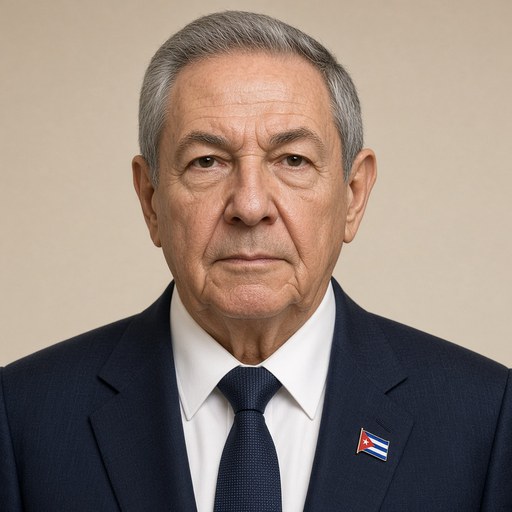
Speech delivered at the closing of the IX Congress of the Union of Young Communists. Havana,
 Raúl Castro · President of Cuba
- Context
- Castro addressed the closing session of the IX Congress of the Union of Young Communists in Havana on April 3, 2010, outlining economic and ideological priorities for Cuban youth.
- Main themes
- Economic battle as main task, Cuban youth and the Union of Young Communists, ideological work, socialism and social conquests, cadre policy and organizational discipline, agriculture and food production, media campaigns against the Cuban Revolution, special period legacy, work ethic and labor shortages, education and healthcare sustainability, anti-paternalism and economic reform
- Duration
- ~31 min
- Words
- 3,705
- Sentences
- 117
- Readability
- 36
- Grade
- 15.9
- Syntax
- 3.24
- Vocabulary
- 2.26
Translated from Spanish
The broad sphere of national life a sentence belongs to. Every sentence has an Arena, so it is the denominator the other indices are read against.
Other117 sentences in 69 paragraphs
Comrades and fellow delegates and guests:
We have had a good Congress, which really began in October of last year with the open meetings in which hundreds of thousands of young people participated, and continued with the review assemblies of the grassroots organizations and the municipal and provincial committees, where the agreements adopted in these final sessions began to take shape.
If there is one thing that has been abundant in the little more than five years since Fidel closed the VIII Congress of the UJC on December 5, 2004, it has been work and challenges.
We celebrate this Congress in the midst of one of the fiercest and most concerted media campaigns against the Cuban Revolution in its 50 years of existence, a topic to which I will necessarily have to refer later.
Although I could not attend the assemblies prior to the Congress, I have kept myself informed in summary of all of them. I know that little has been said about achievements to focus on the problems, looking inward and not spending more time than necessary evaluating external factors. This is the style that should permanently characterize the work of the UJC, in contrast to those who dedicate themselves to looking for the speck in someone else's eye instead of using that effort to do what they are supposed to do.
It has been gratifying to hear many young people dedicated to production explain with pride and simple words the work they do, hardly mentioning material difficulties and bureaucratic obstacles that affect them.
Many of the deficiencies analyzed are not new; they have accompanied the organization for quite some time. Previous congresses adopted the corresponding agreements on them, and yet they are reiterated to a greater or lesser extent, which is a demonstration of the insufficient systematicity and rigor in monitoring their compliance.
In this sense, it is fair and necessary to repeat something that comrades Machado and Lazo, who presided over numerous assemblies, have insisted on: the Party feels equally responsible for every deficiency in the work of the UJC, especially for the problems in the cadre policy.
We must not allow, once again, the approved documents to become dead letters and be shelved as mere memories. They must constitute the guide for daily action at the National Bureau level and for each member. The fundamental has already been agreed upon by you; now what remains is to work.
Some are very critical when referring to today's youth and forget that they too were once young. It would be foolish to pretend that the new pines are the same as those of past times; a wise proverb states: men resemble their time more than their parents.
Cuban youth have always been willing to face challenges, as they demonstrated in the recovery from the damage caused by hurricanes, in confronting enemy provocations, and in defense tasks; I could mention many more.
THE ECONOMIC BATTLE IS, TODAY MORE THAN EVER, THE MAIN TASK AND THE CENTER OF IDEOLOGICAL WORK.
The average age of the delegates to the Congress is 28 years; they all grew up during these hard years of the special period and have participated in the efforts of our people to maintain the main conquests of socialism in the midst of a very complex economic situation.
Precisely because of the importance of having the vanguard of youth aware of our economic reality, the Political Bureau Commission, considering the positive experience of the analysis carried out in this regard with the Deputies of the National Assembly, approved providing the municipal assemblies of the UJC with information that describes, in all its harshness, the current situation and prospects in this area, which more than 30,000 young militants received, as did the main party leaders, mass organizations, and governments at different levels.
The economic battle constitutes today, more than ever, the main task and the center of the ideological work of the cadres, because the sustainability and preservation of our social system depend on it.
Without a solid and dynamic economy, without eliminating superfluous expenses and waste, we cannot advance in raising the standard of living of the population, nor will it be possible to maintain and improve the high levels achieved in education and health that are guaranteed free of charge to all citizens.
Without a strong and efficient agriculture that we can develop with the resources we have, without dreaming of the large allocations of other times, we cannot aspire to sustain and elevate the food supply for the population, which still depends so much on importing products that can be grown in Cuba.
Without people feeling the need to work to live, sheltered by excessively paternalistic and irrational state regulations, we will never stimulate a love for work, nor will we solve the chronic shortage of builders, agricultural and industrial workers, teachers, police officers, and other indispensable trades that are gradually disappearing.
Without the formation of a firm and systematic social rejection of illegalities and various manifestations of corruption, many will continue to enrich themselves at the expense of the sweat of the majority, spreading attitudes that directly attack the essence of socialism.
If we maintain inflated payrolls in almost all areas of national activity and pay salaries without a link to results, increasing the money supply in circulation, we cannot expect prices to stop their constant rise, deteriorating the purchasing power of the people. We know that there are hundreds of thousands of workers surplus in the budgeted and business sectors; some analysts estimate that the excess of positions exceeds one million people, and this is a very sensitive issue that we have a duty to face with firmness and political sense.
The Revolution will not leave anyone helpless; it will fight to create the conditions for all Cubans to have decent jobs, but it is not about the State taking charge of placing each one after several job offers. The first interested in finding socially useful work must be the citizens themselves.
In summary, continuing to spend beyond income simply amounts to eating away at the future and putting the very survival of the Revolution at risk.
We face realities that are not pleasant, but we do not close our eyes to them. We are convinced that we must break dogmas, and we firmly and confidently embrace the updating, already underway, of our economic model, with the purpose of laying the foundations for the irreversibility and development of Cuban socialism, which we know constitutes the guarantee of national independence and sovereignty.
I do not ignore that some comrades sometimes become desperate, wishing for immediate changes in multiple spheres. Naturally, I am now referring to those who do so without the intention of playing into the enemy's hands. We understand those concerns, which generally arise from a lack of understanding of the magnitude of the task ahead of us, the depth and complexity of the interrelations among the different factors of the functioning of society that must be modified.
Those who call for faster progress must take into account the myriad of issues we are studying, of which I have only mentioned a few today. We must avoid that, due to haste or improvisation, trying to solve one problem, we cause another greater one. In matters of strategic importance for the life of the entire nation, we cannot let ourselves be guided by emotions and act without the required comprehensiveness. That is, as we have already explained, the only reason why we decided to postpone the celebration of the Party Congress and the National Conference that will precede it for a few more months.
This is the greatest and most important challenge we have to ensure the continuity of the work built over these 50 years, which our youth has taken on with total responsibility and conviction. The slogan that presides over this Congress is "Everything for the Revolution," and that means, first and foremost, strengthening and consolidating the national economy.
CUBAN YOUTH IS CALLED TO TAKE OVER FROM THE FOUNDING GENERATION OF THE REVOLUTION.
Cuban youth is called to take over from the founding generation of the Revolution, and to lead the great force of the masses requires a vanguard that convinces and mobilizes, based on the authority that emanates from personal example, led by firm, capable, and prestigious leaders, true leaders, not improvisers, who have gone through the irreplaceable forging of the working class, in whose midst the most genuine values of a revolutionary are cultivated. Life has eloquently demonstrated to us the danger of violating that principle.
Fidel expressed it clearly at the closing of the Second Congress of the UJC on April 4, 1972: I quote:
"No one will learn to swim on land, and no one will walk on the sea. Man is made by his environment; man is made by his own life, his own activity." And he concluded:
"We will learn to respect what work creates by creating. We will teach to respect those goods by teaching how to create those goods."
This idea, pronounced 38 years ago and surely applauded at that congress, is another evident example of the issues we agreed upon and then did not fulfill.
Today more than ever, we need cadres capable of carrying out effective ideological work, which cannot be a dialogue of the deaf or a mechanical repetition of slogans; leaders who reason with solid arguments, without believing themselves to be absolute owners of the truth; who know how to listen, even if they do not like what some say; who value the opinions of others with an open mind, which does not exclude rebutting with sound arguments and energy those that are unacceptable.
Fostering frank discussion and not seeing disagreement as a problem, but as the source of the best solutions. Absolute unanimity is generally fictitious and therefore harmful. Contradiction, when it is not antagonistic as in our case, is a motor of development. We must intentionally suppress anything that feeds simulation and opportunism. Learning to weigh opinions, stimulating unity, and strengthening collective leadership are traits that must characterize the future leaders of the Revolution.
Young people with the necessary attitude and capacity to assume leadership tasks exist throughout the country. The challenge is to discover them, prepare them, and gradually assign them greater responsibilities. The masses will confirm that the selection was correct.
We appreciate that progress continues to be made regarding ethnic and gender composition. It is a direction in which we cannot afford setbacks or superficialities and in which the UJC must work permanently. By the way, I emphasize that this is another of the agreements we adopted, in this case 35 years ago at the First Congress of the Party, whose compliance we later left to spontaneous generation and did not control as we should have, being this also one of Fidel's first pronouncements on repeated occasions since the triumph of the Revolution.
CUBA DOES NOT FEAR LIES NOR DOES IT BOW TO PRESSURES, CONDITIONS, OR IMPOSITIONS; IT DEFENDS ITSELF WITH THE TRUTH THAT ALWAYS, SOONER OR LATER, ENDS UP PREVAILING.
As I said at the beginning, the celebration of this Congress has coincided with a colossal campaign of discredit against Cuba, organized, directed, and financed from the centers of imperial power in the United States and Europe, hypocritically waving the banners of human rights.
The death of a person sentenced to deprivation of liberty in 14 cases for common crimes has been cynically and shamelessly manipulated, turned into a "political dissident" by the work and grace of repeated lies and the desire to receive economic support from abroad, who was incited to maintain a hunger strike with absurd demands.
Despite the efforts of our doctors, he passed away, which we also lamented at the time and denounced to the only beneficiaries of this fact, the same ones who today encourage another individual to continue in a similar unacceptable act of blackmail. This latter, despite so much slander, is not in prison; he is a free person who served a sentence for common crimes, specifically for assaulting and injuring a woman, a doctor and director of a hospital, whom he also threatened with death, and subsequently an elderly person of almost 70 years, from whom a spleen had to be removed. As in the previous case, efforts are being made to save his life, but if he does not change his self-destructive attitude, he will be responsible, along with his sponsors, for the outcome that we also do not desire.
The double standard of those in Europe who maintain complicit silence in the face of torture in the so-called war against terrorism is repugnant; they allowed CIA clandestine flights that transported prisoners and even lent their territory for the creation of secret prisons.
What would they say if, like them, we had violated ethical norms and force-fed these people, as has been routinely done, among many other torture centers, at Guantanamo Naval Base? By the way, they are the same ones who, in their own countries, as shown on television almost daily, use police forces in mounted charges against demonstrators, beating them and firing tear gas and even bullets. What can be said about the frequent mistreatment and humiliation to which they subject immigrants?
The great Western press not only attacks Cuba, it has also launched a new form of relentless media terror against political leaders, intellectuals, artists, and other personalities around the globe who raise their voices against fallacy and hypocrisy and simply evaluate events objectively.
Meanwhile, it seems that the champions of the so-called freedom of the press have forgotten that the economic and commercial blockade against Cuba and all its inhumane effects on our people remain fully in force and are intensifying; that the current administration of the United States has not ceased in the slightest to support subversion; that the unjust, discriminatory, and interventionist common position of the European Union, sponsored at the time by the U.S. government and the Spanish far-right, remains in place demanding a regime change in our country, or in other words, the destruction of the Revolution.
More than half a century of permanent struggle has taught our people that hesitation is synonymous with defeat.
We will never yield to blackmail, from any country or group of nations, no matter how powerful they may be, come what may. We have the right to defend ourselves. If they intend to corner us, know that we will know how to take cover, first and foremost in truth and principles. Once again, we will be firm, calm, and patient. There are plenty of examples in our history!
This is how our heroic mambises fought in the wars for independence in the 19th century.
This is how we defeated the last offensive of ten thousand heavily armed soldiers of the tyranny, initially faced by just 200 rebel fighters who, under the direct command of Commander in Chief Fidel Castro Ruz, during 75 days, from May 24 to August 6, 1958, carried out more than 100 combat actions, including four battles in a small territory of between 650 and 700 square kilometers, that is, an area smaller than that occupied by the City of Havana. This great Operation decided the course of the war, and a little over four months later, the triumph of the Revolution occurred, which prompted Commander Ernesto Che Guevara to write in his campaign diary, I quote: "The Batista army came out with its backbone broken from this last offensive on the Sierra Maestra." End of quote.
Nor were we intimidated by the Yankee fleet off the coast of Playa Girón in 1961. Right under their noses, we annihilated their mercenary army, which constituted the first defeat of a military adventure by the United States on this continent.
We did it again in 1962 during the October Crisis. We did not yield an inch in the face of the brutal threats of an enemy that pointed its nuclear weapons at us and was preparing to invade the island, nor did we do so when, having negotiated behind our backs the conditions to resolve the crisis, the leaders of the Soviet Union, our main ally in such a difficult situation and on whose support the fate of the Revolution depended, respectfully tried to convince us to accept the inspection on our homeland of the withdrawal of their nuclear weapons, and we responded that in any case it would be done aboard their ships in international waters, but never in Cuba.
We are confident that worse circumstances than those are unlikely to be repeated.
In more recent times, the Cuban people gave an indelible demonstration of their capacity for resistance and self-confidence when, as a result of the disappearance of the socialist camp and the disintegration of the Soviet Union, Cuba suffered a 35 percent drop in its Gross Domestic Product, an 85 percent reduction in foreign trade, the loss of markets for its main exports, such as sugar, nickel, citrus, and others, whose prices fell by half, the disappearance of credits under favorable conditions with the consequent interruption of numerous vital investments such as the first nuclear power plant and the Cienfuegos Refinery, the collapse of transportation, construction, and agriculture as the supply of spare parts for technology, fertilizers, feed, and raw materials for industries was abruptly cut off, causing the paralysis of hundreds and hundreds of factories and the abrupt quantitative and qualitative deterioration of our people's food to levels below the recommended nutrition. We all suffered those hot summers of the first half of the 1990s with blackouts exceeding 12 hours a day due to a lack of fuel to generate electricity, and while all this was happening, dozens of Western press agencies, some of them not hiding their glee, dispatched correspondents to Cuba with the intention of being the first to report the definitive defeat of the Revolution.
In the midst of this dramatic situation, no one was left to their fate, and the strength that emanates from the unity of the people when defending just ideas and a work built with so much sacrifice was evident. Only a socialist regime, despite its deficiencies, is capable of overcoming such a gigantic test.
Therefore, the current skirmishes of the offensive of international reaction do not keep us awake at night, coordinated as always by those who refuse to understand that this country will never be subdued, by one means or another, it would rather disappear as we demonstrated in 1962.
Just 142 years ago, on October 10, 1868, this Revolution began, then fighting against a decaying European colonialism, always under the boycott of the nascent American imperialism that did not want our independence, until the "ripe fruit" fell by "geographical gravity" into its hands. This happened after more than 30 years of wars and enormous sacrifices by the Cuban people.
Now the external actors have exchanged their roles. For more than half a century, we have been constantly attacked and besieged by the now modern and most powerful empire on the planet, aided by the boycott that entails the outrageous Common Position, which remains intact thanks to the pressures from some countries and reactionary political forces in the European Union with various unacceptable conditions.
We ask ourselves why? and we consider that simply, because essentially the actors remain the same and do not renounce their old aspirations for domination.
Cuban revolutionary youth understand perfectly that to preserve the Revolution and Socialism and continue to be dignified and free, they have many more years of struggle and sacrifice ahead of them.
At the same time, colossal challenges loom over humanity, and it is primarily up to the youth to face them. It is about defending the very survival of the human species, threatened like never before by climate change, which is accelerated by the irrational patterns of production and consumption engendered by capitalism.
Today we are seven billion inhabitants of the planet. Half of them are poor, one billion twenty million go hungry. One must wonder what will happen in 2050, when the world population rises to nine billion and the conditions of existence on Earth have deteriorated even further.
The farce that concluded the last summit in the capital of Denmark, in December of last year, is a demonstration that capitalism with its blind market laws will never resolve this or many other problems. Only the awareness and mobilization of the peoples, the political will of governments, and the advancement of scientific and technological knowledge can prevent the extinction of mankind.
To conclude, I want to refer to the fact that in April of next year, it will be half a century since the proclamation of the socialist character of the Revolution and the crushing victory over the mercenary invasion at Playa Girón.
We will celebrate these momentous events in every corner of the country, from Baracoa where they attempted to land a battalion, to the westernmost tip of the nation, and in the capital, we will hold a great popular parade and a military review, all activities in which workers, intellectuals, and youth will be the main protagonists.
In a few days, on May 1st, our revolutionary people, throughout the country, in the streets and public squares that rightfully belong to them, will give another resounding response to this new international escalation of aggression.
Cuba does not fear lies nor kneels before pressures, conditions, or impositions, no matter where they come from; it defends itself with the truth, which always, sooner or later, ends up prevailing.
Forty-eight years ago, on a day like today, the Union of Young Communists was born. On that historic April 4, 1962, Fidel stated:
"To believe in the youth is to see in them, in addition to enthusiasm, capacity; in addition to energy, responsibility; in addition to youth, purity, heroism, character, will, love for the homeland, faith in the homeland, love for the Revolution, faith in the Revolution, confidence in themselves!, a deep conviction that youth can, that youth is capable, a deep conviction that great tasks can be placed on the shoulders of youth," he concluded.
So it was yesterday, it is today, and it will continue to be in the future.
Thank you very much.
The original Spanish. The tags above are read on the English translation's sentences.
Compañeras y compañeros delegados e invitados:
Hemos tenido un buen Congreso, que realmente se inició en octubre del pasado año con las reuniones abiertas en que participaron cientos de miles de jóvenes, continuó con las asambleas de balance de las organizaciones de base y de los comités municipales y provinciales, en que fueron tomando forma los acuerdos adoptados en estas sesiones finales.
Si algo ha abundado en los poco más de cinco años transcurridos desde que Fidel clausuró el VIII Congreso de la UJC, el 5 de diciembre de 2004, ha sido el trabajo y los desafíos.
Celebramos este Congreso en medio de una de las más feroces y concertadas campañas mediáticas contra la Revolución Cubana en sus 50 años de existencia, tema al que necesariamente tendré que referirme más adelante.
Aunque no pude asistir a las asambleas previas al Congreso, me he mantenido informado de manera resumida de todas ellas. Conozco que se ha hablado poco de logros para concentrarse en los problemas, mirándose hacia adentro y sin emplear más tiempo del necesario en valorar los factores externos. Es el estilo que debe caracterizar de modo permanente el trabajo de la UJC, frente a aquellos que se dedican a buscar la paja en el ojo ajeno en vez de emplear ese esfuerzo en hacer lo que les corresponde.
Ha sido gratificante escuchar a muchos jóvenes dedicados a la producción explicar con orgullo y palabras sencillas la labor que realizan, sin apenas mencionar dificultades materiales y trabas burocráticas que los afectan.
Muchas de las deficiencias analizadas no son nuevas, han acompañado a la organización desde hace bastante tiempo, sobre ellas los congresos anteriores adoptaron los acuerdos correspondientes y sin embargo se reiteran en mayor o menor medida, lo cual es una demostración de la insuficiente sistematicidad y rigor en el control de su cumplimiento.
En este sentido es justo y necesario repetir algo en lo que los compañeros Machado y Lazo, que presidieron numerosas asambleas, han insistido: el Partido se siente igualmente responsable de cada deficiencia del trabajo de la UJC, muy especialmente de los problemas en la política de cuadros.
No debemos permitir que, una vez más, los documentos aprobados se conviertan en letra muerta y se engaveten a modo de memorias. Deben constituir la guía para la acción cotidiana a nivel del Buró Nacional y de cada militante. Lo fundamental ya ha sido acordado por ustedes, ahora lo que resta es trabajar.
Algunos son muy críticos al referirse a la juventud de hoy y se olvidan que ellos también un día fueron jóvenes. Sería iluso pretender que los pinos nuevos sean iguales a los de épocas pasadas, un sabio proverbio reza: los hombres se parecen más a su tiempo que a sus padres.
Los jóvenes cubanos han estado siempre dispuestos a afrontar los retos, así lo demostraron en la recuperación de los daños causados por los huracanes, el enfrentamiento a las provocaciones del enemigo y las tareas de la defensa, podría mencionar muchos más.
LA BATALA ECONÓMICA CONSTITUYE, HOY MÁS QUE NUNCA, LA TAREA PRINCIPAL Y EL CENTRO DEL TRABAJO IDEOLÓGICO.
La edad promedio de los delegados al Congreso es de 28 años, todos crecieron por tanto en estos duros años de período especial y han sido partícipes de los esfuerzos de nuestro pueblo para mantener las conquistas principales del socialismo en medio de una situación económica muy compleja.
Precisamente, por la importancia de que la vanguardia de la juventud esté al tanto de nuestra realidad económica, la Comisión del Buró Político, considerando la positiva experiencia del análisis efectuado al respecto con los Diputados de la Asamblea Nacional, aprobó brindar a las asambleas municipales de la UJC una información que describe, con toda crudeza, la situación actual y las perspectivas en esta materia, la cual recibieron más de 30 mil jóvenes militantes, al igual que los principales dirigentes partidistas, de las organizaciones de masas y los gobiernos a los diferentes niveles.
La batalla económica constituye hoy, más que nunca, la tarea principal y el centro del trabajo ideológico de los cuadros, porque de ella depende la sostenibilidad y preservación de nuestro sistema social.
Sin una economía sólida y dinámica, sin eliminar gastos superfluos y el derroche, no se podrá avanzar en la elevación del nivel de vida de la población, ni será posible mantener y mejorar los elevados niveles alcanzados en la educación y la salud que gratuitamente se garantizan a todos los ciudadanos.
Sin una agricultura fuerte y eficiente que podemos desarrollar con los recursos de que disponemos, sin soñar con las grandes asignaciones de otros tiempos, no podemos aspirar a sostener y elevar la alimentación de la población, que tanto depende todavía de importar productos que pueden cultivarse en Cuba.
Sin que las personas sientan la necesidad de trabajar para vivir, amparadas en regulaciones estatales excesivamente paternalistas e irracionales, jamás estimularemos el amor por el trabajo, ni solucionaremos la falta crónica de constructores, obreros agrícolas e industriales, maestros, policías y otros oficios indispensables que poco a poco van desapareciendo.
Sin la conformación de un firme y sistemático rechazo social a las ilegalidades y diversas manifestaciones de corrupción, seguirán no pocos, enriquecidos a costa del sudor de la mayoría, diseminando actitudes que atacan directamente a la esencia del socialismo.
Si mantenemos plantillas infladas en casi todos los ámbitos del quehacer nacional y pagamos salarios sin vínculo con los resultados, elevando la masa de dinero en circulación, no podemos esperar que los precios detengan su ascenso constante, deteriorando la capacidad adquisitiva del pueblo. Sabemos que sobran cientos de miles de trabajadores en los sectores presupuestado y empresarial, algunos analistas calculan que el exceso de plazas sobrepasa el millón de personas y este es un asunto muy sensible que estamos en el deber de enfrentar con firmeza y sentido político.
La Revolución no dejará a nadie desamparado, luchará por crear las condiciones para que todos los cubanos tengan empleos dignos, pero no se trata de que el Estado se encargue de ubicar a cada uno tras varias ofertas laborales. Los primeros interesados en encontrar un trabajo socialmente útil deben ser los propios ciudadanos.
En resumen, continuar gastando por encima de los ingresos sencillamente equivale a comernos el futuro y poner en riesgo la supervivencia misma de la Revolución.
Nos enfrentamos a realidades nada agradables, pero no cerramos los ojos ante ellas. Estamos convencidos de que hay que romper dogmas y asumimos con firmeza y confianza la actualización, ya en marcha, de nuestro modelo económico, con el propósito de sentar las bases de la irreversibilidad y el desarrollo del socialismo cubano , que sabemos constituye la garantía de la independencia y soberanía nacional.
No ignoro que algunos compañeros a veces se desesperan, deseando cambios inmediatos en múltiples esferas. Naturalmente me refiero ahora a aquellos que lo hacen sin la intención de prestarse al juego del enemigo. Comprendemos esas inquietudes que por lo general se originan en el desconocimiento de la magnitud de la tarea que tenemos por delante, la profundidad y complejidad de las interrelaciones entre los diferentes factores del funcionamiento de la sociedad que deberán modificarse.
Los que piden avanzar más rápido, deben tener en cuenta el rosario de asuntos que estamos estudiando, de los cuales sólo les he mencionado hoy algunos. Debemos evitar que por apresuramiento o improvisación, tratando de solucionar un problema, causemos otro mayor. En asuntos de envergadura estratégica para la vida de toda la nación no podemos dejarnos conducir por emociones y actuar sin la integralidad requerida. Esa es, como ya explicamos, la única razón por la cual decidimos posponer unos meses más la celebración del Congreso del Partido y la Conferencia Nacional que lo precederá.
Este es el mayor y más importante desafío que tenemos para asegurar la continuidad de la obra construida en estos 50 años, que nuestra juventud ha asumido con total responsabilidad y convicción. El lema que preside este Congreso es Todo por la Revolución y ello significa, en primer lugar, fortalecer y consolidar la economía nacional.
LA JUVENTUD CUBANA ESTÁ LLAMADA A TOMAR EL RELEVO DE LA GENERACIÓN FUNDADORA DE LA REVOLUCIÓN.
La juventud cubana está llamada a tomar el relevo de la generación fundadora de la Revolución y para conducir la gran fuerza de las masas requiere de una vanguardia que convenza y movilice, a partir de la autoridad que emana del ejemplo personal, encabezada por dirigentes firmes, capaces y prestigiosos, líderes de verdad, no improvisados, que hayan pasado por la insustituible forja de la clase obrera, en cuyo seno se cultivan los valores más genuinos de un revolucionario. La vida nos ha demostrado con elocuencia el peligro de violar ese principio.
Fidel lo expresó claramente en la clausura del Segundo Congreso de la UJC, el 4 de abril de 1972: cito:
"Nadie aprenderá a nadar sobre la tierra, y nadie caminará sobre el mar. Al hombre lo hace su medio ambiente, al hombre lo hace su propia vida, su propia actividad. Y concluyó:
Aprenderemos a respetar lo que crea el trabajo, creando. Enseñaremos a respetar esos bienes, enseñándolo a crear esos bienes.
Esta idea, pronunciada hace 38 años y que seguramente fue ovacionada en aquel congreso, es otra muestra evidente de los asuntos que acordamos y que luego no cumplimos.
Hoy más que nunca se requieren cuadros capaces de llevar a cabo una labor ideológica efectiva, que no puede ser diálogo de sordos ni repetición mecánica de consignas; dirigentes que razonen con argumentos sólidos, sin creerse dueños absolutos de la verdad; que sepan escuchar, aunque no agrade lo que algunos digan; que valoren con mente abierta los criterios de los demás, lo que no excluye rebatir con fundamentos y energía aquellos que resulten inaceptables.
Fomentar la discusión franca y no ver en la discrepancia un problema, sino la fuente de las mejores soluciones. La unanimidad absoluta generalmente es ficticia y por tanto dañina. La contradicción, cuando no es antagónica como es nuestro caso, es motor del desarrollo. Debemos suprimir, con toda intencionalidad, cuanto alimente la simulación y el oportunismo. Aprender a colegiar las opiniones, estimular la unidad y fortalecer la dirección colectiva, son rasgos que deben caracterizar a los futuros dirigentes de la Revolución.
Jóvenes con la actitud y capacidad necesarias para asumir tareas de dirección existen a lo largo y ancho del país. El reto es descubrirlos, prepararlos y asignarles paulatinamente mayores responsabilidades. Las masas se encargarán de confirmar que la selección fue correcta.
Apreciamos que continúa avanzándose en cuanto a la composición étnica y de género. Es una dirección en la que no podemos permitirnos retrocesos ni superficialidades y en la que la UJC debe trabajar de manera permanente. De paso, recalco que es otro de los acuerdos que adoptamos, en este caso hace 35 años en el Primer Congreso del Partido, cuyo cumplimiento después dejamos a la generación espontánea y no controlamos como correspondía, siendo este además uno de los primeros pronunciamientos de Fidel en reiteradas ocasiones, desde el triunfo de la Revolución.
CUBA NO TEME A LA MENTIRA NI SE ARRODILLA ANTE LAS PRESIONES, CONDICIONAMIENTOS O IMPOSICIONES, SE DEFIENDE CON LA VERDAD QUE SIEMPRE, MÁS TEMPRANO QUE TARDE, TERMINA POR IMPONERSE.
Como les decía al principio, la celebración de este Congreso ha coincidido con una descomunal campaña de descrédito contra Cuba, organizada, dirigida y financiada desde los centros del poder imperial en Estados Unidos y Europa, enarbolando hipócritamente las banderas de los derechos humanos.
Se ha manipulado con cinismo y desfachatez la muerte de un sancionado a privación de libertad en 14 causas por delitos comunes, devenido por obra y gracia de la mentira repetida y el afán de recibir apoyo económico desde el exterior, en un disidente político, que fue incitado a mantener una huelga de hambre con demandas absurdas.
A pesar de los esfuerzos de nuestros médicos falleció, lo que también lamentamos en su momento y denunciamos a los únicos beneficiarios de este hecho, los mismos que hoy estimulan a otro individuo a continuar en actitud similar de chantaje inaceptable. Este último, a pesar de tanta calumnia, no está en prisión, es una persona en libertad que cumplió sanción por delitos comunes, en específico por agredir y lesionar a una mujer, médico y directora de un hospital, a la que además amenazó de muerte, y posteriormente a una persona anciana de casi 70 años, a quien hubo que extirparle el bazo. Al igual que en el caso anterior, se está haciendo lo posible por salvarle la vida, pero si no modifica su actitud autodestructiva, será responsable, junto a sus patrocinadores, del desenlace que tampoco deseamos.
Repugna el doble rasero de quienes en Europa guardan cómplice silencio frente a las torturas en la llamada guerra contra el terrorismo, permitieron vuelos clandestinos de la CIA que trasladaban prisioneros y hasta prestaron su territorio para la creación de cárceles secretas.
Qué dirían si como ellos hubiéramos violado las normas éticas y alimentáramos por la fuerza a estas personas, como se ha hecho habitualmente, entre otros muchos centros de tortura, en la Base Naval de Guantánamo. Por cierto, son los mismos que en sus propios países, como muestra la televisión casi a diario, emplean a las fuerzas policiales en cargas a caballo contra manifestantes, apaleándolos y disparándoles gases lacrimógenos y hasta balas. ¿Qué decir de los frecuentes maltratos y humillaciones a que someten a los inmigrantes?
La gran prensa occidental no sólo ataca a Cuba, también ha estrenado una nueva modalidad de implacable terror mediático contra los líderes políticos, intelectuales, artistas y otras personalidades que en todo el planeta alzan su voz contra la falacia y la hipocresía y simplemente evalúan los acontecimientos de manera objetiva.
Mientras tanto, pareciera que a los abanderados de la cacareada libertad de prensa se les ha olvidado que el bloqueo económico y comercial contra Cuba y todos sus inhumanos efectos sobre nuestro pueblo, conservan plena vigencia y se recrudecen; que la actual administración de los Estados Unidos no ha cesado en lo más mínimo el apoyo a la subversión; que la injusta, discriminatoria e injerencista posición común de la Unión Europea, patrocinada en su momento por el gobierno norteamericano y la extrema derecha española, sigue en pie reclamando un cambio de régimen en nuestro país, o lo que es lo mismo, la destrucción de la Revolución.
Más de medio siglo de combate permanente ha enseñado a nuestro pueblo que la vacilación es sinónimo de derrota.
No cederemos jamás al chantaje, de ningún país o conjunto de naciones por poderosas que sean, pase lo que pase. Tenemos derecho a defendernos. Si pretenden acorralarnos, sepan que sabremos parapetarnos, en primer lugar en la verdad y los principios. Una vez más seremos firmes, serenos y pacientes ¡Sobran los ejemplos en nuestra historia!
Así pelearon nuestros heroicos mambises en las guerras por la independencia en el siglo XIX.
Así derrotamos la última ofensiva de diez mil soldados de la tiranía fuertemente armados, enfrentados inicialmente por apenas 200 combatientes rebeldes que bajo el mando directo del Comandante en Jefe Fidel Castro Ruz, durante 75 días, del 24 de mayo y el 6 de agosto de 1958, libraron más de 100 acciones combativas, incluidas cuatro batallas en un pequeño territorio de entre 650 y 700 kilómetros cuadrados, es decir, un área menor que la que ocupa Ciudad de La Habana. Esta gran Operación decidió el curso de la guerra y poco más de cuatro meses después se produjo el triunfo de la Revolución, lo que motivó al Comandante Ernesto Che Guevara a escribir en su diario de campaña, cito: El ejército batistiano salió con su espina dorsal rota de esta postrera ofensiva sobre la Sierra Maestra. Fin de la cita.
Tampoco nos amedrentó la flota yanqui frente a las costas de Playa Girón en 1961. En sus propias narices aniquilamos a su ejército mercenario, en lo que constituyó la primera derrota de una aventura militar de los Estados Unidos en este continente.
Así lo hicimos nuevamente en 1962 durante la Crisis de Octubre. Ni un milímetro cedimos frente a las brutales amenazas de un enemigo que nos apuntaba con sus armas nucleares y se disponía a invadir la isla, ni siquiera lo hicimos tampoco cuando, negociadas a nuestras espaldas las condiciones para solucionar la crisis, los dirigentes de la Unión Soviética, el principal aliado en tan difícil coyuntura y de cuyo apoyo dependía la suerte de la Revolución, de manera respetuosa trataron de convencernos para que aceptáramos la inspección en el suelo patrio de la retirada de su armamento nuclear y les respondimos que en todo caso se haría a bordo de sus barcos en aguas internacionales, pero nunca en Cuba.
Estamos seguros de que circunstancias peores que aquellas difícilmente puedan repetirse.
Ya en época más reciente, el pueblo cubano dio una muestra imborrable de su capacidad de resistencia y confianza en sí mismo cuando, como resultado de la desaparición del campo socialista y la desintegración de la Unión Soviética, Cuba sufrió la caída de su Producto Interno Bruto en un 35 por ciento, la reducción del comercio exterior en el 85 por ciento, la pérdida de los mercados de sus principales exportaciones, como el azúcar, níquel, cítricos y otros, cuyos precios descendieron a la mitad, la desaparición de créditos en condiciones favorables con la consiguiente interrupción de numerosas inversiones vitales como la primera Central electronuclear y la Refinería de Cienfuegos, el colapso del transporte, las construcciones y la agricultura al suprimirse de golpe el suministro de piezas de repuesto para la técnica, los fertilizantes, piensos y las materias primas de las industrias, provocando la paralización de cientos y cientos de fábricas y el abrupto deterioro cuantitativo y cualitativo de la alimentación de nuestro pueblo hasta niveles por debajo de la nutrición recomendada. Todos sufrimos aquellos calurosos veranos de la primera mitad de la década del 90 del siglo pasado con apagones superiores a las 12 horas diarias por falta de combustible para generar electricidad, y mientras todo esto acontecía, decenas de agencias de prensa occidentales, algunas de ellas sin disimular su regocijo, despachaban corresponsales a Cuba con la intención de ser las primeras en reportar la derrota definitiva de la Revolución.
En medio de esta dramática situación, nadie quedó abandonado a su suerte y se evidenció la fuerza que emana de la unidad del pueblo cuando se defienden ideas justas y una obra construida con tanto sacrificio. Sólo un régimen socialista, a pesar de sus deficiencias, es capaz de superar gigantesca prueba.
No nos quitan por tanto el sueño las actuales escaramuzas de la ofensiva de la reacción internacional, coordinada como siempre por quienes no se resignan a comprender que este país jamás será doblegado, por una vía u otra, antes prefiere desaparecer como lo demostramos en 1962.
Hace sólo 142 años, el 10 de octubre de 1868, dio inicio esta Revolución, entonces se luchaba frente a un decadente colonialismo europeo, siempre bajo el boicot del naciente imperialismo norteamericano que no deseaba nuestra independencia, hasta que la fruta madura cayera por gravedad geográfica en sus manos. Así sucedió al cabo de más de 30 años de guerras y enormes sacrificios del pueblo cubano.
Ahora los actores externos han intercambiado sus papeles. Desde hace más de medio siglo nos agrede y asedia constantemente el ya moderno y más poderoso imperio del planeta, auxiliándose del boicot que entraña la ultrajante Posición Común, que se mantiene intacta gracias a las presiones de algunos países y fuerzas políticas reaccionarias de la Unión Europea con diversos condicionamientos inaceptables.
Nos preguntamos ¿por qué? y consideramos que sencillamente, porque en esencia los actores siguen siendo los mismos y no renuncian a sus viejas aspiraciones de dominación.
Los jóvenes revolucionarios cubanos comprenden perfectamente que para preservar la Revolución y el Socialismo y continuar siendo dignos y libres tienen por delante muchos años más de lucha y sacrificios.
Al propio tiempo, se ciernen sobre la humanidad colosales desafíos y corresponde, en primer lugar, a los jóvenes enfrentarlos. Se trata de defender la supervivencia misma de la especie humana, amenazada como nunca antes por el cambio climático, que se acelera por los patrones irracionales de producción y consumo que engendra el capitalismo.
Hoy somos siete mil millones los habitantes del planeta. La mitad de ellos son pobres, mil veinte millones pasan hambre. Cabe preguntarse qué ocurrirá en el 2050, cuando la población mundial ascienda a nueve mil millones y se hayan deteriorado aún más las condiciones de existencia sobre la Tierra.
La farsa en que concluyó la última cumbre en la capital de Dinamarca, en diciembre del pasado año, es una demostración de que el capitalismo con sus ciegas leyes de mercado jamás resolverá éste ni otros muchos problemas. Sólo la conciencia y la movilización de los pueblos, la voluntad política de los gobiernos y el avance del conocimiento científico y tecnológico podrán impedir la extinción del hombre.
Para finalizar quiero referirme a que en abril del próximo año se cumplirá medio siglo de la proclamación del carácter socialista de la Revolución y de la aplastante victoria sobre la invasión mercenaria en Playa Girón.
Celebraremos estos trascendentales acontecimientos en todos los rincones del país, desde Baracoa donde pretendieron desembarcar un batallón, hasta el extremo occidental de la nación y en la capital realizaremos un gran desfile popular y una revista militar, actividades todas en las que trabajadores, intelectuales y jóvenes serán los principales protagonistas.
Dentro de pocos días, el Primero de Mayo, nuestro pueblo revolucionario, a lo largo y ancho del país, en las calles y plazas públicas que por derecho le pertenecen, dará otra contundente respuesta a esta nueva escalada internacional de agresiones.
Cuba no teme a la mentira ni se arrodilla ante presiones, condicionamientos o imposiciones, vengan de donde vengan, se defiende con la verdad, que siempre, más temprano que tarde, termina por imponerse.
Hace 48 años, un día como hoy, nació la Unión de Jóvenes Comunistas. Aquel histórico 4 de abril de 1962 Fidel afirmó:
Creer en los jóvenes es ver en ellos además de entusiasmo, capacidad; además de energía, responsabilidad; además de juventud, pureza, heroísmo, carácter, voluntad, amor a la patria ¡fe en la patria!, ¡amor a la Revolución, fe en la Revolución, confianza en sí mismos!, convicción profunda de que la juventud puede, de que la juventud es capaz, convicción profunda de que sobre los hombros de la juventud se pueden depositar grandes tareas, concluyó.
Así fue ayer, es hoy y seguirá siendo en el futuro.
Muchas gracias.