




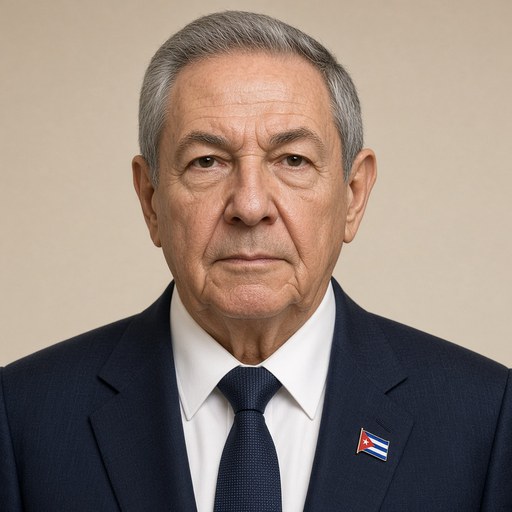
Speech at the public segment of the VII Extraordinary Summit of ALBA, Cumaná, Venezuela, 16 of
 Raúl Castro · President of Cuba
- Context
- Castro addressed ALBA heads of state at the VII Extraordinary Summit in Cumaná, Venezuela, on April 16, 2009, amid the global financial crisis.
- Main themes
- Global economic crisis, neoliberalism critique, capitalism's structural failures, ALBA integration, SUCRE regional payment system, G-20 inadequacy, IMF criticism, South-North inequality, financial speculation, regional solidarity, international economic order reform
- Duration
- ~5 min
- Words
- 658
- Sentences
- 32
- Readability
- 36
- Grade
- 13.3
- Syntax
- 2.84
- Vocabulary
- 2.37
Translated from Spanish
The broad sphere of national life a sentence belongs to. Every sentence has an Arena, so it is the denominator the other indices are read against.
Other32 sentences in 16 paragraphs
Dear presidents and heads of delegations of the sister nations of ALBA;
Distinguished guests:
The economic and social crisis has already taken on a global character and is not limited to the financial sector. It is a worldwide scourge with deep structural roots. It includes a sharp decline in stock values and productive activity; the paralysis and rising cost of credit and the economic recession in the major powers of the first world. It is accompanied by a contraction in global trade, and an increase in unemployment and poverty. It is affecting and will significantly damage the lives and well-being of billions of human beings. The countries of the South will be, as always, the ones who suffer the most.
These are the consequences of irresponsible practices linked to deregulation, financial speculation, and the imposition of neoliberalism. The abusive use that the United States has made of the privileges conferred by the current international economic order is also present, allowing it to finance an unsustainable warmongering and rampant consumerism by printing money without backing.
But at its core, the crisis is a predictable result of the capitalist system of production and distribution. The neoliberal policies of the last three decades have exacerbated its magnitude. In the search for solutions, those in charge end up concentrating power and wealth even more, while the poorest and most exploited bear the brunt of the costs.
The response cannot be a negotiated solution behind the backs of the United Nations by the leaders of the most powerful countries.
Crises are not resolved with administrative or technical measures, because they are of a structural nature, have systemic reach, and increasingly affect the economy in a globalized and interdependent planet. Even less so by strengthening the role and functions of financial institutions like the International Monetary Fund, whose disastrous policies have decisively contributed to the genesis and scope of the current crisis.
The G-20 solution does not resolve the inequity, injustices, and unsustainability that the capitalist system implies. It is the same rhetoric of the solemn declarations of the Northern countries that they will not apply protectionist measures and that they will allocate new aid, which do not alter the foundations of the underdevelopment to which we are condemned.
This was already discussed six months ago at the previous G-20 meeting in Washington, and since then, the World Bank, which is not precisely a defender of socialist principles, has recorded 73 protectionist actions applied by members of the G-20 itself. There has also been no visible increase in Official Development Assistance.
Dear colleagues:
The countries of ALBA have the privilege of having a modest integrative scheme, built on bases and principles of equality, whose nature denies the practices that originated this crisis. Our nations do not have the capacity, on their own, to structurally transform the international economic order, but they do have the power to lay new foundations and build their own economic relationships.
Our most important programs are not subject to the whims of financial speculation, nor to the uncontrolled fluctuation of markets. The damage we are suffering is undeniable. This is a crisis from which no one escapes, but today we have instruments to partially counteract its effects.
Among these efforts, the work that we, the member countries of ALBA plus Ecuador, have been carrying out since November 2008 to create the Unified Regional Payment Compensation System (SUCRE) takes on particular significance, as it will be a fundamental factor in promoting trade and economic integration among us.
Today we can confirm the progress made in the development of this initiative, which is a first step towards the goal of having a common unit of account.
Cuba reaffirms the solidarity vocation that has characterized its ties with the peoples of Latin America and the Caribbean. The crisis poses enormous challenges to us, of incalculable and unpredictable dimensions. We have no other option but to unite to face it.
Thank you very much.
The original Spanish. The tags above are read on the English translation's sentences.
Estimados presidentes y jefes de delegaciones de las naciones hermanas del ALBA;
Distinguidos invitados:
La crisis económica y también social ya tiene carácter global y no se limita al sector financiero. Es un flagelo mundial con profundas raíces estructurales. Incluye una fuerte caída de los valores bursátiles y de la actividad productiva; la paralización y encarecimiento del crédito y la recesión económica en las principales potencias del primer mundo. Va acompañada del retraimiento del comercio mundial, y del aumento del desempleo y la pobreza. Está afectando y dañará sensiblemente la vida y el bienestar de miles de millones de seres humanos. Los países del Sur serán, como siempre, los que más sufrirán.
Son las consecuencias de prácticas irresponsables vinculadas a la desregulación, la especulación financiera y la imposición del neoliberalismo. Está también presente el uso abusivo que ha hecho Estados Unidos de los privilegios que le confiere el actual orden económico internacional, que le permite financiar imprimiendo billetes sin respaldo, un guerrerismo y consumismo desenfrenado a todas luces insostenibles.
Pero en el fondo, la crisis es un resultado previsible del sistema capitalista de producción y distribución. Las políticas neoliberales de las últimas tres décadas agravaron su magnitud. En la búsqueda de soluciones, los máximos responsables terminan concentrando aún más el poder y la riqueza, mientras los más pobres y explotados asumen el costo mayoritario.
La respuesta no puede ser una solución negociada a espaldas de las Naciones Unidas por los mandatarios de los países más poderosos.
Las crisis no se resuelven con medidas administrativas ni técnicas, porque son de naturaleza estructural, tienen alcance sistémico y afectan cada vez más la economía en un planeta globalizado e interdependiente. Menos aún fortaleciendo el papel y las funciones de instituciones financieras como el Fondo Monetario Internacional, cuyas políticas funestas contribuyeron decisivamente a la génesis y el alcance de la actual crisis.
La solución del G-20 no resuelve tampoco la inequidad, las injusticias y la insostenibilidad que implica el sistema capitalista. Es la misma retórica de las solemnes declaraciones de los países del Norte de que no aplicarán medidas proteccionistas y que destinarán nuevas ayudas, que no alteran los fundamentos del subdesarrollo al que se nos condena.
De eso ya se habló hace 6 meses en la anterior reunión del G-20 en Washington, y de entonces a la fecha, el Banco Mundial, que no es precisamente un defensor de los principios socialistas, contabilizó 73 acciones proteccionistas aplicadas por miembros del propio G-20. Tampoco ha sido visible un incremento en la Asistencia Oficial al Desarrollo.
Estimados colegas:
Los países del ALBA tenemos el privilegio de contar con un modesto esquema integrador, construido sobre bases y principios de igualdad, cuya naturaleza niega las prácticas que originaron esta crisis. Nuestras naciones no tienen la capacidad, por sí solas, de transformar estructuralmente el orden económico internacional, pero sí el poder de sentar nuevas bases y construir sus propias relaciones económicas.
Nuestros programas más importantes no están sujetos a los caprichos de la especulación financiera, ni a la fluctuación descontrolada de los mercados. Es innegable el daño que estamos sufriendo. Esta es una crisis a la que nadie escapa, pero contamos hoy con instrumentos para contrarrestar en parte sus efectos.
Dentro de estos esfuerzos, cobran particular significación los trabajos que venimos llevando a cabo los países miembros del ALBA más Ecuador desde noviembre del 2008, para crear el Sistema Único de Compensación Regional de Pagos (SUCRE) que será un factor fundamental para fomentar el comercio y la integración económica entre nosotros.
Hoy podemos constatar los avances logrados en el desarrollo de esta iniciativa que es un primer paso hacia el objetivo de contar con una unidad de cuenta común.
Cuba ratifica la vocación solidaria que ha caracterizado sus lazos con los pueblos de América Latina y el Caribe. La crisis nos plantea enormes desafíos, de dimensiones incalculables e impredecibles. No tenemos otra opción que unirnos para enfrentarla.
Muchas gracias.