




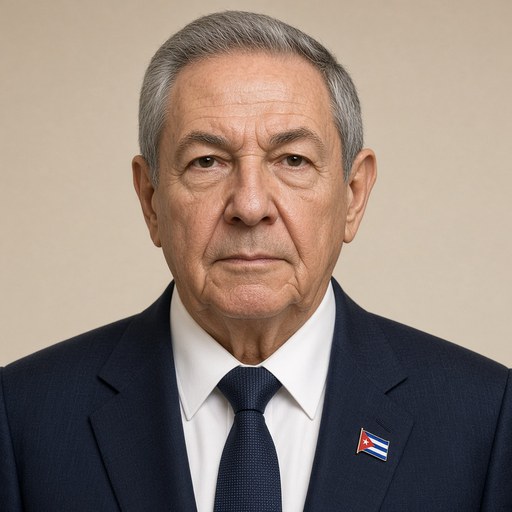
Speech delivered at the closing of the National Assembly of People's Power, at the Palace of Convenciones.
 Raúl Castro · President of Cuba
- Context
- Castro addressed the National Assembly of People's Power on December 20, 2009, reviewing Cuba's economic challenges and outlining priorities for 2010.
- Main themes
- Cuban economic performance and challenges, global economic crisis impact, investment planning reforms, import substitution and export growth, food production and agricultural development, debt rescheduling and financial restrictions, institutional strengthening, socialist sustainability, national independence and sovereignty, medium-term economic planning
- Duration
- ~30 min
- Words
- 3,641
- Sentences
- 107
- Readability
- 27
- Grade
- 17.7
- Syntax
- 3.31
- Vocabulary
- 2.32
Translated from Spanish
The broad sphere of national life a sentence belongs to. Every sentence has an Arena, so it is the denominator the other indices are read against.
Other107 sentences in 77 paragraphs
In 11 days, the year 2009 will come to an end, which has been, like all the years since the triumph of the Revolution, a true challenge for the resilience of our people.
In recent days, much information has been exchanged with the deputies regarding the performance of our economy this year and the prospects ahead. In a broad meeting yesterday with you, we delved into the subject; this frees me from the need to refer to figures and details and allows me to focus on the issues we consider fundamental for the economic and social development of the nation.
This year, we were forced to make two consecutive adjustments to the economic plan due to the negative effects of the global economic crisis, which resulted in a significant decrease in projected revenues and additional difficulties in obtaining credit, all amid the battle to recover the country from the devastating damage caused by the three hurricanes in the last quarter of 2008. Significant reductions in our expenditures have been made, following the undeniable logic that one cannot spend more than what one has, and there is still much to be done on this path.
Investment plans have been redirected towards objectives that guarantee the increase of exports and the substitution of imports; that is, we are investing in the creation of the productive base that will be capable of making socialism sustainable, an unavoidable guarantee of our national independence and sovereignty.
The 2010 plan has as one of its premises that investments will not be accepted without a previously approved feasibility study, its proper preparation, including the projects, the corresponding environmental and Physical Planning licenses, and the defined construction and investment forces that will execute and put them into operation according to a defined schedule.
I remember that more than 10 years ago, in July 1999, we initiated a process of reordering this activity in Holguín, and significant progress was made, prioritizing the use of contracts as guiding documents in the construction of new works and the clear definition of the responsibilities of each of the parties involved, to complete them without exceeding the budget, within the established timeframe, and with quality. I believe that due to the results obtained then, that experience remains fully relevant today in the definitive eradication of the shortcomings of the investment process.
Another priority this year has been to continue the process of strengthening the institutions in the country. The higher organs of the Party, State, and Government meet periodically and make collective decisions on the main issues.
The process of planning the national economy is being refined, and the role of the Ministry of Economy and Planning is being elevated as the Government's general staff in economic management. Therefore, it is not coincidental that today this Assembly elected the Vice President of the Government, Marino Murillo Jorge, as a member of the Council of State.
Medium-term planning has been resumed, and we expect to approve the 2011-2015 projection in the Council of Ministers in March of next year.
We have made progress in the harmonious and coordinated planning of the main activities of the Party and the central State administration bodies.
We are guided by the maxim that if in normal times planning is an essential tool for management, in the complex scenario we are living in, it becomes a vital necessity to exclude the risks posed by improvisation and lack of comprehensiveness.
On the other hand, despite triumphalist forecasts about the imminent start of the recovery of the global economy, we start from the premise that the year 2010 will be difficult, and financial restrictions resulting from the crisis will persist.
On August 1, from this podium, I referred to the entry into force of new procedures to expedite transactions with the outside world.
Today I can announce that payment arrears accumulated at that time have been reduced by more than a third, and while we reiterate our gratitude to our partners for the trust and understanding expressed by the majority of them, we reaffirm our firm will to continue honoring every last cent of the commitments made, in accordance with the possibilities of the economy.
The outcome of several ongoing negotiations to reschedule debt payments with our creditors will contribute significantly to this.
In these circumstances, priority will be given to promoting those activities that ensure income and substitute imports, as well as food production, with the aim of gradually reducing the existing dependence on the foreign market in this area. We have already stated that the development of our agriculture is a matter of national security.
Some encouraging results are beginning to be seen. Milk production will reach 587 million liters, an increase of 57 million compared to the previous year, which meant not importing 5,700 tons of powdered milk, at a cost of more than 18 million dollars.
Despite this, the import of 35,000 tons of powdered milk still appears in next year's plan, which at current prices means an expenditure of around 100 million dollars.
As everyone will understand, this country cannot afford to bear expenses that it can replace with domestic production, a goal that we are obliged to set for the medium term.
The direct supply of fresh milk to the bodegas is also progressing; of the 89 municipalities incorporated into this experience, 66 are fully supplied, resulting in savings in fuel and motor resources, as well as a reduction in losses.
Production of eggs, rice, beans, vegetables, and citrus fruits is also increasing, to mention just a few items.
In this direction, the suburban agriculture program is set to play a decisive role under management models that involve both state enterprises and cooperatives, individual farmers, land usufructuaries, and other forms of production. It is imperative to free the productive forces in this area, as in all others, from restrictions for their development.
One of the issues that requires a greater response to these productive efforts is to solve distribution so that products reach the population without delays.
It is not only about the allocation of resources but also about organizational forms and other measures that facilitate it, among others, that after fulfilling the deliveries agreed with the State, producers can sell the surpluses directly in the market, under the rules of supply and demand.
The development of agriculture will be favored by the application of various forms of banking financing to the producer and the introduction of universally used procedures for the redistribution of wealth, such as taxes, a tool to which we will have to get accustomed in a short time. Likewise, there will continue to be systematic demands on all bodies to prevent the accumulation of unpaid debts to the peasant sector.
At the same time, the process of granting land in usufruct is being consolidated, not without some difficulties and manifestations of favoritism that we are facing firmly, and the offenders, beneficiaries, and benefactors, whoever they may be, will have to face the consequences.
Around 920,000 hectares have been granted to more than 100,000 beneficiaries, representing 54% of the total idle area.
We will continue to pay special attention to this task, which holds enormous potential for food production for our people, in addition to being one of the main variants for redirecting the excessive workforce in the budgeted and business sectors.
Precisely the issue of employment will be one of the priorities next year, considering the low level of productivity that exists.
In this regard, and in order to accelerate the execution of different investments and contribute to solving the labor force deficit in this sector, since the end of last year, the government leadership approved an increased incentive system for the builders of works where it was possible to introduce two shifts of work. Something that is common worldwide and even three shifts in some countries.
I must say that in most cases, the results have been far from the expectations we had, primarily due to subjective factors, including disorganization and the passive resistance of middle managers to change their mentality, which we know is the most difficult.
Despite greater incentives and salary increases, the pernicious practice of mass transfers of builders during significant dates such as the end of the year, Mother's Day, July 26, and carnivals persisted, causing the paralysis of works for several weeks, especially in the case of workers from other provinces.
Cuba is perhaps today the only country on the planet where these things happen, and we have to ask ourselves why, if here sugarcane has always been cut and ground on those dates, other industrial and service activities have functioned uninterruptedly, not to mention defense and internal order.
I am convinced that there are no bad collectives; in any case, there are leaders who are not convinced or committed to the role they are supposed to play. There has been inadequate work with the mass of builders; they have not been reasoned with in a timely manner and with the necessary depth, their concerns have not been addressed promptly, and many of their problems have not been solved.
Let us not deceive ourselves; it is necessary to break the psychological barrier that prevents us from advancing in this and many other areas of our daily work, and in this, the leaders at all levels and the cadres of the Party and the Union have a decisive importance.
Comrades:
I am aware of the expectations and honest concerns expressed by the deputies and citizens regarding the speed and depth of the changes we must introduce in the functioning of the economy, in order to strengthen our socialist society.
In this sense, I limit myself, for now, to express that in the updating of the Cuban economic model, an issue in which we are advancing with a comprehensive approach, there can be no room for the risks of improvisation and haste. It is necessary to walk towards the future with firm and secure steps because we simply do not have the right to make mistakes.
We must never forget Martí's teaching when he said: "What is to last long must be done slowly."
Today, the Assembly approved the State budget, whose deficit represents 3.5 percent of the Gross Domestic Product, which allows for the stability of internal public finances, but I can affirm that there is room for cuts in all activities of the nation.
We are confident that without affecting the quality of health and education provided free of charge to all citizens, and even improving it, it is possible to appreciably reduce expenses. We have made some progress in this direction by decreasing the number of internal students in pre-university education by 126,000 this school year, and we are working to transfer another 80,000 from the countryside to the cities by September of next year, which means a saving of 139 million in the education budget.
The recent National Plenary of the UJC, dedicated to analyzing the responsibility of this organization in public health care, provided numerous elements that confirm the possibility of continuing to save irrational expenses in this area.
Precisely when talking about health, I cannot fail to refer to the successful response to the pandemic of the A H1N1 virus. To prevent its spread, around 57,000 people have been hospitalized for presenting suspicious symptoms, and another 11,000 in their homes. The disease was confirmed in 973 cases, and 41 died, the vast majority with previous chronic conditions.
Also, an important achievement of our health system has been the eradication a month ago of a non-hemorrhagic dengue outbreak coming from abroad in the city of Havana, thanks to the intense work carried out, under the direction of the First Secretary of the Party in the capital, by the Provincial Administration Council and all the bodies linked to vector control, environmental sanitation, and community engagement.
The arrival of winter and the massive influx of foreign visitors in the coming days will require the intensification of preventive measures against the pandemic.
The elections held today by this Assembly to fill vacancies in the Council of State, including two vice presidencies, one of which is occupied for the first time by a woman, who also serves as the Comptroller General of the Republic, constitute not only a just recognition of the revolutionary and professional trajectory of the elected but also an expression of the manifest intention to elevate the representativeness of the ethnic and gender composition of the Cuban population in leadership positions.
I personally consider it a shame the insufficient progress in this area in 50 years of Revolution, despite the fact that 65 percent of the technical workforce is made up of women and that the citizenry forms a beautiful racial rainbow without any formal privileges of any kind, but they persist in practice, as Fidel expressed at the closing of the Pedagogy Congress 2003, that even in societies like that of Cuba, born from a radical social revolution, where the people achieved full and total legal equality and a level of revolutionary education that dismantled the subjective component of discrimination, it still existed in another form. Fidel referred to it as objective discrimination, a phenomenon associated with poverty and a historical monopoly on knowledge.
For my part, I will exert all my influence so that these harmful prejudices continue to give way until they are finally eliminated and that women and Black individuals are promoted to leadership positions at all levels, based on their merits and professional preparation.
It is not about making a sudden shift, but rather about genuinely proposing, without improvisation, strict compliance with what has been established for years in the cadre policy and one of the fundamental objectives of the Revolution.
It is necessary to select and prepare the cadre pool with perspectives, taking into account the ethnic and gender composition of our population. From my own experience, I have found that women are better administrators than men, and I believe that we must intentionally aspire in the next five years to significantly increase the number of positions of any kind occupied by women in all spheres of the national realm. These are issues that cannot be achieved by a simple decree, nor would it be appropriate; it will still take us some time, but basically what is required is to raise awareness of the matter, demand, and act accordingly.
Comrades:
From November 26 to 28, the Strategic Exercise "Bastion 2009" took place, which constituted the most important activity in the country's preparation for defense, which we had to postpone last year due to the onslaught of hurricanes and the urgencies of recovery. 1,800 command and leadership bodies participated, from the National Defense Council to municipal and some regional defense councils, more than 100,000 people full-time, and around 330 maneuvers and tactical exercises of the FAR units were carried out, together with elements of the territorial defense device. In May, we will summarize the results; however, I can preliminarily inform you that the main objectives were achieved. As a culmination of this exercise, on November 29, the National Defense Day was held, with the participation of 4 million Cubans.
In the second half of November 2012, as has already been explained, we will hold the next "Bastion," restoring its normal cycle every four years.
In summarizing the international performance of the year that is concluding, I can affirm that the facts demonstrate the complete failure of the American pretensions, of more than half a century, to isolate Cuba.
The visit to Havana by 41 Heads of State or Government and 78 foreign ministers confirms the increase in support and solidarity that our just cause garners.
The condemnation of the blockade by the UN General Assembly reached an unprecedented level, with 187 nations voting for its immediate and unconditional elimination. The Rio Group, the Non-Aligned Movement, several summits of ALBA, and other multilateral forums firmly rejected the economic war against Cuba.
A month before completing the first year of its mandate, the current U.S. administration ignores the demands of the international community and increasingly majority sectors of its country that advocate for a change in U.S. policy towards Cuba.
Despite the enormous propaganda campaign deployed to confuse the world about an apparent willingness to shift in the bilateral dispute, alleging the repeal of restrictions on the travel of Cuban emigrants and remittances to their families, the truth is that the instruments of the policy of aggression against Cuba remain intact, and the U.S. government does not renounce its goal of destroying the Revolution and generating a change in our economic and social regime.
In recent weeks, we have witnessed the multiplication of efforts by the new administration for that purpose. The encouragement of open and covert subversion against Cuba is growing.
The enemy is as active as ever, as evidenced by the recent detention of an American citizen, euphemistically referred to in statements by State Department spokespersons as a "contractor" of their government, who was engaged in illegal supply with sophisticated satellite communication means to groups of "civil society" that aspire to form against our people.
Where does the funding for such activities come from? From the federal budget, which this year, without any shame, includes a public allocation of almost 55 million dollars for the support of a supposed democracy, the defense of human rights, and the radio and television aggression against Cuba, and these are not the only funds allocated for these purposes; they are just the ones officially reported.
Also, in recent months, a concerted anti-Cuban campaign orchestrated by the American establishment has been deployed with the collaboration of major media outlets with the aim of making it seem that repression is growing in the country. To this end, they organize and incite their unpatriotic hired hands to increase provocative activity in our streets and even have them accompanied by the international press and diplomatic officials in open defiance of international conventions on the matter.
I only remind you that there is a people here willing to protect, at any cost, the conquests of the Revolution, the result of the effort and sacrifice of several generations. I advise both sides to cease all types of provocations.
Then they cynically exclaim that we have resumed a Cold War and anti-American discourse; they attack us and demand that we remain with our arms crossed.
I take this opportunity, as we have already stated on several occasions, to reaffirm Cuba's sincere willingness to definitively resolve the dispute with the United States, based on a respectful dialogue, between equals, on any issue, without compromising our independence, sovereignty, and self-determination. If the U.S. government truly wishes to advance relations with Cuba, I recommend that it leave behind the internal conditions it seeks to impose on us, which only Cubans have the right to decide.
Let these statements serve as a response to the recent declarations of Secretary of State Hillary Clinton regarding Cuba.
On December 11 and 12, we attended the X session of the Cuba-Venezuela Intergovernmental Commission, which represented a notable quantitative and qualitative boost to the bilateral collaboration that we are obliged to develop with superior efficiency and results.
Also this month, we celebrated here the VIII Summit of the Bolivarian Alliance for the Peoples of Our America, in which we commemorated the fifth anniversary of its creation as an integrative and solidarity alternative that expands and deepens for the benefit of our peoples and denounced the real threats against peace and stability in Latin America, arising from the establishment of military bases in Colombia and the impunity of the coup d'état perpetrated in Honduras.
The countries of ALBA adopted a special statement regarding the Summit in Copenhagen on climate change, which, as we know, concluded without tangible results to mitigate the dangers threatening the survival of humanity due to the selfish and irrational consumerist model.
In the Danish capital, amid the brutal repression against thousands of demonstrators, denounced in the reflections of Comrade Fidel last Thursday, the firm voices of Comrades Chávez, Evo Morales, Esteban Lazo, and our Foreign Minister Bruno Rodríguez representing ALBA were heard, alongside those of Third World countries.
The problem is concerning and carries concrete consequences; it is not a matter of the future; it is already the present. Our island country, like other Caribbean nations, suffers firsthand from its effects with increasingly powerful and frequent hurricanes, intense droughts, and the risk that the rise in the average sea level will significantly affect its territories.
In light of these realities, we have adopted a set of decisions. On July 26 in Holguín, I explained the strategic water transfer program from the eastern and central mountain ranges, which covers a large part of the country, from Sancti Spíritus to Guantánamo. I also referred to the need to plant trees of all kinds and continue educating new generations in a culture of love for forests and nature.
Also, by government instructions, our scientists have intensified research since October 2007 within the framework of the Climate Change Mitigation Program, and next week we will analyze in the Executive Committee of the Council of Ministers and subsequently in the full Council of Ministers a documented and serious macroproject on coastal hazards and vulnerability for the years 2050-2100 in order to anticipate the development of directives to counteract the effects of these phenomena in strategic development plans.
Comrades:
The occasion is opportune to highlight the important international support, increasingly broad, for the struggle for the liberation of our Five Heroes, who have accumulated more than 11 years of unjust imprisonment and who, with their firmness, serve as an example and inspiration for the hard times we live, without losing for a moment the unshakeable faith in victory.
I congratulate our heroic and revolutionary people and wish them renewed success in the "52nd Year of the Revolution."
Thank you very much.
The original Spanish. The tags above are read on the English translation's sentences.
En 11 días concluye el año 2009, que ha sido, como todos los transcurridos desde el triunfo de la Revolución , un verdadero desafío para la capacidad de resistencia de nuestro pueblo.
En días pasados se ha intercambiado mucha información con los diputados acerca del desempeño de nuestra economía en el presente año y las perspectivas. En una amplia reunión ayer con ustedes se profundizó en la materia; ello me libera de la necesidad de referirme a cifras y detalles y concentrarme en las cuestiones que consideramos fundamentales para el desarrollo económico y social de la nación.
En el presente año nos vimos obligados a realizar dos ajustes consecutivos en el plan de la economía, a causa de los negativos efectos de la crisis económica mundial que repercutieron en una sensible disminución de los ingresos proyectados y dificultades adicionales para la obtención de créditos, y todo ello en medio de la batalla por la recuperación del país de los devastadores daños ocasionados por los tres huracanes del último cuatrimestre de 2008. Se han producido importantes reducciones en nuestros gastos, siguiendo la lógica inobjetable de que no se puede gastar más que lo que se tiene y en este camino queda mucho por hacer.
Los planes de inversiones se han venido reorientando hacia objetivos que garanticen el incremento de las exportaciones y la sustitución de importaciones, o sea, estamos invirtiendo en la creación de la base productiva que será capaz de hacer sostenible el socialismo, garantía insoslayable de nuestra independencia y soberanía nacional.
El plan 2010 tiene como una de sus premisas que no se admitirán inversiones sin un estudio de factibilidad previamente aprobado, su adecuada preparación, incluyendo los proyectos, las correspondientes licencias ambientales y de Planificación Física y definidas las fuerzas constructoras e inversionistas que las ejecutarán y pondrán en explotación de acuerdo con un cronograma definido.
Recuerdo que hace más de 10 años, en julio de 1999, iniciamos en Holguín un proceso de reordenamiento de esta actividad y se logró un significativo avance, jerarquizando la utilización de los contratos como documentos rectores en la construcción de nuevas obras y la clara definición de las responsabilidades de cada una de las partes involucradas, para concluirlas sin exceder el presupuesto, en el plazo fijado y con calidad. Considero que por los resultados obtenidos entonces, esa experiencia conserva hoy toda su vigencia en la erradicación definitiva de las insuficiencias del proceso inversionista.
Otra de las prioridades en este año ha sido continuar el proceso de fortalecimiento de la institucionalidad en el país. Los órganos superiores del Partido, Estado y Gobierno sesionan periódicamente y se colegian las decisiones principales.
Se perfecciona el proceso de planificación de la economía nacional y se eleva el papel del Ministerio de Economía y Planificación como estado mayor del Gobierno en la conducción económica. Por eso no resulta casual la elección hoy por esta Asamblea del Vicepresidente del Gobierno Marino Murillo Jorge como miembro del Consejo de Estado.
Se ha retomado la planificación a mediano plazo y esperamos en marzo del próximo año aprobar en el Consejo de Ministros, en primera instancia, la proyección 2011 - 2015.
Hemos avanzado en la planificación armónica y coordinada de las actividades principales del Partido y los organismos de la administración central del Estado.
Nos guiamos por la máxima de que si en épocas normales la planificación es un instrumento imprescindible para la labor de dirección, en el complejo escenario que estamos viviendo se convierte en una necesidad vital para excluir los riesgos que entrañan la improvisación y la falta de integralidad.
Por otra parte, a pesar de pronósticos triunfalistas acerca del inminente inicio de la recuperación de la economía mundial, partimos de que el año 2010 será difícil y se mantendrán las restricciones financieras derivadas de la crisis.
El primero de agosto desde este podio me referí a la entrada en vigor de nuevos procedimientos para agilizar las transacciones con el exterior.
Hoy puedo anunciar que se han reducido en más de un tercio las retenciones de pagos acumuladas en aquella fecha y, a la vez que reiteramos el agradecimiento a nuestros socios por la confianza y comprensión expresada por la mayoría de ellos, ratificamos la firme voluntad de proseguir honrando hasta el último centavo de los compromisos asumidos, en correspondencia con las posibilidades de la economía.
A ello contribuirá en buena medida el resultado de varias negociaciones en curso para reprogramar el pago de la deuda con nuestros acreedores.
En estas circunstancias se privilegiará el fomento de aquellas actividades que aseguran ingresos y sustituyen importaciones, así como la producción de alimentos, con el objetivo de reducir paulatinamente la dependencia existente del mercado exterior en esta materia. Ya hemos dicho que el desarrollo de nuestra agricultura constituye un asunto de seguridad nacional.
Algunos resultados alentadores comienzan a verse. La producción de leche alcanzará 587 millones de litros, un incremento de 57 millones respecto al año anterior, lo que significó dejar de importar 5 700 toneladas de leche en polvo, a un costo de más de 18 millones de dólares.
A pesar de ello, todavía en el plan del próximo año aparece la importación de 35 mil toneladas de leche en polvo, que a los actuales precios significa una erogación de alrededor de 100 millones de dólares.
Como todos comprenderán, este país no puede darse el lujo de soportar gastos que es capaz de sustituir con la producción nacional, meta que estamos en la obligación de proponernos a mediano plazo.
Avanza el suministro directo de leche fresca a las bodegas; de 89 municipios incorporados a esta experiencia, se abastecen totalmente 66 con el consiguiente ahorro de combustible y motorrecursos, así como la disminución de las pérdidas.
Se eleva también la producción de huevos, arroz, frijoles, hortalizas y cítricos, por mencionar sólo algunos renglones.
En esta dirección el programa de la Agricultura suburbana está llamado a desempeñar un papel decisivo bajo modelos de gestión que involucren tanto a la empresa estatal como a las cooperativas, campesinos individuales, usufructuarios de la tierra y otras formas de producción. Se impone liberar en esta esfera, como en todas las demás, a las fuerzas productivas de restricciones para su desarrollo.
Uno de los asuntos que requiere mayor respuesta a estos esfuerzos productivos es solucionar la distribución de modo que los productos lleguen sin demoras a la población.
No se trata sólo de la asignación de recursos, sino también de formas organizativas y otras medidas que lo faciliten, entre otras, que tras cumplir con las entregas pactadas con el Estado, los productores puedan vender directamente en el mercado los excedentes, bajo las reglas de la oferta y la demanda.
El desarrollo de la agricultura se verá favorecido por la aplicación de variadas formas de financiamiento bancario al productor y la introducción de procedimientos universalmente utilizados para la redistribución de la riqueza, como son los impuestos, herramienta a la que tendremos que habituarnos en poco tiempo. Asimismo, continuará la exigencia sistemática a todos los organismos para evitar que se acumulen nuevamente impagos al sector campesino.
Al propio tiempo, se consolida el proceso de entrega de tierras en usufructo, no sin algunas dificultades y manifestaciones de favoritismo que estamos enfrentando con firmeza y los infractores, beneficiados y benefactores, sean quienes sean, tendrán que atenerse a las consecuencias.
Se han entregado alrededor de 920 mil hectáreas a más de 100 mil beneficiarios, lo que representa el 54% del total del área ociosa.
Seguiremos prestando atención especial a esta tarea que encierra enormes potencialidades en la producción de alimentos para nuestro pueblo, además de constituir una de las principales variantes para reorientar la fuerza de trabajo excesiva en los sectores presupuestado y empresarial.
Precisamente el tema del empleo constituirá una de las prioridades el próximo año, considerando el bajo nivel de productividad existente.
Al respecto y con el fin de acelerar la ejecución de diferentes inversiones y contribuir a la solución del déficit de fuerza de trabajo en este sector, desde finales del pasado año la dirección del gobierno aprobó un sistema incrementado de estimulación a los constructores de las obras en que era posible introducir dos turnos de trabajo. Algo que es común en todo el mundo e incluso tres turnos en algunos países.
Debo decir que en la mayoría de los casos los resultados han estado lejos de la expectativa que teníamos, en primer lugar, por factores subjetivos, entre ellos desorganización y la resistencia pasiva de los cuadros intermedios a cambiar la mentalidad, que sabemos es lo más difícil.
A pesar de mayores estímulos e ingresos salariales, se mantuvo la perniciosa práctica de pases masivos de los constructores en fechas significativas como el fin de año, el Día de las Madres, 26 de Julio y los carnavales, provocando la paralización de las obras por varias semanas, especialmente en el caso de trabajadores procedentes de otras provincias.
Cuba es quizás hoy el único país del planeta en que estas cosas suceden y tenemos que preguntarnos por qué, si aquí siempre se ha cortado y molido caña en esas fechas, han funcionado ininterrumpidamente otras actividades industriales y de servicios, para no hablar de la defensa y el orden interior.
Estoy convencido de que no hay malos colectivos, en todo caso jefes no convencidos ni comprometidos con el papel que les corresponde jugar. Ha habido un deficiente trabajo con la masa de constructores, no se les ha razonado oportunamente y con la debida profundidad, no se han atendido con prontitud sus planteamientos y tampoco solucionado buena parte de sus problemas.
No nos llamemos al autoengaño, es necesario romper la barrera sicológica que nos impide avanzar en ésta y en otras tantas áreas de nuestro quehacer cotidiano y en ello tienen importancia decisiva los jefes a todos los niveles y los cuadros del Partido y del Sindicato.
Compañeras y compañeros:
Tengo conciencia de las expectativas y honestas preocupaciones, expresadas por los diputados y los ciudadanos en cuanto a la velocidad y profundidad de los cambios que tenemos que introducir en el funcionamiento de la economía, en aras del fortalecimiento de nuestra sociedad socialista.
En este sentido me limito, por ahora, a expresar que en la actualización del modelo económico cubano, cuestión en la que se avanza con un enfoque integral, no puede haber espacio a los riesgos de la improvisación y el apresuramiento. Es preciso caminar hacia el futuro, con paso firme y seguro, porque sencillamente no tenemos derecho a equivocarnos.
Nunca debemos olvidar la enseñanza de Martí cuando dijo: Se ha de hacer despacio lo que ha de durar mucho.
En el día de hoy la Asamblea aprobó el presupuesto del Estado, cuyo déficit representa el 3.5 por ciento del Producto Interno Bruto, lo que permite la estabilidad de las finanzas públicas internas, pero puedo afirmar que hay tela por donde cortar en todas las actividades de la nación.
Estamos seguros de que sin afectar la calidad de la salud y la educación que se brinda gratuitamente a todos los ciudadanos, e incluso mejorándola, es posible reducir de modo apreciable los gastos. Algo hemos avanzado en esta dirección al disminuir en el presente curso escolar 126 mil alumnos internos de la educación preuniversitaria y se trabaja para en septiembre del próximo año trasladar del campo a las ciudades otros 80 mil, lo que significa un ahorro de 139 millones en el presupuesto de educación.
El pasado Pleno Nacional de la UJC , dedicado al análisis de la responsabilidad de esta organización en la atención a la salud pública, aportó numerosos elementos que confirman la posibilidad de continuar economizando gastos irracionales en esta esfera.
Precisamente al hablar de salud, no puedo dejar de referirme al exitoso enfrentamiento a la pandemia del virus A H1N1. Para prevenir su propagación han sido ingresados en hospitales, sólo por presentar síntomas sospechosos, alrededor de 57 mil personas y en sus hogares otras 11 mil. Se confirmó la enfermedad en 973 casos y 41 fallecieron, la gran mayoría con padecimientos crónicos anteriores.
También un importante logro de nuestro sistema de salud ha sido la erradicación hace un mes de un brote de dengue no hemorrágico proveniente del exterior en la ciudad de La Habana , gracias al intenso trabajo desplegado, bajo la dirección de la Primera Secretaria del Partido en la capital, por el Consejo de la Administración Provincial y todos los organismos vinculados a la lucha antivectorial, el saneamiento ambiental y el enfrentamiento comunitario.
La llegada del invierno y el arribo masivo de visitantes extranjeros en los próximos días demandarán la intensificación de las medidas preventivas contra la pandemia.
Las elecciones realizadas en el día de hoy por esta Asamblea para cubrir las vacantes en el Consejo de Estado, incluyendo dos vicepresidencias, una de ellas por primera vez ocupada por una mujer, que a su vez se desempeña como Contralora General de la República , constituyen además de un justo reconocimiento a la trayectoria revolucionaria y profesional de los elegidos, la expresión de la intención manifiesta de elevar la representatividad de la composición étnica y de género de la población cubana en los cargos de dirección.
Personalmente considero que es una vergüenza el insuficiente avance en esta materia en 50 años de Revolución, a pesar de que el 65 por ciento de la fuerza laboral técnica se compone de mujeres y que la ciudadanía forma un hermoso arcoiris racial sin privilegios formales de tipo alguno, pero subsisten en la práctica, como expresara Fidel en la clausura del Congreso Pedagogía 2003, que aun en sociedades como la de Cuba, surgida de una revolución social radical, donde el pueblo alcanzó la plena y total igualdad legal y un nivel de educación revolucionaria que echó por tierra el componente subjetivo de la discriminación, ésta existía todavía de otra forma. Fidel la calificó como discriminación objetiva, un fenómeno asociado a la pobreza y a un monopolio histórico de los conocimientos.
Por mi parte ejerceré toda mi influencia para que estos nocivos prejuicios sigan cediendo espacio hasta ser finalmente suprimidos y se promuevan a cargos de dirección a todos los niveles, por sus méritos y preparación profesional, a las mujeres y los negros.
No se trata de dar un bandazo, sino de proponernos realmente, sin improvisaciones, dar cumplimiento estricto a lo establecido desde hace años en la política de cuadros y a uno de los objetivos fundamentales de la Revolución.
Es preciso seleccionar y preparar con perspectivas la cantera de cuadros, teniendo en cuenta la composición étnica y de género de nuestra población. Por experiencia propia he comprobado que las mujeres son mejores administradoras que los hombres y considero que debemos aspirar en los próximos cinco años, con total intencionalidad, a que se eleve notablemente la cantidad de cargos de cualquier tipo ocupados por compañeras en todas las esferas del ámbito nacional. Son cuestiones que no se logran por un simple decreto ni resultaría lo apropiado, nos tomará todavía algún tiempo, pero básicamente lo que se requiere es tomar conciencia del asunto, exigir y actuar en consecuencia.
Compañeras y compañeros:
Durante los días 26 al 28 de noviembre se efectuó el Ejercicio Estratégico Bastión 2009 que constituyó la actividad más importante en la preparación del país para la defensa, que tuvimos que posponer el pasado año debido al azote de los huracanes y las urgencias de la recuperación. Participaron mil 800 órganos de dirección y mando, desde el Consejo de Defensa Nacional hasta los consejos de defensa municipales y algunos de zona, más de 100 mil personas a tiempo completo y se realizaron alrededor de 330 maniobras y ejercicios tácticos de unidades de las FAR, de conjunto con los elementos del dispositivo defensivo territorial. En el mes de mayo corresponde hacer el resumen, sin embargo puedo preliminarmente informarles que los objetivos principales se alcanzaron. Como colofón de este ejercicio, el 29 de noviembre, se desarrolló el Día Nacional de la Defensa , con la participación de 4 millones de cubanos y cubanas.
En la segunda quincena de noviembre del año 2012, como ya se ha explicado, realizaremos el próximo Bastión, restableciéndose su ciclo normal cada cuatro años.
Al resumir la ejecutoria internacional del año que concluye, puedo afirmar que los hechos demuestran el completo fracaso de las pretensiones norteamericanas, de más de medio siglo, de aislar a Cuba.
La visita a La Habana de 41 Jefes de Estado o Gobierno y 78 cancilleres confirma el incremento del apoyo y solidaridad que concita nuestra justa causa.
La condena al bloqueo por la Asamblea General de la ONU alcanzó un nivel sin precedentes, 187 naciones votaron por su eliminación inmediata e incondicional. El Grupo de Río, el Movimiento de Países No Alineados, varias cumbres del ALBA y otros foros multilaterales rechazaron de manera contundente la guerra económica contra Cuba.
A un mes de cumplir el primer año de su mandato, la actual administración norteamericana ignora los reclamos de la comunidad internacional y de sectores crecientemente mayoritarios de su país que abogan por un cambio en la política de Estados Unidos hacia Cuba.
A pesar de la enorme campaña propagandística desplegada para confundir al mundo acerca de una aparente disposición de dar un giro en el diferendo bilateral, alegando la derogación de restricciones a los viajes de los emigrados cubanos y las remesas a sus familiares, lo cierto es que se mantienen intactos los instrumentos de la política de agresión a Cuba y el gobierno de Estados Unidos no renuncia a destruir la Revolución y generar un cambio de nuestro régimen económico y social.
En las últimas semanas hemos sido testigos de la multiplicación de los esfuerzos de la nueva administración con ese propósito. Crece el aliento a la subversión abierta y encubierta contra Cuba.
El enemigo está tan activo como siempre, muestra de ello es la detención en días pasados de un ciudadano norteamericano, eufemísticamente denominado en declaraciones de los voceros del Departamento de Estado como contratista de su gobierno, que se dedicaba al abastecimiento ilegal con sofisticados medios de comunicación vía satélite a agrupaciones de la sociedad civil que aspiran a conformar en contra de nuestro pueblo.
¿De dónde sale el financiamiento para tales actividades? Del presupuesto federal, que este año, sin sonrojo alguno, incluye una partida pública de casi 55 millones de dólares para el apoyo de una supuesta democracia, la defensa de los derechos humanos y la agresión radial y televisiva contra Cuba y estos no son los únicos fondos que se destinan a estos fines, son sólo los que se informan oficialmente.
También en los últimos meses se ha desplegado una concertada campaña anticubana orquestada por el establishment norteamericano con el concurso de los grandes medios de comunicación con el objetivo de hacer ver que crece la represión en el país. Para ello organizan e incitan a sus antipatrióticos asalariados a que incrementen la actividad provocadora en nuestras calles y hasta los hacen acompañarse por la prensa internacional y funcionarios diplomáticos en abierto desafío a las convenciones internacionales en la materia.
Sólo recuerdo que aquí hay un pueblo dispuesto a proteger, a cualquier precio, las conquistas de la Revolución , fruto del esfuerzo y sacrificio de varias generaciones. Aconsejo a unos y otros que cesen las provocaciones de todo tipo.
Luego exclaman con cinismo que hemos retomado un discurso de guerra fría y antinorteamericano; nos agreden y nos reclaman que nos quedemos con los brazos cruzados.
Aprovecho esta otra oportunidad, pues ya lo hemos planteado en varias ocasiones, para ratificar la sincera voluntad de Cuba de solucionar definitivamente el diferendo con Estados Unidos, a partir de un diálogo respetuoso, entre iguales, sobre cualquier asunto, sin menoscabo para nuestra independencia, soberanía y autodeterminación. Si el gobierno norteamericano realmente desea avanzar en las relaciones con Cuba, le recomiendo dejar atrás los condicionamientos de orden interno que pretende imponernos y que sólo a los cubanos compete decidir.
Sirvan estos planteamientos como respuesta a las recientes declaraciones de la señora Secretaria de Estado Hillary Clinton sobre Cuba.
Los días 11 y 12 de diciembre asistimos a la X sesión de la Comisión Intergubernamental Cuba-Venezuela , que representó un notable impulso cuantitativo y cualitativo a la colaboración bilateral que estamos en la obligación de desarrollar con superior eficiencia y resultados.
También en este mes celebramos aquí la VIII Cumbre de la Alianza Bolivariana de los Pueblos de Nuestra América, en la que conmemoramos el V aniversario de su creación como alternativa integradora y solidaria que se amplía y profundiza en beneficio de nuestros pueblos y denunciamos las amenazas reales contra la paz y la estabilidad en América Latina, derivadas del establecimiento de bases militares en Colombia y del impune golpe de estado perpetrado en Honduras.
Los países del ALBA adoptamos un comunicado especial acerca de la Cumbre en Copenhague sobre el cambio climático que, como sabemos, concluyó sin resultados tangibles para atenuar los peligros que asechan la supervivencia de la humanidad a causa del egoísta e irracional modelo consumista.
En la capital danesa, en medio de la brutal represión contra miles de manifestantes, denunciada en las reflexiones del compañero Fidel el pasado jueves, se escuchó la firme voz de los compañeros Chávez, Evo Morales, Esteban Lazo y nuestro Canciller Bruno Rodríguez en representación del ALBA, junto a la de los países del Tercer Mundo.
El problema es preocupante y conlleva consecuencias concretas, no es cuestión del futuro, es ya del presente. Nuestro país insular, al igual que las demás naciones del Caribe, sufre en carne propia sus efectos con huracanes cada vez más potentes y frecuentes, intensas sequías y el riesgo de que la elevación del nivel medio del mar afecte sensiblemente sus territorios.
Ante estas realidades hemos adoptado un conjunto de decisiones. El pasado 26 de julio en Holguín expliqué el estratégico programa de trasvases de agua desde los macizos montañosos oriental y central, que abarca gran parte del país, desde Sancti Spíritus hasta Guantánamo. Me referí igualmente a la necesidad de sembrar árboles de todo tipo y continuar educando a las nuevas generaciones en una cultura de amor a los bosques y la naturaleza.
También por instrucciones del Gobierno, nuestros científicos desde octubre del 2007 han intensificado las investigaciones en el marco del Programa de Enfrentamiento al cambio climático y la próxima semana analizaremos en el Comité Ejecutivo del Consejo de Ministros y posteriormente en el Consejo de Ministros en pleno, un documentado y serio macroproyecto sobre peligros y vulnerabilidad costera para los años 2050-2100 con el fin de anticiparnos en la elaboración de directivas para contrarrestar los efectos de estos fenómenos en los planes de desarrollo estratégico.
Compañeras y compañeros:
La ocasión es propicia para resaltar el importante apoyo internacional, cada vez más amplio, a la lucha por la liberación de nuestros Cinco Héroes, que acumulan más de 11 años de injusta prisión y que con su firmeza nos sirven de ejemplo e inspiración para los duros momentos que vivimos, sin perder ni por un instante la inconmovible fe en la victoria.
Felicito a nuestro heroico y revolucionario pueblo y le deseo renovados éxitos en el Año 52 de la Revolución.
Muchas gracias.