




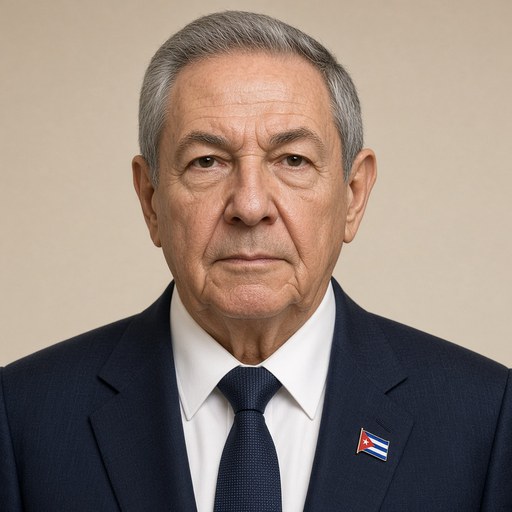
Speech delivered at the Second Session of the VII Legislature of the National Assembly.
 Raúl Castro · President of Cuba
- Context
- Castro addressed the National Assembly's Second Session of the VII Legislature on December 27, 2008, reviewing Cuba's challenges from hurricanes and the global economic crisis.
- Main themes
- Hurricane recovery, economic challenges, global financial crisis, housing reconstruction, agricultural production, food security, natural disasters, institutionalism and order, import costs, export prices, infrastructure restoration, Cuban resilience
- Duration
- ~31 min
- Words
- 3,776
- Sentences
- 140
- Readability
- 39
- Grade
- 14.5
- Syntax
- 3.27
- Vocabulary
- 2.23
Translated from Spanish
The broad sphere of national life a sentence belongs to. Every sentence has an Arena, so it is the denominator the other indices are read against.
Other140 sentences in 78 paragraphs
Comrades:
We are just a few days away from the end of a year in which the country has faced difficult challenges. The fluctuations of a declining global economy have been compounded by increasingly unpredictable and devastating natural phenomena. In Cuba, the rest of the Caribbean, and Latin America, droughts, hurricanes, and floods of growing intensity and frequency alternate.
It has been a new opportunity for millions of Cubans to showcase that resilience of those who do not bend in the face of difficulties, no matter how insurmountable they may seem. It has also been reaffirmed that when we work together, in an organized and supportive manner, the fruits of our efforts and the resources invested multiply.
The recovery from the damage caused by the last three hurricanes is generally progressing satisfactorily. The first results of the gradual restoration of agricultural production are already visible. Significant investments have also been made to equip brigades that will substantially increase the capacity for housing construction. The first four large brigades destined for the earth-moving required by the new urbanizations are already in the country.
On the other hand, equipment and materials have been acquired for the construction of roads, railways, and the restoration of electrical and communication networks, which has been achieved in shorter timeframes than in previous situations, even though the damage was greater. These are just a few examples of what has been done in recent months.
However, we must be aware of the magnitude of this task, particularly the recovery of housing. There are more than 500,000 affected by hurricanes this year in 35 municipalities, and in another 12, more than 70,000 have been damaged by weather events from previous years. Of all of them, 77% still remain to be repaired or completely rebuilt.
I have been assured that it can be completed in three years, but let us be realistic and not deceive ourselves; with continued effort, it may take three to six years.
However, in the midst of a working and sacrificing environment for the majority, some attempted to profit from this situation at the expense of the needs of their compatriots. They received a firm response from the Interior Order organs, the Prosecutor's Office, and the Courts, supported by the population through mass organizations.
It must be clear that there will be no setbacks in the goal of strengthening institutionalism, discipline, and order in all spheres of the country, without which it is simply not possible to advance.
The economic results achieved this year were addressed both in this plenary session and in the days prior.
The adverse economic reality present for practically all of 2008, combined with the many hours that the country's leadership had to dedicate to finding the best alternatives to guarantee, despite the difficulties, food, health, education, and the satisfaction of other basic needs of our people, forced us to place the study and adoption of decisions on also important matters as a second priority.
In other areas, progress has been made, such as putting idle lands into the hands of those who can and are willing to make them productive. This is a decisive front where we must be alert to any delays or violations of what has been established.
There are also advances in the collection and local distribution of milk and other foods that can be produced in the country; in the rationalization of transportation and its increase when possible; in the construction of large hydraulic works, aqueducts, and sewage systems, or the rehabilitation of existing ones in several cities; the sustained growth of tourism and a modest increase in import substitution, to mention just a few of the most important tasks.
This has allowed us to better face the increase in expenses as a consequence of the losses caused by the major meteorological phenomena that affected us and even more so due to the enormous increase, barring temporary fluctuations, in the prices of practically everything we import.
In food, for example, this year the country had to pay 907 million dollars more than in 2007, of which nearly 840 million was due to price increases. They have decreased in recent weeks, but those of our main export items have decreased even more.
The average price of nickel in 2008 has been 41% lower than in 2007, and 80% lower than the record it reached that year. Prices for sugar and seafood, among others that Cuba exports, have also decreased.
The financial crisis that erupted in the United States has rapidly evolved into the global economic crisis that Comrade Fidel predicted no less than a decade ago, the deepest in almost 80 years.
The reality is that no Nobel Prize-winning economist, no school of economic thought, no international organization can say with certainty how long and how far it will go.
Next year is therefore one of great uncertainty in the global economy, and we must be prepared to face this serious challenge, which is already affecting us appreciably.
Despite so many difficulties, the economy grew, although less than planned, influenced decisively, as I mentioned earlier, by the losses caused by the hurricanes, amounting to nearly ten billion dollars, that is, around 20 percent of this year's gross domestic product.
For its importance, I insist on an idea I have expressed before: no one, neither an individual nor a country, can afford to spend indefinitely more than what they receive from the sale of their productions or the services they provide.
The unfavorable scenario of the global economy and our own difficulties require us to optimize the possibilities offered by mutually advantageous economic relations, which we have been developing with friendly nations from all continents, especially with the sister Bolivarian Republic of Venezuela, personally promoted by its President, Comrade Hugo Chávez Frías.
Our fundamental duty is to adjust foreign currency expenditures to the volumes we are capable of generating. It is a battle in which victory depends on the gradual increase of productions destined for export or that efficiently and economically substitute imports, and on ensuring a greater and better supply of services to people from other countries, such as tourism and health, which provide considerable income.
In addition to being an urgent necessity, it constitutes a fundamental duty to future generations. It would not be ethical to increase non-productive expenditures at the expense of incurring debts that our children and grandchildren would have to pay.
Consequently, among other measures, it was decided to reduce by 50% the projected expenditures on foreign travel by organizations, and the same has been indicated for the business sector. The goal is not to decrease necessary tasks or management but to carry them out with greater rationality.
This is not a change in the adopted economic strategy; on the contrary, it means being fully consistent with it. None of the issues I have discussed in recent times have been shelved. In each of them, partial measures have been implemented as circumstances have allowed, and we will advance, without haste or excess idealism, according to the resources available and the necessary studies are completed.
Closely related to the above, we must be aware that to gradually resolve the existing distortions in the wage system, we must eliminate undue gratuities and excessive subsidies. Otherwise, the accounts simply do not add up. Two plus two always equals four, never five; we must act realistically and adjust all dreams to true possibilities. This means adhering to the socialist principle that each receives according to their work.
Gratuities must be strictly limited to ensuring all citizens equally vital issues such as education, health, and social security and assistance, which, along with culture and sports, will require producing more and increasing income to the budget to maintain even current levels, as expenses grow year after year. The task is not easy, and it requires the understanding and support of all.
An example of this is what the Council of Ministers analyzed and what was extensively reported to you yesterday regarding the elimination of the practice of guaranteeing vacation plans, gastronomic offers, and others at highly subsidized prices, which were being offered to leaders, outstanding workers, and other sectors of the population. The annual cost in foreign currency for this concept was nearly 60 million dollars; perhaps a little more, considering the subsidy part that camping receives exceeds 60 million dollars annually. This is the only country in the world that does that.
Let it be understood well, it is not a matter of whether those who have enjoyed that possibility deserve it or not, nor of limiting the right to go to those centers, but rather whether it is rational to maintain a form of stimulus that represents such a high cost in the current difficult circumstances or in any other.
It is known that the vast majority of people do not justly appreciate a gratuity or a high generalized subsidy as part of the compensation they receive, in which they only consider the salary.
Yesterday we discussed this topic extensively. It has many other facets, which we will continue to discuss, and we warn you without trembling in our voice that they must be analyzed to gradually eliminate them, along with the process of giving true value to wages. There is no other solution.
The priority of other matters prevented us from concluding the studies and presenting to this session of the Assembly the new composition of the Government. Therefore, we request that you postpone this decision, which does not imply that, as has been done, other changes will not be made throughout 2009.
These issues are closely linked to the structural and conceptual transformations that must be submitted for consideration and approval at the VI Congress of the Party.
For example, studies for the creation of the General Comptroller of the Republic are at a very advanced stage, as an organ hierarchically superior to the central state administration bodies that would be directly subordinate to the Council of State, and we intend to present this proposal in the next session of the Assembly.
The project envisions that this body will assume the functions of the current Ministry of Audit and Control, to which others will be added, as it is expected to grant it more powers than those usually held in certain countries, limited fundamentally to the control of public funds.
In short, we aspire for it to contribute decisively to strengthening the demand for strict compliance with duty by all management structures, without supplanting the responsibilities of ministers or any other official.
Moreover, in cases where it detects the absence of norms or regulations, it will promote that they be developed and presented to the corresponding instances. In many places, this situation is present both in the enterprise and in the nation.
Where is it written what the duties are, what the functions are, for which you have to direct your work and fulfill the demands in the performance of duty that several deputies referred to here regarding very specific issues? Total absence of norms or regulations.
This General Comptroller of the Republic will also ensure that, and I expand the concept, because it is time for many of us to start seeing what needs to be regulated within each person's area of work.
Everything requires regulation as a guide on which to base work.
To demand entails controlling, educating, guiding, preventing, and enforcing what is to be enforced; but what has to be enforced must be written, it is not up to each person's whim. If the time comes to sanction someone, we cannot limit ourselves to the direct perpetrators of the violations. It must also include those whose negligent actions foster or allow their occurrence, that is, the so-called collateral responsible, who are precisely those who do not demand.
For many years I have reflected on these issues, first critically analyzing my own work and also that of others. I have come to the conclusion that one of our fundamental problems is the lack of systematic demand at all levels. Observe, reflect, look to one side, look to the other, and also look inward.
We must always be willing to seek out problems and face misunderstandings. To lead is, first and foremost, to know how to demand, from the grassroots to the higher levels.
You cannot lead and control and at the same time be tolerant; to play the role of "good people," as is commonly said. Hence the various labels, usually derogatory, that are thrown at those who act as they should.
It is also not possible to lead without mastering the provisions and guiding documents of our work. We are not accustomed to being governed by documents, and when one appears, we see the title and it goes to sleep in the drawers. Work must be governed by guiding documents, approved at the corresponding levels, preferably discussed democratically, with the participation of all who should participate and those who must enforce them.
In very few institutions in this country - there are some, very few - it is regulated from the moment you enter to the way you have to be buried if you die in that organization, and what is done in each case. I cite those two extremes. But there are others where nothing is regulated and it is very common to unconsciously violate - and as a natural thing - official regulations and laws of the republic, of this very Parliament, and nothing happens.
I said that it is also not possible to lead without mastering the provisions and guiding documents of our work.
Unfortunately, not everyone has the habit of studying them or consulting them with the required frequency, which is the only way to apply them consistently.
The Comptroller's Office will not eliminate these problems on its own, which stem from deep-rooted vices - as deeply rooted as the marabou; but the marabou can be uprooted, the marabou can be burned, and on the land that is today at least protected by the marabou, useful fruits for the country can be produced - but it will contribute - I refer to the Comptroller's Office - to the battle we are waging against them, with the support of other agencies, particularly the Attorney General's Office, and alongside the Party and other non-state institutions that collectively represent all of society. We will give maximum support to that endeavor, step by step and without extremism, but increasingly rigorously and energetically. Reflect on these issues that I have just mentioned and observe.
In the previous session of the Assembly, we focused on two main topics: the new Social Security Law and the need to increase workforce participation, productivity, and efficiency.
I agree with the opinions expressed during the session: we have approved a fair Social Security Law, respectful of workers' interests and that also takes into account the economic and demographic realities of the country.
As our press has reported, 2008 will conclude with a slight increase in birth rates compared to previous years, but this does not yet signify a change in the sustained trend of an increasing number of elderly citizens compared to younger ones, with the consequent progressive decrease in the labor force.
These are unavoidable and very difficult reasons to reverse, which impose the need to raise the retirement age, and this has been understood by the vast majority of our workers, after deep discussions in which the opinions of all were heard and taken into account.
Last June, we called for the reintegration of retired teachers and professors or those who had stopped teaching for various reasons. The response has justified our expectations. We are pleased to congratulate the seven thousand educators who responded, and today contribute their experience and knowledge at different levels of education, particularly primary, secondary, and pre-university, where the greatest deficit of teachers exists.
It has been a very important reinforcement for the selfless and irreplaceable contingent that our educators constitute. This is demonstrated by the other nine thousand who have surpassed the retirement age and continue in their positions. This task does not end here, especially in the provinces that have so far achieved the lowest results.
The same happened earlier with the more than 1,600 engineers, mid-level technicians, and skilled workers who were already retired and rejoined the Armed Forces, many of them to participate in the important task of modernizing our armaments and other means of defense, a topic I spoke about in the previous session of the Assembly; 1,600 retirees returned.
These are examples that demonstrate that our people always respond when serious work is done, with solid arguments and correct organization.
On that occasion, I also mentioned that each province must guarantee, in addition to the required teachers, the builders, police, and the rest of the workforce that is currently deficient. Some progress has been made. In the first half of the year, 867 young people from the capital of the republic entered training courses as police officers, and the enrollment of those who will begin training in February 2009 is also covered. The most lagging provinces are Matanzas and Havana.
In the next session of the Assembly, I will remind you again so that we do not forget.
As for the builders, I must say that the response is very, very insufficient in this key sector for the development of the country in all aspects, even for the thousands of homes we have to build. We will see what we can do.
These are steps within the set of measures that will have to continue to be adopted until working truly becomes something vital for everyone. To put it more clearly: that people feel the need to work to meet their needs, regardless of the awareness of every honest citizen about this primary duty.
Let us not deceive ourselves any longer; if there is no pressure, if there is no need to work to meet my needs, and I am being given things for free here or there, we will be left without a voice calling for work. That is my way of thinking, and that is why everything I am proposing is largely aimed at that objective. Let us not deceive ourselves.
We share the concern of many compatriots regarding individuals who do not contribute to society, but we must be aware that these are problems that cannot be solved by a provision, not even a law. They require an approach that integrates political, economic, legal, and administrative actions, and, above all, what I have just told you: that they feel the need to work.
In international relations, the country's successes are considerable. We have fully fulfilled our responsibility as President of the Non-Aligned Movement, now more active and cohesive. In the UN, the resolution against the blockade was approved for the seventeenth consecutive time. A few days ago in Brazil, the Summit of the Rio Group received with applause Cuba's admission as a full member, and likewise, our country's assessments were listened to with respect and attention by the heads of state attending the summits of Latin America and the Caribbean on Integration and Development, and of the Southern Common Market.
The nations of our subcontinent have moved from requests to demands regarding the cessation of aggressions against Cuba by the United States, both in multilateral events and individually by an increasing number of governments and parliaments.
An example of this transformation is the unanimous statement against the blockade adopted at the Summit of Latin America and the Caribbean on Integration and Development.
In the year, we continue to fight tirelessly for the return to the Homeland of our Five Heroes. We renew before their families and the people the commitment to never falter in that effort until they return to their Homeland.
The immediate and important aid received after the passage of the hurricanes, along with the countless messages of solidarity and encouragement, are gestures that our people appreciate and thank, while also being another tangible demonstration of the respect and affection that Cuba has earned with its always principled and upright actions in its relations with other countries, and its selfless and solidary cooperation in countless fields, especially in health and education.
We live in a radically different historical moment, very different from those years when the governments of Latin America, with very few honorable exceptions, submissively complied en masse with the dictates of Washington to isolate Cuba. Today we are reaping the fruits of a firm, solidary, and principled foreign policy, conceived and implemented by Comrade Fidel for almost five decades, even in the most difficult circumstances.
We were hosts this year of important international meetings, the most recent being the Third Cuba-CARICOM Summit, held in early December in Santiago de Cuba with excellent results, and to which for the first time all the heads of state of the countries that make up the Caribbean Community attended. In addition, we have had the honor of receiving numerous Heads of State and Government, and personalities from politics, economics, religion, science, and culture from all continents.
Fifty years ago, around this time, the Rebel Army, in close coordination with the fighters of the clandestine struggle, achieved its great and decisive final victories throughout the country. Not a week passed, and before the push of the Revolution, the tyranny that had plunged the country into tragedy for almost seven years collapsed.
The victory in our last War of Liberation came exactly five years, five months, and five days after the heroic attempt to "take the sky by storm" in Santiago de Cuba and Bayamo, on July 26, 1953.
The victory of January First did not mark the end of the struggle, but the beginning of a new stage characterized by the increasingly massive and conscious participation of the people, in which there has not been a minute of respite during the half-century that has passed. The last 12 months have also been particularly intense and complex, which we have just reviewed.
That is why I conclude by wishing you, and all our compatriots, health and much energy for the year 2009. We will need both, as I have said on other occasions, there is plenty of work to be done!
Cuban revolutionaries can look to the past with our heads held high and to the future with the same confidence in our strength and capacity to resist.
Let us all congratulate ourselves on the 50th anniversary of the triumph of the Revolution, first of all to its Commander in Chief Fidel Castro Ruz, who has been guiding us, yesterday, today, and always, from victory to victory!
Thank you very much.
The original Spanish. The tags above are read on the English translation's sentences.
Compañeras y compañeros:
Nos separan pocos días del final de un año en que el país ha enfrentado retos difíciles. A los vaivenes de una economía mundial en declive sostenido, se han sumado fenómenos naturales cada vez más impredecibles y devastadores. En Cuba, el resto del Caribe y América Latina, se alternan sequías, huracanes e inundaciones de intensidad y frecuencia crecientes.
Ha sido una nueva oportunidad para que millones de cubanos saquen a relucir esa fibra de quienes no se doblegan ante las dificultades, por insuperables que puedan parecer. También se ha ratificado que cuando trabajamos unidos, de forma organizada y solidaria, se multiplican los frutos del esfuerzo y los recursos invertidos.
La recuperación de los daños ocasionados por los tres últimos huracanes, en general marcha satisfactoriamente. Ya se aprecian los primeros resultados de la paulatina restauración de las producciones agropecuarias. También se han hecho importantes inversiones para el equipamiento de brigadas que elevarán sustancialmente la capacidad de construcción de viviendas. Ya están en el país las primeras cuatro grandes brigadas destinadas al movimiento de tierra que demandan las nuevas urbanizaciones.
Por otra parte, se ha adquirido equipamiento y materiales para la construcción de carreteras, vías férreas y el restablecimiento de las redes eléctricas y de comunicaciones, lo que se ha logrado en plazos menores que en situaciones anteriores, aunque los daños fueron mayores. Son solo algunos ejemplos de cuanto se ha venido haciendo durante los últimos meses.
No obstante, debemos estar conscientes de la magnitud de esta tarea, en particular la recuperación de las viviendas. Hay más de 500 mil afectadas por los huracanes en el presente año en 35 municipios , y en otros 12 se suman más de 70 mil dañadas por eventos meteorológicos de años anteriores. De todas ellas, aún resta por reparar o construir totalmente el 77%.
Me han asegurado que puede concluirse en tres años, pero seamos realistas y no nos engañemos, con un esfuerzo continuado pudiera necesitarse de tres a seis años.
Sin embargo, en medio de un ambiente de trabajo y sacrificio de la mayoría, algunos intentaron lucrar en medio de esa situación a costa de las necesidades de sus compatriotas. Recibieron la respuesta firme de los órganos de Orden Interior, de la Fiscalía y los Tribunales, apoyados por la población a través de las organizaciones de masas.
Debe quedar claro que no habrá retrocesos en el propósito de fortalecer la institucionalidad, la disciplina y el orden en todas las esferas del país, sin los cuales sencillamente no es posible avanzar.
Los resultados económicos alcanzados en el presente año fueron abordados tanto en esta sesión plenaria como en los días previos.
La realidad económica adversa presente durante prácticamente todo el 2008, unida a las muchas horas que la dirección del país tuvo que dedicar a la búsqueda de las mejores alternativas para garantizar, pese a las dificultades, la alimentación, la salud, la educación y la satisfacción de las demás necesidades básicas de nuestro pueblo, obligaron a situar en una segunda prioridad el estudio y la adopción de decisiones en asuntos también importantes.
En otros se ha logrado avanzar, como en ir poniendo las tierras ociosas en manos de quienes puedan y estén dispuestos a hacerlas rendir frutos. Este es un frente decisivo en que hay que estar alerta ante cualquier retraso o violación de lo establecido.
Además hay avances en el acopio y distribución local de leche y del resto de los alimentos que es posible producir en el país; en la racionalización del transporte y su incremento cuando ha sido posible; en la construcción de grandes obras hidráulicas, acueductos y sistemas de alcantarillado o la rehabilitación de los existentes en varias ciudades; el crecimiento sostenido del turismo y una modesta elevación de la sustitución de importaciones, por sólo mencionar algunas de las más importantes tareas.
Ello ha permitido afrontar mejor el crecimiento de los gastos como consecuencia de las pérdidas ocasionadas por los grandes fenómenos meteorológicos que nos afectaron e incluso en mayor medida por el aumento descomunal, salvo oscilaciones coyunturales, de los precios de prácticamente todo lo que importamos.
En alimentos, por ejemplo, este año el país tuvo que pagar 907 millones de dólares más que en el 2007, de esa cifra, cerca de 840 millones por incrementos de precios. Han bajado en las últimas semanas, pero lo han hecho aún más los de nuestros principales renglones exportables.
El precio promedio del níquel en el 2008 ha sido un 41% inferior al del 2007, y 80% menor que el récord que alcanzó en ese año. También han disminuido los del azúcar y los productos del mar, entre otros que Cuba exporta.
La crisis financiera que estalló en los Estados Unidos ha evolucionado rápidamente hasta transformarse en la crisis económica global que el compañero Fidel pronosticó hace no menos de una década, la más profunda en casi 80 años.
La realidad es que ningún Premio Nobel de Economía, ninguna escuela de pensamiento económico, ningún organismo internacional puede decir con certeza hasta cuándo y hasta dónde llegará.
El año próximo es por tanto de mucha incertidumbre en la economía mundial y debemos estar preparados para enfrentar ese serio reto, que ya nos viene afectando de manera apreciable.
Pese a tantas dificultades, la economía creció, aunque menos que lo planificado, en lo que influyeron de modo determinante, como mencioné anteriormente, las pérdidas ocasionadas por los huracanes, con un monto cercano a los diez mil millones de dólares, es decir, alrededor del 20 por ciento del producto interno bruto del presente año.
Por su importancia, insisto en una idea que he expresado otras veces: nadie, ni un individuo ni un país, puede darse el lujo de gastar indefinidamente más de lo que recibe por la venta de sus producciones o por los servicios que presta.
El escenario desfavorable de la economía mundial y nuestras propias dificultades, exigen optimizar las posibilidades que nos brindan las relaciones económicas mutuamente ventajosas, que venimos desarrollando con naciones amigas de todos los continentes, en especial con la hermana República Bolivariana de Venezuela, impulsadas personalmente por su Presidente, el compañero Hugo Chávez Frías.
Nuestro elemental deber es ajustar los gastos en divisas a los volúmenes que estamos en condiciones de ingresar. Es una batalla en que la victoria depende del incremento paulatino de las producciones destinadas a la exportación o que sustituyen importaciones con eficiencia y ahorro, y de garantizar una mayor y mejor oferta de servicios a personas de otros países, que como el turismo y la salud aportan considerables ingresos.
Además de una necesidad imperiosa, constituye un deber elemental para con las futuras generaciones. No sería ético aumentar los gastos no productivos a costa de contraer deudas que tendrían que pagar nuestros hijos y nietos.
En consecuencia, entre otras medidas, se decidió reducir en un 50% los gastos previstos en viajes al exterior de los organismos, y lo mismo se ha indicado respecto al sector empresarial. El objetivo no es disminuir tareas ni gestiones necesarias, sino hacerlas con mayor racionalidad.
No se trata de un cambio en la estrategia económica adoptada, al contrario, significa ser totalmente consecuentes con ella. No se ha engavetado ninguno de los temas de los que he hablado en los últimos tiempos. En cada uno de ellos se han ido instrumentando las medidas parciales que han permitido las circunstancias y se avanzará, sin apresuramientos ni excesos de idealismo, según se disponga de los recursos y concluyan los estudios necesarios.
Estrechamente relacionado con lo anterior, debemos estar conscientes de que para ir resolviendo paulatinamente las distorsiones existentes en el sistema salarial, hay que ir eliminando las gratuidades indebidas y los subsidios excesivos. De lo contrario, sencillamente las cuentas no cuadran. Dos más dos siempre suma cuatro, jamás cinco; hay que actuar con realismo y ajustar todos los sueños a las verdaderas posibilidades. Esto significa cumplir con el principio socialista de que cada cual reciba según su trabajo.
Las gratuidades deben limitarse estrictamente a asegurar a todos los ciudadanos por igual cuestiones vitales como la educación, la salud y la seguridad y asistencia social, que junto a la cultura y el deporte, para mantener incluso los niveles actuales, se requerirá producir más e incrementar los ingresos al presupuesto, pues los gastos crecen de año en año. La tarea es nada sencilla y se necesita de la comprensión y el apoyo de todos.
Un ejemplo de ello es lo que analizó el Consejo de Ministros y lo que se informó a ustedes ampliamente ayer, en cuanto a eliminar la práctica de garantizar planes vacacionales, ofertas gastronómicas y otras a precios altamente subsidiados, que se venían ofreciendo a cuadros, trabajadores destacados y otros sectores de la población. El costo anual en divisas por este concepto era de casi 60 millones de dólares; tal vez un poquito más, si tenemos en cuenta la parte de subsidio que recibe el campismo pasa de 60 millones de dólares anuales. Este es el único país del mundo que hace eso.
Que se entienda bien, no se trata de si lo merecen o no quienes han disfrutado de esa posibilidad, ni de limitar el derecho a ir a esos centros, sino de si resulta racional mantener una forma de estímulo que representa tan alto costo, en las difíciles circunstancias actuales o en cualquier otra.
Es sabido que la gran mayoría de las personas no aprecia justamente una gratuidad o un elevado subsidio generalizado, como parte de la retribución que recibe, en la que sólo considera el salario.
Ayer discutimos ampliamente este tema. Tiene otras muchas facetas, las cuales seguiremos discutiendo, y lo advertimos sin que nos tiemble la voz, que deben ser analizadas para paulatinamente irlas eliminando, junto con el proceso de darle el verdadero valor al salario. No hay otra solución.
La prioridad de otros asuntos nos impidió concluir los estudios y presentar a esta sesión de la Asamblea la nueva composición del Gobierno. Por tanto solicitamos a ustedes aplazar esta decisión, lo que no implica que puntualmente, como se ha venido haciendo, se realicen otros cambios en el transcurso del 2009.
Estos temas están íntimamente vinculados con las transformaciones estructurales y de concepto que deben ser sometidas a la consideración y aprobación del VI Congreso del Partido.
Por ejemplo, se encuentran en una etapa muy avanzada los estudios para la creación de la Contraloría General de la República , como un órgano jerárquicamente superior a los organismos de la administración central del Estado que estaría subordinado directamente al Consejo de Estado y tenemos el propósito de presentar dicha propuesta en el próximo período de sesiones de la Asamblea.
El proyecto concibe que este órgano asuma las funciones del actual ministerio de Auditoría y Control, a las que se agregan otras, pues se prevé otorgarle más facultades que las que suele tener en determinados países, limitadas fundamentalmente al control de los fondos públicos.
Dicho en pocas palabras, aspiramos a que contribuya de manera decisiva a fortalecer la exigencia en el cumplimiento estricto del deber por todas las estructuras de dirección, sin suplantar en sus responsabilidades a los ministros ni a ningún otro funcionario.
Incluso, en los casos en que detecte la ausencia de normas o regulaciones, promoverá que sean elaboradas y presentadas ante las instancias correspondientes. En muchos lugares esa situación está presente tanto en la empresa como en la nación.
¿Dónde está escrito cuáles son los deberes, cuáles son las funciones, por las cuales ustedes tienen que dirigir su trabajo y realizar las exigencias en el cumplimiento del deber de cada uno que mencionaron aquí varios diputados refiriéndose a temas muy concretos? Ausencia total de normas o regulaciones.
Esta Contraloría General de la República velará además por eso, y le amplío el concepto, porque ya es hora de que muchos empecemos a ver qué falta por regular dentro del área de trabajo de cada cual.
Todo requiere regulación como guía sobre la cual basar el trabajo.
Exigir conlleva controlar, educar, orientar, prevenir y hacer cumplir o dispuesto; pero eso que tiene que hacerse cumplir; lo dispuesto, tiene que estar escrito no es por lo que se le ocurra a cada cual. Si llegado el momento hay que sancionar a alguien, no podemos limitarnos a los comisores directos de las violaciones. Debe incluir también a los que con su actuar negligente propician o permiten su ocurrencia, es decir, los llamados responsables colaterales, que son precisamente los que no exigen.
Durante muchos años he meditado sobre estas cuestiones, en primer lugar analizando críticamente mi propio trabajo y también el de los demás. He llegado a la conclusión de que uno de nuestros problemas fundamentales es la falta de exigencia sistemática a todos los niveles. Observen, mediten, miren hacia un lado, miren hacia el otro y también mírense hacia adentro.
Hay que estar siempre dispuesto a buscarse problemas y a enfrentar incomprensiones. Dirigir es en primer lugar saber exigir, desde la base hasta los niveles superiores.
No se puede dirigir y controlar y a la vez ser tolerante; desempeñar el papel del buena gente como suele decirse popularmente. De ahí los diversos calificativos, por lo regular denigrantes , que les endilgan a cuantos actúan como realmente debe hacerse.
Tampoco es posible dirigir sin dominar las disposiciones y documentos rectores de nuestro trabajo. No estamos acostumbrados a regirnos por los documentos , y cuando aparece uno, le vemos el título y allá va a dormir a las gavetas. Hay que regir, se rige el trabajo por documentos rectores, aprobados en los niveles correspondientes, preferiblemente discutidos de manera democrática, con la participación de todos los que deben participar y de los que deben hacerlo cumplir.
En muy pocas instituciones de este país -las hay, muy pocas- está regulado desde que usted ingresa hasta la forma en que lo tienen que enterrar, si muere en ese organismo, y qué se hace en cada caso. Cito esos dos extremos. Pero hay otros donde no se rigen por nada y es muy común la violación inconsciente -y como cosa natural- de regulaciones oficiales y de leyes de la república, de este propio Parlamento, y no pasa nada.
Decía que tampoco es posible dirigir sin dominar las disposiciones y documentos rectores de nuestro trabajo.
Lamentablemente, no todos tienen el hábito de estudiarlos ni consultarlos con la periodicidad requerida, que es la única forma de aplicarlos de manera consecuente.
La Contraloría no va a eliminar por sí sola estos problemas, que provienen de vicios enraizados -tan enraizados como el marabú; pero el marabú se arranca, el marabú se quema, y sobre la tierra que hoy es protegida por lo menos por el marabú, pueden producirse frutos útiles para el país-, pero contribuirá -me refiero a la Contraloría- a la batalla que estamos librando contra ellos, con el apoyo de otros organismos, particularmente de la Fiscalía General de la República , y junto al Partido y otras instituciones no estatales que representan en su conjunto a toda la sociedad. Daremos el máximo de apoyo a ese empeño, paso a paso y sin extremismos, pero de forma cada vez más rigurosa y enérgica. Mediten sobre estas cuestiones que acabo de decirles y observen.
En la anterior sesión de la Asamblea nos concentramos en dos temas principales: la nueva Ley de Seguridad Social y la necesidad de incrementar la incorporación al trabajo, su productividad y eficiencia.
Coincido con las opiniones vertidas durante la sesión: hemos aprobado una Ley de Seguridad Social justa, respetuosa de los intereses de los trabajadores y que a su vez tiene en cuenta las realidades económicas y demográficas del país.
Como ha informado nuestra prensa, el 2008 va a concluir con un ligero aumento de la natalidad respecto a años anteriores, pero esto no significa todavía un cambio en la tendencia sostenida al incremento de los ciudadanos de edad avanzada respecto a los más jóvenes, con la consiguiente disminución progresiva de la población laboralmente activa.
Son razones insoslayables y muy difíciles de revertir, que imponen la necesidad de aumentar la edad de jubilación y así lo ha comprendido la gran mayoría de nuestros trabajadores, después de profundas discusiones en que se escuchó y tuvo en cuenta la opinión de todos.
El pasado mes de junio hicimos un llamado a la reincorporación a las aulas de maestros y profesores jubilados o que habían dejado de impartir clases por diversas razones. La respuesta ha justificado nuestra expectativa. Nos satisface felicitar a los siete mil educadores que respondieron, y hoy aportan su experiencia y conocimientos en los diferentes niveles de enseñanza, en particular la primaria, media y preuniversitaria, donde se presenta el mayor déficit de docentes.
Ha sido un refuerzo muy importante para el abnegado e insustituible destacamento que constituyen nuestros educadores. Así lo demuestran los otros nueve mil que han rebasado la edad de jubilación y continúan en sus puestos. Esta tarea no concluye aquí, sobre todo en las provincias que han obtenido hasta ahora menores resultados.
Igual ocurrió anteriormente con los más de 1 600 ingenieros, técnicos de nivel medio y obreros calificados, que ya estaban en retiro y se reincorporaron a las FAR, gran parte de ellos para participar en la importante tarea de la modernización de nuestro armamento y otros medios de la defensa, tema del que hablé en la anterior sesión de la Asamblea; 1 600 retirados volvieron.
Son ejemplos que demuestran que nuestro pueblo siempre responde cuando se trabaja seriamente, con argumentos sólidos y una correcta organización.
En esa ocasión también hablé de que cada provincia debe garantizar, además de los profesores que requiere, los constructores, policías y el resto de la fuerza de trabajo hoy deficitaria. Algo se ha avanzado. En el primer semestre ingresaron a cursos de formación como policías, 867 jóvenes de la capital de la república, e igualmente está cubierta la matrícula de los que comenzarán a prepararse en febrero del 2009. Las provincias más atrasadas son Matanzas y La Habana.
En la próxima sesión de la Asamblea, volveré a recordarlo para que no se nos olvide.
En cuanto a los constructores, debo decir que la respuesta es muy, muy insuficiente en este sector clave para el desarrollo del país en todos los aspectos, hasta para los miles de viviendas que tenemos que construir. Veremos qué podemos hacer.
Son pasos dentro del conjunto de medidas que habrá que continuar adoptando, hasta que trabajar constituya realmente algo vital para todos. Dicho más claro: que las personas sientan la necesidad de trabajar para satisfacer sus necesidades, independientemente de la conciencia de todo ciudadano honesto sobre este primordial deber.
No nos engañemos más; si no hay la presión, si no existe la necesidad de trabajar para satisfacer mis necesidades, y me lo están dando gratis por aquí o por allá, nos quedaremos sin voz llamando al trabajo. Esa es mi forma de pensar, y por eso todo lo que estoy proponiendo va en gran parte encaminado hacia ese objetivo. No nos engañemos.
Compartimos la preocupación de muchos compatriotas respecto a individuos que no aportan a la sociedad, pero debemos estar conscientes de que son problemas que no resuelve una disposición, ni siquiera una ley. Requieren un enfoque que integre acciones políticas, económicas, legales y administrativas, y, sobre todo, lo que les acabo de decir: que sientan la necesidad de trabajar.
En las relaciones internacionales son considerables los éxitos del país. Hemos cumplido cabalmente con nuestra responsabilidad como Presidente del Movimiento de Países no Alineados, hoy más activos y cohesionados. En la ONU fue aprobada la resolución contra el bloqueo por décimo séptima ocasión consecutiva. Hace pocos días en Brasil, la Cumbre del Grupo de Río recibió con una ovación el ingreso de Cuba como miembro pleno, e igualmente fueron escuchadas con respeto y atención las valoraciones de nuestro país por los mandatarios asistentes a las cumbres de América Latina y el Caribe sobre Integración y Desarrollo, y del Mercado Común del Sur.
Las naciones de nuestro subcontinente han pasado de las peticiones a la exigencia en cuanto al cese de las agresiones contra Cuba por parte de los Estados Unidos, tanto en eventos multilaterales como de forma individual por un número creciente de gobiernos y parlamentos.
Ejemplo de esa transformación es el pronunciamiento contra el bloqueo adoptado de forma unánime en la Cumbre de América Latina y el Caribe sobre Integración y Desarrollo.
En el año continuamos batallando sin descanso por el regreso a la Patria de nuestros Cinco Héroes. Renovamos ante sus familiares y el pueblo el compromiso de no desmayar jamás en ese esfuerzo hasta que regresen a su Patria (Aplausos prolongados).
La inmediata e importante ayuda recibida tras el paso de los huracanes, junto a los incontables mensajes de solidaridad y aliento, son gestos que aprecia y agradece nuestro pueblo, a la vez que otra muestra palpable del respeto y el cariño que Cuba ha sabido ganarse con su actuación siempre vertical y de principios en sus relaciones con el resto de los países, y su cooperación solidaria y desinteresada en incontables campos, especialmente en los de la salud y la educación.
Vivimos un momento histórico radicalmente diferente, muy diferente al de aquellos años en que los gobiernos de América Latina, salvo muy contadas y honrosas excepciones, se plegaban en bloque de manera sumisa a los dictados de Washington para aislar a Cuba. Hoy estamos cosechando los frutos de una política exterior firme, solidaria y basada en principios inviolables, concebida y llevada a la práctica por el compañero Fidel durante casi cinco décadas, aun en las más difíciles circunstancias.
Fuimos anfitriones en el año que concluye de importantes reuniones internacionales, la más reciente la Tercera Cumbre Cuba-CARICOM, efectuada a comienzos de diciembre en Santiago de Cuba con excelentes resultados, y a la que por primera vez asistieron todos los mandatarios de los países que integran la Comunidad del Caribe. Además, hemos tenido el honor de recibir a numerosos Jefes de Estado y de Gobierno, y a personalidades de la política, la economía, la religión, la ciencia y la cultura de todos los continentes.
Hace 50 años, por estos días el Ejército Rebelde, en estrecha coordinación con los combatientes de la lucha clandestina, obtenía sus grandes y decisivas victorias finales a lo largo y ancho del país. No transcurrió una semana y ante el empuje de la Revolución , se desplomó la tiranía fruto del golpe de Estado que casi siete años antes terminó de sumir al país en la tragedia.
El triunfo en nuestra última Guerra de Liberación llegó exactamente cinco años, cinco meses y cinco días después del heroico intento de tomar el cielo por asalto en Santiago de Cuba y Bayamo, el 26 de julio de 1953.
La victoria del Primero de Enero no marcó el final de la lucha, sino el inicio de una nueva etapa caracterizada por la cada vez más masiva y consciente participación del pueblo, en la que no ha habido un minuto de tregua durante el medio siglo transcurrido. Así han sido también estos últimos 12 meses, especialmente intensos y complejos, a los que hemos pasado balance.
Por eso concluyo deseándoles, a ustedes y a todos nuestros compatriotas, para el año 2009 salud y mucha energía. Vamos a necesitar de ambas, como he dicho otras veces, ¡trabajo hay de sobra!
Los revolucionarios cubanos podemos mirar hacia el pasado con la frente en alto y al futuro además con la misma confianza en nuestra fuerza y capacidad de resistir.
Felicitémonos todos por el aniversario 50 del triunfo de la Revolución , en primer lugar a su Comandante en Jefe Fidel Castro Ruz (Aplausos prolongados y exclamaciones), quien nos ha ido conduciendo, ayer, hoy y siempre, ¡de victoria en victoria!
Muchas gracias.
(Ovación y exclamaciones de Viva Raúl)