




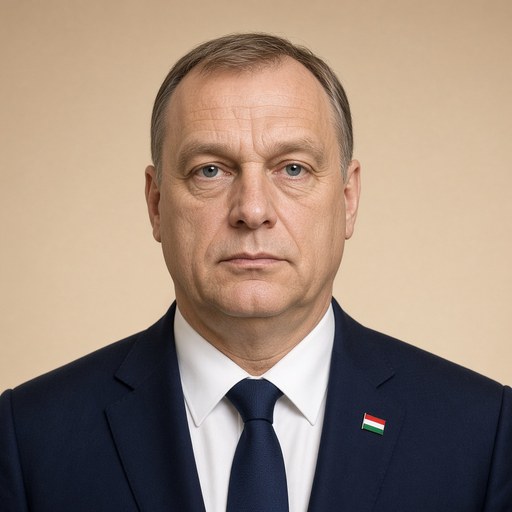
Viktor Orbán's speech at the inauguration of the new building of the Ethnographic Museum.
 Viktor Orbán · Prime Minister of Hungary
- Context
- Orbán spoke at the inauguration of the new Ethnographic Museum building in Budapest's City Park on 22 May 2022, celebrating Hungary's major cultural investment program.
- Main themes
- Hungarian folk culture and identity, cultural investment and infrastructure, Ethnographic Museum inauguration, City Park museum quarter, national mission and heritage, Hungarian character and uniqueness, culture vs. military spending, Carpathian Basin history, folk art and traditions, mandate from 2022 elections
- Duration
- ~13 min
- Words
- 1,548
- Sentences
- 84
- Readability
- 59
- Grade
- 9.5
- Syntax
- 2.93
- Vocabulary
- 2.31
Translated from Hungarian
The broad sphere of national life a sentence belongs to. Every sentence has an Arena, so it is the denominator the other indices are read against.
Other84 sentences in 17 paragraphs
Cool! Géza Szőcs would surely be pleased to see this, and if he sees it, he is certainly pleased. Let us not forget that the idea of Hungary, or rather Budapest, being a worthy location for an unprecedented museum quarter originated in his mind.
I respectfully greet you all! Ladies and gentlemen!
I would like to extend a special greeting to Minister János Csák. This is how it goes, János, one has not even taken office yet, and already he is basking in glory. I also greet our mayor, István Tarlós, without whom we could not have embarked on this wonderful adventure. I would greet the current mayor as well, but since he did not come for reasons of respect, I will refrain from greeting him now. However, I would like to draw the attention of the opponents of Liget to a piece of wisdom from Dakota ethnographic material, since we are in an ethnographic museum: if one notices that they are riding a dead horse, they should dismount.
Dear ladies and gentlemen!
I wish you all a good day! It has been a long time since we last saw each other, exactly four months to the day, when we gathered next door to inaugurate the House of Hungarian Music, and now we are here again to inaugurate a fantastic new cultural center, the building of the Ethnographic Museum. In the meantime, of course, a thing or two has happened. Let us give thanks to God that we can stand here, and that Hungary is moving forward, not backward. I do not know if our friend Szakcsi Lakatos is here? Who would have thought even fifteen years ago that the largest cultural investment in the entire Western world would be taking place here in City Park, that we would hardly keep up with the inaugurations, and that we would be collecting international recognition in succession? Why did we do all this? Why did we build these magnificent buildings, including this one today? Why did we decide to invest Hungary's resources in culture, cultural spaces, museums, and concert halls, as well as in restoring the built environment and the most beautiful park in Budapest, right in the midst of an uncertain and transforming world? It is not easy to answer this question. Einstein once said: "Everyone knows that certain things cannot be done until someone comes along who does not know that and does them." That would have been us. While everyone was insisting that it could not be done, we moved step by step, building by building, and on April 3, the Hungarian people confirmed that we did well to do it, and they believe that the largest cultural investment in Europe must be fully completed. I feel we have received the mandate to implement the entire program.
Dear celebrants!
It is said that during the world war, the British Parliament tried to persuade Churchill to cut cultural expenditures and rather spend the money on military expenses. He replied, "But then why are we fighting?" This is how it is; a nation's culture is actually a solid signpost, culture shows where we come from and also designates where we need to arrive, and if we neglect this, we will inevitably get lost. And if we get lost, after a while we will not even know why we are fighting.
Dear celebrants!
The importance of culture is magnified when it comes to Hungarian folk art. Folk art shows what it means to be Hungarian, and it also shows how good it is to be Hungarian. The wisdom, knowledge, life experience, and worldview accumulated by our people over a thousand years, and perhaps even older than our presence in the Carpathian Basin, is summarized in Hungarian folk culture. We are a people whose documents from ancient times have not survived. We have no written records of our life before the Carpathian Basin, but we have Hungarian folk art, instead of documents we have folk tales, instead of cult objects we have folk visual arts, instead of rituals we have folk songs, ballads, and folk dances. This is the wisdom of our ancestors, and from all this, the Hungarian character clearly emerges. What is this Hungarian trait like? What is the defining Hungarian characteristic? No one can articulate it well, which is precisely why we built this Ethnographic Museum, to provide an answer to this difficult question.
Dear friends!
What we know for sure is that our language and music connect us to places and times where other European peoples are not familiar. This gives the Hungarian world its unique character and deeper reason for our existence, even today. If we were to disappear, something irreplaceable would vanish from the world with us. And this gives our life its mission, the mission of the Hungarians. No one else is capable or suitable to preserve this culture but us. It is also evident that an important element of our world has always been cultural acceptance. Although the Carpathian Basin was inhabited by a colorful mix of peoples, from Zsolna to Brașov, from Máramaros to the banks of the Drava, there is something similar in the houses, the order of the villages, and the curves of the roads. It also becomes clear in this museum that Hungarian identity is a mark, like a birthmark: it is indelible. It continues to be passed down through the passing centuries. Tulip patterns curve on our decorated eggs, wheat stalks bend on our ornate vessels, and a wide field unfolds before us on Kalocsa textiles just as it does on our grandmothers' Sunday tables, or as we grow older, increasingly on our own as well. The same motifs run through our culture and history across the centuries. The Hungarian soul is like a wildflower of nature; it can thrive anywhere if it can live freely. It is like the poetry of Petőfi: even if it grows around weeds, it still emerges and sooner or later finds a way to free itself from the clutches of the creeping vines. When we see our ethnographic heritage, we not only see beauty, but we are also filled with a sense of freedom – at least I am usually filled with it at such times – and we involuntarily smile. It is good to be Hungarian. That is why we feel it in advance and stand firm when they want to restrict us, and that is why we recognize early on when there is trouble, when our culture, our customs, our way of life, our heritage are threatened. The attachment to beauty and Hungarian identity springs from the same root. We see and understand beauty in the Hungarian world; the Hungarian soul is beautiful, Hungarian life is a pleasing life, the Hungarian world delights the eye and the soul. As László Ravasz writes: "Hungarians rejoice in themselves, they take pleasure in themselves."
Dear friends!
In our modern world today, it is taken for granted that beauty is something subjective. That is, you, the observer, decide what is beautiful and what is not. A pleasing thought. However, a fantastic Brit, our late friend, Sir Roger Scruton, wrote the following: "Beauty is a real and universal value, rooted in human reason, and this sense of beauty has an undeniable role in how we shape the world around us." Beauty is a universal value that is rooted in our reason. Sir Roger Scruton claims that we, humans, are capable of articulating truths that stand on their own and do not depend on any historical period, cultural background, or political view. And he believes that our sense of beauty is the best example of this. The fact that we see nothing beautiful in a concrete cube, yet we find the sunset or the image of a mother embracing her child beautiful, proves that there exists eternal, universal beauty, which is truth itself.
Dear celebrants!
The building of the Curia on Kossuth Square, although a beautiful building, did not fit its content. Its form belonged to a public office, while its content was that of Hungarian culture, and this, let us admit, did not strengthen but rather extinguished each other. This building is different. Here, content and form meet. This building reflects our conviction that beauty exists in the world. That even in a world of cookie-cutter cube buildings and uninspired office complexes, it is possible to create something unique that fits its environment, catches the eye, and delights the soul. We wanted a building where the natural beauty of Hungarian folk culture can unfold in its fullest. We have done our part; the judgment, the artistic judgment is now your responsibility.
Ladies and gentlemen!
Today is a day of celebration; we celebrate that our treasures have found a worthy place. We have one task left; we must rise to the occasion. We must rise to the challenge so that it is not just a day of celebration, but that we find joy in our Hungarian identity every day, as László Ravasz warned us. This remarkable building, which is another outstanding example of Hungarian ingenuity and sense of beauty, will help us in this. I congratulate you on this beautiful museum, and I thank you for allowing me to celebrate with you. God bless you all!
The original Hungarian. The tags above are read on the English translation's sentences.
Vagány! Szőcs Géza biztos örülne, ha látná, sőt ha látja, biztosan örül is. Ne felejtsük el, hogy az ő fejéből pattant ki az a gondolat, hogy Magyarország, illetve Budapest lenne Európa méltó helyszíne egy példátlan múzeumi negyed számára.
Tisztelettel köszöntöm Önöket, Mindannyiukat! Hölgyeim és Uraim!
Külön köszöntöm Csák János miniszter urat. Így megy ez, János, az ember még el sem foglalta hivatalát, máris dicsfényben fürdik. Tisztelettel köszöntöm polgármester urunkat, Tarlós Istvánt, aki nélkül bele sem vághattunk volna ebbe a nagyszerű kalandba. Üdvözölném a hivatalban lévő polgármester urat is, de őt kegyeleti okokból, miután nem jött el, inkább most nem köszöntöm. De annyit azért a Liget ellenzőinek a figyelmébe ajánlanék – ha már néprajzi múzeumban vagyunk – a dakota néprajzi anyagból, hogyha az ember észreveszi, hogy döglött lovon lovagol, akkor szálljon le róla.
Tisztelt Hölgyeim és Uraim!
Mindannyiuknak jó napot kívánok! Régen láttuk egymást, napra pontosan négy hónapja, amikor a szomszédban összegyűltünk, és átadtuk a Magyar Zene Házát, most pedig ismét itt vagyunk, és egy fantasztikus új kulturális központot, a Néprajzi Múzeum épületét adhatjuk át. Közben persze történt egy s más. Adjunk hálát a Jóistennek, hogy itt állhatunk, és Magyarország előre megy, és nem hátra. Nem tudom, Szakcsi Lakatos barátunk itt van-e? Ki gondolta volna akár tizenöt évvel ezelőtt is, hogy az egész nyugati világ legnagyobb kulturális beruházása itt zajlik a Városligetben, alig győzzük majd az átadókat, és sorban bezsebeljük a nemzetközi elismeréseket. Miért csináltuk mindezt? Miért építettük meg ezeket a nagyszerű épületeket, köztük ezt a mait is? Miért döntöttünk úgy, hogy a bizonytalan és átalakuló világ kellős közepén kultúrára, kulturális terekre, múzeumokra és koncerttermekre, az épített környezet és Budapest legszebb parkjának a rendbetételére fordítjuk Magyarország forrásait? Nem könnyű válaszolni erre a kérdésre. Einstein egyszer azt mondta: „mindenki tudja, hogy bizonyos dolgokat nem lehet megvalósítani, mígnem jön valaki, aki erről nem tud, és megvalósítja.” Ezek lettünk volna mi. Miközben mindenki azt bizonygatta, hogy nem lehet, addig mi lépésről lépésre, épületről épületre haladunk, sőt április 3-án a magyar emberek megerősítettek minket abban, hogy jól tettük, hogy megcsináltuk, és úgy gondolják, hogy még, még, még, Európa legnagyobb kulturális beruházásának teljesen el kell készülnie. Úgy érzem, megkaptuk a felhatalmazást a teljes program megvalósítására.
Tisztelt Ünneplők!
Azt mondják, hogy a világháború alatt a brit parlamentben arról győzködték Churchillt, hogy csökkentse a kulturális kiadásokat, a pénzt meg inkább fordítsa hadikiadásokra. Azt válaszolta, hogy de akkor miért harcolunk? Így van ez, egy nemzet kultúrája valójában szilárd útjelző, a kultúra megmutatja, hogy honnan jövünk, s azt is kijelöli, hova kell megérkeznünk, és ha ezt elhanyagoljuk, akkor menthetetlenül eltévedünk. És ha eltévedünk, akkor egy idő után már azt sem tudjuk, hogy miért harcolunk.
Tisztelt Ünneplők!
Meghatványozódik a kultúra fontossága, ha a magyar népművészetről van szó. A népművészet megmutatja, hogy milyen magyarnak lenni, és megmutatja azt is, hogy milyen jó magyarnak lenni. Népünk ezer év alatt felhalmozott, sőt talán a Kárpát-medencei jelenlétünknél is régebbi bölcsessége, tudása, élettapasztalata, világlátása összegződik a magyar népi kultúrában. Mi olyan nép vagyunk, amelynek nem maradtak fenn iratai a régi korokból. Nincsen saját írásos emlékünk a Kárpát-medence előtti életünkből, de itt van nekünk a magyar népművészet, iratok helyett a népmesék, kultusztárgyak helyett a népi képzőművészet, rítusok helyett népdalok, balladák és népi táncok. Ez a mi őseink bölcsessége, és mindebből, a magyar népművészetből világosan kirajzolódik a magyar karakter. Milyen is ez a magyar jellemvonás? Mi a meghatározó magyar sajátosság? Senki sem tudja jól megfogalmazni, éppen ezért építettük meg ezt a Néprajzi Múzeumot, hogy erre a nehéz kérdésre megadja a választ.
Kedves Barátaim!
Amit biztosan tudunk, az, hogy nyelvünk és zenénk olyan helyekhez és időkhöz köt bennünket, ahol más európai népek nem járatosak. Ez adja a magyar világ egyedi jellegét és mélyebb okát a létezésünknek, a mai létezésünknek is. Ha mi eltűnnénk, velünk együtt valami pótolhatatlan tűnne el a világból. És ez adja a mi életünk küldetését is, a magyarok küldetését is. Mindennek a kultúrának a megőrzésére rajtunk kívül senki más nem alkalmas és nem képes. Az is látható, hogy a mi világunknak fontos eleme volt mindig is a kulturális befogadás. Bár a Kárpát-medencét a népek tarka kavalkádja lakta, Zsolnától Brassóig, Máramarostól a Dráva partjáig van valami hasonló a házakban, a falvak rendjében és az utak ívében. Az is kiderül ebben a múzeumban, hogy a magyarság egy olyan jegy, mint amilyen az anyajegy: letörölhetetlen. Tovább öröklődik az elmúló évszázadokon keresztül. Tulipánminták kanyarodnak a hímes tojásainkon, a búzaszálak hajlonganak a díszes edényeinken, és széles mező tárul elénk a kalocsai szőtteseken éppen úgy, mint nagyanyáink vasárnapi asztalán, vagy ahogy öregszünk, egyre inkább a mienken is. Ugyanazok a motívumok ívelnek végig a kultúránk és a történelmünk századain is. A magyar lélek olyan, mint a természet vadvirága, bárhol megél, ha szabadon élhet. Olyan, mint Petőfi költészete: ha a gyom köré is nő, mégis előbúvik, és előbb-utóbb megtalálja a módját, hogy szabaduljon a rákapaszkodó indák fogságából. Ha néprajzi örökségünket látjuk, nemcsak szépnek látjuk, de eltölt bennünket a szabadság érzése is – engem legalábbis ilyenkor el szokott tölteni –, és önkéntelenül elmosolyodunk. Magyarnak lenni jó. Ezért érezzük előre és állunk ellent, ha korlátozni akarnak bennünket, és ezért ismerjük fel idejekorán, ha baj van, ha veszély fenyegeti a kultúránkat, a szokásainkat, az életmódunkat, az örökségünket. A szépséghez és a magyarsághoz való ragaszkodás egy tőről fakad. Látjuk és értjük a szépet a magyar világban, a magyar lélek szép, a magyar élet tetszetős élet, a magyar világ gyönyörködteti a szemet és a lelket. Ahogy Ravasz László írja: „A magyarság örül önmagának, kedvét leli önmagában.”
Kedves Barátaim!
Mai modern világunkban alapvetésnek számít, hogy a szépség valami szubjektív dolog. Vagyis te, a szemlélő dönti el, hogy mi szép, és mi nem az. Tetszetős gondolat. Azonban egy fantasztikus brit, egykori barátunk, néhai Sir Roger Scruton a következőket írta: „A szépség valódi és egyetemes érték, az emberi értelemben gyökeredzik, és ennek a szépérzéknek elvitathatatlan szerepe van abban, ahogy a világot magunk körül alakítjuk.” A szépség egy egyetemes érték, ami értelmünkben gyökerezik. Sir Roger Scruton azt állítja, hogy mi, emberek képesek vagyunk olyan igazságokat megfogalmazni, amelyek önmagában is megállják a helyüket, és nem függenek semmilyen történelmi kortól, kulturális háttértől vagy politikai nézettől. És szerinte szépérzékünk ennek legjobb példája. Az a tény, hogy semmi szépet nem látunk egy betonkockában, viszont a naplementét vagy a gyermekét ölelő édesanya képét mind szépnek találjuk, azt bizonyítja, hogy létezik örök, egyetemes szépség, ami maga az igazság.
Tisztelt Ünneplők!
A Kossuth téri Kúria épület, bár szép épület, formája nem illett a tartalomhoz. Formája egy közhivatalé, tartalma a magyar kultúráé volt, ez pedig – valljuk be – nem erősítette, hanem inkább kioltotta egymást. Ez az épület más. Itt a tartalom és a forma találkozik. Ez az épület meggyőződésünket tükrözi, hogy létezik szépség a világban. Hogy a tizenkettő egy tucat kockaépületek és az ötlettelen irodakomplexumok világában is lehet egyedit alkotni, amely illik környezetéhez, megragadja a szemet, és gyönyörködteti a lelket. Olyan épületet szerettünk volna, ahol a magyar népi kultúra természetes szépsége a legteljesebben kibontakozhat. A munkát mi elvégeztük, az ítélet, a műítélet most már az Önök dolga.
Hölgyeim és Uraim!
A mai nap az ünneplés napja, azt ünnepeljük, hogy kincseink méltó helyre kerültek. Egy feladatunk maradt, fel kell nőnünk a feladathoz. Fel kell nőnünk ahhoz, hogy ne csak egy nap legyen az ünneplésé, hanem minden nap megtaláljuk örömünket a magyarságunkban, ahogy Ravasz László intett erre minket. Ebben segít nekünk ez a figyelemre méltó épület, amely a magyar lelemény és szépérzék újabb kiemelkedő példája. Gratulálok ehhez a gyönyörű múzeumhoz, és köszönöm, hogy Önökkel együtt ünnepelhetek. Isten éltesse mindannyiukat!
kapcsolódó tartalmak
Magyarország még mindig magyar ország
Orbán Viktor ünnepi beszéde a Himnusz születésének 200. évfordulóján tartott megemlékezésen
Orbán Viktor miniszterelnök Szatmárcsekén