




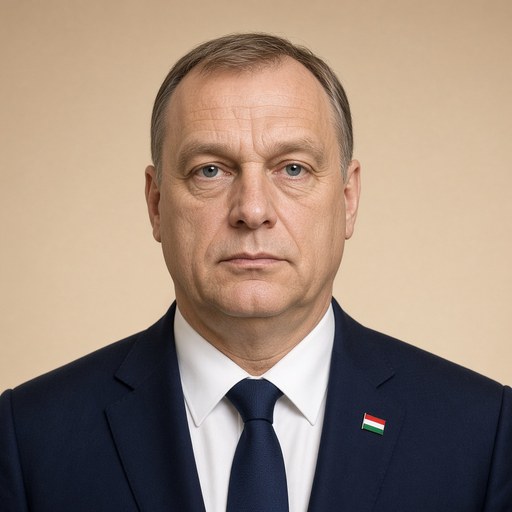
Viktor Orbán's speech following the prime ministerial oath of office.
 Viktor Orbán · Prime Minister of Hungary
- Context
- Orbán addressed the Hungarian National Assembly on May 16, 2022, after being sworn in as Prime Minister for a fifth term following Fidesz-KDNP's electoral victory.
- Main themes
- Hungarian national unity, electoral victory and mandate, age of dangers, sovereignty and independence, Hungarian historical instincts, opposition to Brussels and Soros, democratic legitimacy, prime ministerial responsibility, governance and leadership, war and geopolitical threats, Fidesz-KDNP political dominance
- Duration
- ~36 min
- Words
- 4,266
- Sentences
- 268
- Readability
- 49
- Grade
- 10.4
- Syntax
- 2.69
- Vocabulary
- 2.19
Inaugural Addresses Translated from Hungarian
The broad sphere of national life a sentence belongs to. Every sentence has an Arena, so it is the denominator the other indices are read against.
Other268 sentences in 28 paragraphs
Honorable Madam President! Honorable Mr. Speaker! Esteemed Members of Parliament!
My first word is one of gratitude. I thank my fellow representatives for their support. I thank the voters for their trust. I have been elected here by the representatives, but I do not forget that the mandate comes from the voters, from the Hungarian people. We have worked hard for the trust and mandate of the voters, and I have worked hard myself. In recent years, I have tried to serve my country to the best of my ability. In the electoral battle, we spared neither ourselves nor each other. Therefore, I stand before you now with the joy and confidence of work done honorably. For the fifth time now. I thank all my compatriots, both within and beyond our borders; whether they cast their votes in their hometowns or at distant points around the world, for participating in the common decision of the Hungarian nation, which has charted the course of our country for the next four years. Our opponents ensured that the election took place under unprecedented international and domestic scrutiny. Everyone could see that Hungary is a country where electoral abuses do not happen and cannot happen. I thank the opposition activists for helping to protect Hungary's good reputation and the public trust in Hungarian democracy with their monitoring work. High voter turnout is a sign of a healthy democracy. It is a cliché, but it is true. The Hungarian people care about their fate, they have opinions on public affairs, and they do not hide them. In the thirty-two-year history of Hungarian democracy, never has a single party received as many votes as the Fidesz-KDNP list and its candidates. And what is even more important: after twelve years of governance, we received an absolute majority of the votes. I will strive to earn this enormous trust, which is unprecedented in all of Europe. It is thought-provoking that we achieved our greatest victory at a time when we had to compete in the most difficult terrain by all human calculations. The domestic left and their international allies, politicians, financiers, and the media have united against us. Let us be clear: Brussels and George Soros also played for our downfall. They used whatever they could to pressure us. It is no wonder that this victory exhilarates us. My friends, there is nothing more invigorating than when someone shoots at you and misses. We have won four times in a row, despite the fact that financial crises, a pandemic, a wave of migrants, and now war have threatened our country. Such a series of victories is unusual in Europe, and indeed in the broader Western world, and unprecedented in terms of the ratio of victory. It is worth, indeed it is mandatory, to seek the deeper meaning of things. I am convinced that Hungarians, not just the leaders, but the broad masses of the people, possess refined historical instincts and particularly sophisticated senses of danger. This is not surprising. A thousand years is a long time. Hungarians have learned that in times of danger, division, confrontation, and internal strife can have serious consequences, leading to decline, defeat, and even the loss of the country. Internal strife and discord are luxuries of peaceful times. We do not live in such times now. In times of trouble, unity is imperative. A moral imperative. Those who pull themselves out of it bring danger to the community, the nation, and the homeland. Voters will take care of such parties and politicians. And Hungarians also know that unity and agreement do not come about on their own. Consensus must be created, not sought like some Easter egg. In politics, this requires strength, capability, and above all, good heart, goodwill, and love for the homeland. Those who possess these can earn the trust of the people. For me, this is the historical lesson of the 2022 parliamentary election.
Honorable House!
The beauty of the work of the Prime Minister lies in the fact that for every important decision, regardless of which minister it belongs to, ultimately the Prime Minister is responsible. This is a heavy burden; it can crush some, while it can inspire others. I consider it the Prime Minister's primary responsibility to somehow understand, to think ahead about what times await us, and to prepare the Hungarians for this. Understanding the future, as a task, teaches a person that you can never be smart enough on your own. Successful governance requires not only ministers but also dozens of experts, advisors, and intellectuals. Fortunately, Hungary has never been short of excellent minds, and I count on them in my work.
Honorable House!
Everything that has happened since 2020, and everything that is unfolding today, that is, what we can understand about the nature of the decade between 2020 and 2030, points in one direction, or rather, it is all in sync. Europe, the Western man, including Hungary, we, the Hungarian people, have entered an age of dangers. This decade will be an era of dangers, uncertainties, and wars. The decade began with the coronavirus pandemic and continued with war. The war and the European sanctions policy in response have triggered an energy crisis. The energy crisis and American interest rate hikes have together ushered in an era of high inflation. All of this will bring about a period of recession, economic decline, when years of decreasing, stagnating, and slight increases in economic performance will alternate in Europe. Threatening epidemics may re-emerge. The economic downturn may deepen. Migration will surge towards wealthy countries with tectonic force. On top of all this, a real war is taking place on the land of our eastern neighbor, threatening to extend globally and protract. A picture of a war decade is unfolding before our eyes. It would be nice if it were not so. But we must start from reality, not from our wishes. We, Hungarians, must prepare for this, we must chart our course in this chaos, and we must create our own policy. The image of the war decade ahead also includes the recurring waves of self-destructive tendencies in the Western world. I see the large European population replacement program, which aims to replace the missing European Christian children with adults from other civilizations, migrants, as such a self-destructive attempt. I see the gender madness, which perceives man as the creator of his identity, including his sexual identity. And I see the program of liberal Europe, which transcends the Christianity and nation-states that have held the West together until now, and replaces them with nothing. It sees freedom in a person who has been severed from his communities—his family and homeland—and forgets that a person can never be free alone, only lonely. Thus, we are simultaneously struck by economic troubles, war dangers, Europe's internal spiritual weaknesses, and Brussels' political mistakes. In this situation, we must set the course for Hungary, and once we have set it, we must steer our country along this path with a steady hand. It is a difficult task, but we can succeed. We can succeed because Hungarians are made of tough wood, and therefore we stubbornly resist decline. Reasonable order, stability, no complacency, but more humility, and above all, unwavering, inflexible loyalty. And all this while maintaining sincere kindness, sober self-interest, a cheerful, self-respecting, and brave Hungary. This would be the task for the next government. I particularly count on the communities of the historical churches, whose existence is already a great value for Hungary. We will ensure the conditions necessary for the proclamation of the Gospel, freedom, and respect for the churches. We see the growing demand for church schools, hospitals, and nursing homes. Assisting these will be an important part of our work. And I see the spiritual and physical manifestations of the renewed national unity throughout the Carpathian Basin. This is not only good for Hungarians living beyond the borders, but it also strengthens universal Hungarian identity and strengthens the motherland. Hungarians beyond the borders can count on us; we will tirelessly continue our nation-unifying work.
Honorable Madam President! Honorable House!
First and foremost, I must speak about the security of Hungary. The Ukrainian-Russian war has been ongoing for eighty-two days. This war should never have started. The old Roman wisdom still holds: one cannot see the beginning and the end of things at the same time. In other words, it is easy to start a war, but difficult to end it. Europe today has no means to manage the conflict occurring in its neighbor. Lacking strength and resources, the continent's leaders are convinced that European sanctions can bring Russia to its knees. This is theoretically possible on paper, and many paper politicians are waving some theoretical proofs. But as far as I can remember, I cannot recall a continental embargo that has been successful. But I have seen those who devised such measures fail. Let us hope and pray that this time it will be different. Hungary will not obstruct sanctions in the interest of European unity, as long as they do not cross the red line of Hungary's economic self-defense, that is, do not threaten Hungary's energy security. Hungary is a member of NATO. In 1999, we brought Hungary into the Western military alliance. Our political community, my government, and I consider it a matter of life and death that Hungary be a member of NATO. This is the anchor point from which we can build Hungary's security strategy. NATO is a defensive alliance. It must not yield to the temptation to carry out offensive military actions outside the territories of its member states. It must not transform from a defensive alliance into a military alliance for war. NATO is not the Entente, and it must not become one. The importance of our NATO membership has never been as evident as it is now, during the Russian-Ukrainian war. Things are getting worse. The Russians have declared the war to be a military action that can be fought without conscription, meaning they have made it endless, while the Americans have decided to finance Ukraine's unlimited supply of military equipment and materials with the lend-lease law known from World War II. This together is the worst possible combination. Therefore, the war in our neighbor will continue for a long time with an incomprehensible amount of weapons, and it will pose a constant security threat to Hungary. The most important task of the next decade is to stay out of this war and to protect Hungary's peace and security. It will not be easy, as there is enormous international pressure on us. In my view, anyone who supplies weapons is already half in the war. We stand for peace. Peace builds, war destroys. Therefore, we want an immediate ceasefire and peace negotiations, and I promise you that I will stand firm in our position. NATO is a reliable support, but it will not defend Hungary for us. In times of trouble, it may be with us, but it will certainly not act in our stead. The desire for peace and goodwill alone is not enough. If a country's army is weak, its soldiers are not combat-ready, and its people do not want to defend themselves, then that country will be the first to be attacked. Against a dragon, dragon grass is needed. The dragon grass is called the Hungarian Defense Forces, which must be strengthened and transformed into a truly defensive army; this is the most urgent task.
Honorable House!
In this war, Ukraine is the attacked, and Russia is the attacker. Therefore, we support Ukraine, and that is why we have launched the largest humanitarian aid operation in Hungary's history. Proportionally, we have let in the most refugees, and we are providing for those who need it. We will help Ukrainian refugees. We will set aside the fact that previously the Hungarians in Transcarpathia suffered various injustices. And we will also set aside the fact that the President of Ukraine and his government openly intervened in the Hungarian electoral campaign and supported our opponents. Despite all this, Ukrainians can count on Hungary and the Hungarian government.
Honorable House!
Due to our disputes with Brussels, I must also speak about the European Union. I clearly state that Hungary is a member of the European Union, and it is in our interest to remain so in the decade ahead. It is true that Brussels is currently striving to curtail the sovereignty of member states, including Hungary. It is also true that instead of a Europe of nations, it is trying to build a new European empire, the United States of Europe—following the earlier French and German traditions. It is also true that the cultural distance, almost cultural alienation, is growing between the western part of Europe and Hungary. This is because we believe in the Christian civilizational foundations of Europe, we believe in nation-states, which have already been abandoned in Brussels. It is important for us to have the blessing of God upon us. It is important for us to have a homeland that we can love and be proud of. It is important for us to maintain the continuity of a thousand years of Hungarian life, the quality of existence in Hungary in the Carpathian Basin. It is important for us to be able to die knowing that our children and grandchildren have a homeland, that they have something to continue and preserve. We believe that this is the greatest thing a Hungarian can give to his children. And for us, this precedes all muddled talk and politics about common European values and ever closer integration.
Honorable House!
Unfortunately, dear Members of Parliament, it is also true that Brussels abuses its power day by day, and wants to impose on us things that are bad for us and foreign to us. In the spirit of the principle of "live and let live," we have made offers of tolerance regarding migration, gender, and most recently the oil embargo. Our offers of tolerance have been rejected. But we will not give up on protecting our borders, we will not dismantle the fence, and we will not let in migrants. We will protect our families, we will not allow gender activists into our schools, for us, the father is a man, the mother is a woman, and our children should be left alone. We stand firm for the peace and security of Hungary, and we will not accept economic measures that would ruin Hungarian families. If this is the case, and it is, the only question, dear Members of Parliament, is what are we doing in the European Union? The answer is that we are looking for our dreams. We are searching for our dreams. We seek the community of free and equal nations, we seek the homeland of homelands, the democracy of democracies. We seek a Europe that fears God and defends human dignity, that storms the peaks of culture, science, and spirit. We are not members of the European Union because of what it is, but because of what it could be. And as long as we see even a tiny chance, we will fight for it, because such a Europe offers the greatest opportunities, the widest space for an independent and free Hungary. When we envision the next decade, we see Hungary in the European Union, fighting resolutely for its rights and seeking allies for the renewal of the union.
Dear Members of Parliament! Honorable House!
Thus, the challenges of the upcoming war decade are faced by a Hungary that is a member of NATO and the European Union. This is a good starting point, but it is not an answer to the challenges of the decade. The answer can only be a successful economic policy based on national foundations. Therefore, I must now speak in more detail about the economy. The decade from 2010 to 2020 was the decade of great advancement. We ranked second in the twenty-seven member European Union in terms of job creation, second in increasing investments, third in raising the minimum wage, first in reducing taxes, and third in increasing household financial savings. Not bad. Moreover, in terms of development, we managed to surpass Greece and Portugal, even though they joined the European Union much earlier, when we were still an occupied country, and the communists were still in power. The previous decade was not easy either; remember, it started with a major Western financial collapse, then came the migration crisis, followed by the coronavirus pandemic, with all its consequences.
Dear Members of Parliament!
We have seen many things, but we have not seen the world economy turn upside down twice in a short time. First, a global economic crisis arose due to the pandemic; from 2020, 114 million jobs were lost, global investments fell by 42 percent, and world trade decreased by 5 percent. Factories closed en masse, and production capacities were reduced. With the easing of the pandemic, factories did not automatically reopen, but a fierce competition began among countries over where new production centers, plants, and factories should be established. Let us appreciate that Hungary has fought well in this competition over the past two years and has emerged among the winners: we achieved the best investment performance of all time last year. Investments worth 1,886 billion forints were initiated in Hungary, and we also broke the record for the largest greenfield investment ever made in our country. These investments now provide the opportunity and hope that we can manage the upcoming European economic crisis well, and that the Hungarian economy can continue to grow instead of declining. In early 2022, the world economy received another shock: the Russian-Ukrainian war began. The east-west transport routes need to be redrawn, supplier sources must be replaced, and many countries around the world are threatened by food shortages and famine. In this situation, several of our previous strategic decisions are being reassessed. The Belgrade-Budapest railway line, as a continuation of the maritime transport route to Greece, is likely to replace the destroyed routes in Ukraine. The southern gas pipeline developed in cooperation with the Balkan countries can replace the pipelines coming from Ukraine. In the era of the current energy supply crises, those countries will be safe that can produce their own energy needs. Therefore, the construction of the new blocks at Paks and investments in solar energy will be crucial from a national security perspective.
Honorable House!
We sell three-quarters of our products in Europe, but the largest and most modern investments are now coming from the Far East. We stand on two legs, and this makes our economy crisis-resistant. We have been foresighted and prepared for the revolutionary renewal of the automotive industry; we have done much to ensure that our country becomes a European leader in the new generation of the automotive industry. The world's largest battery manufacturing capacities are being built in Hungary, and we will soon be third in the export world ranking. The warring parties are among the world's most significant grain-exporting countries. As a result of Hungarian agricultural and food industry developments, we can now produce twice as much food as we need, so Hungary is not threatened by food shortages. But for safety's sake, we maintain the state's right of first refusal in grain exports. In the upcoming decade, low taxes, physical security, developed road and rail routes, and political stability will be the main arguments in the competition for investments. We are doing well in these areas, so we will continue to build our economic strategy on a high level of investment.
In summary, I can say that the commitment of the government to be formed now is to preserve our most important achievements even during the unfolding European economic crisis, and we will not give up our important goals. Even in such difficult circumstances, we commit to moving Hungary forward, not backward. I commit to protecting full employment. I commit to protecting our family support systems. I commit to protecting the value of pensions. And I commit to protecting the utility price reductions as well. In other words, everyone will have a job, pensions will have value, families will have security, and children will have a future. We plan to tame the rampant inflation across Europe first in Hungary, and then to curb it. You may know that I generally shy away from direct state intervention in the economy, but in this case, the central bank and the government must intervene. We will coordinate our steps, and we will take cautious but decisive price-regulating measures. The results will be visible as early as September, and by the end of the year, we will establish sustainable and bearable conditions until Brussels finds its way back to the path of sound economic policy.
Dear Members of Parliament!
Accordingly, I have also restructured the government system. I thank the members of the previous government for their work. They performed excellently, we can be proud, and I am proud of their performance. However, a completely different kind of decade awaits us now. Therefore, the government machinery had to be broken down into its components and reassembled according to the logic of the new tasks. Thank you for providing the necessary support.
Honorable House! Ladies and Gentlemen! Esteemed Mr. President!
Hungarians have been accustomed for centuries to die beautifully for their homeland. That is why we admire them. But now we want to change the course of things: we want to prove that it is also possible to live for the homeland. To live more, better, and more beautifully – as our president suggested in her inaugural speech. This requires a country that is proud of its values. Proud of the world's most difficult language, its unique and incomparable folk art, its world-class high culture, its cutting-edge science, and its world-beating sports achievements. The soon-to-be-formed government will work for such a Hungary. In the coming years, Hungary will protect families and will be proud of its children. We believe in the honor of work, and we know that the character of our nation is compatible with the independent individual and the cohesive community. I have experienced that we can be both individualists and collectivists at the same time because we know that everything has its place and time. There is a time for unlimited freedom, for soaring, and there is a time for hierarchical discipline and service as well. This is the life instinct, the ability to elevate survival and persistence to an artistic level, which allows us to have not only a past and present but also a future in the Carpathian Basin. This geographical unity given by nature and God is destined to be the best place in the world. And it is our task to transform it into that, in cooperation with the peoples and countries living here. This is a common interest of the Slovaks, Ukrainians, Romanians, Serbs, Croats, Slovenes, and Hungarians. Therefore, in the future, we will not fall for provocations or attempts at division, and I assure our neighbors that they can count on us; the Hungarians are their friends. We firmly believe in the common future of the peoples of the Carpathian Basin. We are capable of this, and we will achieve it. Or if we do not, the young people of today will surely do so. The current young generation is our greatest value and resource. We do not always see this because perhaps not the sharpest minds speak on behalf of the generation. But if we look around the country, we see young people everywhere who love their homeland, understand the world, speak languages, and use the most modern technologies with playful ease. Therefore, a bright future lies ahead for Hungary. As the constitution says: they will make Hungary great again.
Honorable House!
Finally, I would like to talk about the importance of a nation knowing its place in the world. We must neither overestimate nor underestimate ourselves. Today, Hungary is attracting unusual attention from Western public opinion not because of its population, army, or economic power. The reason for the attention is that alongside Poland, Hungary has become the last Christian, conservative bastion of the Western world. We think differently about the world and the future than the liberal, globalist mainstream, and we build our country differently than they do theirs. We could even coexist side by side. After all, we believe in the beneficial effects of competition. But Brussels today strives for exclusivity. Indeed, the symbol of the striving for exclusivity and uniformity today is Brussels. Politics, governance, and even Europe can only be imagined and practiced in one way – they say. Anyone who does not step in time will be investigated by evening. Hungary rebels against this. This is the way! Ugocsa non coronat! But, dear Ladies and Gentlemen, dear Members of Parliament, let us also see that in the meantime we have gained many friends. More and more people feel that Hungary is an island of peace, a fortress of reason and security, one of the last strongholds of freedom. We do not hide that we want to give hope to others as well. Hope that the Christian worldview, love of homeland, national pride, in other words, national politics is not the past, but the future. Thirty years ago, we thought Europe was our future; today we think we are Europe's future. We feel the weight of our responsibility.
God bless Hungary! God above all, Hungary first! Go Hungary, go Hungarians!
The original Hungarian. The tags above are read on the English translation's sentences.
Tisztelt Köztársasági Elnök Asszony! Tisztelt Házelnök Úr! Képviselőtársaim!
Első szavam a köszöneté. Köszönöm képviselőtársaimnak a támogatást. Köszönöm a választópolgárok bizalmát. Engem most itt a képviselők választottak meg, de nem felejtem el, hogy a felhatalmazás a választóktól, a magyar emberektől jön. A választók bizalmáért és felhatalmazásáért megdolgoztunk, és magam is megdolgoztam. Az elmúlt években igyekeztem legjobb tudásom szerint szolgálni a hazámat. A választási harcban se magamat, se magunkat nem kíméltük. Ezért most a becsülettel elvégzett munka derűjével és önbizalmával állok Önök előtt. Immár ötödször. Köszönöm minden honfitársamnak a határon innen és túl; akár szülőhelyén, akár a világ távoli pontján adta le szavazatát, hogy részt vett a magyar nemzet közös döntésében, amely négy évre kijelölte hazánk útját. Ellenfeleink gondoskodtak róla, hogy a választás soha nem látott nemzetközi és hazai ellenőrzés mellett történjék. Mindenki láthatta, hogy Magyarország olyan ország, ahol nem történnek, nem történhetnek választási visszaélések. Köszönöm az ellenzéki aktivistáknak, hogy ellenőrző munkájukkal segítettek megvédeni Magyarország jó hírét és a magyar demokrácia iránt táplált közbizalmat. A magas választási részvétel az egészséges demokrácia jele. Közhely, de igaz. A magyar embereket érdekli a sorsuk, van véleményük a közügyekről, és azt nem is rejtik véka alá. A magyar demokrácia harminckét éves történetében soha egyetlen pártra nem szavaztak annyian, mint a Fidesz–KDNP listájára és jelöltjeire. És ami még fontosabb: tizenkét év kormányzás után megkaptuk a szavazatok abszolút többségét. Azon leszek, hogy megszolgáljam ezt az egész Európában példa nélküli, óriási bizalmat. Elgondolkodtató, hogy éppen akkor arattuk a legnagyobb arányú győzelmünket, amikor minden emberi számítás szerint a legnehezebb terepen kellett megmérkőznünk. Összeállt ellenünk a hazai baloldal és nemzetközi szövetségeseik, politikusok, pénzemberek és a média is. Mondjuk ki világosan: Brüsszel és Soros György is a mi bukásunkra játszott. Azzal revolvereztek minket, amivel csak tudtak. Nem csoda, hogy ez a győzelem felvillanyoz bennünket. Barátaim, nincs semmi pezsdítőbb annál, mint amikor rálőnek az emberre, és nem találják el. Zsinórban négyszer győztünk, annak ellenére, hogy pénzügyi válságok, világjárvány, migránsáradat és már háború is fenyegette, fenyegeti hazánkat. Ilyen győzelmi sorozat Európában, sőt a tágabb nyugati világban is szokatlan, a győzelem arányát tekintve pedig példátlan. Érdemes, sőt kötelező a dolgok mélyebb értelmét is keresnünk. Meggyőződésem szerint a magyarok, nemcsak a vezetők, de a legszélesebb néptömegek is kifinomult történelmi ösztönökkel és különösen kifinomult veszélyérzékkel rendelkeznek. Ez nem is csoda. Ezer év nagy idő. A magyarok megtanulták, hogy veszély idején a széthúzás, a szembenállás, a belharc súlyos következményekkel, hanyatlással, bukással, sőt országvesztéssel járhat. A belharc és a viszály a boldog békeidők luxusa. Most nem ilyen időket élünk. Baj idején az összefogás parancs. Korparancs. Aki kihúzza magát alóla, az veszélyt hoz a közösségre, a nemzetre és a hazára. Az ilyen pártoknak és politikusoknak ezért a választók alaposan ellátják a baját. És a magyarok azt is tudják, hogy az összefogás, az egyetértés nem jön létre magától. A konszenzust nem megkeresni kell, mint valami húsvéti tojást, hanem meg kell teremteni. A politikában ehhez erő, képesség és leginkább jó szív, jóindulat és hazaszeretet kell. Akinek ez megvan, megkaphatja az emberek bizalmát. Számomra ez a 2022-es parlamenti választás történelmi leckéje.
Tisztelt Ház!
A miniszterelnöki munka szépsége abban áll, hogy minden fontosabb döntésért, tartozzon az bármelyik miniszterhez is, végső soron a miniszterelnök a felelős. Ez nagy teher; van, akit bele is nyom a földbe, és van, akit föllelkesít. Én azt tartom a miniszterelnök elsőrendű felelősségének, hogy valamely módon megértse, előre elgondolja, hogy milyen idők várnak ránk, és felkészítse erre a magyarokat. A jövő megértése, mint feladat, megtanítja az emberrel, hogy egyedül sohasem lehetsz elég okos. A sikeres kormányzáshoz a minisztereken túl szakértők, tanácsadók és szellemi emberek tucatjaira van szükség. Szerencsére Magyarország sohasem volt híján kiváló koponyáknak, én is számítok rájuk a munkám során.
Tisztelt Ház!
Minden, ami 2020 óta történt, és minden, ami napjainkban kibontakozóban van, vagyis az, amiből megérthetjük a 2020 és 2030 közötti évtized természetét, egy irányba mutat, illetve egy rugóra jár. Európa, a nyugati ember, benne és vele Magyarország, mi, magyar emberek a veszélyek korába léptünk. Ez az évtized a veszélyek, a bizonytalanság és a háborúk korszaka lesz. Az évtized a koronavírus-járvánnyal kezdődött, és háborúval folytatódott. A háború és a válaszként adott európai szankciós politika energiaválságot idézett elő. Az energiaválság és az amerikai kamatemelések együtt elhozták a magas infláció korszakát. Mindez együtt el fogja hozni a recesszió, a gazdasági visszaesés időszakát, amikor a gazdasági teljesítmény csökkenése, stagnálása és csekély emelkedésének évei váltogatják majd egymást Európában. Kiújulhatnak fenyegető járványok. A gazdasági visszaesés mélyülhet. A gazdag országok felé tektonikus erővel felerősödik a migráció. Mindennek tetejébe egy elhúzódó és világméretű kiterjedéssel fenyegető, valóságos háború zajlik a keleti szomszédunk földjén. Egy háborús évtized képe bontakozik ki a szemünk előtt. Jó lenne, ha nem így lenne. De nekünk nem a vágyainkból, hanem a valóságból kell kiindulnunk. Nekünk, magyaroknak erre kell felkészülnünk, ebben a zűrzavarban kell kijelölnünk az irányt, és megalkotnunk a saját politikánkat. Az előttünk álló háborús évtized képéhez hozzá tartoznak a nyugati világ meg-megújuló öngyilkossági hullámai is. Ilyen öngyilkossági kísérletnek látom a nagy európai lakosságcsere programját, amely a hiányzó európai keresztény gyerekeket más civilizációkból érkező felnőttekkel, migránsokkal akarja pótolni. Ilyennek látom a genderőrületet, amely úgy fogja fel az embert, mint identitásának, ideértve szexuális identitásának megteremtőjét. És ilyennek látom a liberális Európa programját, amely túllép a Nyugatot eddig megtartó kereszténységen és nemzetállamokon, és semmit sem ültet a helyükre. Amely a szabadságot a közösségeiből – családjából és hazájából – kimetszett emberben látja, és elfelejtkezik arról, hogy az ember egyedül sohasem lehet szabad, csak magányos. Egyszerre sújtanak tehát bennünket gazdasági bajok, háborús veszélyek, Európa belső szellemi gyengesége és Brüsszel politikai tévedései. Ebben a helyzetben kell kitűznünk az útvonalat Magyarország számára, s ha kitűztük, erre kell ráállítani, majd biztos kézzel ezen az úton is tartani hazánkat. Nehéz feladat, de nekünk sikerülhet. Sikerülhet, mert a magyarokat kemény fából faragták, ezért makacsul ellenállunk a hanyatlásnak. Ésszerű rend, stabilitás, semmi önelégültség, de annál több alázat, és mindenekelőtt megalkuvást nem ismerő, hajlíthatatlan hűség. S mindeközben őszinte kedvesség, józan önérdek, egy derűs, önérzetes és bátor Magyarország. Ez volna hát a föladat a következő kormány számára. Különösen is számítok a történelmi egyházak híveinek közösségeire, akiknek létezése már önmagában is nagy érték Magyarország számára. Biztosítani fogjuk az Evangélium hirdetéséhez szükséges feltételeket, a szabadságot és az egyházak tiszteletét. Látjuk az egyházi iskolák, kórházak, idősotthonok iránti növekvő igényt. Ezek segítése munkánk fontos része lesz. És látom az újraéledő nemzeti összetartozás lelki és fizikai lenyomatait szerte a Kárpát-medencében. Ez nemcsak a határon túl élő magyaroknak jó, de erősíti az egyetemes magyarságot, és erősíti az anyaországot is. A határon túli magyarok számíthatnak ránk, lankadatlanul folytatjuk nemzetegyesítő munkánkat.
Tisztelt Elnök Asszony! Tisztelt Ház!
Első helyen most Magyarország biztonságáról kell beszélnem. Nyolcvankettedik napja tart az ukrán–orosz háború. Ennek a háborúnak nem lett volna szabad elkezdődnie. Még érvényes a régi rómaiak tudása: nem lehet egyszerre látni a dolgok kezdetét és végét. Vagyis a háborút könnyű elkezdeni, de nehéz befejezni. Európának ma semmilyen eszköze sincs a szomszédjában zajló konfliktus kezelésére. Erő és eszközök híján a kontinens vezetői meg vannak győződve, hogy az európai szankciók segítségével térdre lehet kényszeríteni Oroszországot. Ez papíron lehetséges, és számos papírpolitikus lebegtet is valamiféle elméleti bizonyítékokat. De én akárhogy is próbálok visszaemlékezni, nem jut eszembe olyan kontinentális zárlat, amely eredményes lett volna. De olyat már láttam, hogy az bukott bele, aki kitalálta. Reménykedjünk és imádkozzunk, hogy most másképpen legyen. Magyarország az európai egység érdekében nem akadályozza meg a szankciókat, amíg azok nem lépik át a magyar gazdaság önvédelmének vörös vonalát, vagyis nem veszélyeztetik Magyarország energiabiztonságát. Magyarország a NATO tagja. 1999-ben mi vittük be Magyarországot a nyugati katonai szövetségi rendszerbe. A mi politikai közösségünk, kormányom és jómagam is létkérdésnek tartjuk, hogy Magyarország a NATO tagja legyen. Ez az a biztos pont, ahonnan felépíthetjük Magyarország biztonsági stratégiáját. A NATO védelmi szövetség. Nem szabad engedni a kísértésnek, hogy tagállamainak területén kívül hajtson végre támadó katonai akciókat. Védelmi szövetségből nem szabad háborús katonai szövetséggé alakulnia. A NATO nem az antant, és nem is válhat azzá. NATO-tagságunk fontossága sohasem volt olyan nyilvánvaló, mint most, az orosz–ukrán háború idején. A dolgok egyre rosszabbra fordulnak. Az oroszok a háborút sorozás nélkül is megvívható katonai akciónak nyilvánították, vagyis végtelenítették, az amerikaiak pedig a II. világháborúból ismert kölcsönbérleti törvénnyel Ukrajna korlátlan hadianyag- és hadieszköz-finanszírozása mellett döntöttek. Ez így együtt a lehető legrosszabb kombináció. Ezért a háború a szomszédunkban még hosszú ideig és józan ésszel nehezen felfogható mennyiségű fegyverrel folytatódni fog, és állandó biztonsági fenyegetést jelent majd Magyarországra. A következő évtized legfontosabb feladata, hogy ebből a háborúból kimaradjunk, és megvédjük Magyarország békéjét és biztonságát. Nem lesz könnyű, mert óriási nemzetközi nyomás nehezedik ránk. Felfogásom szerint aki fegyvert szállít, fél lábbal már benne is van a háborúban. Mi a béke mellett állunk. A béke épít, a háború rombol. Ezért azonnali tűzszünetet és béketárgyalásokat akarunk, és azt ígérem Önöknek, hogy ki fogok tartani az álláspontunk mellett. A NATO biztos támasz, de nem fogja helyettünk megvédeni Magyarországot. Baj esetén velünk talán igen, de helyettünk biztosan nem. A békevágy és a jó szándék önmagában kevés. Ha egy ország hadserege gyenge, katonái nem harcképesek, népe pedig nem akarja megvédeni magát, akkor azt az országot fogják először megtámadni. Sárkány ellen sárkányfűre van szükség. A sárkányfüvet Magyar Honvédségnek hívják, amelyet megerősíteni, valódi véderőt kifejteni képes hadsereggé alakítani a legsürgetőbb feladat.
Tisztelt Ház!
Ebben a háborúban Ukrajna a megtámadott, és Oroszország a támadó. Ezért támogatjuk Ukrajnát, és ezért indítottuk el Magyarország történelmének legnagyobb humanitárius segélyakcióját. Létszámarányosan a legtöbb menekülőt mi engedtük be, és akit kell, el is látunk. Segíteni fogjuk az ukrán menekülteket. Most félretesszük azt a tényt, hogy korábban a kárpátaljai magyarok milyen jogsérelmeket szenvedtek el. És félretesszük azt a tényt is, hogy Ukrajna elnöke és kormánya nyíltan beavatkozott a magyar választási kampányba, és az ellenfeleinket támogatta. Mindezek ellenére az ukránok számíthatnak Magyarországra és a magyar kormányra.
Tisztelt Ház!
A Brüsszellel fennálló vitáink miatt külön is szólnom kell az Európai Unióról. Világosan leszögezem, hogy Magyarország az Európai Unió tagja, és érdekünk, hogy az előttünk álló évtizedben az is maradjon. Igaz, hogy Brüsszel ma a tagállamok, így Magyarország szuverenitásának visszaszorítására törekszik. Az is igaz, hogy a nemzetek Európája helyett egy új európai birodalmat, az Európai Egyesült Államokat igyekszik fölépíteni – követve a korábbi francia és német hagyományokat. Az is igaz, hogy a kulturális távolság, már-már kulturális elidegenedés egyre nő Európa nyugati fele és Magyarország között. Ez azért van így, mert mi hiszünk Európa keresztény civilizációs alapjaiban, hiszünk a nemzetállamokban, amit Brüsszelben már feladtak. Nekünk fontos, hogy rajtunk legyen a Jóisten áldása. Nekünk fontos, hogy legyen hazánk, amit szerethetünk, és amire büszkék lehetünk. Nekünk fontos, hogy fenntartsuk az ezeréves magyar élet folyamatosságát, a létezés magyar minőségét a Kárpát-medencében. Nekünk fontos, hogy úgy halhassunk meg, hogy tudjuk, gyerekeinknek és unokáinknak van hazája, van mit folytatniuk és megőrizniük. Mi úgy tudjuk, hogy ez a legnagyobb dolog, amit egy magyar ember a gyerekeinek adhat. És ez számunkra megelőz minden közös európai értékről és egyre szorosabb integrációról szóló zavaros beszédet és politikát.
Tisztelt Ház!
Sajnos, tisztelt Képviselőtársaim, az is igaz, hogy Brüsszel nap mint nap visszaél a hatalmával, és csupa olyasmit akar ránk kényszeríteni, ami nekünk rossz, és tőlünk idegen. Az „élni és élni hagyni” elv jegyében mi toleranciaajánlatot tettünk a migráció, a gender és most legutóbb az olajembargó ügyében is. Toleranciaajánlatainkat visszautasították. De mi továbbra sem adjuk föl a határok védelmét, nem bontjuk le a kerítést, és nem engedünk be migránsokat. Megvédjük a családjainkat, a genderaktivistákat nem engedjük be az iskoláinkba, nálunk az apa férfi, az anya nő, a gyerekeinket pedig hagyják békén. Kitartunk Magyarország békéje és biztonsága mellett, és nem fogadunk el olyan gazdasági intézkedéseket, amelyek tönkretennék a magyar családokat. Ha ez így van, márpedig így van, már csak az a kérdés, tisztelt Képviselőtársaim, hogy mit keresünk az Európai Unióban? A válasz az, hogy az álmainkat. Az álmainkat keressük. A szabad és egyenlő nemzetek közösségét, keressük a hazák hazáját, a demokráciák demokráciáját. Keressük az Istent félő és az emberek méltóságát védelmező, a kultúra, a tudomány, a szellem csúcsait ostromló Európát. Nem azért vagyunk tagjai az Európai Uniónak, mert olyan, amilyen, hanem azért, amilyen lehetne. És amíg úgy látjuk, hogy van akár egy fikarcnyi esély is, addig küzdeni fogunk érte, mert egy ilyen Európa adja a legtöbb esélyt, a legtágasabb teret egy független és szabad Magyarország számára. Amikor a következő évtizedet elgondoljuk, akkor Magyarországot az Európai Unióban látjuk, amint elszántan harcol a jogaiért, és szövetségeseket keres az unió megújításához.
Tisztelt Képviselőtársaim! Tisztelt Ház!
Az előttünk álló háborús évtized kihívásaival tehát egy olyan Magyarország néz szembe, amely a NATO és az Európai Unió tagja. Ez jó kiindulópont, de nem válasz az évtized kihívásaira. A válasz csak egy nemzeti alapokon álló és sikeres gazdaságpolitika lehet. Ezért most a gazdaságról részletesebben is beszélnem kell. A 2010 és 2020 közötti tíz év a nagy előretörés évtizede volt. A munkahelyek számának növelésében a második helyen végeztünk a huszonhét tagú Európai Unióban, a beruházások növelésében a második helyen, a minimálbér növelésében a harmadik helyen, az adók csökkentésében az első helyen, a háztartások pénzügyi megtakarításainak növelésében pedig a harmadik helyen. Nem rossz. Ráadásul fejlettség tekintetében Görögországot és Portugáliát is sikerült megelőznünk, pedig ők jóval korábban csatlakoztak az Európai Unióhoz, amikor mi még megszállt ország voltunk, és még javában a kommunistáknak állt a zászló. Pedig az előző évtized sem volt könnyű, emlékezzenek, kezdődött egy nagy nyugati pénzügyi összeomlással, aztán jött a migrációs válság, majd a koronavírus-járvány, annak minden következményével.
Tisztelt Képviselőtársaim!
Sok mindent láttunk már, de olyat még nem, hogy a világgazdaság rövid idő alatt kétszer is fenekestül felfordult. Először a világjárvány következtében alakult ki egy globális gazdasági válság; 2020-tól 114 millió munkahely elveszett, 42 százalékkal estek vissza globálisan a beruházások, a világkereskedelem 5 százalékkal csökkent. Tömegesen zártak be a gyárak, és leépültek a termelési kapacitások. A járvány enyhülésével pedig a gyárak nem nyíltak újra automatikusan, hanem megindult egy éles verseny az országok között, hol jöjjenek létre az új termelési központok, üzemek és gyárak. Becsüljük meg, hogy Magyarország ebben a versenyben az elmúlt két évben jól küzdött, és a győztesek közé került: minden idők legjobb beruházási teljesítményét nyújtottuk tavaly. Magyarországon 1.886 milliárd forintnyi beruházás indult meg, és megdöntöttük a hazánkban létrejött legnagyobb zöldmezős beruházás rekordját is. Ezek a beruházások adnak most esélyt és reményt arra, hogy az előttünk álló európai gazdasági válságot is jól kezeljük, és a magyar gazdaság visszaesés helyett tovább növekedhet. 2022 elején újabb sokkot kapott a világgazdaság: jött az orosz–ukrán háború. A kelet–nyugat szállítási útvonalakat át kell rajzolni, a beszállítói forrásokat pótolni kell, a világ számos országát élelmiszerhiány és éhínség fenyegeti. Ebben a helyzetben több korábbi stratégiai döntésünk is felértékelődik. A Belgrád–Budapest vasútvonal – a Görögországba érkező tengeri szállítási útvonal folytatásaként – jó eséllyel kiváltja a lerombolt ukrajnai útvonalakat. A balkáni országokkal közösen kiépített déli gázvezeték képes kiváltani az Ukrajnából érkező vezetékeket. A most bekövetkező energiaellátási válságok korszakában azok az országok lesznek biztonságban, amelyek képesek maguk előállítani saját energiaszükségletüket. Az új paksi blokkok építése és a napenergia-beruházások ezért nemzetbiztonsági szempontból is kulcsfontosságúak lesznek.
Tisztelt Ház!
Termékeink háromnegyedét Európában adjuk el, de a legnagyobb és legmodernebb beruházások immáron a Távol-Keletről érkeznek. Két lábon állunk, és ez válságállóvá teszi a gazdaságunkat. Előrelátóak voltunk, és felkészültünk az autóipar forradalmi megújulására, sokat tettünk azért, hogy hazánk az újgenerációs autóipar európai éllovasa legyen. A világ legnagyobb akkumulátorgyártási kapacitásai Magyarországon épülnek, az export-világranglistán hamarosan a harmadikok leszünk. A háborúzó felek a világ legjelentősebb gabonaexportőr országai közé tartoznak. A magyar mezőgazdasági és élelmiszeripari fejlesztések nyomán ma mi kétszer annyi élelmiszert tudunk előállítani, mint amennyire szükségünk van, ezért Magyarországot nem fenyegeti élelmiszerhiány. De a biztonság kedvéért a gabonakivitel esetén fenntartjuk az állami elővásárlási jogot. Az előttünk álló évtizedben az alacsony adók, a fizikai biztonság, a fejlett közúti és vasúti útvonalak, valamint a politikai stabilitás lesznek a fő érvek a beruházásokért folytatott versenyben. Ezekben mi jól állunk, ezért továbbra is a beruházások magas szintjére építjük gazdasági stratégiánkat.
Összefoglalóan azt mondhatom, hogy a most megalakítandó kormány vállalása az, hogy a kibontakozó európai gazdasági válság idején is megőrizzük legfontosabb eredményeinket, és nem adjuk fel a fontos céljainkat. Ilyen nehéz körülmények közepette is vállaljuk és vállalom, hogy Magyarország előre fog menni, és nem hátra. Vállalom, hogy megvédjük a teljes foglalkoztatottságot. Vállalom, hogy megvédjük a családtámogatásainkat. Vállalom, hogy megvédjük a nyugdíjak értékét. És vállalom, hogy megvédjük a rezsicsökkentést is. Vagyis mindenkinek lesz munkája, a nyugdíjnak lesz értéke, a családoknak lesz biztonsága, és a gyerekeknek lesz jövője. Az egész Európában vágtató inflációt terveink szerint Magyarországon először megszelídítjük, aztán megfékezzük. Önök tudhatják, hogy általában ódzkodom a direkt állami beavatkozástól a gazdaságba, de ilyen esetben a jegybanknak és a kormánynak be kell avatkoznia. Lépéseinket össze fogjuk hangolni, óvatos, de határozott árszabályozó intézkedéseket teszünk majd. Az eredmények már szeptemberben látszani fognak, év végére pedig tartósan elviselhető állapotokat alakítunk ki addig is, amíg Brüsszel vissza nem talál a józan gazdaságpolitika ösvényére.
Tisztelt Képviselőtársaim!
Ennek megfelelően alakítottam át a kormányzati rendszert is. Az előző kormány tagjainak köszönöm a munkájukat. Kiválóan teljesítettek, büszkék lehetünk, és én büszke is vagyok a teljesítményükre. Most azonban egy egészen másfajta évtized vár ránk. Ezért a kormánygépezetet alkatrészeire kellett bontani, és az új feladatok logikája szerint kellett újra összeszerelni. Köszönöm Önöknek, hogy megadták a szükséges támogatást.
Tisztelt Ház! Hölgyeim és Uraim! Mélyen tisztelt Elnök Úr!
A magyarok évszázadokon keresztül hozzászoktak, hogy szépen haljanak meg a hazájukért. Mi ezért csodáljuk őket. De most fordítani akarunk a dolgok menetén: azt akarjuk bebizonyítani, hogy a hazáért élni is lehet. Többen, jobban és szebben élni – ahogy elnök asszonyunk javasolta beiktatási beszédében. Ehhez olyan ország kell, amely büszke az értékeire. Büszke a világ legnehezebb nyelvére, megismételhetetlen és semmivel sem összetéveszthető népművészetére, világszínvonalú magaskultúrájára, élvonalbeli tudományára és világverő sportteljesítményeire. A hamarosan megalakuló kormány egy ilyen Magyarországért dolgozik majd. Magyarország a következő években védeni fogja a családokat, és büszke lesz a gyermekeire. Hiszünk a munka becsületében, és tudjuk, hogy nemzetünk jellemével összefér a független egyén és az összetartó közösség. Én azt tapasztaltam, hogy mi tudunk egyszerre individualisták és kollektivisták is lenni, mert tudjuk, hogy mindennek megvan a helye és az ideje. Ideje van a korlátlan szabadságnak, a szárnyalásnak, és ideje van a hierarchikus fegyelemnek, a szolgálatnak is. Ez az az életösztön, a túlélés és a megmaradás művészi szintre emelt képessége, amely lehetővé teszi, hogy nemcsak múltunk és jelenünk, hanem jövőnk is legyen a Kárpát-medencében. Ez a természet és a Jóisten adta földrajzi egység arra van rendelve, hogy a világ legjobb helye legyen. Nekünk pedig az a dolgunk, hogy az itt élő népekkel és országokkal együttműködve azzá is változtassuk. Ez közös érdeke a szlovákoknak, ukránoknak, románoknak, szerbeknek, horvátoknak, szlovénoknak és magyaroknak. Ezért a jövőben sem ülünk fel se provokációknak, se megosztási kísérleteknek, és biztosítom a szomszédainkat, hogy számíthatnak ránk, a magyarok a barátaik. Rendületlenül hiszünk a Kárpát-medencei népek közös jövőjében. Képesek vagyunk erre, és el fogjuk érni. Vagy ha mi nem is, a mai fiatalok majd biztosan. A mai fiatal nemzedék a mi legnagyobb értékünk és erőforrásunk. Nem mindig látjuk ezt, mert talán nem a legélesebb elmék beszélnek a nemzedék nevében. De ha szétnézünk az országban, mindenütt a hazájukat szerető, a világot értő, nyelveket beszélő, a legmodernebb technikákat játszi könnyedséggel használó fiatalokat látok. Magyarország előtt ezért áll fényes jövő. Ahogy az alkotmány mondja: ők fogják ismét naggyá tenni Magyarországot.
Tisztelt Ház!
Végezetül arról szeretnék beszélni, hogy fontos dolog, hogy egy nemzet tudja a helyét a világban. Sem túl-, sem alábecsülni nem szabad önmagunkat. Magyarországra ma nem a népessége, hadserege vagy gazdasági ereje miatt irányul szokatlan mértékben a nyugati közvélemény figyelme. A figyelem oka, hogy Lengyelország mellett Magyarország vált a nyugati világ utolsó keresztény, konzervatív bástyájává. Mást gondolunk a világról és a jövőről, mint a liberális, globalista fősodor, és másként építjük az országunkat, mint ahogy ők teszik a sajátjukkal. Akár meg is férhetnénk egymás mellett. Elvégre hiszünk a verseny jótékony hatásában. De Brüsszel ma kizárólagosságra törekszik. Illetve a kizárólagosságra és egyszínűségre törekvés szimbóluma ma Brüsszel. A politikát, az országvezetést, sőt Európát is csak egy módon lehet elképzelni és művelni – mondják ők. Aki nem lép egyszerre, vizsgálatot kap estére. Magyarország ez ellen lázad. Eb ura, fakó! Ugocsa non coronat! De, tisztelt Hölgyeim és Uraim, tisztelt Képviselőtársaim, lássuk azt is, hogy közben rengeteg barátot szereztünk. Egyre többen érzik úgy, hogy Magyarország a béke szigete, a józan rend és biztonság erődítménye, a szabadság egyik utolsó őrhelye. Nem rejtjük véka alá, hogy reményt akarunk adni másoknak is. Reményt, hogy a keresztény életfelfogás, a hazaszeretet, a nemzeti büszkeség, vagyis a nemzeti politika nem a múlt, hanem a jövő. Harminc éve azt gondoltuk, Európa a jövőnk, ma azt gondoljuk, mi vagyunk Európa jövője. Érezzük a felelősségünk súlyát.
Isten óvja Magyarországot! A Jóisten mindannyiunk fölött, Magyarország mindenek előtt! Hajrá, Magyarország, hajrá, magyarok!
kapcsolódó tartalmak
Magyarország még mindig magyar ország
Orbán Viktor ünnepi beszéde a Himnusz születésének 200. évfordulóján tartott megemlékezésen
Orbán Viktor miniszterelnök Szatmárcsekén