




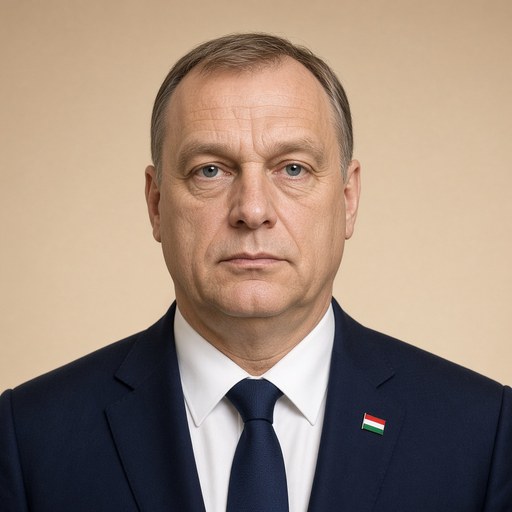
Viktor Orbán's speech at the inauguration of the second phase of the ZalaZONE Automotive Test Track.
 Viktor Orbán · Prime Minister of Hungary
- Context
- Orbán spoke at the inauguration of the second phase of the ZalaZONE Automotive Test Track near Zalaegerszeg, Hungary, on 26 March 2022.
- Main themes
- Automotive industry development, Hungarian economic recovery, technological competitiveness, ZalaZONE test track inauguration, employment and minimum wage growth, Hungarian engineering talent, long-term strategic planning, global economic integration, national pride and ambition
- Duration
- ~22 min
- Words
- 2,581
- Sentences
- 94
- Readability
- 54
- Grade
- 12.4
- Syntax
- 3.22
- Vocabulary
- 1.88
Translated from Hungarian
The broad sphere of national life a sentence belongs to. Every sentence has an Arena, so it is the denominator the other indices are read against.
Other94 sentences in 17 paragraphs
I greet you with respect. Good afternoon!
How can one know that this is a serious event? A possible answer: the Prime Minister is here. Not a bad sign, but not a final guarantee. The real guarantee is that Mr. Todt is also here with us, for which we are very grateful, because if he goes somewhere, it can be known that a world-class event is taking place there. We are grateful that you came, Mr. President! Long live! We wish you much success!
We are indeed together at a serious event. If you allow me, I would like to recall that in 2010, our biggest concern was not whether a special, world-class test track would be built next to Zalaegerszeg. In 2010, our concern was that there were several hundred thousand people who were unemployed. In 2010, the situation was such that there were more than 300,000 people to whom we had to pay income replacement support, and the question was whether we would ever be able to bring them back into the world of work. So if someone had asked me in 2010 whether there would be a celebration for the Hungarians like today, to hand over such a track, I would have said that it would take great faith. It is fortunate that some had great faith in this, and we fought our way out of the deep pit we were in back in 2010. And from the 300,000 public workers, there are now about 80,000 left; those who left public work to work in the market have decent jobs, and today the minimum wage is as high as the average wage was in 2010. There may be some who earn more than we do, live better, but very few European nations have traveled such a difficult and long road in the past twelve years. Let us appreciate that!
And this is important because if this homeland, the working Hungary, were not behind us, we would not be able to achieve these great accomplishments either. But a serious country is recognized by its ability to think with multiple minds at once, and while we were racking our brains on how to turn over 10 percent unemployment into a fully employed economy, there were some among us who were not thinking about that day, nor even about tomorrow, but about the day after tomorrow. Among them is Minister Palkovics, to whom we all express our heartfelt thanks for having the mental strength during the greatest troubles to focus not on daily issues but on the day after tomorrow. Thank you very much, László!
After all, it was his mind that conceived the idea that this should be what we see here now, it sprang from his head. To my very simple and now retrospectively foolish question, "You, László, don't we have bigger problems than this?" he replied that not at the moment, but there will be, so this must be done, because it is true that the Hungarian economy will work, but the question is at what technological level we will connect to the global economy. And it is a nice thing that everyone will have some work, but if we cannot connect at the top, we will always be left behind. And if we are left behind, it means that the benefits of our work will not return to us, the advantages stemming from our talents will not return to us, but someone else will always use them. So it is a great thing that Hungary is a country that, even in times of great troubles, is capable of using some of its brains to think about the day after tomorrow.
And it is a great fortune that alongside such brains, there are talented people who can take on a partner role and, as detail-oriented individuals, create everything we are celebrating here today as technical experts. So we are proud of Hungarian engineers. Just as we used to recall our old glory from the darkness of the night, how we had such great minds before communism, and how we contributed to the development of the automotive industry with our inventions. I always have a great list about this. We have our eternal hero, Mr. Galamb, who played an invaluable role in the design of the Ford model. So we have these legends, but unfortunately, they are all fading into the mists of the past, and that is not enough for us. So from the past, although one cannot live without a past, one cannot live solely from the past either; therefore, the past serves more as inspiration.
And I believe that something is happening here now – in small steps, but something is happening here – that at least brings us closer to the peaks of the world's technological mountains. The situation is that I looked into how we stand with such test tracks, and the fact is that there are not many like this in the world. One is said to exist in Europe that can do what ours can do, so we must overcome that as well. Because we do not want to be first in a dead heat; we want to be first, so something must be figured out here, László, for that to happen. And it is obvious that a ten-million-strong country cannot rely on having the physical strength or number or GDP to make itself competitive, because whether we like it or not, the peoples of the world are competing with each other. And since our size, population, area, not to mention our raw material resources, do not make us suitable to be among the best in the world, we have only one option left: our talent, our intellect, our thinking, our courage, our responsiveness, our leadership, and our decision-making ability. We must seize this to be faster than others, to recognize sooner where the future lies.
When I was talking to László and trying to suppress the feeling that I was dealing with the unfounded dreams of a crazy engineer, and I asked him all sorts of cross-questions to figure out how serious this was, in the end, the image that convinced me was when he said, "Believe me, this is a crystal ball." So we are going to do something that if we look into it, we will see the future. So we are not simply doing something that represents a certain technological level, but we are creating capabilities that allow those who deal with the future to engage with the future through these tools. We must look into this, and then we can see where the future lies – in a technological sense. And this was the thought that ultimately convinced the members of the government that it was worth investing 30-40 billion forints in such a high-uncertainty investment as a dog's dinner. We are in Hungary, we are now at 60, of course, and as I see the opportunities and the next challenges, this will go even higher. I sincerely hope that the international political events that are currently rearranging the entire European economy will not make it impossible for us to realize further and further development phases.
Perhaps the President still has the patience to listen to us that it is not only about doing something in the automotive industry here in Zalaegerszeg that can attract international interest, but we also have a complete battle plan for the automotive industry, so we are doing other things in the meantime. While we stand or sit here, a BMW factory is being built in Debrecen, and I have a long list of first and second-tier suppliers creating jobs. The announcement of the largest foreign investment in Hungary's history related to the BMW factory is imminent. So there are fantastic things ahead of us, huge things are taking shape, and the automotive industry plays a huge role in this, in the development of Hungarian industry. If I remember correctly, in 2010, 80,000 people worked in Hungarian automotive manufacturing, and now 150,000 families make a living from working in automotive manufacturing, and – as I mentioned – we are not simply manufacturing anymore, but we are now also developing, and we hope that we will belong to the best for the long term. The big question is before us, this does not need to be answered today, it is the minister's job, if he has a crystal ball, then he should look into it and answer the question of what the future of the automotive industry will look like, what will happen here? Electric battery or cell, I think that is how it should be said, or hydrogen, or what will happen here? These are huge questions, major technological questions that will determine the future of the world, and I sincerely hope that this ZalaZONE track will help us answer such significant questions.
Ladies and gentlemen!
I would like to say one more thing. You see, we are not communists, so we believe in the private economy, we believe in entrepreneurship, and we believe that people should be enabled to do their work, not told what to do, but helped to follow their own heads, to take risks, to experiment, to try, to earn money; these are all important and good things. But there are also things that the private sector will never do, even alongside such convictions. So there are types of economic activities that simply do not pay off from a business perspective. It is not worth investing money, it is not worth starting. Partly because it is risky, and partly because the business that will make money will be the one that uses these capabilities, not the one that creates the given capability that promises profit. In such cases, the question is whether there is a state, whether there is a government that understands this, steps in, and implements these developments. The development of ZalaZONE is a typical example of this. Here, the state will not make money, but those companies that will use ZalaZONE will. It is true that we will take a good part of their income through taxes, and thus, overall, the Hungarian state will also benefit, so in the end, from the perspective of the Hungarian state, this is worthwhile, but in reality, the state did not invest here to directly collect profit, but to help businesses make large profits, and then a part of that can be paid as tax into the state treasury. Thus, overall, alongside the technological side, the economic side of such an investment is also worthwhile; it is just that at the beginning, it is difficult for one to resolve to put down such a large sum, saying that the return must be calculated differently here than in a private investment. But this is not only the case with ZalaZONE; it is the same with all our major investments that elevate the country to a higher technological level. Such is infrastructure development, Budapest–Belgrade, such is the Hungaroring, such is the MotoGP track, if we can build it, so there are many things that the state must do, and then later the whole community will see the benefits – provided it does not fail.
And Minister Palkovics took a huge risk when he made this proposal, because if it had not succeeded, it would not only have discredited this project due to its failure, but it would also have discredited that understanding of the state's role in the eyes of the Hungarian people, which says that the state must appear in the economy not only as a regulator but also as a developer. So this success was a matter of life and death, if you will, for us, because the concept of a developmental state was also at stake. I am very grateful, and we can thank God that He helped us, and it turned out that this is a good investment, which at the same time represents encouragement, of course, for those companies that will use these capabilities, but it also represents encouragement for the Hungarian state, for Hungarian taxpayers, for the Hungarian people, that it is worth initiating such large developments in the hope that if they succeed, they will lead to a significant increase in GDP, the national gross product.
This thought is all the more important now, ladies and gentlemen, because we do not live in easy times. All of Europe is being redesigned; after all, there is a war in Ukraine of a scale not seen since World War II, and this is rearranging the entire international relationship system. We Hungarians, of course, know what this is like, because this is not the only war since World War II, and one of them was ours. Moreover, during the communist regimes, there was only one country that was in an inter-state war with the Russians, which was still called the Soviet Union back then, and that was Hungary in 1956, when the official Hungarian government announced its withdrawal from the Warsaw Pact, and for this, they launched a war against us without a declaration of war, and defeated us in four days. So we know exactly what war means, we know exactly what suffering it brings, we know exactly what the risks are, and we know exactly how to behave responsibly in such a situation; we know exactly what the Hungarian interest is, and we will not budge a millimeter from that, because serious matters are at stake.
This is not the time for beginners; this is not the time for dilettantes, as Uncle Feri Kovács, the legendary coach of Videoton, later honorary president, said when they were looking for a coach, "Okay, okay, this is a young, talented person, but let him not stand on the scales with us." And how true that is! I believe that it is not in wartime that someone who feels strong enough to lead the country should stand on the scales. This is a different period now. So calmness, tranquility, experience, and prudence. This depends not only on our peace and security but also on the possibilities for future development. So while there is security and peace on one hand, there must also be good economic policy that keeps the possibility open for similar investments to happen even in difficult times in Hungary, because if there are no such large, strong developments in difficult times, then it is in vain for good times to come, since the opportunity to take advantage of good times is not prepared.
Ladies and gentlemen!
We are living in difficult times, but life does not stop; of course, the most important thing is peace and security, but we must not forget about development either. Once again, I would like to thank everyone who was brave enough to conceive this fantastic development. I would like to thank the contractors, primarily the engineers who further developed this whole idea, the employees of the contractors, the skilled workers, and the laborers, so I want to express my gratitude to everyone who moved things even a little in order for us to celebrate together here today and gain inspiration for similar large public developments in the future. God bless you all!
Sunday. Next Sunday there will be elections, so do not forget to go, and do not make any mistakes! For the correct answer, you can get precise guidance in other places. Thank you very much for your attention!
The original Hungarian. The tags above are read on the English translation's sentences.
Tisztelettel köszöntöm Önöket. Jó napot kívánok!
Honnan lehet tudni, hogy ez egy komoly esemény? Lehetséges válasz: itt van a miniszterelnök. Ráutaló jelnek nem rossz, de nem egy végső garancia. Az igazi garancia az, hogy itt van velünk Todt úr is, akinek nagyon hálásak vagyunk, mert ha ő valahova elmegy, ott lehet tudni, hogy valamilyen világszínvonalú esemény történik. Hálásak vagyunk, hogy eljött, Elnök úr! Isten éltesse! Sok sikert kívánunk Önnek!
Komoly eseményen vagyunk most együtt valóban. Ha megengedik, fölidézném, hogy 2010-ben nem az volt a legnagyobb gondunk, hogy vajon épül-e Zalaegerszeg mellett egy különleges, világszínvonalú tesztpálya. 2010-ben az volt a gondunk, hogy volt több százezer olyan ember, akinek nem volt munkája. 2010-ben úgy állt a dolog, hogy volt több mint 300 ezer olyan ember, akinek jövedelempótló támogatást kellett, hogy fizessünk, és az volt a kérdés, hogy vajon sikerül-e valaha is őket még egyszer visszavezetni a munka világába. Tehát ha 2010-ben azt kérdezték volna tőlem, hogy lesz-e még a magyaroknak egy olyan ünnepsége, mint ma, hogy átadjunk egy ilyen pályát, akkor azt mondtam volna, hogy nagy hit kell hozzá. Nagy szerencse, hogy néhányaknak volt is nagy hite ehhez, és kiküzdöttük magunkat abból a mély gödörből, ahol 2010-ben voltunk. És a 300 ezer közmunkásból maradt mára körülbelül 80 ezer; akik közmunkából elmentek a piacra dolgozni, azoknak van tisztességes munkájuk, és 2010-hez képest ma már a minimálbér akkora, mint 2010-ben az átlagbér volt. Lehet, hogy vannak, akik többet keresnek, mint mi, jobban is élnek, de ilyen nehéz és nagy utat nagyon kevesen tettek meg az európai népek közül az elmúlt tizenkét évben. Becsüljük meg!
És ez fontos is, mert ha ez a hátország, a dolgozni akaró Magyarország hátországa nem lenne mögöttünk, akkor nem lennénk képesek ezekre a nagy teljesítményekre sem. De egy komoly ország onnan ismerszik meg, hogy egyszerre több embere több aggyal is képes gondolkodni, és miközben mi azon törtük a fejünket, hogy hogyan lehet a több mint 10 százalékos munkanélküliségből egy teljes foglalkoztatottságot nyújtó gazdaságot csinálni, volt közöttünk néhány ember, aki nem erről, nem az aznapról, sőt nem is a holnapról, hanem a holnaputánról gondolkodott. Közéjük tartozik Palkovics miniszter úr, akinek most mindannyian hálás köszönetet mondunk, hogy a legnagyobb bajok idején is volt hozzá lelki ereje, hogy ne a napi gondokkal, hanem a holnaputánnal foglalkozzon. Köszönjük szépen, László!
Végül is az ő fejéből pattant ki az a gondolat, hogy ez legyen, amit most itt látunk, az az ő fejéből pattant ki. Az én nagyon egyszerű és most már utóbb butának minősíthető kérdésemre, hogy Te, László, hát nincs ennél nagyobb gondunk? Azt válaszolta, hogy most még nincs, de majd lesz, úgyhogy ezért ezt meg kell csinálni, mert igaz, hogy majd működni fog a magyar gazdaság, de az a kérdés, hogy milyen technológiai szinten fogunk bekapcsolódni a világgazdaságba. És szép dolog, hogy majd lesz valamilyen munkája mindenkinek, de ha a tetején nem tudunk bekapcsolódni, akkor mindig alul maradunk. És ha alul maradunk, az azt jelenti, hogy a mi munkánknak a haszna nem kerül vissza hozzánk, a mi tehetségünkből fakadó előnyök nem kerülnek vissza hozzánk, hanem mindig valaki más fogja azokat felhasználni. Úgyhogy nagy dolog, hogy Magyarország egy olyan ország, amely a nagy bajok idején is képes arra, hogy néhány koponyáját arra használja, hogy a holnaputánról gondolkodjon.
És nagy szerencse, hogy az ilyen koponyák mellett vannak tehetséges emberek, akik partner szerepet tudnak vállalni, és a részletek embereiként megalkotják, műszaki emberekként mindazt, amit ma itt ünnepelünk. Úgyhogy büszkék vagyunk a magyar mérnökökre. Mint régi dicsőségünket az éji homályból szoktuk fölidézgetni, hogy bezzeg a kommunizmus előtt nekünk milyen nagyszerű koponyáink voltak, és milyen találmányokkal járultunk hozzá a járműipar fejlesztéséhez. Nekem is mindig van erről egy remek listám. Ugye, nekünk van az örökös hősünk, Galamb úr, aki a Ford-modell kialakításában játszott elévülhetetlen szerepet. Tehát megvannak ezek a legendáink, de sajnos ezek mind-mind a múlt ködébe vésznek már, és nekünk az kevés. Tehát a múltból, bár múlt nélkül nem lehet megélni, de csak a múltból se lehet megélni, ezért a múlt inkább inspirációt jelent.
És azt gondolom, hogy valami olyasmi történik most itt – apró lépésekben, de olyasmi történik itt –, ami visszavisz bennünket a világ technológiai hegycsúcsainak a közelébe legalábbis. Az a helyzet, hogy megnéztem, hogy hogy’ is állunk az ilyen tesztpályákkal, és az a helyzet, hogy nem nagyon van ilyen a világon. Egyről mondják Európában, hogy tudja azt, amit a mienk tud, úgyhogy azt is le kell győznünk. Mert nem holtversenyben akarunk elsők lenni, hanem elsők akarunk lenni, úgyhogy még itt valamit ki kell találni, László, majd, hogy ez bekövetkezzen. És nyilvánvaló, hogy egy tízmilliós ország nem bízhat abban, hogy neki akkora a fizikai ereje vagy számossága vagy GDP-je van, amivel versenyképessé teheti magát, mert ha akarjuk, ha nem, a világ népei versenyeznek egymással. És miután a méretünk, népességünk, területünk, nem beszélve a nyersanyag-forrásainkról nem tesz bennünket alkalmassá arra, hogy a legjobbak közé tartozzunk a világon, egyetlen lehetőségünk marad: a tehetségünk, az eszünk, a gondolkodásunk, a bátorságunk, a reagálóképességünk, a vezetőképességünk és a döntésképességünk. Ezt kell megragadni, hogy gyorsabbak legyünk, mint mások, hamarabb ismerjük fel, hogy merre van a jövő.
Amikor Lászlóval beszélgettem, és próbáltam legyűrni magamban azt az érzést, hogy itt egy habókos mérnök megalapozatlan álmaival van dolgom, és mindenfajta keresztkérdéseket tettem föl neki, hogy rájöjjek, hogy mennyire komoly ez a dolog, végül is az a kép győzött meg, amikor azt mondta, hogy higgyem el, ez egy kristálygömb. Tehát egy olyan dolgot fogunk csinálni, amibe ha belenézünk, akkor fogjuk látni a jövőt. Tehát nem egyszerűen csinálunk valamit, ami valamilyen technológiai színvonalat képvisel, hanem olyan képességeket hozunk létre, amely arra alkalmas, hogy aki a jövővel foglalkozik, ezeken az eszközökön keresztül tud a jövővel foglalkozni. Ebbe kell belenézni, és akkor láthatjuk, hogy merre van a jövő – technológiai értelemben. És ez volt az a gondolat, ami végül is meggyőzte a kormány tagjait arról, hogy érdemes egy olyan bizonytalanságú beruházásba, mint a kutya vacsorája, beletenni 30-40 milliárd forintot. Magyarországon vagyunk, most 60-nál vagyunk természetesen, és ahogy látom a lehetőségeket és a következő kihívásokat, megy ez majd még följebb is. Nagyon remélem, hogy az egész európai gazdaságot most újrarendező, nemzetközi politikai események nem teszik lehetetlenné, hogy az újabb és újabb fejlesztési fázisokat meg tudjuk majd valósítani.
Talán az elnök úrnak kitart még a türelme, és meghallgatja tőlünk azt is, hogy nemcsak arról van szó, hogy csinálunk itt most valamit a járműiparban, itt, Zalaegerszegen, ami még a nemzetközi érdeklődést is képes magához vonzani, hanem nekünk egy komplett haditervünk van a járműiparra, tehát mi más dolgokat is csinálunk közben. Miközben mi itt állunk vagy ülünk, Debrecenben éppen BMW-gyár épül, és egy hosszú listám van arról, hogy milyen beszállítók, első és második körös beszállítók hoznak létre munkahelyeket. Küszöbön van Magyarország történetének legnagyobb külföldi beruházásának a bejelentése a BMW-gyárhoz kapcsolódóan. Tehát fantasztikus dolgok vannak előttünk, óriási dolgok formálódnak, és a járműipar ebben, a magyar ipar fejlesztésében óriási szerepet játszik. Ha jól emlékszem, 2010-ben a magyar járműgyártásban 80 ezer ember dolgozott, most pedig 150 ezer család él meg a járműgépgyártásban való munkából, és – mint említettem – nem egyszerűen csak gyártunk, hanem most már fejlesztünk is, és a reményeink szerint a legjobbak közé fogunk tartósan tartozni majd. A nagy kérdés itt van előttünk, ezt ma nem kell megválaszolni, ez a miniszter úrnak a dolga, ha már van egy kristálygömbje, akkor méltóztasson belenézni, és megválaszolni azt a kérdést, hogy akkor végül is, hogy’ néz majd ki a járműiparnak a jövője, akkor mi lesz itt? Elektromos battery vagy elem, akkumulátor, azt hiszem, így kell mondani, vagy hidrogén, vagy mi lesz itt? Ezek óriási kérdések, a világ jövőjét meghatározó, nagy technológiai kérdések, és nagyon remélem, hogy ez a ZalaZONE pálya az ilyen nagy horderejű kérdések megválaszolásában segít majd bennünket.
Tisztelt Hölgyeim és Uraim!
Még egy dolgot szeretnék mondani. Ugye, mi nem vagyunk kommunisták, tehát mi hiszünk a magángazdaságban, meg hiszünk a vállalkozásban, meg hiszünk abban, hogy az embereket ahhoz kell hozzájuttatni, hogy csinálják a dolgukat, nem megmondani kell nekik, hogy mit csináljanak, hanem segíteni őket, hogy menjenek a saját fejük után, vállalkozzanak, kísérletezzenek, próbálkozzanak, pénzt keressenek, ezek mind fontos és jó dolgok. De vannak az ilyen meggyőződésünk mellett is olyan dolgok, amiket a magánszektor soha nem fog megcsinálni. Tehát vannak olyan típusú gazdasági tevékenységek, amelyek egész egyszerűen üzleti szempontból nem érik meg. Nem éri meg beletenni a pénzt, nem éri meg elindítani. Részben mert kockázatos, részben meg majd az az üzlet fog pénzt csinálni, amely fölhasználja ezeket a képességeket, nem pedig az adott képesség létrehozása kecsegtet profittal. Ilyenkor az a kérdés, hogy van-e egy állam, van-e egy kormány, amely ezt megérti, belép, és végrehajtja ezeket a fejlesztéseket. A ZalaZONE fejlesztés erre egy tipikus példa. Itt pénzt nem az állam fog keresni, hanem azok a cégek, amelyek használni fogják majd a ZalaZONE-t. Igaz, hogy mi majd adóval jól elvesszük a jövedelmük egy részét, és így összességében természetesen a magyar állam is jól jár majd, tehát a végén a magyar állam szempontjából is ez megéri, de valójában az állam nem azért ruházott be itt, hogy közvetlenül profitot gyűjtsön be, hanem azért, hogy segítsen a vállalkozásoknak abban, hogy nagy profitot csinálhassanak, és annak egy részét aztán befizethessék adóként az államkasszába. Így, összességében a technológiai oldal mellett a gazdasági oldala is megéri egy ilyen beruházásnak, csak az elején nehéz elszánni magát az embernek, hogy egy ilyen nagy összeget letegyen, mondván, hogy a megtérülést itt másképpen kell számolni, mint egy magánberuházásnál. De ez nemcsak a ZalaZONE-nál van így, az összes nagy, az országot egy technológiai színvonallal följebb emelő, nagy beruházásunknál mind így van. Ilyen az infrastruktúra-fejlesztés, Budapest–Belgrád, ilyen a Hungaroring, ilyen a MotoGP-pálya, ha egyszer meg tudjuk építeni, tehát számos olyan dolog van, amit az államnak kell megcsinálnia, és aztán később majd az egész közösség látja a hasznát – föltéve, ha nem bukik be.
És óriási kockázatot vállalt Palkovics miniszter úr, amikor ezt az előterjesztés megtette, mert ha ez nem sikerült volna, akkor nemcsak ezt a projektet diszkreditálta volna a sikertelenség, hanem azt az állami szerepfelfogást is diszkreditálta volna a magyar emberek szemében, amely azt mondja, hogy az államnak nemcsak szabályozóként, hanem fejlesztőként is meg kell jelennie a gazdaságban. Tehát ez a siker élet-halálkérdés volt, ha úgy tetszik, a számunkra, mert a fejlesztő államnak a képzete, koncepciója is kockán forgott. Nagyon hálás vagyok, és hálát adhatunk a Jóistennek, hogy megsegített bennünket, és az derült ki, hogy ez egy jó beruházás, ami egyszerre jelent bátorítást persze majd azoknak a cégeknek, akik használják ezeket a képességeket, de bátorítást jelent a magyar államnak, a magyar adófizetőknek, a magyar embereknek is, hogy érdemes ilyen nagy fejlesztéseket megindítani annak reményében, hogyha jól sikerülnek, akkor utána nagy fellendülést, a GDP, a nemzeti össztermék jelentős növekedését eredményezik majd.
Ez annál is fontosabb gondolat most, Hölgyeim és Uraim, mert nem élünk könnyű időket. Egész Európa újratervezés alatt van, mégiscsak egy II. világháború óta nem látott méretű háború zajlik Ukrajnában, és ez újrarendezi a teljes nemzetközi kapcsolatrendszert. Mi, magyarok persze tudjuk, milyen ez, mert nem ez az egyetlen háború a II. világháború óta, és az egyik a mienk volt. Ráadásul a kommunista rendszerek idején egyetlen ország volt, amely államközi háborúban állt az oroszokkal, akkor még azt Szovjetuniónak hívták, s ez Magyarország volt 1956-ban, amikor a hivatalos magyar kormány bejelentette a kilépését a Varsói Szerződésből, és ezért egy hadüzenet nélküli háborút indítottak velünk szemben, és négy nap alatt le is győztek bennünket. Tehát mi pontosan tudjuk, hogy mit jelent a háború, pontosan tudjuk, milyen szenvedésekkel jár, pontosan tudjuk, mi a kockázata, és pontosan tudjuk, hogy hogyan kell felelősségteljesen viselkedni egy ilyen helyzetben, pontosan tudjuk, hogy mi a magyar érdek, és attól nem is fogunk egy milliméternyit sem tágítani, mert itt súlyos dolgok forognak kockán.
Ez nem a kezdők ideje, ez nem a dilettánsok ideje, ahogy Kovács Feri bácsi, a Videoton edzője, legendás edzője, később tiszteletbeli elnöke mondta, amikor edzőt kerestek, hogy jó, jó, ez fiatal, tehetséges ember, de ne nálunk álljon föl a mérlegre. És milyen igaz! Azt gondolom, hogy nem háborús időkben kell fölállni a mérlegre annak, aki erőt érez magában ahhoz, hogy elvezesse az országot. Ez most egy más időszak. Úgyhogy higgadtság, nyugalom, tapasztalat és megfontoltság. Ezen nemcsak a békénk és a biztonságunk múlik, hanem a jövőbeni fejlődés lehetősége is. Tehát miközben biztonság és béke egyfelől, aközben jó gazdaságpolitika kell, amely nyitva hagyja a lehetőségét annak, hogy ehhez hasonló beruházások történjenek még a nehéz időszakokban is Magyarországon, mert ha nincsenek ilyen nagy, erős fejlesztések a nehéz időkben, akkor hiába jönnek el a jó idők, hiszen nincs előkészítve annak a lehetősége, hogy a jó időket kihasználjuk.
Tisztelt Hölgyeim és Uraim!
Nehéz időket élünk, de az élet nem áll meg, persze a legfontosabb a béke és a biztonság, de nem feledkezhetünk el a fejlesztésekről sem. Még egyszer szeretném mindenkinek megköszönni, aki elég bátor volt, hogy kigondolja ezt a fantasztikus fejlesztést. Szeretném megköszönni a kivitelezőknek, alapvetően a mérnököknek, akik ezt az egészet továbbgondolták, a kivitelezők alkalmazottainak, a szakmunkásoknak és a segédmunkásoknak, szóval mindenkinek köszönetet szeretnék mondani, aki csak egy jottányit is mozdított a dolgokon annak érdekében, hogy ma itt együtt ünnepelhessük, és nyerjünk inspirációt ehhez hasonló további, nagy, állami fejlesztésekhez. Isten éltesse mindannyiukat!
Vasárnap. Jövő vasárnap választás van, semmiképpen ne felejtsenek el elmenni, és semmiképpen se hibázzák el! A helyes válaszra nézve más helyeken pontos eligazítást lehet kapni. Köszönöm szépen a figyelmüket!
kapcsolódó tartalmak
Magyarország még mindig magyar ország
Orbán Viktor ünnepi beszéde a Himnusz születésének 200. évfordulóján tartott megemlékezésen
Orbán Viktor miniszterelnök Szatmárcsekén