




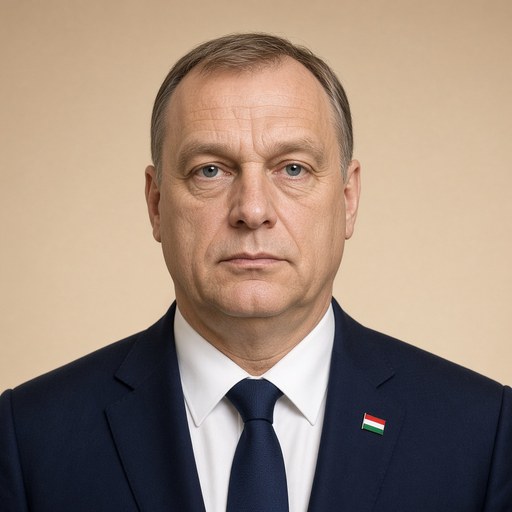
Viktor Orbán's statement at the international press conference
 Viktor Orbán · Prime Minister of Hungary
- Context
- Orbán held an international press conference on 6 April 2022, days after his Fidesz party won a historic supermajority in Hungary's parliamentary elections.
- Main themes
- Hungarian election victory, peace and the Ukraine war, Hungary's economic success, nation-state and sovereignty, opposition coalition criticism, European politics, national identity, voter trust
- Duration
- ~13 min
- Words
- 1,501
- Sentences
- 63
- Readability
- 51
- Grade
- 12.0
- Syntax
- 3.00
- Vocabulary
- 2.01
Translated from Hungarian
The broad sphere of national life a sentence belongs to. Every sentence has an Arena, so it is the denominator the other indices are read against.
Other63 sentences in 11 paragraphs
Good afternoon, I respectfully greet you!
This press conference breaks a political rule or law, as it goes that the winners tell jokes, while the losers hold press conferences. And perhaps that was the case even on Sunday evening, but I feel that a few days after the elections, it is right for me to be at your disposal. I take this opportunity to once again thank the voters for the distinguished and immense trust they have bestowed upon us in the Sunday elections.
I would like to say a few words about the election results first. If you have looked at the numbers, you can see that this is the best election result of all time. We went back to the change of regime, and I found that no party has ever received so many votes. This was 54 percent of the votes cast in percentage terms, and in terms of mandates, it was more than two-thirds of the parliamentary seats. They will surely write long studies about what this victory is due to and how it happened; everyone will have some great thoughts on this. I will also be happy to read them; one can learn from everything, but I have my own brief analysis of what we owe this tremendous victory to. I attribute it to three factors.
The first is that Hungarians want peace, and since there is a war going on in our neighborhood, they voted for the one who represents a greater guarantee for peace. I would like to briefly remind you that we started our peace mission before the election and before the war, as I was in Moscow at the beginning of February on a trip that we specifically designated as a peace mission. There were three of us trying; first, I went – they always send the little one ahead – then the Germans and the French, unfortunately, none of us were successful. If you recall, I spoke at length about the possibility of war in my year-end presentation that preceded the war, and I first stated there that Hungary must adhere to peace even if there is a war.
The second circumstance that may have contributed to our success is the simple fact that Hungary is a successful country. If one takes off the political blinders and ideological glasses and looks at the facts, one will see that the two most successful countries in Europe today are called Poland and Hungary. In these two countries, unemployment is the lowest, in these two countries, the proportion of family support is the highest, and over the past twelve years, Hungary has seen the largest tax cuts.
And the third circumstance, because a victory also requires an opponent, and while it would not be elegant for me to talk about this at length, I will not, it is not my job; they will do that work. I would only say about the opponent what can be learned from their failure for us, the winners – because one can learn from that too, not just from one’s own success. I think this was a coalition "just for power," as I called it in my mind. Fundamentally, this is disrespectful to the voters. So to announce in advance that we are not interested in our past, we are not interested in our program, we are not interested in whether ideas can be reconciled or not, we are only interested in one thing: how to win the election, that is, how to come to power and defeat someone, this is disrespectful. It may seem like a clever strategy to politicians, but from the voters' perspective, it can only be interpreted as looking down on them and being disrespectful to them. Because the election is never about the politicians, not about the coalitions, not about the prime ministerial candidates, but it is about the people, and whoever forgets this, and whose program will only be cold calculation and insulting the voters, then there can be no other outcome than failure. I think we, in contrast, represented the program, campaign, and culture of heart and passion in this campaign. The most serious contempt and insult to the voters was when it was announced that for the sake of power, it is even permissible for both fascists and communists to find their place in this "just for power" coalition, and even to preserve their own intellectual character. That might be enough about the election.
I would like to confirm that the vision of the government, the victorious parties in the elections, and the government regarding Europe and the future remains unchanged, meaning that a government will be formed in Hungary, a governing party has received a two-thirds mandate, which believes in the nation-state. Moreover, we not only believe that this is a good thing, we not only believe that this is inevitable, we not only believe that it is the foundation of our existence, but we also believe that this idea will have a renaissance. It already has in Central Europe, and we believe it will have a renaissance throughout Europe. Our interpretation of the world, simplified a bit, sounds like this: the calamities of fate are of a global nature. Such are migration, such are pandemics, and such are wars; effective, rapid responses are always national and local, which is why we continue to believe in nation-states.
The other pillar of the vision is that we will strengthen our alliances. We have an alliance because we are members of the European Union, and thus we have an alliance with other European states. We participated in the debate about the future of the European Union. We held numerous events in Hungary, and we will soon summarize the results of this, and we will submit it; we will participate in the aggregation, so we continue to envision Hungary's future within the European Union, and we want to actively participate in shaping the future of the European Union. And we will also strengthen our alliance in terms of security. We are a NATO member state, we will remain so, and we want to build a much stronger army than today. This will also strengthen NATO. If Hungary becomes stronger, our allies will benefit as well.
As for urgent tasks, I would like to say a few words about this before I am at your disposal. The first priority among urgent tasks is peace. Hungary is as big as it is, has as much influence as it has, but we will use all our influence to achieve a ceasefire as soon as possible. The first step towards peace, the first step on the road to peace is a ceasefire, and then there must be a European peace conference as soon as possible, because the war is becoming increasingly brutal, and I fear that if we do not urgently achieve a ceasefire, there will be much suffering in that part of the world, and those sufferings and troubles will increasingly come closer to the heart of Europe. This is our most important task.
Our second important, urgent task is the protection of families. Everyone knows that an economic crisis is unfolding in Europe. There are many reasons for this, they add up, the most important is due to the sanctions. I am convinced that the most important factor in the European economic crisis is the sanctions regime we imposed on Russia, and we will pay the price for this. We must prepare to manage this European economic crisis. I think we are capable of this; we will do everything to protect Hungarian families. We have already made proposals to remedy the most obvious manifestation of the European economic crisis, which is high energy prices, so immediate Brussels measures are needed regarding high energy prices. I previously suggested this quietly; now I will say it louder: as long as the war lasts, all administrative regulations that lead to price increases must be suspended. It does not matter what reasons we introduced these administrative regulations for, such as taxes; as long as the war lasts, and energy prices are already high due to the war, all previous decisions must be suspended. This means at least three things. The ETS system, which is a special, complicated taxation of fossil energies, must be suspended. The regulation that links the price of electricity to the price of gas must be suspended; obviously, anyone familiar with the area knows what I am talking about. And the third is that the regulation requiring biofuels to be blended into fuel, which is of biological origin and increases fuel prices, must also be suspended. If we do these three things and suspend them, we will already succeed in reducing energy prices at the European Union level. There will soon be a European Union summit, where I will repeat these proposals. Well, this is where we stand, esteemed Ladies and Gentlemen!
If you have any questions, I am happy to be at your disposal.
The original Hungarian. The tags above are read on the English translation's sentences.
Jó napot kívánok, tisztelettel köszöntöm Önöket!
Ez a mostani sajtótájékoztató egy politikai alapszabályt vagy törvényt tör meg, mert az úgy hangzik, hogy a győztesek vicceket mesélnek, a vesztesek pedig sajtótájékoztatót tartanak. És ez talán még vasárnap este így is volt, de úgy érzem, hogy a választások után néhány nappal az a helyes, ha rendelkezésére állok Önöknek. Ki is használom az alkalmat, és még egyszer megköszönöm a választópolgároknak azt a kitüntető és hatalmas bizalmat, amellyel felruháztak bennünket a vasárnapi választáson.
Szeretnék először mondani néhány szót a választási eredményről. Ha megnézték a számokat, akkor azt láthatják, hogy ez minden idők legjobb választási eredménye. Visszamentünk egészen a rendszerváltásig, és azt találtam, hogy soha egyetlen párt sem kapott ennyi szavazatot. Ez százalékban kifejezve a leadott szavazatok 54 százaléka volt, és mandátumban pedig több mint a parlamenti helyek kétharmada. Majd biztos írnak jó hosszú tanulmányokat arról, hogy minek köszönhető ez a győzelem, és hogyan történt, mindenkinek lesz erről majd néhány remek gondolata. Én is szívesen olvasom majd őket, mindenből lehet tanulni, de van egy saját rövid elemzésem is arról, hogy minek köszönhetjük ezt a hatalmas győzelmet. Három tényezőnek tudom be.
Az első, hogy a magyarok békét akarnak, és miután a szomszédunkban egy háború zajlik, arra szavaztak, aki nagyobb garanciát jelent a békére. Röviden szeretném Önöket emlékeztetni arra, hogy a békemissziónkat mi már a választás előtt és a háború előtt megkezdtük, hiszen február elején voltam Moszkvában egy olyan úton, amit kifejezetten békemissziónak minősítettünk. Hárman is voltunk, akik próbálkoztunk, először jómagam – mindig a kicsit küldik előre –, aztán a németek meg a franciák, sajnos egyikünk sem járt eredménnyel. Majd ha visszaemlékeznek rá, akkor még az évértékelő előadásomban, amely megelőzte a háborút, hosszan beszéltem a háború lehetőségének kérdéséről, és ott mondtam el először, hogy Magyarországnak, ha háború lesz, akkor is ragaszkodnia kell a békéhez.
A második körülmény, ami a sikerhez hozzájárulhatott, az az egyszerű tény, hogy Magyarország egy sikeres ország. Ha az ember leveszi a politikai szemellenzőjét és az ideológiai szemüvegét, és a tényeket nézi, akkor azt fogja látni, hogy Európa két legsikeresebb országát ma úgy hívják, hogy Lengyelország és Magyarország. Ebben a két országban a legalacsonyabb a munkanélküliség, ebben a két országban a legmagasabb a családtámogatások aránya, és az elmúlt tizenkét évet tekintve pedig Magyarországon történt a legnagyobb adócsökkentés.
És a harmadik körülmény, mert egy győzelemhez ellenfél is kell, és ugyan nem volna elegáns, ha én erről hosszan beszélnék, nem is fogok, nem az én dolgom, ezt a munkát majd ők elvégzik, én csak annyit mondanék az ellenféllel kapcsolatban, ami tanulságként nekünk, a győzteseknek levonható az ő kudarcukból – mert abból is lehet tanulni, nemcsak a saját sikerből. Azt gondolom, hogy ez „csak a hatalomért” koalíció volt, így is hívtam magamban. Alapvetően ez tiszteletlenség a választókkal szemben. Tehát előre bejelenteni, hogy bennünket nem érdekel a múltunk, nem érdekel a programunk, nem érdekelnek az eszmék, ezek összeilleszthetők-e vagy sem, bennünket egy dolog érdekel, hogy hogyan lehet megnyerni a választást, vagyis hogyan lehet hatalomra kerülni és legyőzni valakit, ez tiszteletlenség. Lehet, hogy politikusok számára ez valami okos stratégiának tűnik, de a választók szempontjából ez nem értelmezhető másképpen, minthogy lenézik őket, és tiszteletlenek velük szemben. Ugyanis a választás sosem a politikusokról szól, nem a koalíciókról, nem a miniszterelnök-jelöltekről, hanem az emberekről szól, és aki ezt elfelejti, és csak a hideg számítás meg a választók sértegetése lesz a programja, akkor nem lehet ennek más a vége, mint bukás. Szerintem mi ezzel szemben a szív és a szenvedély programját, kampányát és kultúráját képviseltük ebben a kampányban. A legsúlyosabb lenézése és megsértése a választóknak pedig az volt, amikor azt is bejelentették, hogy a hatalomért még az is megengedhető, hogy ebben a „csak a hatalomért” koalícióban még a fasiszták is meg a kommunisták is megtalálják a helyüket, sőt meg is őrizhetik a saját szellemi alkatukat. Ennyit talán a választásról.
Szeretném megerősíteni, hogy a kormánynak, a választásokon győztes pártoknak és a kormánynak a víziója Európáról és a jövőről változatlan, tehát hogy olyan kormány alakul majd Magyarországon, egy olyan kormányzópárt kapott kétharmados felhatalmazást, amely hisz a nemzetállamban. Sőt, nemcsak hiszünk abban, hogy ez egy jó dolog, nemcsak abban hiszünk, hogy ez elkerülhetetlen, nemcsak abban hiszünk, hogy a létünknek a fundamentuma, hanem abban hiszünk, hogy ennek a gondolatnak reneszánsza is lesz. Közép-Európában már van, és abban hiszünk, hogy egész Európában reneszánsza lesz. A mi világértelmezésünk kicsit leegyszerűsítve úgy hangzik, hogy a sorscsapások globális természetűek. Ilyen a népvándorlás, ilyen a járvány, és ilyenek a háborúk, a hatékony, gyors válaszok pedig mindig nemzetiek és lokálisak, ezért továbbra is hiszünk a nemzetállamokban.
A vízió másik pillére pedig az, hogy megerősítjük a szövetségeinket. Van egy szövetségünk, mert tagjai vagyunk az Európai Uniónak, és így van szövetségünk a többi európai állammal. Részt vettünk az Európai Unió jövőjéről szóló vitában. Magyarországon rengeteg rendezvényt tartottunk, hamarosan összegezni fogjuk ennek az eredményét, és le is fogjuk adni, részt fogunk venni az összesítésben, tehát mi továbbra is az Európai Unión belül képzeljük el Magyarország jövőjét, és aktívan részt akarunk venni a jövő Európai Uniójának kialakításában. És megerősítjük a szövetségünket a biztonság tekintetében is. Mi NATO-tagállam vagyunk, azok is maradunk, és egy mainál is jóval erősebb hadsereget akarunk építeni. Ezzel a NATO-t is erősítjük. Ha Magyarország erősödik, azzal szövetségeseink is nyernek.
Ami a sürgős teendőket illeti, erről is mondanék néhány szót, mielőtt állok az Önök rendelkezésére. A sürgős teendők között első helyen a béke van. Magyarország akkora ország, amekkora, olyan a befolyása, amekkora, de minden befolyásunkat annak érdekében fogjuk latba vetni, hogy minél hamarabb tűzszünet legyen. A békének az első lépése, a béke felé vezető út első lépése a tűzszünet, és utána pedig következnie kell egy európai békekonferenciának, minél hamarabb, mert a háború egyre brutálisabb, és attól tartok, hogyha sürgősen nem sikerül elérnünk egy tűzszünetet, akkor még sok szenvedés lesz a világnak azon a részén, amely szenvedések és bajok ráadásul egyre inkább közelebb kerülnek majd Európa belsejéhez. Ez a legfontosabb teendőnk.
A második fontos teendőnk, sürgős teendőnk a családok védelme. Mindenki tudja, hogy Európában kibontakozóban van egy gazdasági válság. Ennek számos oka van, ezek összeadódnak, a legfontosabb a szankciók miatt van. Meggyőződésem, hogy az európai gazdasági válság legfontosabb tényezője az a szankciórendszer, amit kivetettünk Oroszországra, ennek meg fogjuk fizetni az árát. Föl kell készülnünk arra, hogy kezeljük ezt az európai gazdasági válságot. Szerintem erre képesek vagyunk, mindent meg fogunk tenni, hogy megvédjük a magyar családokat. Tettünk javaslatokat már az európai gazdasági válság legnyilvánvalóbb megnyilvánulásának, bajának az orvoslására, ez a magas energiaárak, tehát a magas energiaárak ügyében azonnal brüsszeli intézkedésekre van szükség. Én azt javasoltam korábban csendesebben, most majd egyre hangosabban, hogy amíg a háború tart, addig minden adminisztratív előírást, ami az árak emelkedését eredményezi, fel kell függeszteni. Mindegy, hogy milyen okból vezettük be ezeket az adminisztratív előírásokat, például adókat, amíg a háború tart, és a háború miatt eleve magasan vannak az energiaárak, addig föl kell függeszteni minden korábbi döntést. Ez legalább három dolgot jelent. Föl kell függeszteni az ETS-rendszert, ami egy speciális, bonyolult megadóztatása a fosszilis energiáknak. Fel kell függeszteni azt a szabályozást, ami a villamos energia árát összekapcsolja a gáz árával, nyilván, aki ismeri a területet, tudja, miről van szó, és a harmadik pedig, hogy föl kell függeszteni azt az előírást is, hogy kötelező bioüzemanyagot kell bekeverni az üzemanyagba, amely biológiai eredetű, és növeli az üzemanyag árát. Ha ezt három dolgot megtesszük, és fölfüggesztjük, akkor máris sikerül csökkenteni európai uniós szinten is az energia árát. Hamarosan európai uniós csúcs lesz, ott ezeket a javaslatokat meg fogom majd ismételni. Nos, így állunk tisztelt Hölgyeim és Uraim!
Ha van kérdésük, akkor örömmel állok a rendelkezésükre.
kapcsolódó tartalmak
Magyarország még mindig magyar ország
Orbán Viktor ünnepi beszéde a Himnusz születésének 200. évfordulóján tartott megemlékezésen
Orbán Viktor miniszterelnök Szatmárcsekén