


Speech by Chancellor Friedrich Merz at the World Economic Forum on January 22, 2026, in Davos: Friedrich Merz · 27 Jan 2026 · 2,322 words · World Economic Forum

The Global Institute for National Capability (GINC) is an independent research and data laboratory that studies the foundation of long-term power, prosperity and resilience.
 TrendsThe global trends shaping national power, prosperity and resilience.
 DevelopmentsMajor milestones in national capability as they happen.
 InfrastructureNational infrastructure data, from power and transport to digital networks.
 GovernmentThe Public Administration Index: how well states govern and deliver.
 TradeGlobal trade flows, with indices of each nation's trade.
 Bilateral RatingsRatings of the relationships between pairs of nations.
 ResearchBibliometrics: research output and influence by nation and field.
 PatentsGlobal patent activity shaping national capability.
 Sovereign SpeechYou are hereA dataset of what governments and their leaders say.
Keynote addresses delivered to global business and policy elites at the WEF annual meeting in Davos — economic statecraft on the alpine stage.
The average of World Economic Forum · Davos’s 88 tagged speeches: the share of sentences carrying each option, each speech counting equally, leaving out the sentences that carry none of them (turn on Other to see them). The second bar is the average speech of the whole corpus.
What the speaker talks about: the sphere of national life, the lever of national power, and how far the speech reaches in space and time.
Who is in the story and how they are cast: whose actions a sentence is about, the part they play, where the speaker stands, and the people against the elite.
How it is said: the act a sentence performs, how sure it sounds, the feeling it appeals to and the moral value it rests on.
Speeches, sentences and words in the corpus by year.
The broad sphere of national life a sentence belongs to. Every sentence has an Arena, so it is the denominator the other indices are read against.
Other Friedrich Merz · 27 Jan 2026 · 2,322 words · World Economic Forum Volodymyr Zelenskyy · 23 Jan 2026 · 4,121 words · World Economic Forum · Davos · 2026 Friedrich Merz · 22 Jan 2026 · 2,320 words · World Economic Forum
 Prabowo Subianto · 22 Jan 2026 · 3,364 words · World Economic Forum · Davos · 2026
 Javier Milei · 21 Jan 2026 · 4,111 words · Economic Forum of Davos 2026
 Abdel Fatah al-Sisi · 21 Jan 2026 · 1,067 words · World Economic Forum Annual Meeting 2026
 Mark Carney · 21 Jan 2026 · 2,155 words · World Economic Forum · Davos 2026 Friedrich Merz · 21 Jan 2026 · 3,003 words · World Economic Forum · Davos · 2026
 Donald J. Trump · 21 Jan 2026 · 11,373 words · World Economic Forum · Davos · 2026
 Guy Parmelin · 20 Jan 2026 · 1,062 words · World Economic Forum Annual Meeting 2026 Ursula von der Leyen · 20 Jan 2026 · 2,356 words · World Economic Forum Annual Meeting 2026
 He Lifeng · 20 Jan 2026 · 2,662 words · World Economic Forum · Davos · 2026
 Emmanuel Macron · 20 Jan 2026 · 2,458 words · World Economic Forum · Davos · 2026 Javier Milei · 23 Jan 2025 · 4,464 words · World Economic Forum · Davos · 2025 Donald J. Trump · 23 Jan 2025 · 2,181 words · World Economic Forum · Davos · 2025
 Pedro Sánchez · 22 Jan 2025 · 850 words · Session "Health and Prosperity Through Prevention", World Economic Forum 2025 Pedro Sánchez · 22 Jan 2025 · 566 words · "State of Climate and Nature" colloquium at the World Economic Forum Pedro Sánchez · 22 Jan 2025 · 3,309 words · World Economic Forum Olaf Scholz · 21 Jan 2025 · 1,839 words · World Economic Forum Olaf Scholz · 21 Jan 2025 · 1,932 words · World Economic Forum
 Cyril Ramaphosa · 21 Jan 2025 · 1,842 words · World Economic Forum Volodymyr Zelenskyy · 21 Jan 2025 · 1,614 words · World Economic Forum · Davos · 2025 Emmanuel Macron · 18 Feb 2024 · 3,281 words · 54th edition of the World Economic Forum in Davos Javier Milei · 18 Jan 2024 · 3,037 words · World Economic Forum · Davos · 2024 Pedro Sánchez · 17 Jan 2024 · 3,756 words · 54th Annual Meeting of the World Economic Forum Emmanuel Macron · 17 Jan 2024 · 158 words · World Economic Forum · Davos · 2024 Li Qiang · 16 Jan 2024 · 2,435 words · World Economic Forum · Davos · 2024 Volodymyr Zelenskyy · 16 Jan 2024 · 1,554 words · World Economic Forum · Davos · 2024 Olaf Scholz · 18 Jan 2023 · 2,815 words · World Economic Forum · Davos · 2023 Pedro Sánchez · 17 Jan 2023 · 4,173 words · 53rd Annual Meeting of the World Economic Forum Ursula von der Leyen · 17 Jan 2023 · 2,430 words · World Economic Forum · Davos · 2023 Olaf Scholz · 26 May 2022 · 3,449 words · Annual Meeting of the World Economic Forum Pedro Sánchez · 24 May 2022 · 4,362 words · Annual meeting of the World Economic Forum Pedro Sánchez · 24 May 2022 · 1,451 words · World Economic Forum panel "Energy, Security and the European Green Deal" Volodymyr Zelenskyy · 23 May 2022 · 2,064 words · World Economic Forum · Davos · 2022 Olaf Scholz · 19 Jan 2022 · 1,718 words · World Economic Forum Davos Dialogue, "Working Together, Restoring Trust" (video conference)
 Naftali Bennett · 18 Jan 2022 · 79 words · Davos World Economic Forum Virtual Conference Xi Jinping · 17 Jan 2022 · 2,609 words · World Economic Forum · Davos · 2022
 Narendra Modi · 17 Jan 2022 · 1,538 words · World Economic Forum · Davos · 2022
 Lee Hsien Loong · 29 Jan 2021 · 1,524 words · World Economic Forum Davos Agenda Week (Closing Address) Alberto Fernández · 28 Jan 2021 · 1,548 words · World Economic Forum in Davos Narendra Modi · 28 Jan 2021 · 1,305 words · World Economic Forum Davos Dialogue
 Abdullah II Ibn Al Hussein · 28 Jan 2021 · 805 words · World Economic Forum Davos Agenda
 Vladimir Putin · 27 Jan 2021 · 4,217 words · World Economic Forum · Davos · 2021 Angela Merkel · 26 Jan 2021 · 2,911 words · Davos Dialogue of the World Economic Forum (video message) Emmanuel Macron · 26 Jan 2021 · 3,270 words · World Economic Forum Davos Agenda Cyril Ramaphosa · 26 Jan 2021 · 1,316 words · Davos Dialogues of the World Economic Forum (virtual State of the World address) Pedro Sánchez · 25 Jan 2021 · 828 words · Round-table of leaders "Advancing a New Social Contract" of the Davos Agenda Xi Jinping · 25 Jan 2021 · 2,790 words · World Economic Forum · Davos · 2021 Angela Merkel · 23 Jan 2020 · 4,582 words · Annual Meeting 2020 of the World Economic Forum Pedro Sánchez · 22 Jan 2020 · 3,904 words · Annual Meeting of the World Economic Forum
 Greta Thunberg · 21 Jan 2020 · 920 words · World Economic Forum · Davos · 2020 Donald J. Trump · 21 Jan 2020 · 4,084 words · World Economic Forum · Davos · 2020 Greta Thunberg · 25 Jan 2019 · 384 words · World Economic Forum · Davos · 2019
 Paul Kagame · 24 Jan 2019 · 472 words · World Economic Forum session: Shaping Africa's Agenda in the Global Context Angela Merkel · 23 Jan 2019 · 3,962 words · 49th Annual Meeting of the World Economic Forum Pedro Sánchez · 23 Jan 2019 · 3,268 words · World Economic Forum
 Shinzo Abe · 23 Jan 2019 · 2,019 words
 Jair Bolsonaro · 22 Jan 2019 · 761 words · World Economic Forum 2019 plenary session Donald J. Trump · 26 Jan 2018 · 1,849 words · World Economic Forum · Davos · 2018 Mauricio Macri · 25 Jan 2018 · 2,685 words · World Economic Forum Emmanuel Macron · 24 Jan 2018 · 7,843 words · World Economic Forum Angela Merkel · 24 Jan 2018 · 3,055 words · World Economic Forum · Davos · 2018 Narendra Modi · 23 Jan 2018 · 3,589 words · World Economic Forum · Davos · 2018 Xi Jinping · 17 Jan 2017 · 4,261 words · World Economic Forum · Davos · 2017 Jacob Zuma · 21 Jan 2016 · 1,134 words · World Economic Forum annual meeting Joachim Gauck · 20 Jan 2016 · 2,368 words · World Economic Forum François Hollande · 23 Jan 2015 · 4,440 words · World Economic Forum Annual Meeting Angela Merkel · 22 Jan 2015 · 1,976 words · Annual Meeting of the World Economic Forum Jacob Zuma · 21 Jan 2015 · 1,155 words · World Economic Forum annual meeting Dilma Rousseff · 24 Jan 2014 · 3,228 words · World Economic Forum 2014 Plenary Session
 Hassan Rouhani · 23 Jan 2014 · 481 words · World Economic Forum · Davos · 2014 Shinzo Abe · 22 Jan 2014 · 1,514 words Abdullah II Ibn Al Hussein · 25 Jan 2013 · 1,252 words · World Economic Forum Annual Meeting Angela Merkel · 24 Jan 2013 · 2,098 words · Annual Meeting 2013 of the World Economic Forum Jacob Zuma · 23 Jan 2013 · 1,256 words · World Economic Forum meeting Jacob Zuma · 26 Jan 2012 · 1,263 words · Meeting with South African business at the World Economic Forum Angela Merkel · 29 Jan 2011 · 2,591 words · Annual Meeting 2011 of the World Economic Forum José Luis Rodríguez Zapatero · 27 Jan 2010 · 3,068 words · World Economic Forum panels Nicolas Sarkozy · 27 Jan 2010 · 4,380 words · Davos Forum 40th session opening speech Angela Merkel · 31 Jan 2009 · 2,854 words · World Economic Forum Vladimir Putin · 28 Jan 2009 · 3,362 words · World Economic Forum · Davos · 2009 Abdullah II Ibn Al Hussein · 26 Jan 2007 · 1,336 words · First Plenary Session of the World Economic Forum Angela Merkel · 24 Jan 2007 · 3,943 words · World Economic Forum · Davos · 2007 Angela Merkel · 25 Jan 2006 · 3,995 words · World Economic Forum Abdullah II Ibn Al Hussein · 23 Jan 2004 · 1,313 words · World Economic Forum Annual Meeting Abdullah II Ibn Al Hussein · 26 Jan 2003 · 1,528 words · World Economic Forum Abdullah II Ibn Al Hussein · 3 Feb 2002 · 1,545 words · World Economic Forum Abdullah II Ibn Al Hussein · 30 Jan 2000 · 1,875 words · World Economic Forum Nelson Rolihlahla Mandela · 29 Jan 1999 · 2,072 words · World Economic Forum Annual Meeting Nelson Rolihlahla Mandela · 31 Jan 1991 · 1,669 words · World Economic Forum Annual Meeting
The broad sphere of national life a sentence belongs to. Every sentence has an Arena, so it is the denominator the other indices are read against.
OtherEach card counts the leader’s speeches in this collection, and its bar is the average of them on the chosen index.
 Prime Minister of Spain
 Former Chancellor of Germany
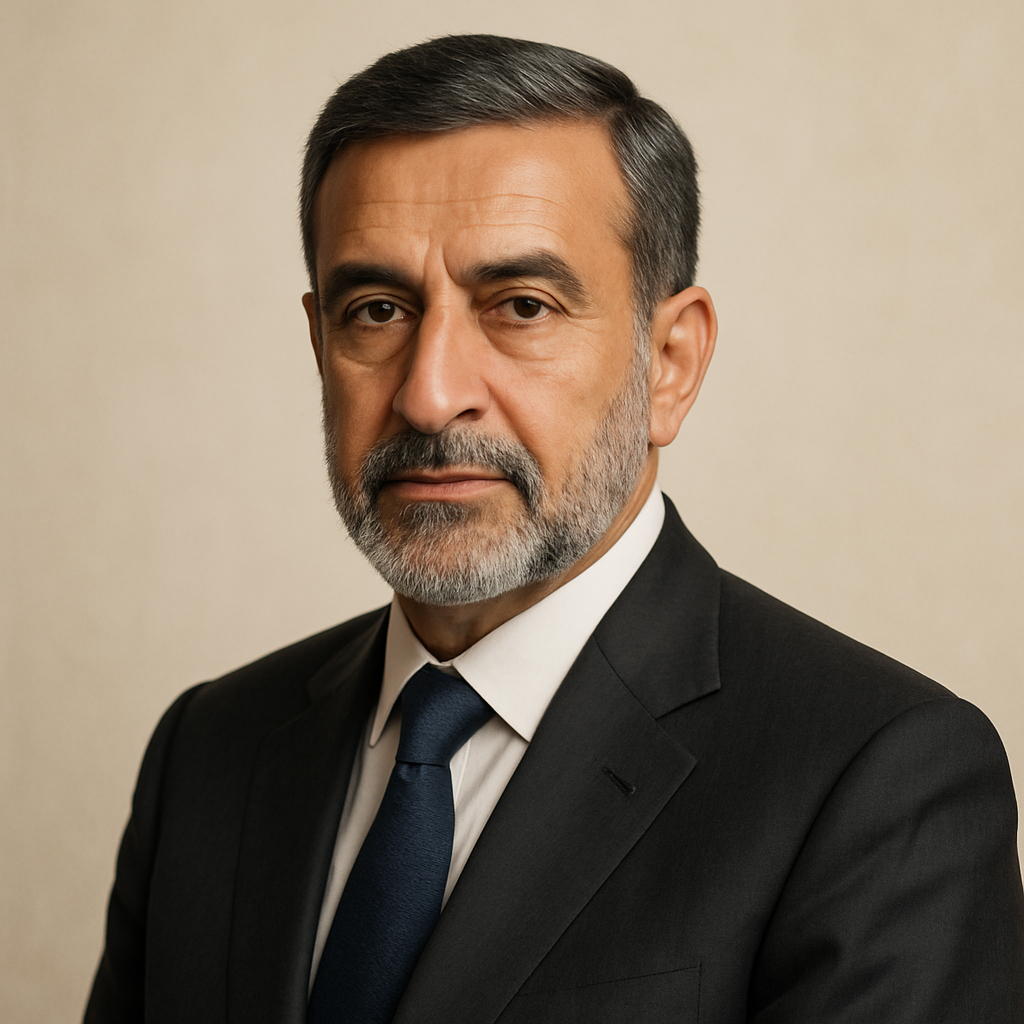 King of Jordan
 President of France
 Member of the Bundestag
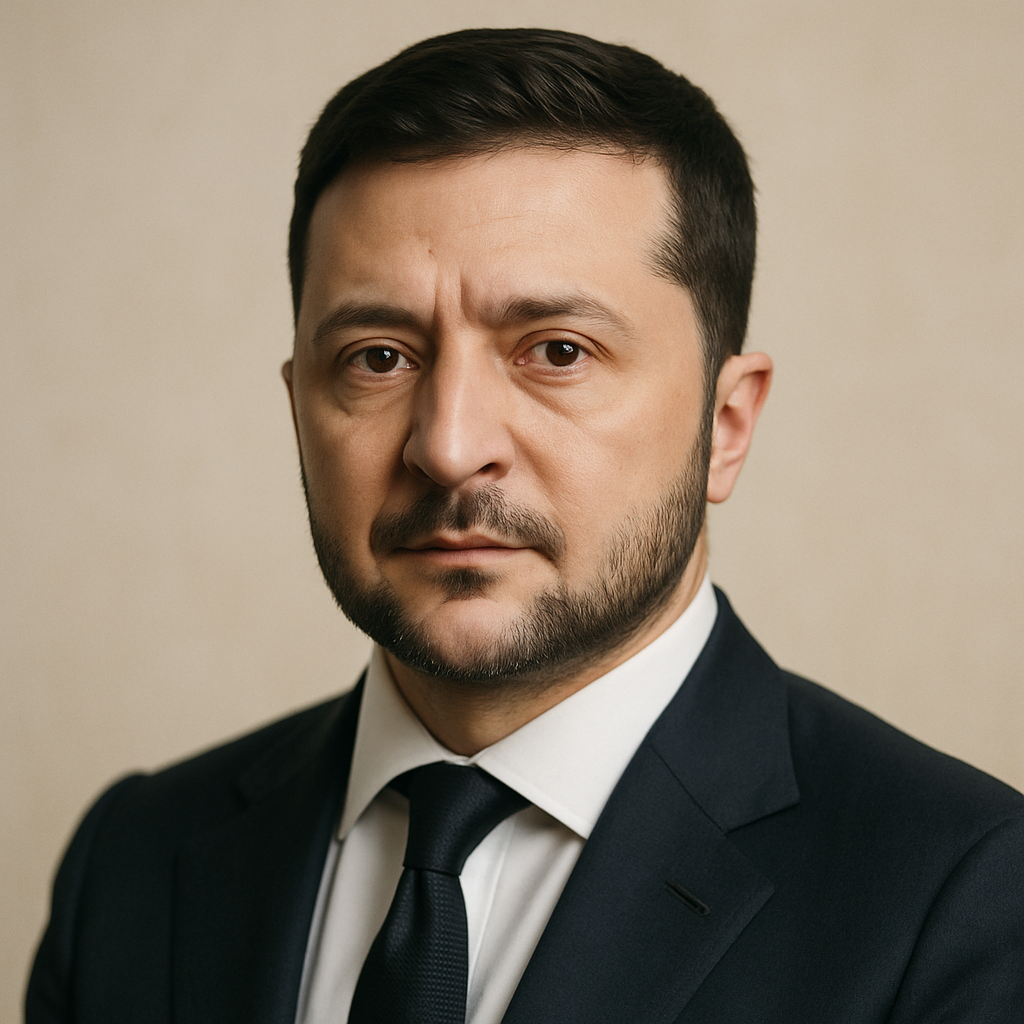 President of Ukraine
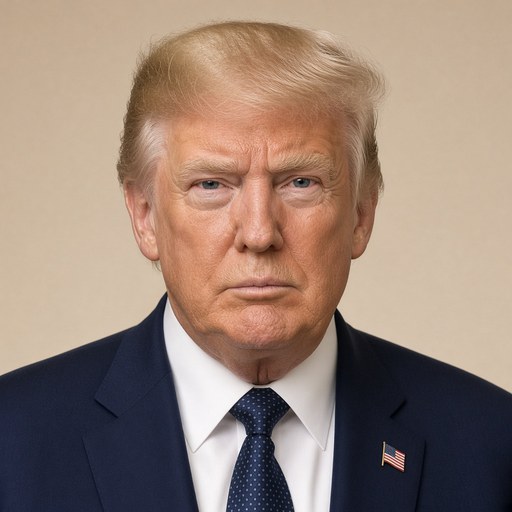 President of the United States
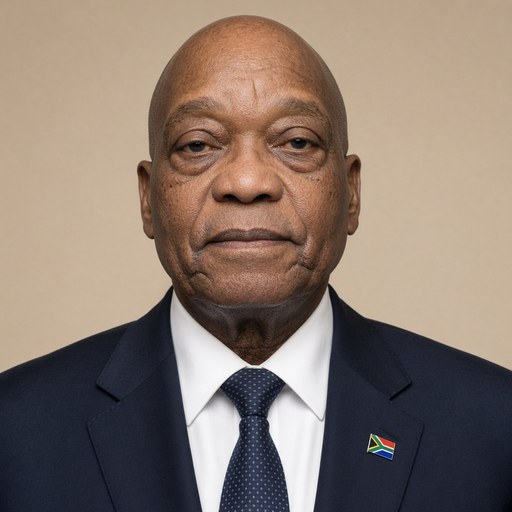 President of South Africa
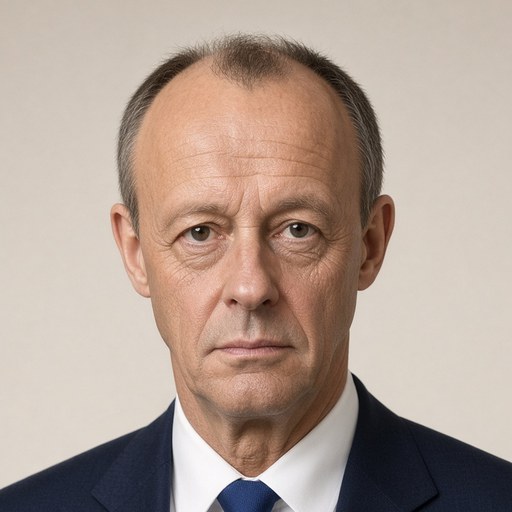 Chancellor of Germany
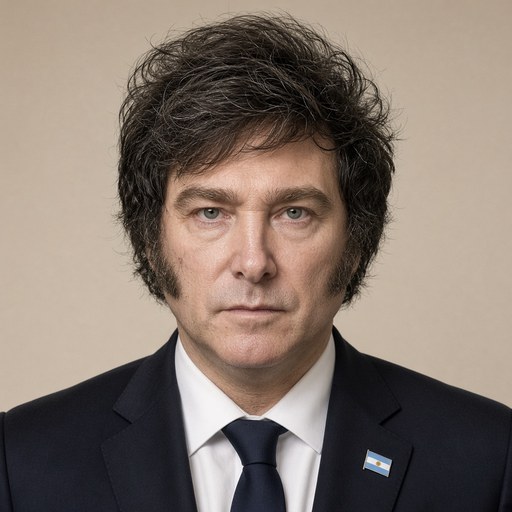 President of Argentina
 Prime Minister of India
 General Secretary of the Communist Party of China and President of the People's Republic of China
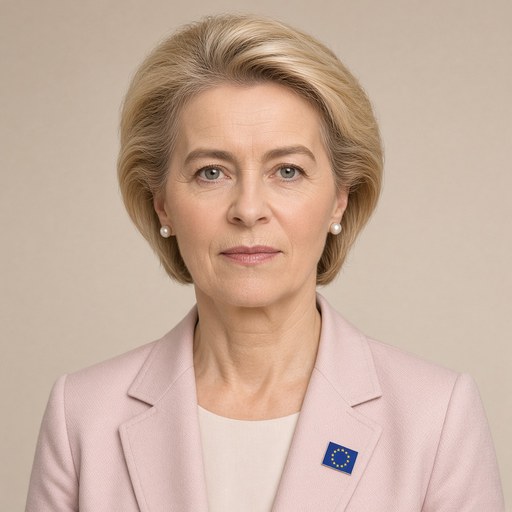
 President of the European Commission
 President of South Africa
 President of Russia
 Climate activist
 Prime Minister of Japan
 President of South Africa
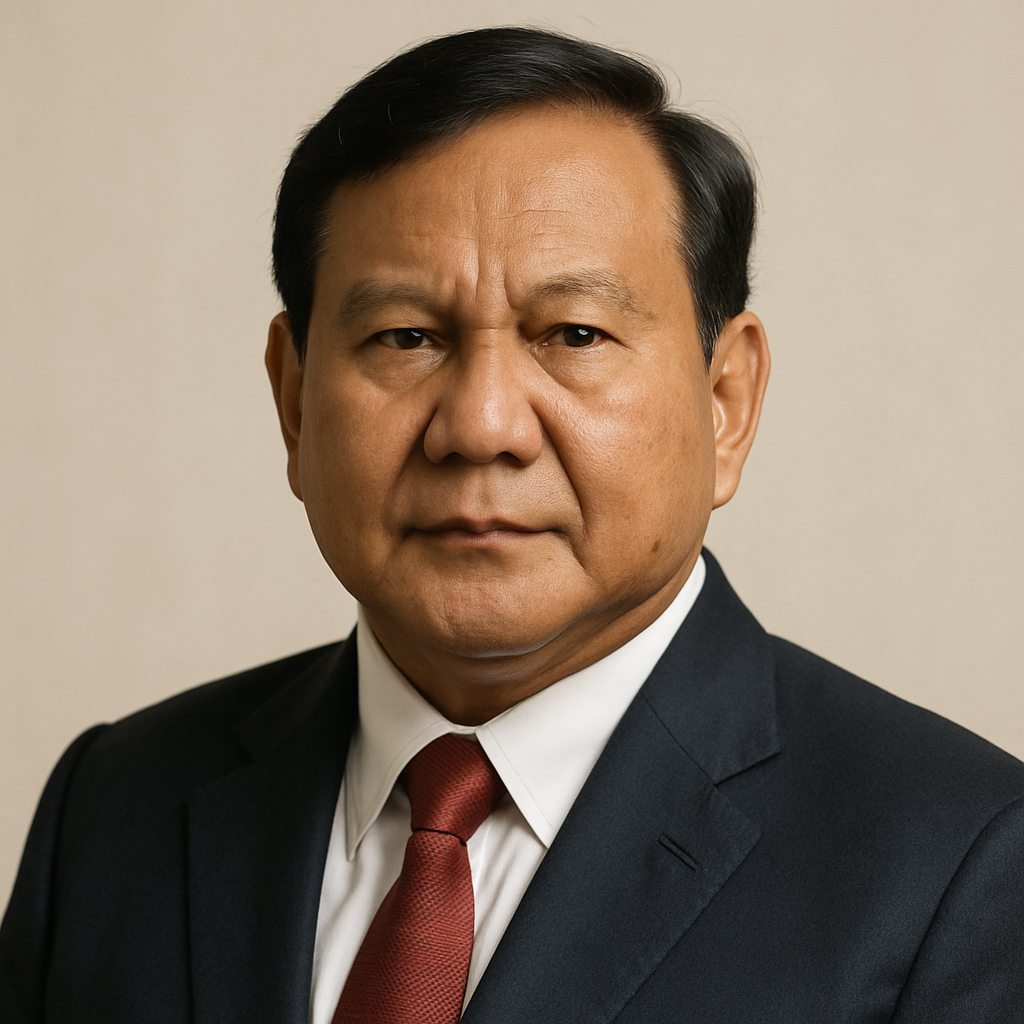 President of Indonesia
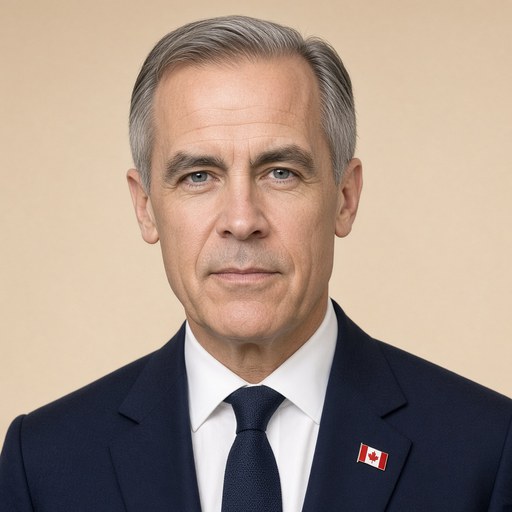 Prime Minister of Canada
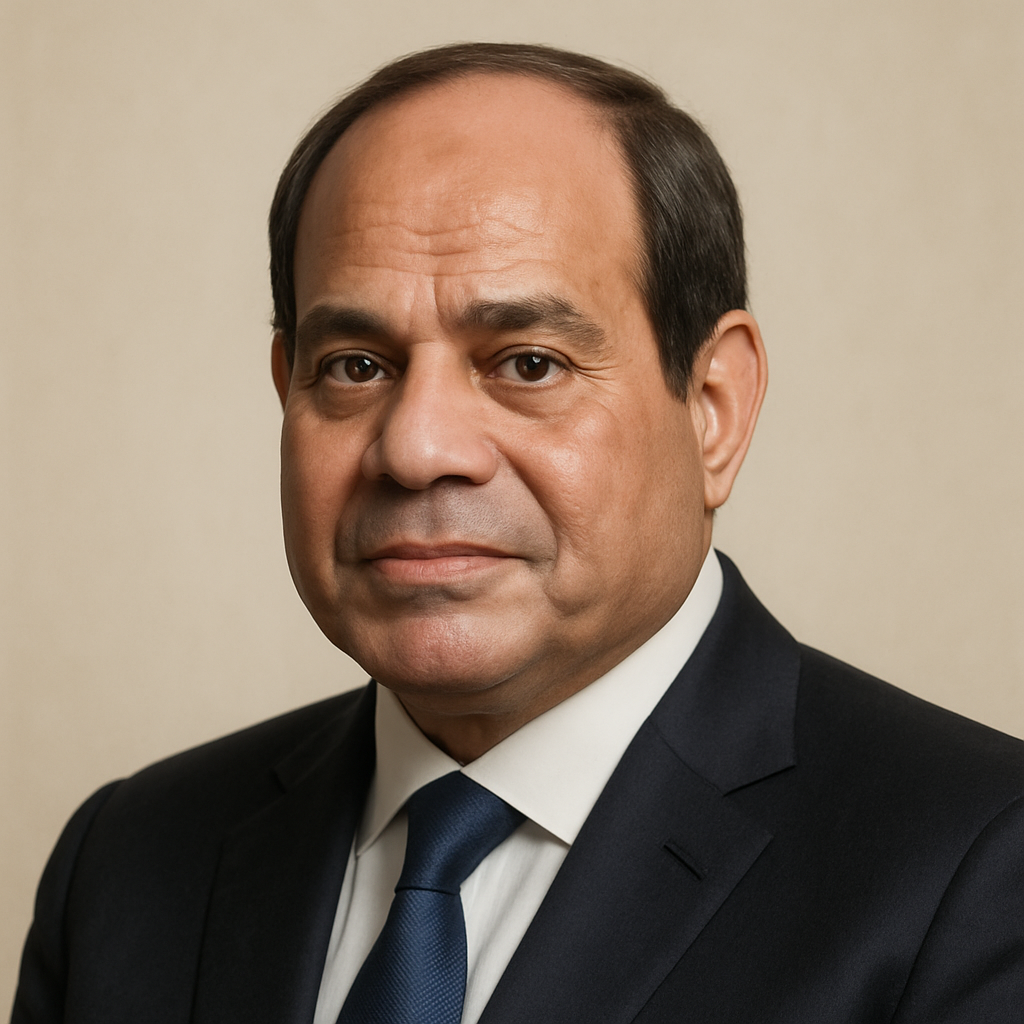 President of Egypt
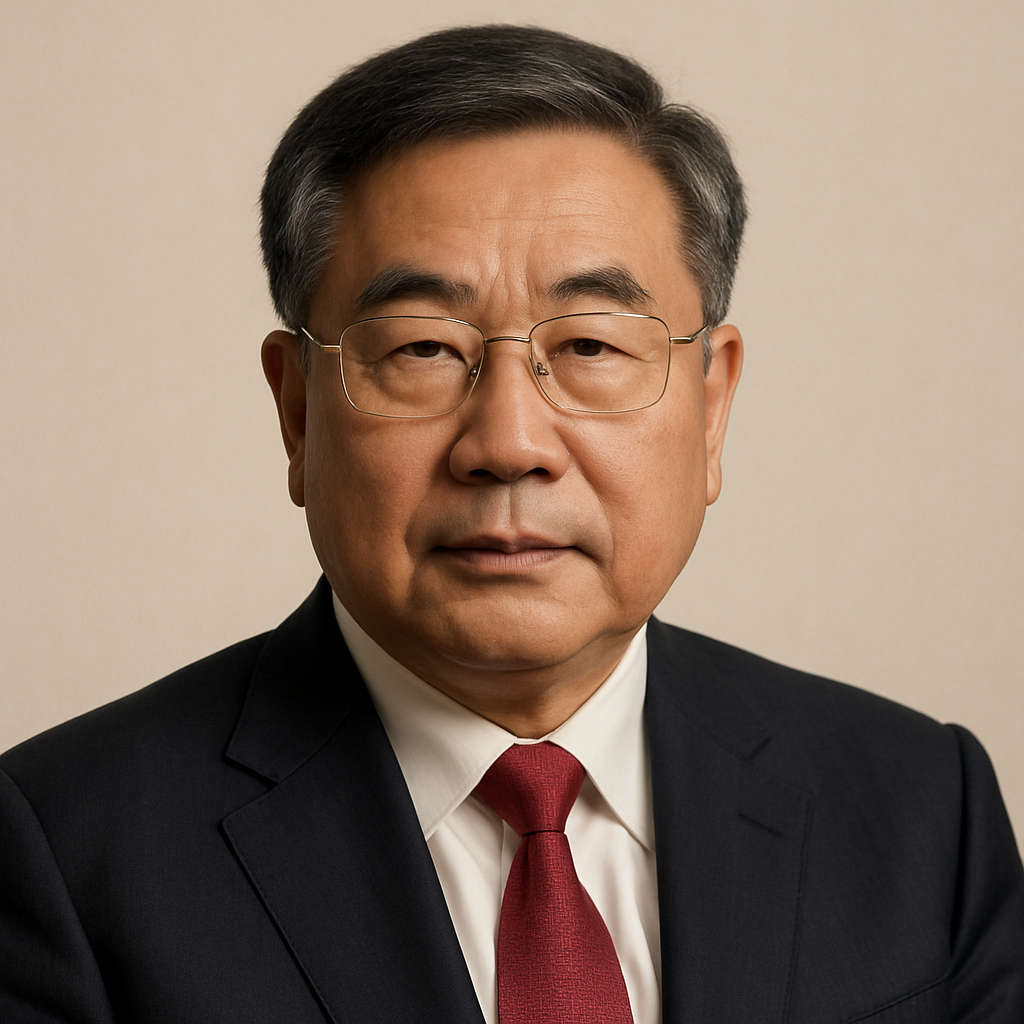 Vice Premier of China
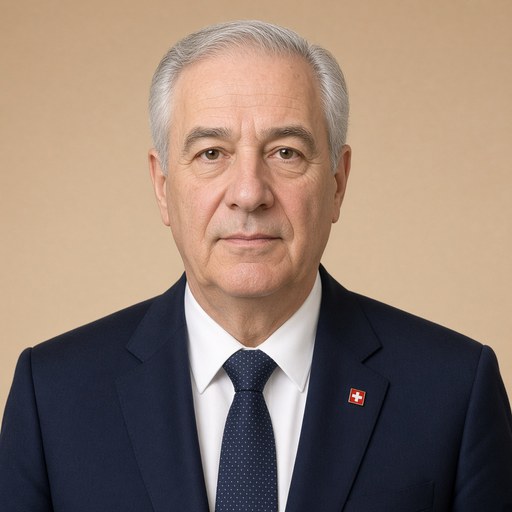 Federal Councillor and President of the Swiss Confederation
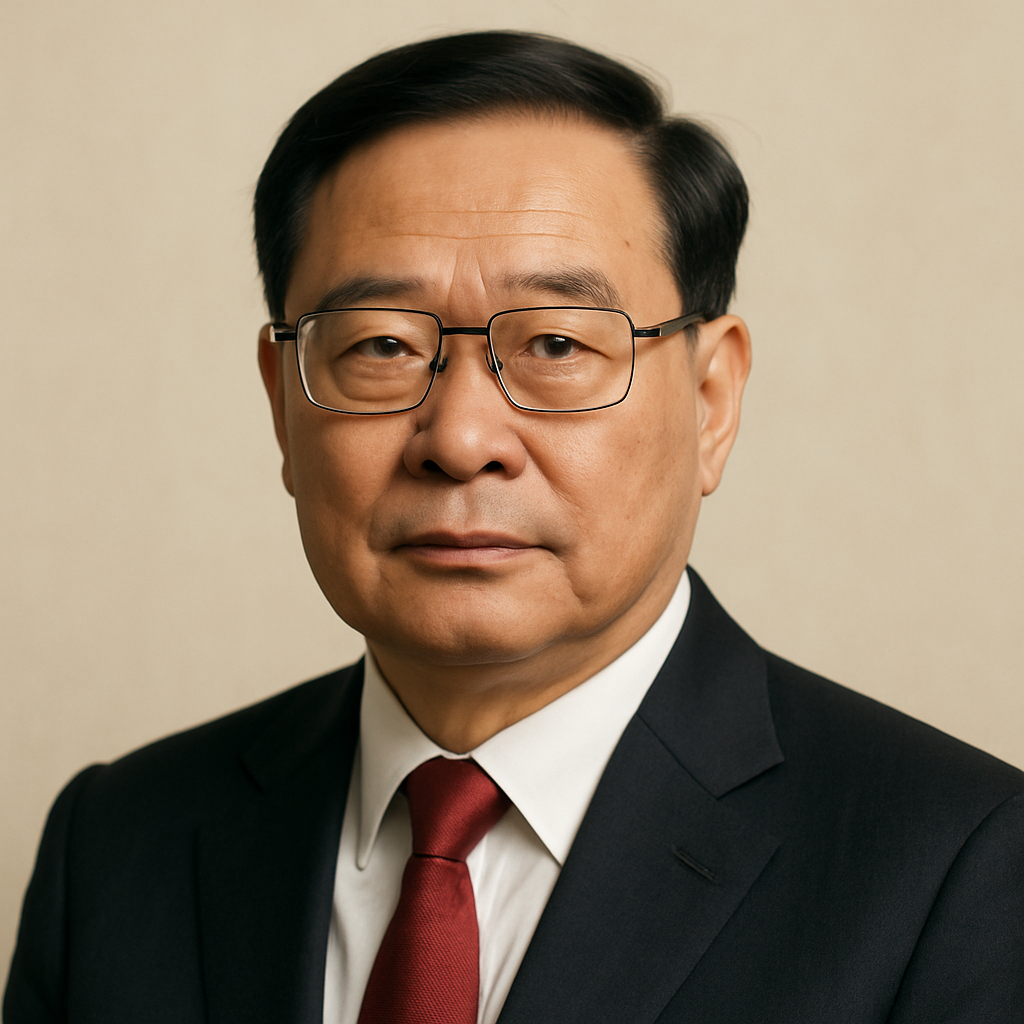 Premier of the State Council
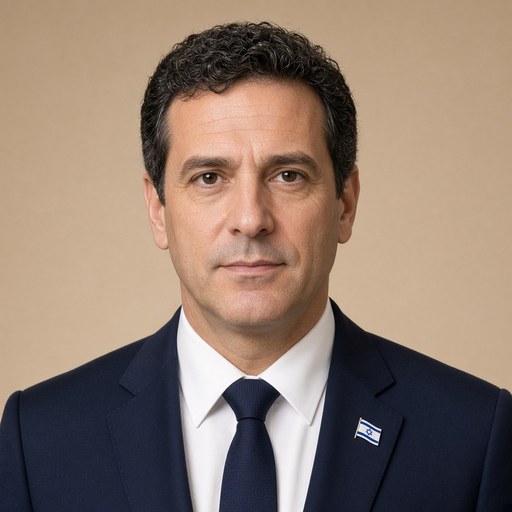 Prime Minister of Israel
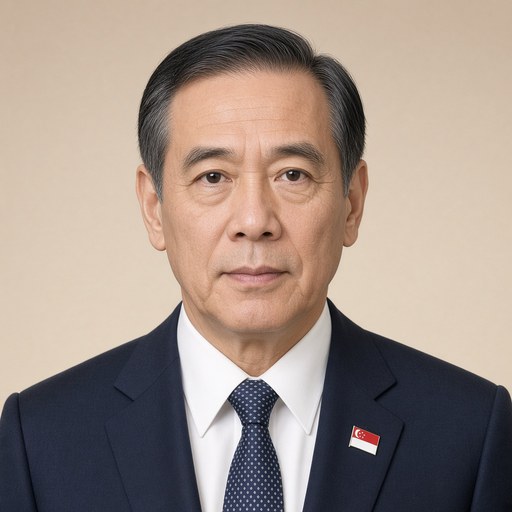 Prime Minister of Singapore
 President of Argentina
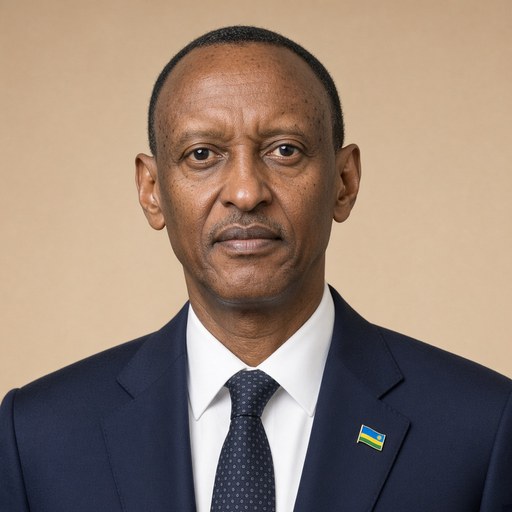 President of Rwanda
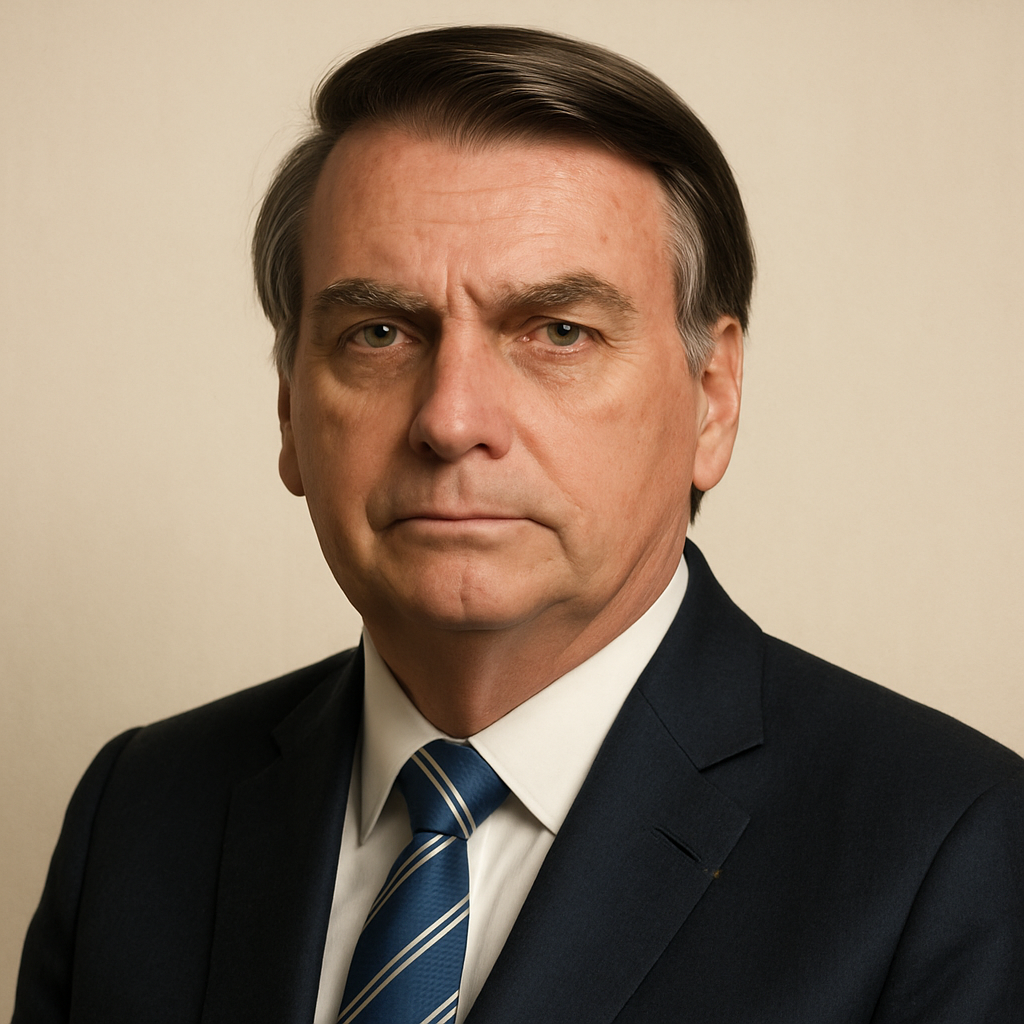 Former President of Brazil
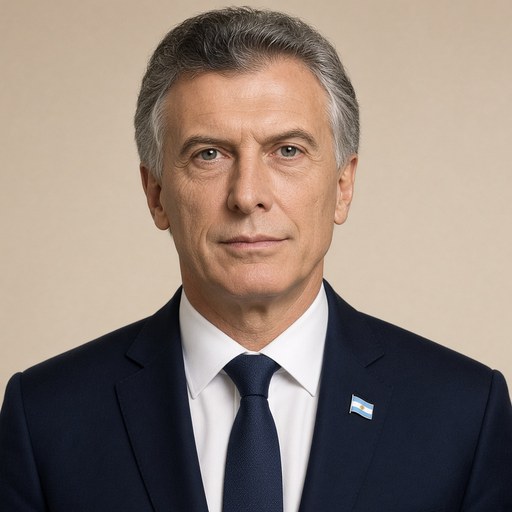 President of Argentina
 Former Federal President of Germany
 President of France
 President of Brazil
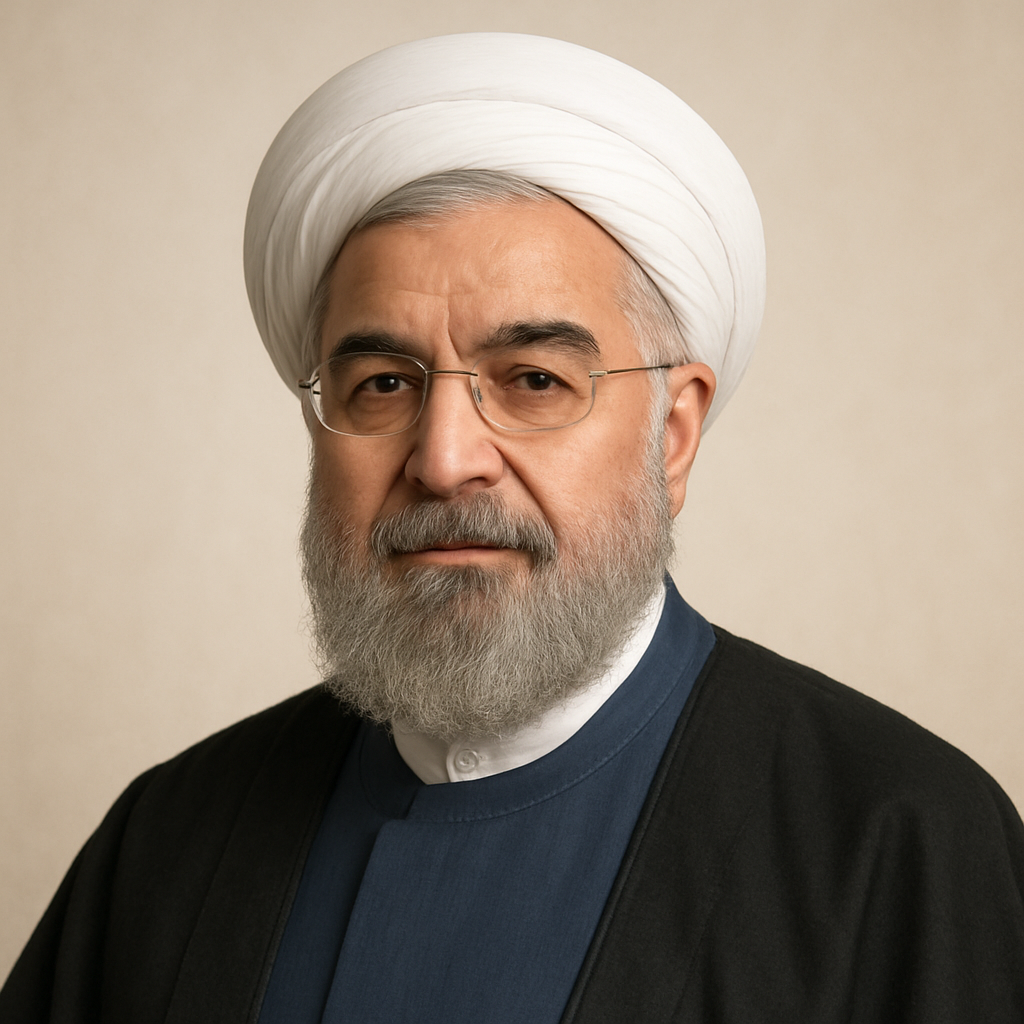 Former President of Iran (2013–2021)
 President of France
 Prime Minister of Spain
Content: the share of the sentences of World Economic Forum · Davos’s 88 tagged speeches carrying each option (each speech counting equally), beside every speech in the corpus, then each index over the years.
The broad sphere of national life a sentence belongs to. Every sentence has an Arena, so it is the denominator the other indices are read against.
| Option | This collection | All speeches | Difference |
|---|---|---|---|
| Economic | 36.5% | 15.8% | +20.7 pts |
| Geopolitical | 22.6% | 24.1% | −1.5 pts |
| Social | 12.0% | 19.4% | −7.4 pts |
| Ceremonial | 9.3% | 19.9% | −10.6 pts |
| Institutional | 7.0% | 13.3% | −6.3 pts |
| Environmental | 5.9% | 2.8% | +3.1 pts |
| Technological | 2.5% | 1.0% | +1.5 pts |
| Not in focus | 4.2% | 3.8% | +0.4 pts |
The lever of national power a sentence discusses, in the nine domains of the GINC National Capability Framework, grouped as hard, soft and economic power.
| Option | This collection | All speeches | Difference |
|---|---|---|---|
| Trade & Investment | 8.2% | 3.1% | +5.1 pts |
| Financial Strength | 5.5% | 2.6% | +2.9 pts |
| Governance & Integrity | 4.1% | 5.7% | −1.6 pts |
| Productivity & Innovation | 3.4% | 1.5% | +1.9 pts |
| National Security | 3.3% | 5.8% | −2.5 pts |
| Human Capital | 2.2% | 2.3% | −0.1 pts |
| Strategic Infrastructure | 2.1% | 1.9% | +0.2 pts |
| Information & Influence | 1.2% | 1.5% | −0.3 pts |
| Critical Technology | 0.2% | 0.1% | +0.1 pts |
| Not in focus | 69.7% | 75.6% | −5.9 pts |
How far a sentence reaches beyond the speaker's borders.
| Option | This collection | All speeches | Difference |
|---|---|---|---|
| Regional/global | 34.3% | 21.0% | +13.3 pts |
| Domestic | 24.3% | 36.0% | −11.7 pts |
| Multilateral | 8.7% | 5.6% | +3.1 pts |
| Bilateral | 5.9% | 10.8% | −4.9 pts |
| Not in focus | 26.8% | 26.6% | +0.2 pts |
Where in time a sentence points, on one ordered seven-step scale with the present at zero. Distance is given in broad bands rather than years, because most references to the future are vague.
| Option | This collection | All speeches | Difference |
|---|---|---|---|
| Present | 34.8% | 32.6% | +2.2 pts |
| Near future | 25.5% | 17.9% | +7.6 pts |
| Recent past | 11.4% | 12.5% | −1.1 pts |
| Generational past | 2.5% | 6.1% | −3.6 pts |
| Generational future | 1.4% | 0.8% | +0.6 pts |
| Foundational past | 0.8% | 1.5% | −0.7 pts |
| Foundational future | 0.2% | 0.3% | −0.1 pts |
| Not in focus | 23.5% | 28.3% | −4.8 pts |
Actors: the share of the sentences of World Economic Forum · Davos’s 88 tagged speeches carrying each option (each speech counting equally), beside every speech in the corpus, then each index over the years.
Whose actions a sentence is about. Always read with Role.
| Option | This collection | All speeches | Difference |
|---|---|---|---|
| Nation | 38.9% | 38.6% | +0.3 pts |
| Adversary | 4.1% | 5.6% | −1.5 pts |
| Ally | 1.5% | 1.7% | −0.2 pts |
| Not in focus | 55.6% | 54.0% | +1.6 pts |
The part a sentence gives its main character, as if the speech were a story. Null is shown as None.
| Option | This collection | All speeches | Difference |
|---|---|---|---|
| Hero | 13.1% | 14.1% | −1.0 pts |
| Victim | 4.1% | 5.1% | −1.0 pts |
| Villain | 3.5% | 4.9% | −1.4 pts |
| None | 79.3% | 75.9% | +3.4 pts |
Where the speaker stands towards the audience.
| Option | This collection | All speeches | Difference |
|---|---|---|---|
| Coordinate | 10.8% | 9.9% | +0.9 pts |
| Deferential | 6.2% | 13.5% | −7.3 pts |
| Dominant | 3.8% | 5.8% | −2.0 pts |
| Not in focus | 79.2% | 70.9% | +8.3 pts |
Whether a sentence pits a virtuous people against a corrupt elite, as the ideational school defines populism. Speech-level results can be benchmarked against the Global Populism Database where speakers overlap. Null is shown as None.
| Option | This collection | All speeches | Difference |
|---|---|---|---|
| Anti-elitism | 0.6% | 0.4% | +0.2 pts |
| People-centrism | 0.3% | 1.1% | −0.8 pts |
| Good-vs-evil | 0.3% | 0.4% | −0.1 pts |
| None | 98.8% | 98.1% | +0.7 pts |
Style: the share of the sentences of World Economic Forum · Davos’s 88 tagged speeches carrying each option (each speech counting equally), beside every speech in the corpus, then each index over the years.
The speech act a sentence performs, after Searle's taxonomy.
| Option | This collection | All speeches | Difference |
|---|---|---|---|
| Assertion | 65.1% | 60.7% | +4.4 pts |
| Commitment | 12.0% | 8.8% | +3.2 pts |
| Call to action | 11.7% | 9.1% | +2.6 pts |
| Expressive | 8.8% | 19.0% | −10.2 pts |
| Not in focus | 2.4% | 2.4% | 0.0 pts |
How sure the speaker sounds: the force of the claim, not its content or truth.
| Option | This collection | All speeches | Difference |
|---|---|---|---|
| Medium | 56.7% | 56.4% | +0.3 pts |
| High | 30.1% | 26.2% | +3.9 pts |
| Low | 3.2% | 2.6% | +0.6 pts |
| Not in focus | 10.1% | 14.7% | −4.6 pts |
The feeling a sentence appeals to in the listener, not the speaker's own state. Null is shown as Neutral.
| Option | This collection | All speeches | Difference |
|---|---|---|---|
| Hope | 24.3% | 19.0% | +5.3 pts |
| Fear | 12.4% | 7.5% | +4.9 pts |
| Pride | 12.1% | 16.6% | −4.5 pts |
| Anger | 2.9% | 4.8% | −1.9 pts |
| Neutral | 48.3% | 52.2% | −3.9 pts |
The moral value a sentence invokes to claim right or wrong, after Moral Foundations Theory. Provisional: it is dropped if the pilot shows it collapsing into two foundations or tracking Emotion too closely. Null is shown as None.
| Option | This collection | All speeches | Difference |
|---|---|---|---|
| Fairness | 8.9% | 8.4% | +0.5 pts |
| Care | 6.6% | 9.9% | −3.3 pts |
| Authority | 3.7% | 5.6% | −1.9 pts |
| Loyalty | 3.2% | 5.6% | −2.4 pts |
| Liberty | 2.8% | 3.3% | −0.5 pts |
| Sanctity | 0.2% | 0.8% | −0.6 pts |
| None | 74.6% | 66.4% | +8.2 pts |
Across the 91 speeches with a score, weighted by their length; beside each, the same for every speech in the corpus.
All speeches 43.9 · +6.0
Flesch Reading Ease, 0 to 100; higher is easier.
All speeches 13.1 · −2.2
Flesch–Kincaid grade: years of schooling needed; lower is simpler.
All speeches 3.06 · −0.16
Mean dependency distance in words; higher is more intricate.
All speeches 2.20 · −0.12
Lexical rarity (7 − Zipf frequency of content words); higher is rarer.