


Address at the 2026 Munich Security Conference Marco Rubio · 15 Feb 2026 · 4,174 words · Munich Security Conference · 2026

The Global Institute for National Capability (GINC) is an independent research and data laboratory that studies the foundation of long-term power, prosperity and resilience.
 TrendsThe global trends shaping national power, prosperity and resilience.
 DevelopmentsMajor milestones in national capability as they happen.
 InfrastructureNational infrastructure data, from power and transport to digital networks.
 GovernmentThe Public Administration Index: how well states govern and deliver.
 TradeGlobal trade flows, with indices of each nation's trade.
 Bilateral RatingsRatings of the relationships between pairs of nations.
 ResearchBibliometrics: research output and influence by nation and field.
 PatentsGlobal patent activity shaping national capability.
 Sovereign SpeechYou are hereA dataset of what governments and their leaders say.
The world’s annual high-level forum on international security policy, held every February since 1963. Keynotes and special addresses by heads of state and defence ministers.
The average of Munich Security Conference’s 78 tagged speeches: the share of sentences carrying each option, each speech counting equally, leaving out the sentences that carry none of them (turn on Other to see them). The second bar is the average speech of the whole corpus.
What the speaker talks about: the sphere of national life, the lever of national power, and how far the speech reaches in space and time.
Who is in the story and how they are cast: whose actions a sentence is about, the part they play, where the speaker stands, and the people against the elite.
How it is said: the act a sentence performs, how sure it sounds, the feeling it appeals to and the moral value it rests on.
Speeches, sentences and words in the corpus by year.
The broad sphere of national life a sentence belongs to. Every sentence has an Arena, so it is the denominator the other indices are read against.
Other Marco Rubio · 15 Feb 2026 · 4,174 words · Munich Security Conference · 2026 Pedro Sánchez · 14 Feb 2026 · 2,111 words · Munich Security Conference
 Ursula von der Leyen · 14 Feb 2026 · 1,459 words · Munich Security Conference 2026
 Keir Starmer · 14 Feb 2026 · 2,180 words · Munich Security Conference 2026
 Emmanuel Macron · 14 Feb 2026 · 3,937 words · Munich Security Conference · 2026 Friedrich Merz · 13 Feb 2026 · 3,662 words · Munich Security Conference Emmanuel Macron · 13 Feb 2026 · 5,414 words · 62nd Munich Security Conference Frank-Walter Steinmeier · 16 Feb 2025 · 2,089 words · 61st Munich Security Conference Olaf Scholz · 15 Feb 2025 · 1,564 words · 61st Munich Security Conference JD Vance · 14 Feb 2025 · 2,891 words · Munich Security Conference · 2025 Olaf Scholz · 17 Feb 2024 · 1,429 words · Munich Security Conference
 António Guterres · 15 Feb 2024 · 1,541 words · Munich Security Conference · 2024 JD Vance · 15 Feb 2024 · 1,945 words · Munich Security Conference · 2024 Kamala D. Harris · 15 Feb 2024 · 1,998 words · Munich Security Conference · 2024
 Yulia Navalnaya · 15 Feb 2024 · 341 words · Munich Security Conference · 2024 Olaf Scholz · 17 Feb 2023 · 2,051 words · Munich Security Conference Emmanuel Macron · 15 Feb 2023 · 3,615 words · Munich Security Conference · 2023
 Jens Stoltenberg · 15 Feb 2023 · 798 words · Munich Security Conference · 2023
 Wang Yi · 15 Feb 2023 · 1,576 words · Munich Security Conference · 2023 Olaf Scholz · 19 Feb 2022 · 2,517 words · Munich Security Conference Ursula von der Leyen · 15 Feb 2022 · 1,057 words · Munich Security Conference · 2022
 Volodymyr Zelenskyy · 15 Feb 2022 · 2,491 words · Munich Security Conference · 2022 Angela Merkel · 22 Feb 2021 · 1,633 words · Munich Security Conference (virtual forum) Boris Johnson · 15 Feb 2021 · 1,992 words · Munich Security Conference · 2021 Joseph R. Biden · 15 Feb 2021 · 2,599 words · Munich Security Conference · 2021 Emmanuel Macron · 15 Feb 2020 · 9,425 words · Munich Security Conference 2020 Frank-Walter Steinmeier · 15 Feb 2020 · 5,348 words · Munich Security Conference · 2020
 Justin Trudeau · 15 Feb 2020 · 1,888 words · Munich Security Conference · 2020
 Tedros Adhanom Ghebreyesus · 15 Feb 2020 · 1,445 words · Munich Security Conference · 2020
 Zuzana Caputova · 15 Feb 2020 · 1,205 words · Munich Security Conference · 2020
 Paul Kagame · 15 Feb 2019 · 362 words · Health Security Roundtable, Munich Security Conference
 Abdel Fatah al-Sisi · 15 Feb 2019 · 1,470 words · Munich Security Conference · 2019 Angela Merkel · 15 Feb 2019 · 4,610 words · Munich Security Conference · 2019
 Benjamin Netanyahu · 15 Feb 2018 · 1,615 words · Munich Security Conference · 2018
 Mohammad Javad Zarif · 15 Feb 2018 · 1,225 words · Munich Security Conference · 2018
 Sheikh Tamim Bin Hamad Al-Thani · 15 Feb 2018 · 1,635 words · Munich Security Conference · 2018 Angela Merkel · 18 Feb 2017 · 2,926 words · 53rd Munich Security Conference
 Andrzej Duda · 18 Feb 2017 · 1,058 words · 53rd Munich Security Conference Andrzej Duda · 17 Feb 2017 · 756 words · 53rd Munich Security Conference Bill Gates · 15 Feb 2017 · 1,611 words · Munich Security Conference · 2017 John McCain · 15 Feb 2017 · 1,359 words · Munich Security Conference · 2017 Mike Pence · 15 Feb 2017 · 2,889 words · Munich Security Conference · 2017 Dmitry Medvedev · 15 Feb 2016 · 3,379 words · Munich Security Conference · 2016
 Klaus Iohannis · 13 Feb 2016 · 892 words · Munich Security Conference Klaus Iohannis · 13 Feb 2016 · 799 words · 52nd Munich Security Conference
 Abdullah II Ibn Al Hussein · 12 Feb 2016 · 1,075 words · 52nd Munich Security Conference Petro Poroshenko · 15 Feb 2015 · 2,151 words · Munich Security Conference · 2015 Sergey Lavrov · 15 Feb 2015 · 2,118 words · Munich Security Conference · 2015 Angela Merkel · 7 Feb 2015 · 2,638 words · 51st Munich Security Conference Joachim Gauck · 15 Feb 2014 · 3,594 words · Munich Security Conference · 2014 Bill Clinton · 15 Feb 2012 · 2,030 words · Munich Security Conference · 2012
 Tawakkol Karman · 15 Feb 2012 · 1,251 words · Munich Security Conference · 2012 Angela Merkel · 5 Feb 2011 · 2,602 words · 47th Munich Security Conference Henry Kissinger · 15 Feb 2009 · 1,994 words · Munich Security Conference · 2009 Angela Merkel · 7 Feb 2009 · 2,516 words · 45th Munich Security Conference Nicolas Sarkozy · 7 Feb 2009 · 2,977 words · Munich Security Conference Robert Gates · 15 Feb 2007 · 2,547 words · Munich Security Conference · 2007 Vladimir Putin · 15 Feb 2007 · 8,829 words · Munich Security Conference · 2007 Horst Köhler · 19 Feb 2005 · 2,165 words · Dinner to open the 41st Munich Security Conference "Economic Development and Security" Gerhard Schroeder · 15 Feb 2005 · 2,374 words · Munich Security Conference · 2005 Abdullah II Ibn Al Hussein · 15 Feb 2004 · 1,400 words · Munich Security Conference · 2004 Donald Rumsfeld · 15 Feb 2003 · 2,342 words · Munich Security Conference · 2003 Joschka Fischer · 15 Feb 2003 · 2,918 words · Munich Security Conference · 2003 Javier Solana · 15 Feb 1998 · 1,979 words · Munich Security Conference · 1998 Helmut Kohl · 15 Feb 1996 · 3,147 words · Munich Security Conference · 1996 William J. Perry · 15 Feb 1996 · 3,481 words · Munich Security Conference · 1996 Volker Rühe · 15 Feb 1995 · 3,058 words · Munich Security Conference · 1995 William S. Cohen · 15 Feb 1995 · 660 words · Munich Security Conference · 1995 Jens Stoltenberg · 15 Feb 1990 · 4,462 words · Munich Security Conference · 1990 Robert C. Byrd · 15 Feb 1988 · 2,534 words · Munich Security Conference · 1988 John Glenn · 15 Feb 1982 · 1,450 words · Munich Security Conference · 1982 Frank C. Carlucci · 15 Feb 1981 · 1,369 words · Munich Security Conference · 1981 J. William Middendorf II · 15 Feb 1976 · 1,928 words · Munich Security Conference · 1976 Jerry W. Friedheim · 15 Feb 1973 · 2,824 words · Munich Security Conference · 1973 John G. Tower · 15 Feb 1970 · 3,129 words · Munich Security Conference · 1970 Helmut Schmidt · 15 Feb 1967 · 5,706 words · Munich Security Conference · 1967 Karl Theodor Freiherr von und zu Guttenberg · 15 Feb 1966 · 2,282 words · Munich Security Conference · 1966
The broad sphere of national life a sentence belongs to. Every sentence has an Arena, so it is the denominator the other indices are read against.
OtherEach card counts the leader’s speeches in this collection, and its bar is the average of them on the chosen index.
 Former Chancellor of Germany
 President of France
 Member of the Bundestag
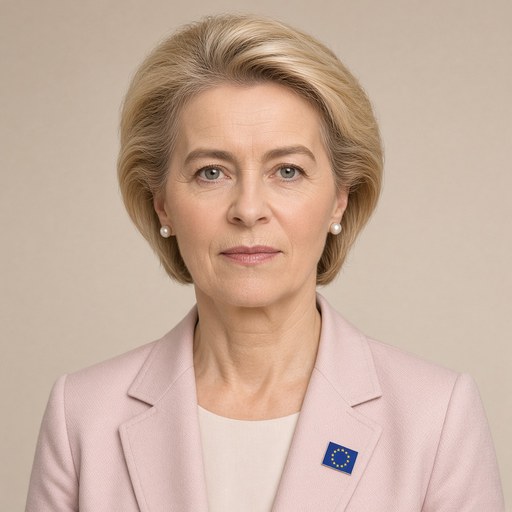
 President of the European Commission
 Federal President of Germany
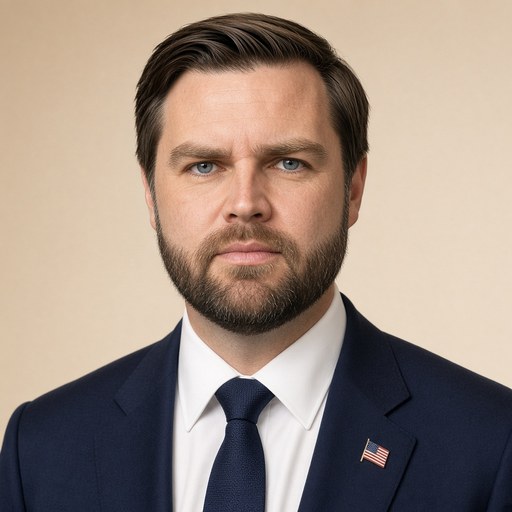 Vice President of the United States
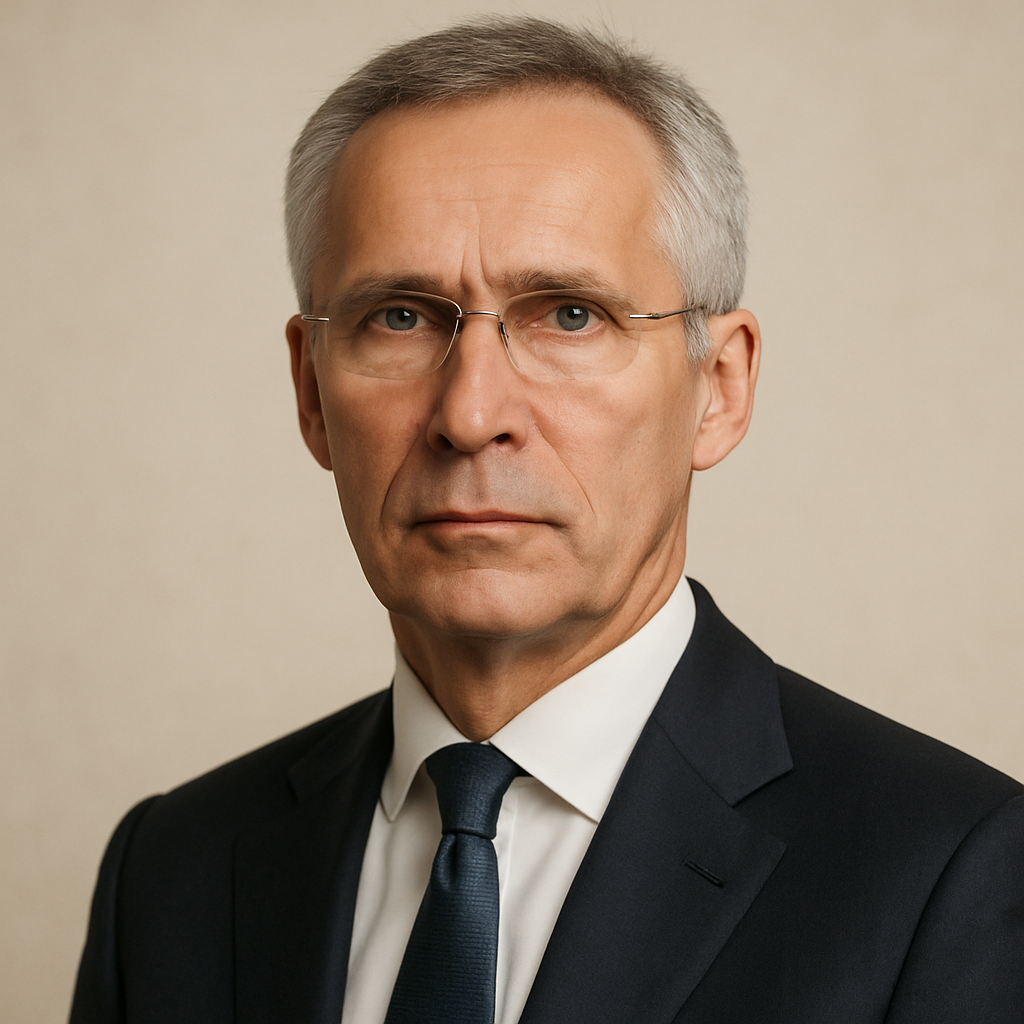 Minister of Finance of Norway
 President of Poland
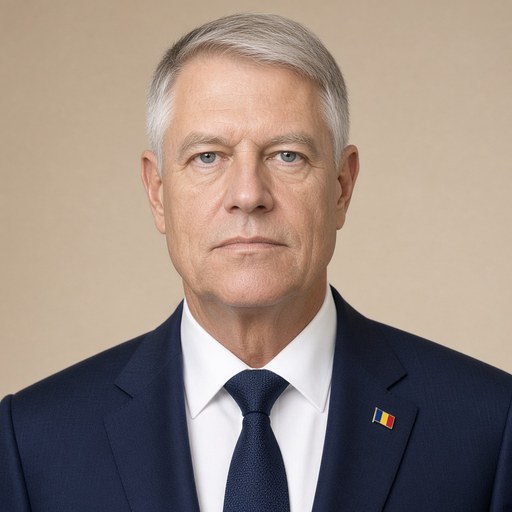 President of Romania
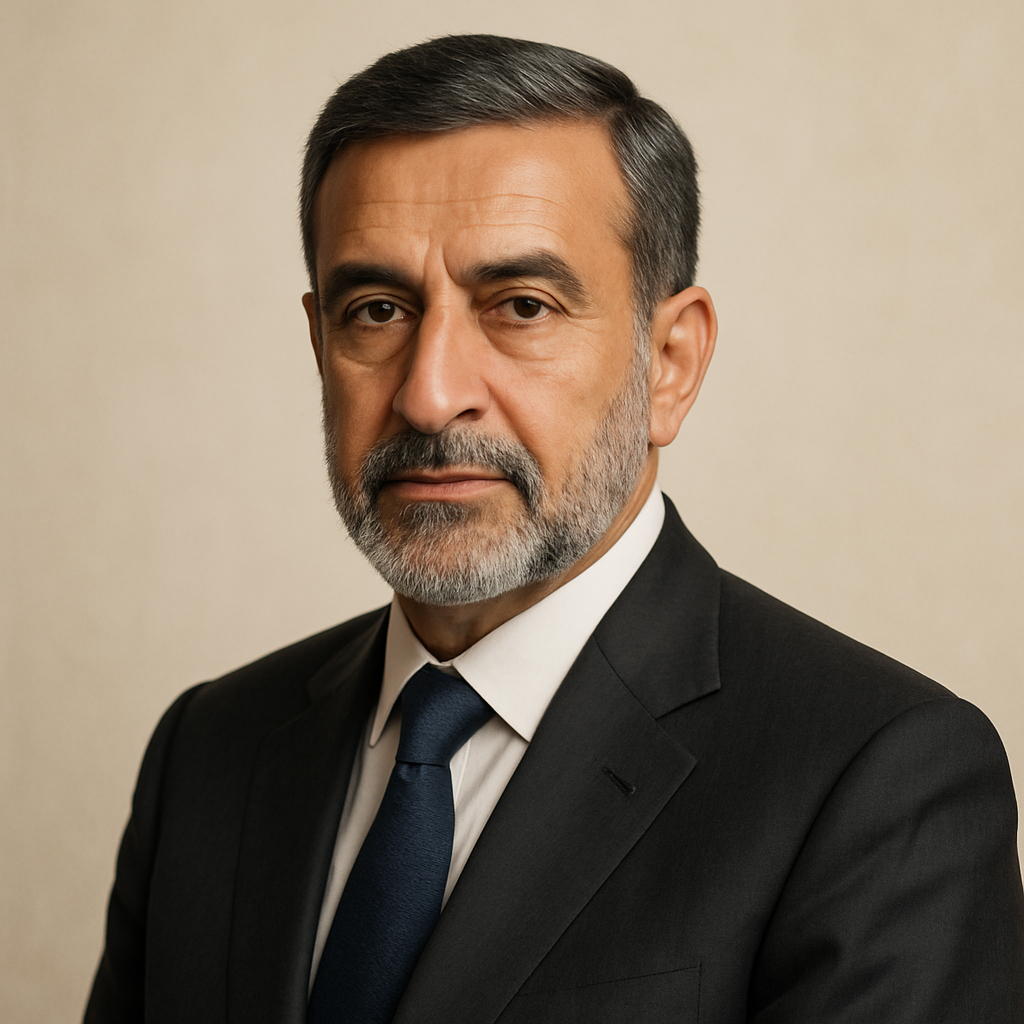 King of Jordan
 President of France
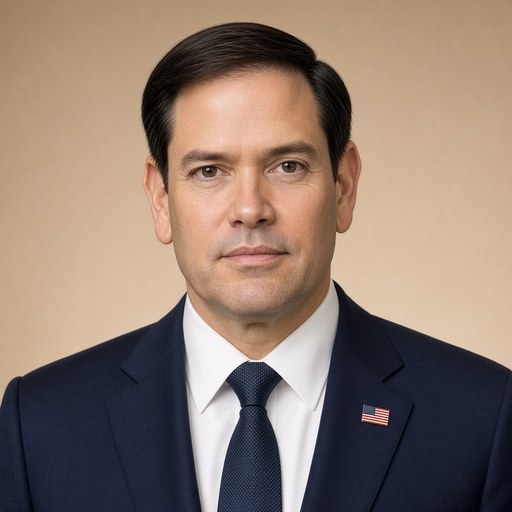 Secretary of State
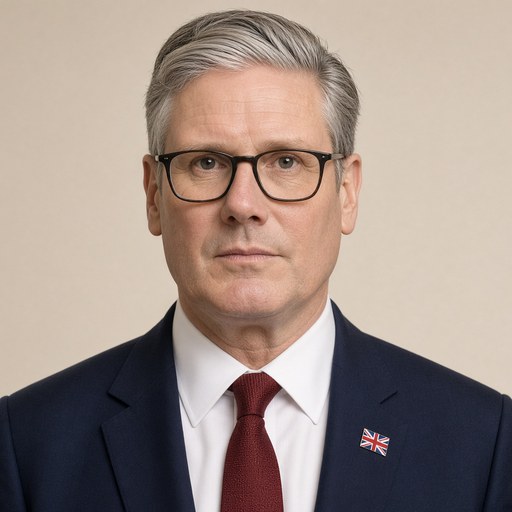 Prime Minister of the United Kingdom (caretaker)
 Prime Minister of Spain
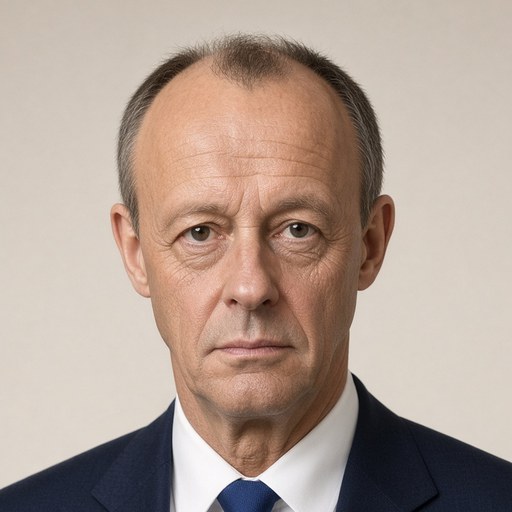 Chancellor of Germany
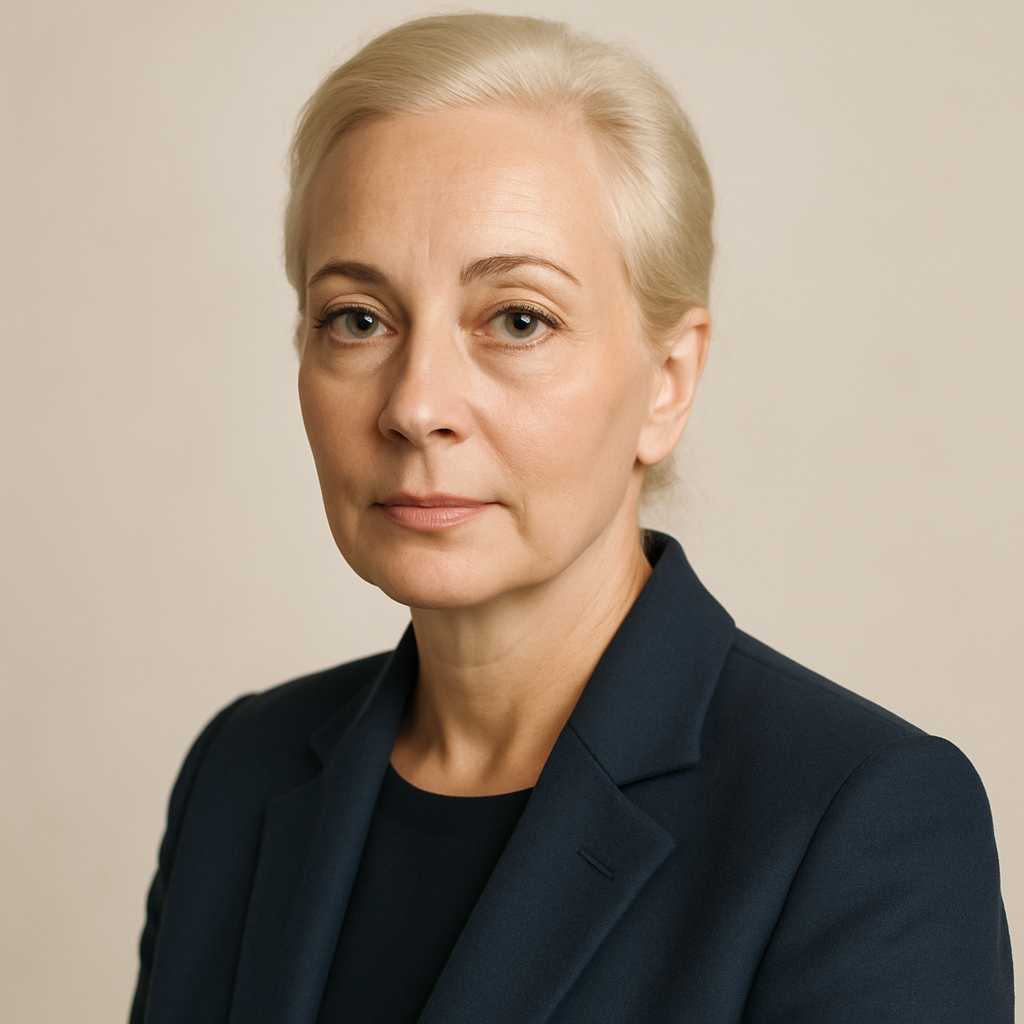 Leader of the Russian Opposition; Chairperson, Human Rights Foundation
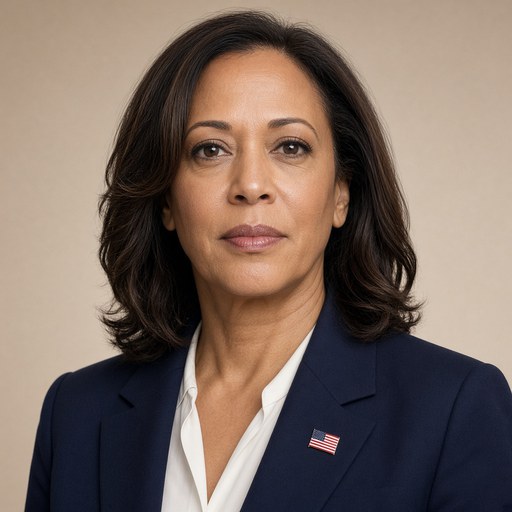 Former Vice President of the United States
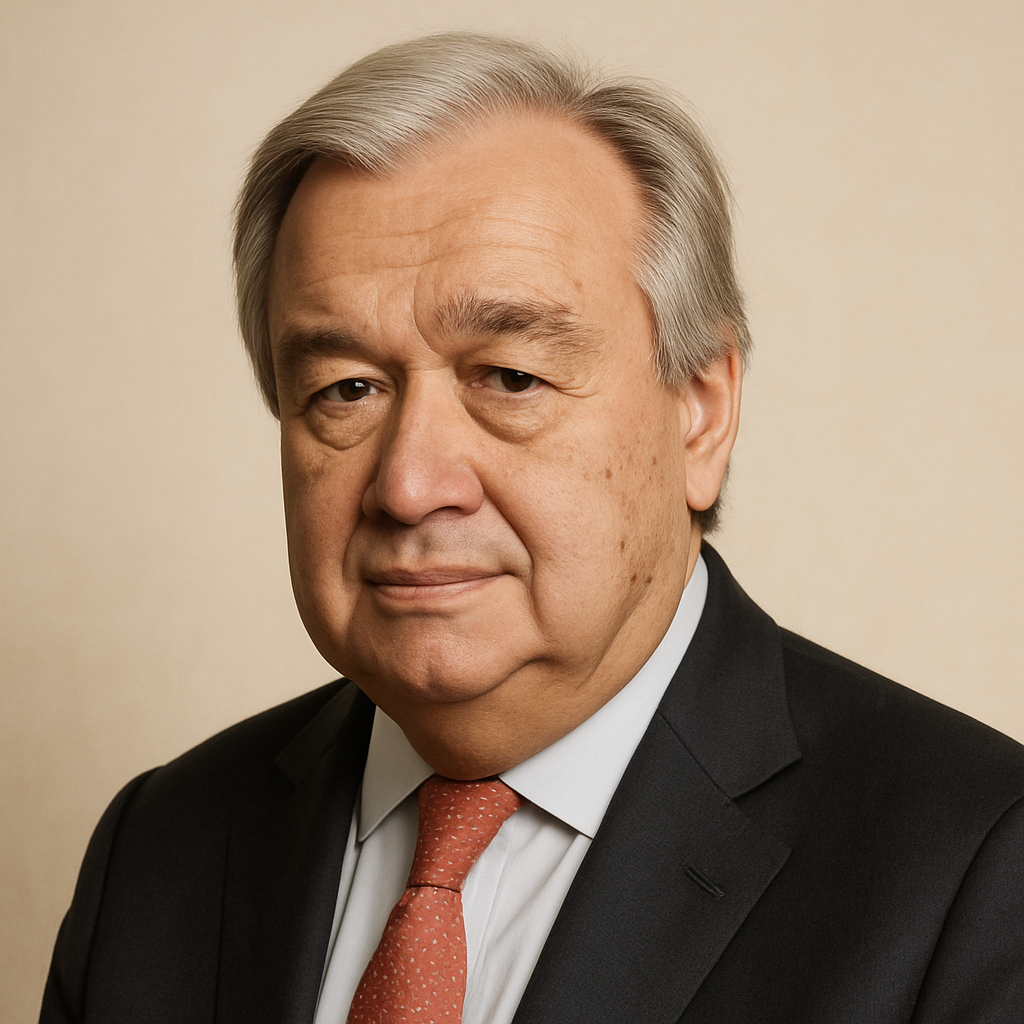 Secretary-General of the United Nations
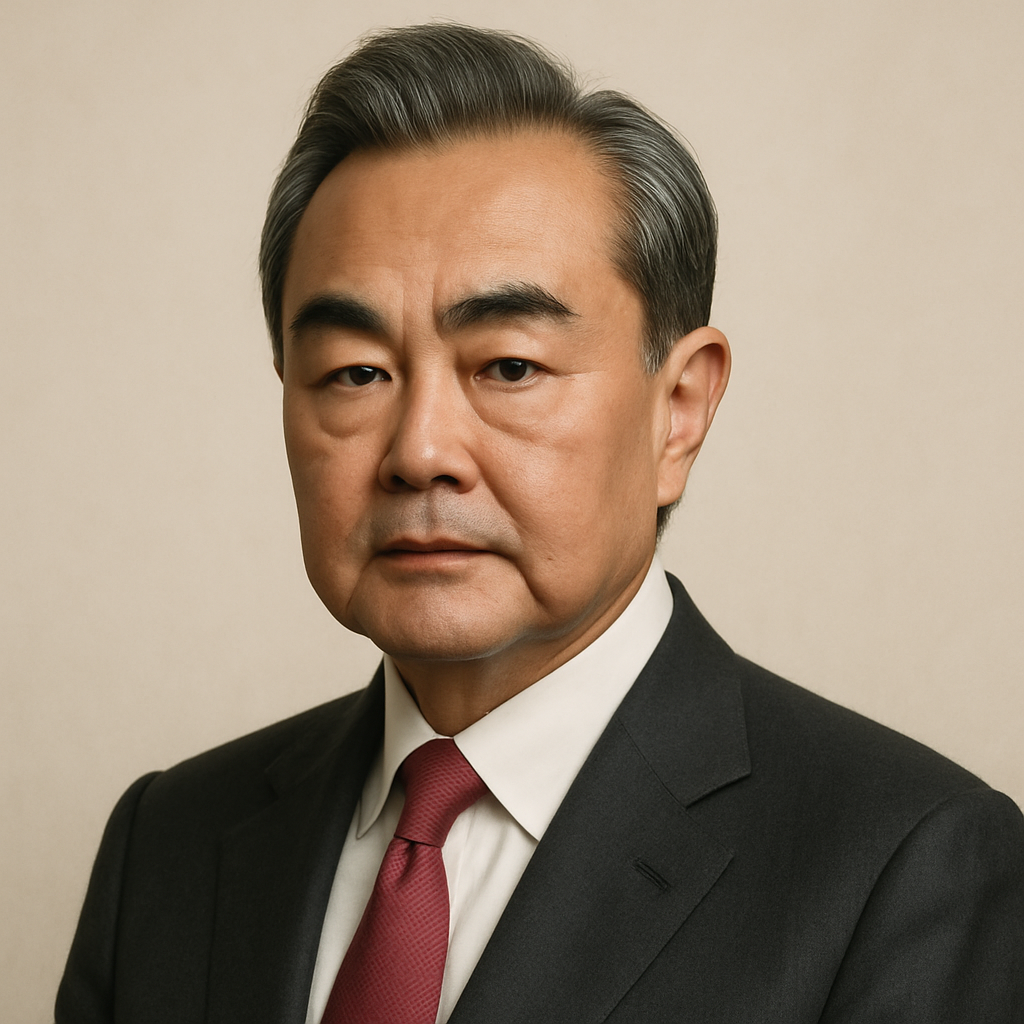 Minister of Foreign Affairs
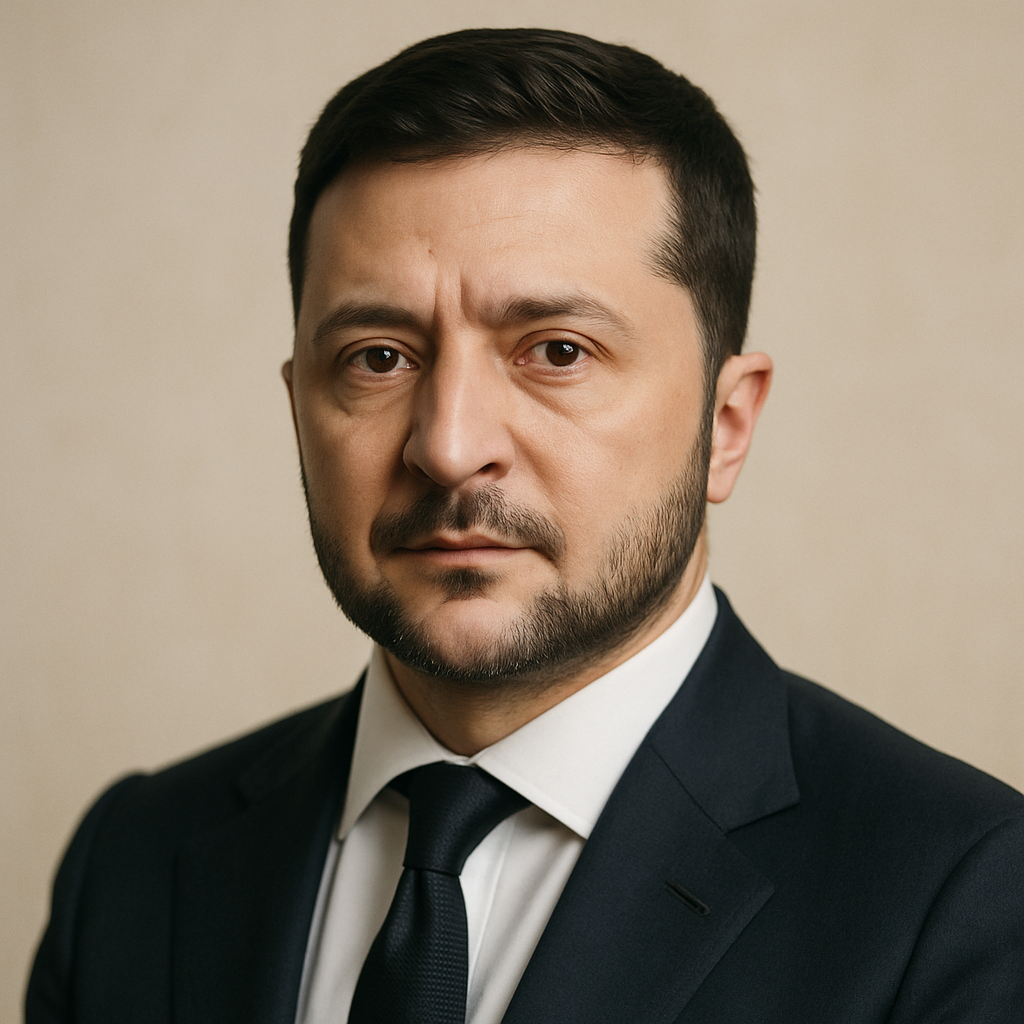 President of Ukraine
 Former President of the United States
 Former Prime Minister of the United Kingdom
 Former President of the Slovak Republic; Bernard and Susan Liautaud Visiting Fellow
 Director-General
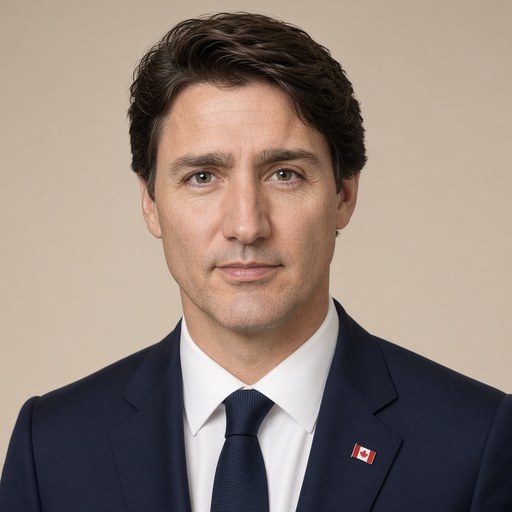 Former Prime Minister of Canada
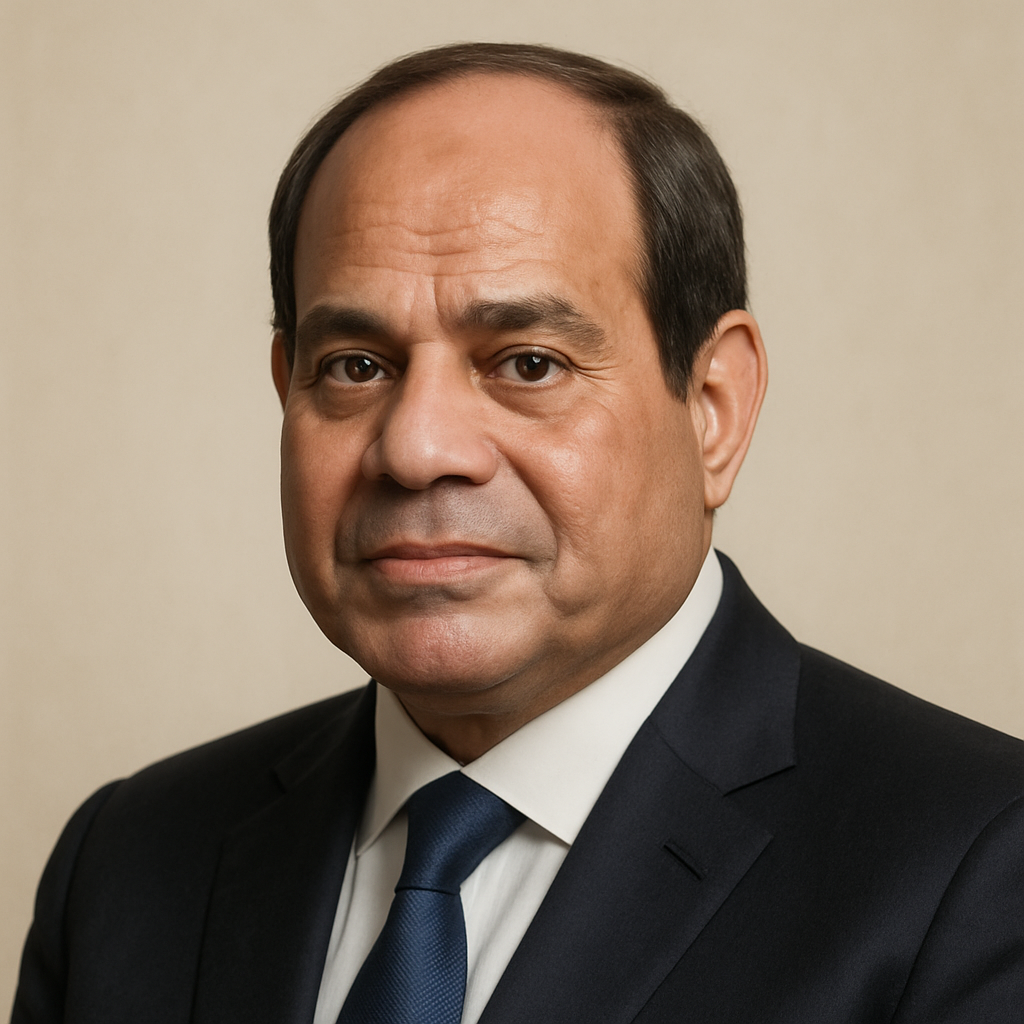 President of Egypt
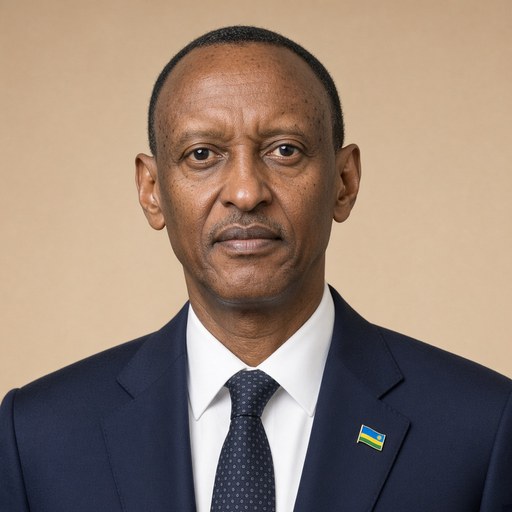 President of Rwanda
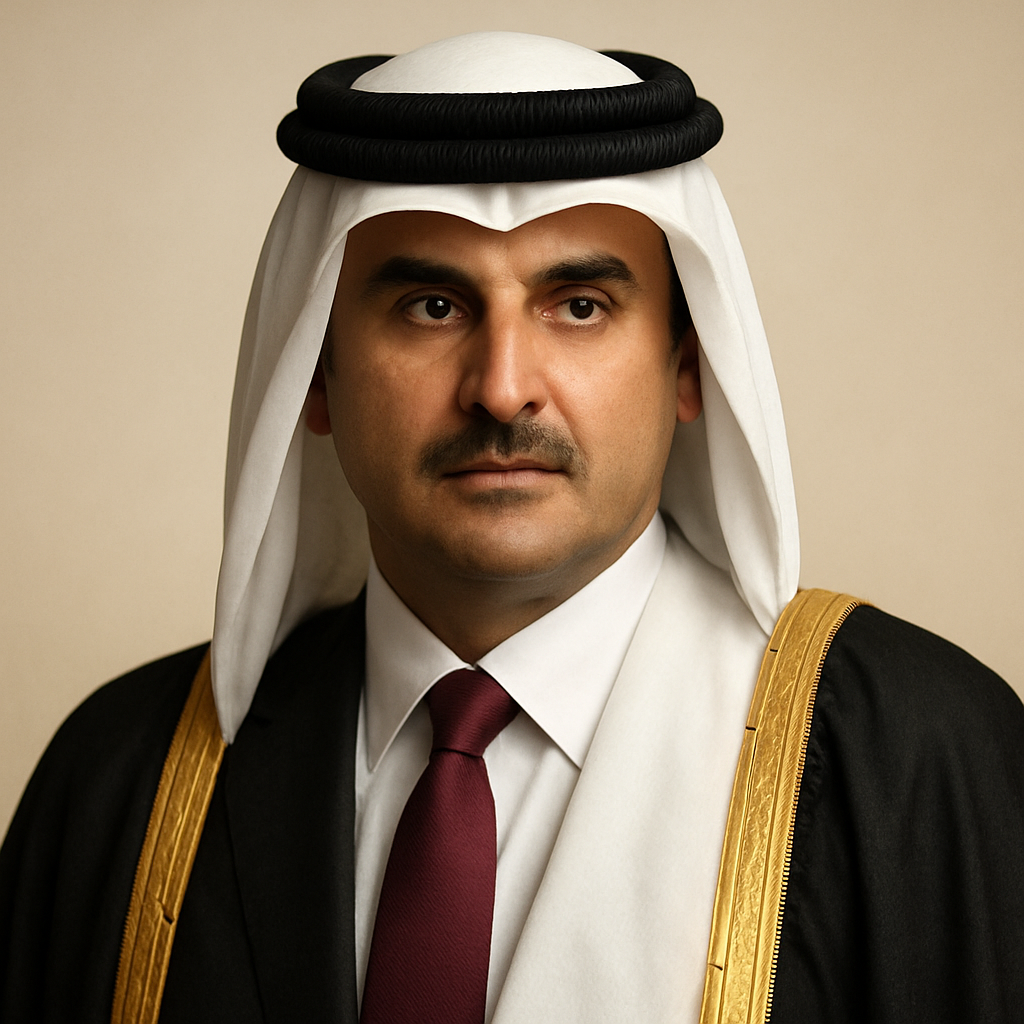 Emir of the State of Qatar
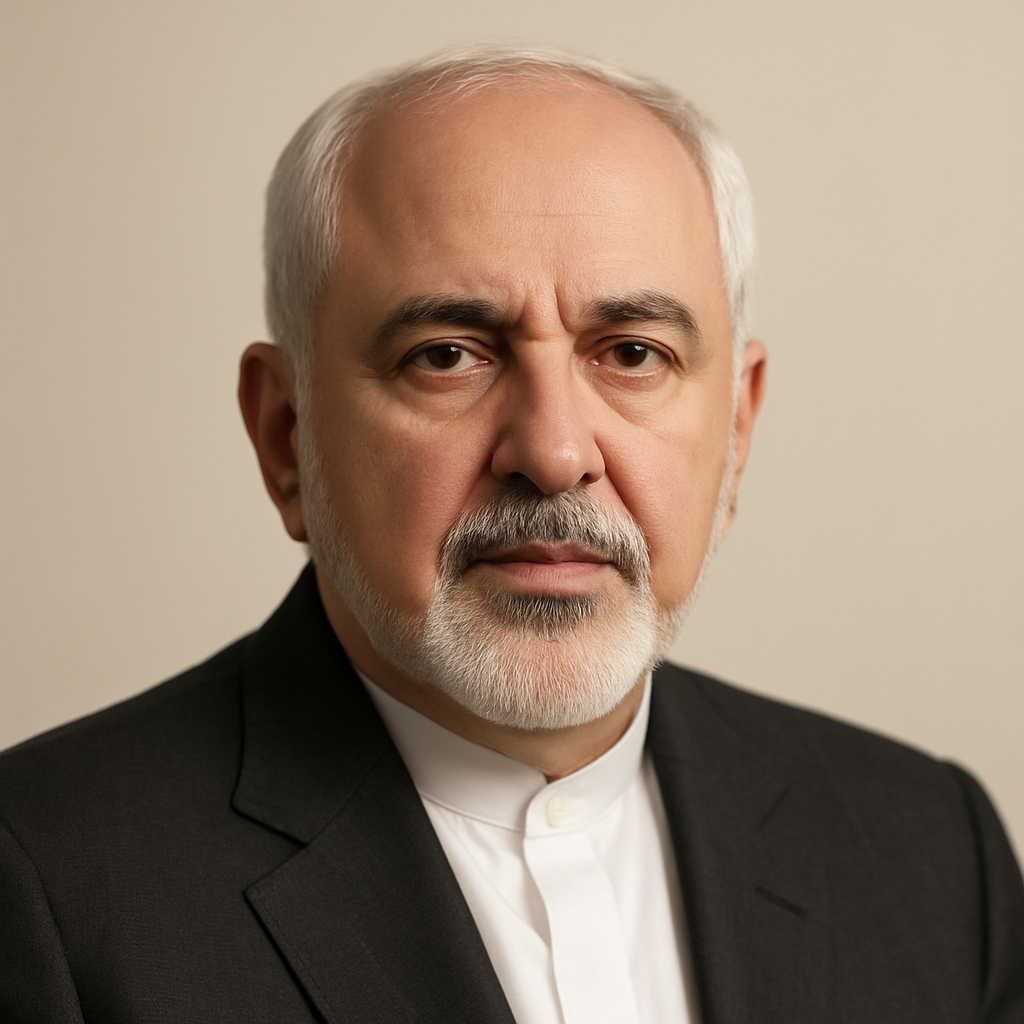 Associate Professor of Global Studies
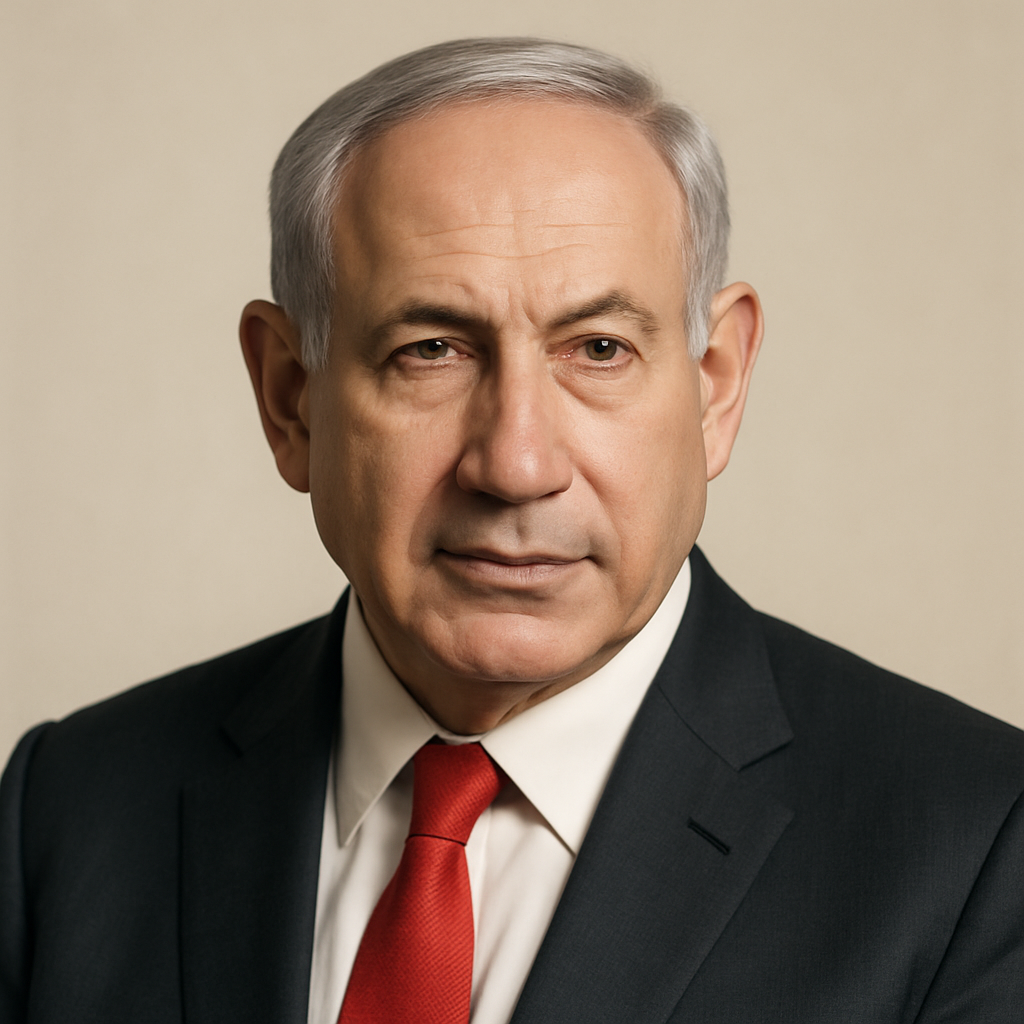 Prime Minister of Israel
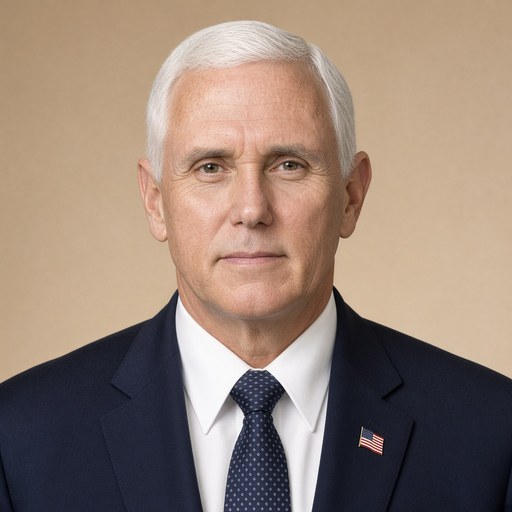 Founder and Chairman
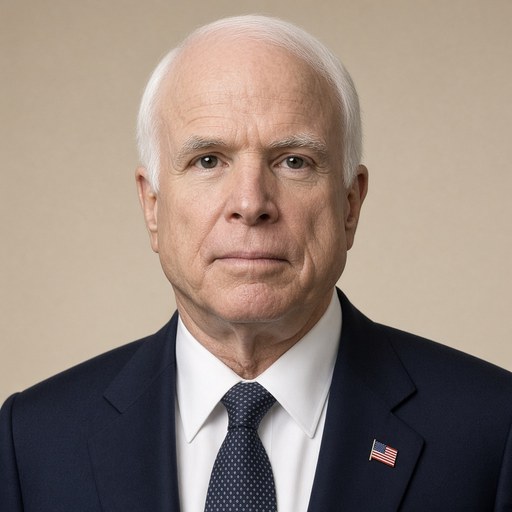 United States Senator for Arizona
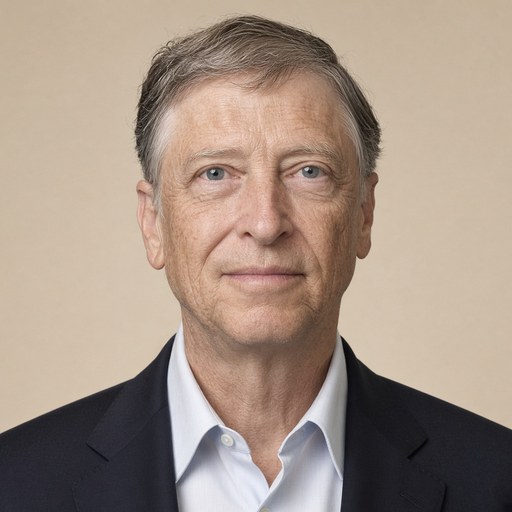 Co-chair, Bill & Melinda Gates Foundation
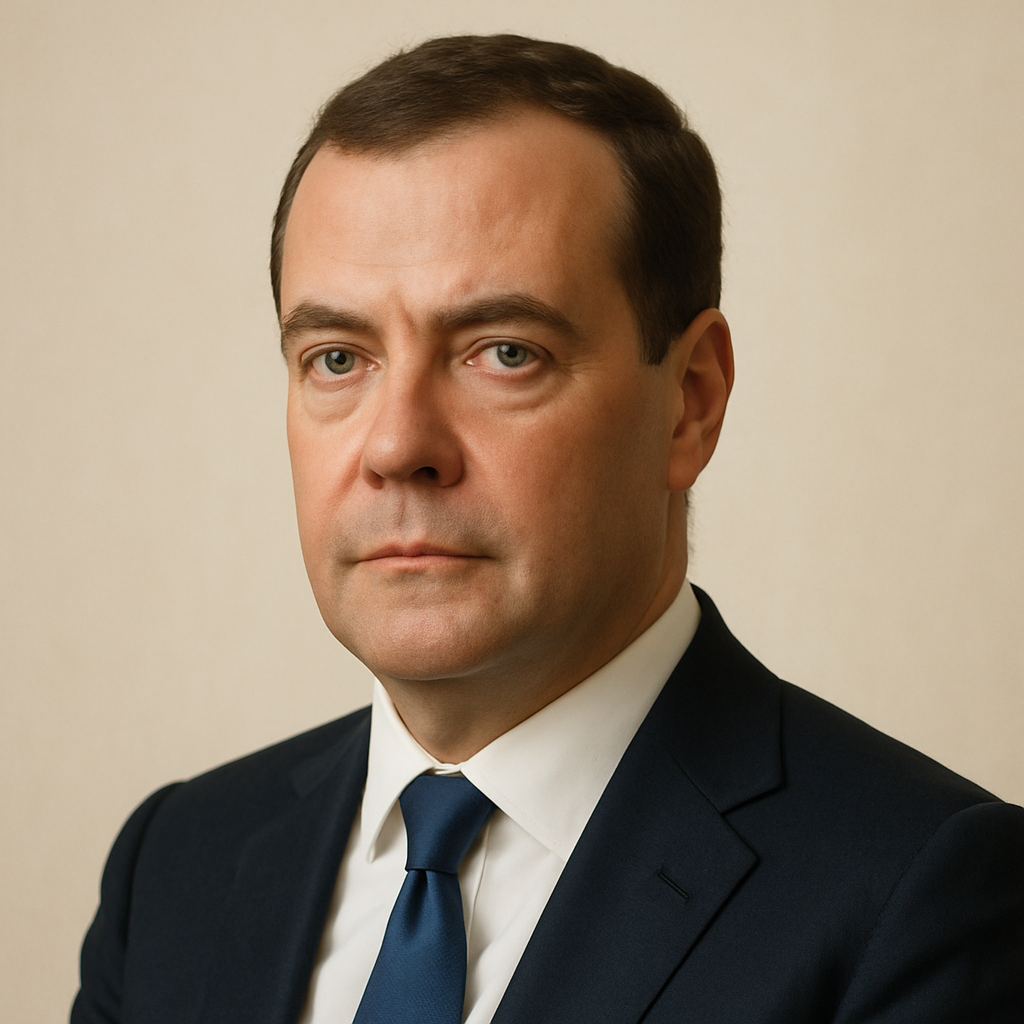 Deputy Chairman of the Security Council
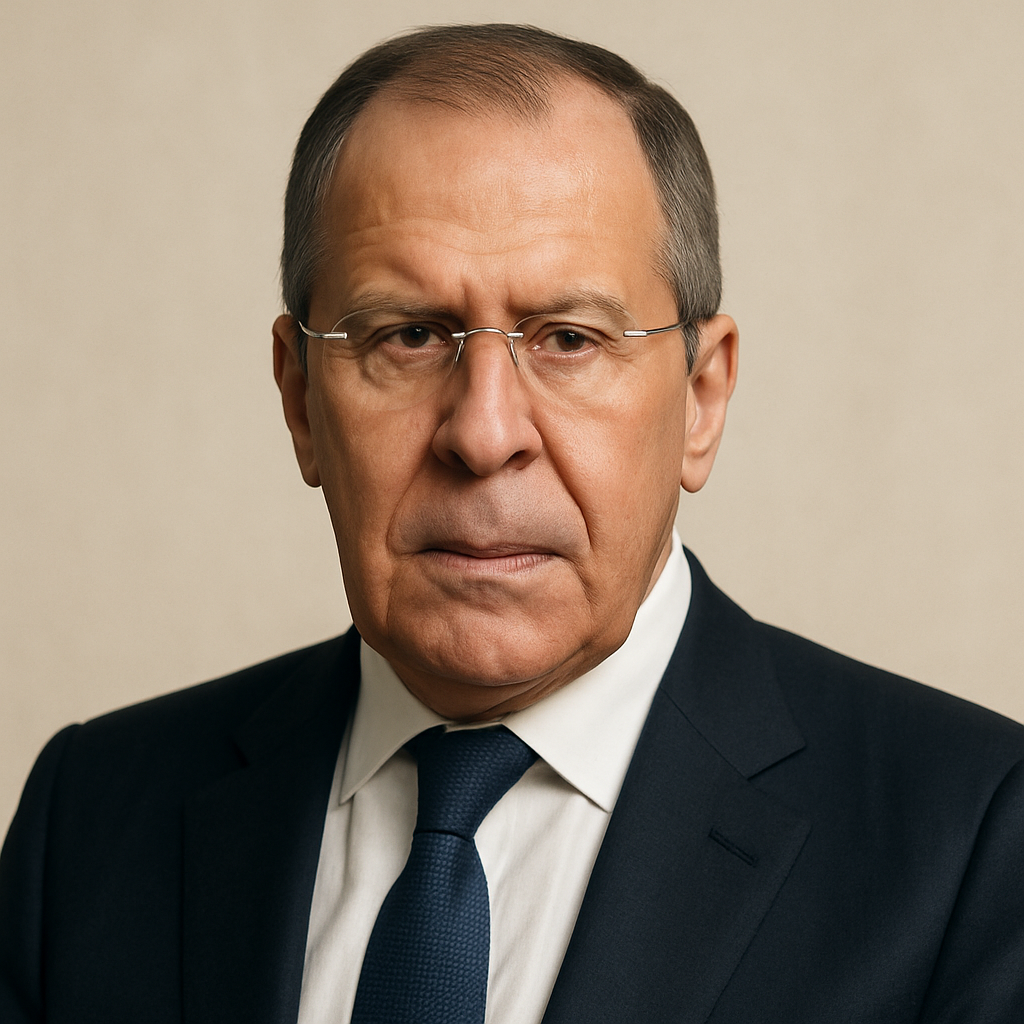 Minister of Foreign Affairs
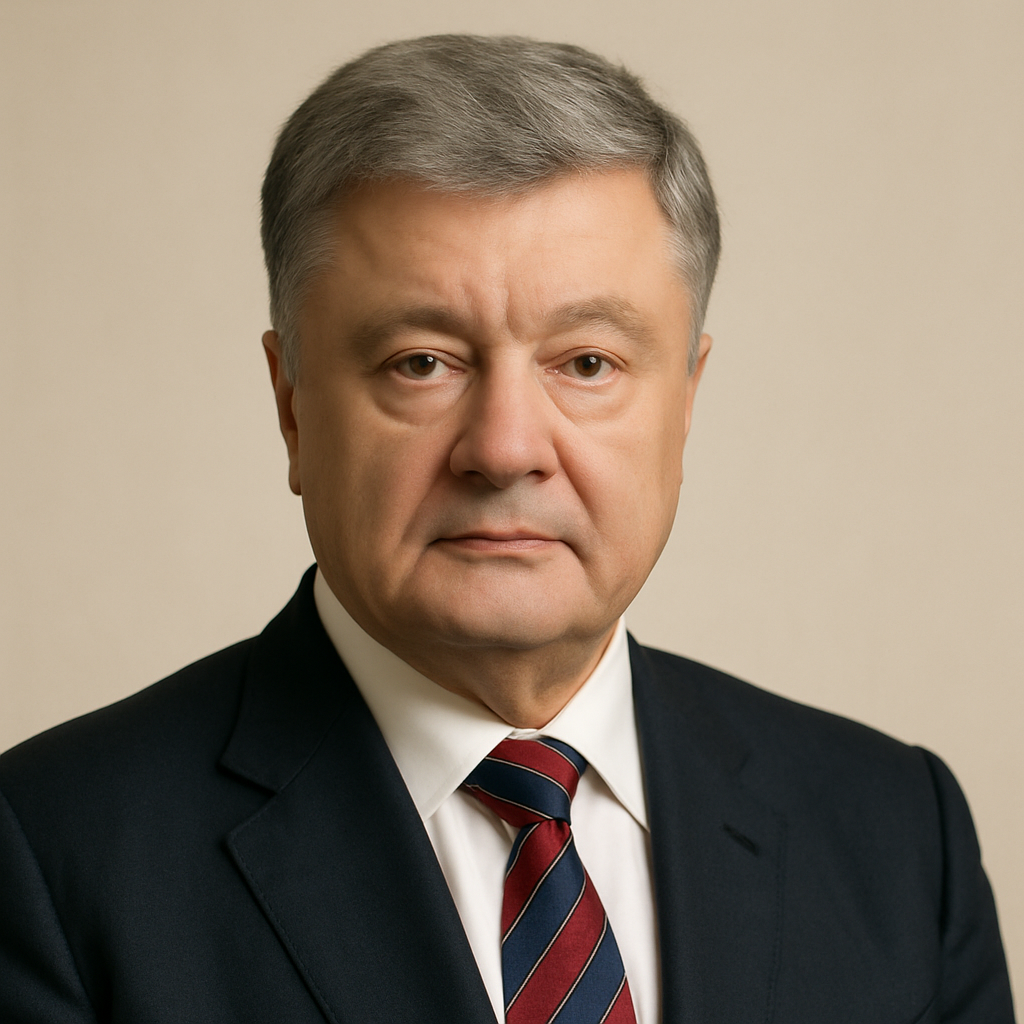 Member of Parliament; Leader of European Solidarity
 Former Federal President of Germany
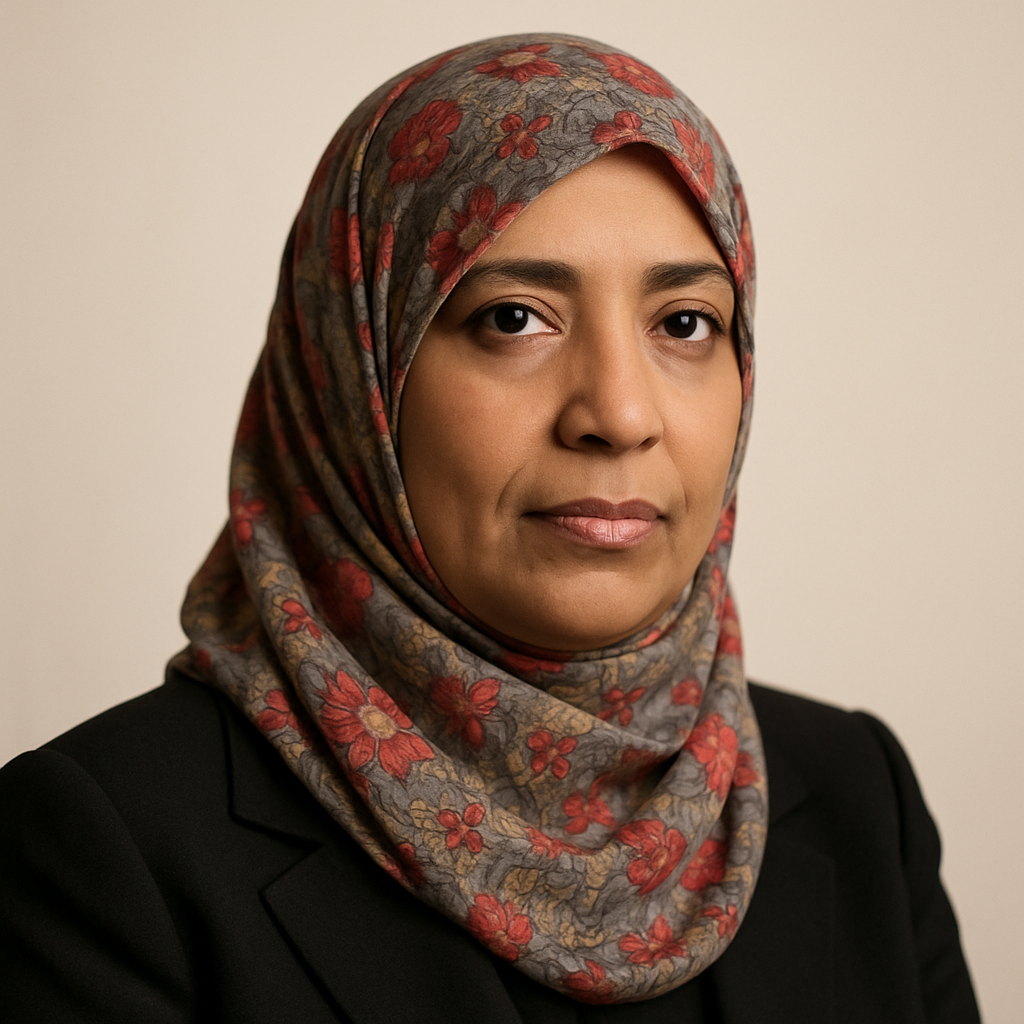 Chairwoman and Human Rights Activist
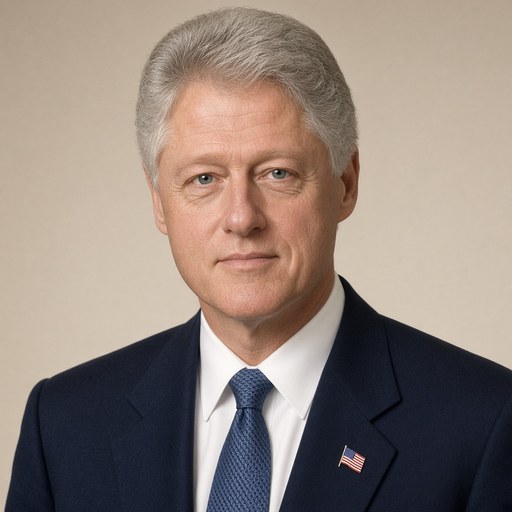 Founder, Former President of the United States
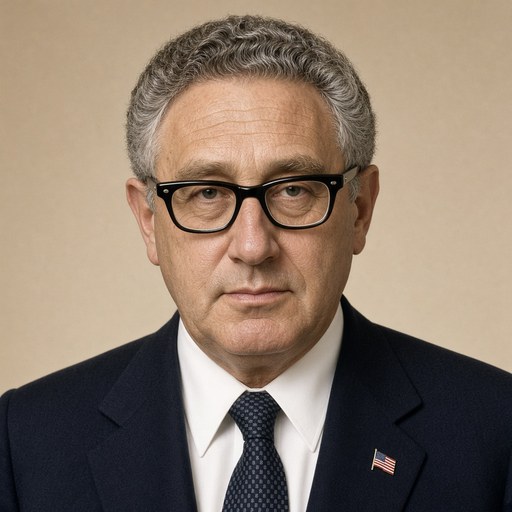 United States Secretary of State
 President of Russia
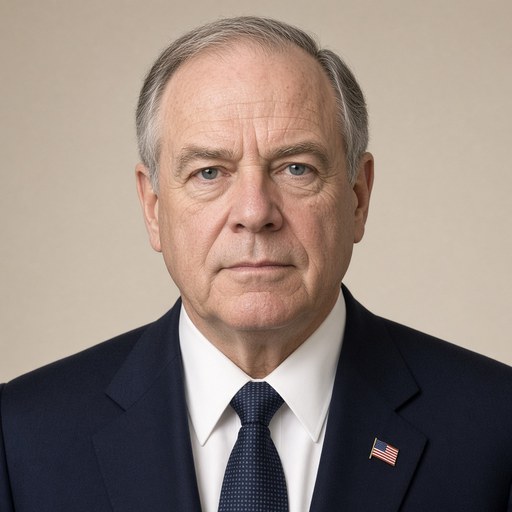 United States Secretary of Defense
 President of Germany
 Former Chancellor of Germany (2005)
 Former Federal Minister for Foreign Affairs and Vice-Chancellor of Germany
 Secretary of Defense
 President of EsadeGeo
 Professor Emeritus; Founder, William J. Perry Project
 Chancellor of Germany
 Chairman and Chief Executive Officer
 Former Federal Minister of Defence; Advisory Board Member
 United States Senator for West Virginia
 United States Senator for Ohio
 Secretary of Defense
 United States Secretary of the Navy
 Assistant Secretary of Defense for Public Affairs
 United States Senator for Texas
 Chancellor of Germany
 Parliamentary State Secretary in the Federal Chancellery
Content: the share of the sentences of Munich Security Conference’s 78 tagged speeches carrying each option (each speech counting equally), beside every speech in the corpus, then each index over the years.
The broad sphere of national life a sentence belongs to. Every sentence has an Arena, so it is the denominator the other indices are read against.
| Option | This collection | All speeches | Difference |
|---|---|---|---|
| Geopolitical | 62.1% | 24.1% | +38.0 pts |
| Ceremonial | 10.7% | 19.9% | −9.2 pts |
| Economic | 7.1% | 15.8% | −8.7 pts |
| Social | 6.4% | 19.4% | −13.0 pts |
| Institutional | 5.8% | 13.3% | −7.5 pts |
| Technological | 0.5% | 1.0% | −0.5 pts |
| Environmental | 0.5% | 2.8% | −2.3 pts |
| Not in focus | 6.8% | 3.8% | +3.0 pts |
The lever of national power a sentence discusses, in the nine domains of the GINC National Capability Framework, grouped as hard, soft and economic power.
| Option | This collection | All speeches | Difference |
|---|---|---|---|
| National Security | 18.6% | 5.8% | +12.8 pts |
| Governance & Integrity | 4.7% | 5.7% | −1.0 pts |
| Trade & Investment | 2.2% | 3.1% | −0.9 pts |
| Information & Influence | 1.5% | 1.5% | 0.0 pts |
| Financial Strength | 1.3% | 2.6% | −1.3 pts |
| Productivity & Innovation | 0.7% | 1.5% | −0.8 pts |
| Human Capital | 0.5% | 2.3% | −1.8 pts |
| Strategic Infrastructure | 0.4% | 1.9% | −1.5 pts |
| Critical Technology | 0.1% | 0.1% | 0.0 pts |
| Not in focus | 70.1% | 75.6% | −5.5 pts |
How far a sentence reaches beyond the speaker's borders.
| Option | This collection | All speeches | Difference |
|---|---|---|---|
| Regional/global | 34.0% | 21.0% | +13.0 pts |
| Multilateral | 18.6% | 5.6% | +13.0 pts |
| Bilateral | 15.7% | 10.8% | +4.9 pts |
| Domestic | 6.2% | 36.0% | −29.8 pts |
| Not in focus | 25.4% | 26.6% | −1.2 pts |
Where in time a sentence points, on one ordered seven-step scale with the present at zero. Distance is given in broad bands rather than years, because most references to the future are vague.
| Option | This collection | All speeches | Difference |
|---|---|---|---|
| Present | 36.0% | 32.6% | +3.4 pts |
| Near future | 19.1% | 17.9% | +1.2 pts |
| Recent past | 10.9% | 12.5% | −1.6 pts |
| Generational past | 5.2% | 6.1% | −0.9 pts |
| Generational future | 1.0% | 0.8% | +0.2 pts |
| Foundational past | 0.5% | 1.5% | −1.0 pts |
| Foundational future | 0.2% | 0.3% | −0.1 pts |
| Not in focus | 27.0% | 28.3% | −1.3 pts |
Actors: the share of the sentences of Munich Security Conference’s 78 tagged speeches carrying each option (each speech counting equally), beside every speech in the corpus, then each index over the years.
Whose actions a sentence is about. Always read with Role.
| Option | This collection | All speeches | Difference |
|---|---|---|---|
| Nation | 29.9% | 38.6% | −8.7 pts |
| Adversary | 11.1% | 5.6% | +5.5 pts |
| Ally | 4.3% | 1.7% | +2.6 pts |
| Not in focus | 54.8% | 54.0% | +0.8 pts |
The part a sentence gives its main character, as if the speech were a story. Null is shown as None.
| Option | This collection | All speeches | Difference |
|---|---|---|---|
| Hero | 7.8% | 14.1% | −6.3 pts |
| Villain | 7.4% | 4.9% | +2.5 pts |
| Victim | 3.8% | 5.1% | −1.3 pts |
| None | 81.0% | 75.9% | +5.1 pts |
Where the speaker stands towards the audience.
| Option | This collection | All speeches | Difference |
|---|---|---|---|
| Coordinate | 11.2% | 9.9% | +1.3 pts |
| Dominant | 7.3% | 5.8% | +1.5 pts |
| Deferential | 6.3% | 13.5% | −7.2 pts |
| Not in focus | 75.2% | 70.9% | +4.3 pts |
Whether a sentence pits a virtuous people against a corrupt elite, as the ideational school defines populism. Speech-level results can be benchmarked against the Global Populism Database where speakers overlap. Null is shown as None.
| Option | This collection | All speeches | Difference |
|---|---|---|---|
| Good-vs-evil | 0.4% | 0.4% | 0.0 pts |
| People-centrism | 0.2% | 1.1% | −0.9 pts |
| Anti-elitism | 0.2% | 0.4% | −0.2 pts |
| None | 99.2% | 98.1% | +1.1 pts |
Style: the share of the sentences of Munich Security Conference’s 78 tagged speeches carrying each option (each speech counting equally), beside every speech in the corpus, then each index over the years.
The speech act a sentence performs, after Searle's taxonomy.
| Option | This collection | All speeches | Difference |
|---|---|---|---|
| Assertion | 66.4% | 60.7% | +5.7 pts |
| Call to action | 11.6% | 9.1% | +2.5 pts |
| Expressive | 8.4% | 19.0% | −10.6 pts |
| Commitment | 7.2% | 8.8% | −1.6 pts |
| Not in focus | 6.5% | 2.4% | +4.1 pts |
How sure the speaker sounds: the force of the claim, not its content or truth.
| Option | This collection | All speeches | Difference |
|---|---|---|---|
| Medium | 52.5% | 56.4% | −3.9 pts |
| High | 29.7% | 26.2% | +3.5 pts |
| Low | 4.9% | 2.6% | +2.3 pts |
| Not in focus | 12.9% | 14.7% | −1.8 pts |
The feeling a sentence appeals to in the listener, not the speaker's own state. Null is shown as Neutral.
| Option | This collection | All speeches | Difference |
|---|---|---|---|
| Fear | 16.8% | 7.5% | +9.3 pts |
| Hope | 13.8% | 19.0% | −5.2 pts |
| Pride | 7.0% | 16.6% | −9.6 pts |
| Anger | 4.7% | 4.8% | −0.1 pts |
| Neutral | 57.8% | 52.2% | +5.6 pts |
The moral value a sentence invokes to claim right or wrong, after Moral Foundations Theory. Provisional: it is dropped if the pilot shows it collapsing into two foundations or tracking Emotion too closely. Null is shown as None.
| Option | This collection | All speeches | Difference |
|---|---|---|---|
| Loyalty | 8.0% | 5.6% | +2.4 pts |
| Fairness | 6.0% | 8.4% | −2.4 pts |
| Authority | 5.7% | 5.6% | +0.1 pts |
| Care | 4.7% | 9.9% | −5.2 pts |
| Liberty | 4.0% | 3.3% | +0.7 pts |
| Sanctity | 0.2% | 0.8% | −0.6 pts |
| None | 71.3% | 66.4% | +4.9 pts |
Across the 77 speeches with a score, weighted by their length; beside each, the same for every speech in the corpus.
All speeches 43.9 · +4.4
Flesch Reading Ease, 0 to 100; higher is easier.
All speeches 13.1 · −1.9
Flesch–Kincaid grade: years of schooling needed; lower is simpler.
All speeches 3.06 · −0.17
Mean dependency distance in words; higher is more intricate.
All speeches 2.20 · −0.05
Lexical rarity (7 − Zipf frequency of content words); higher is rarer.